
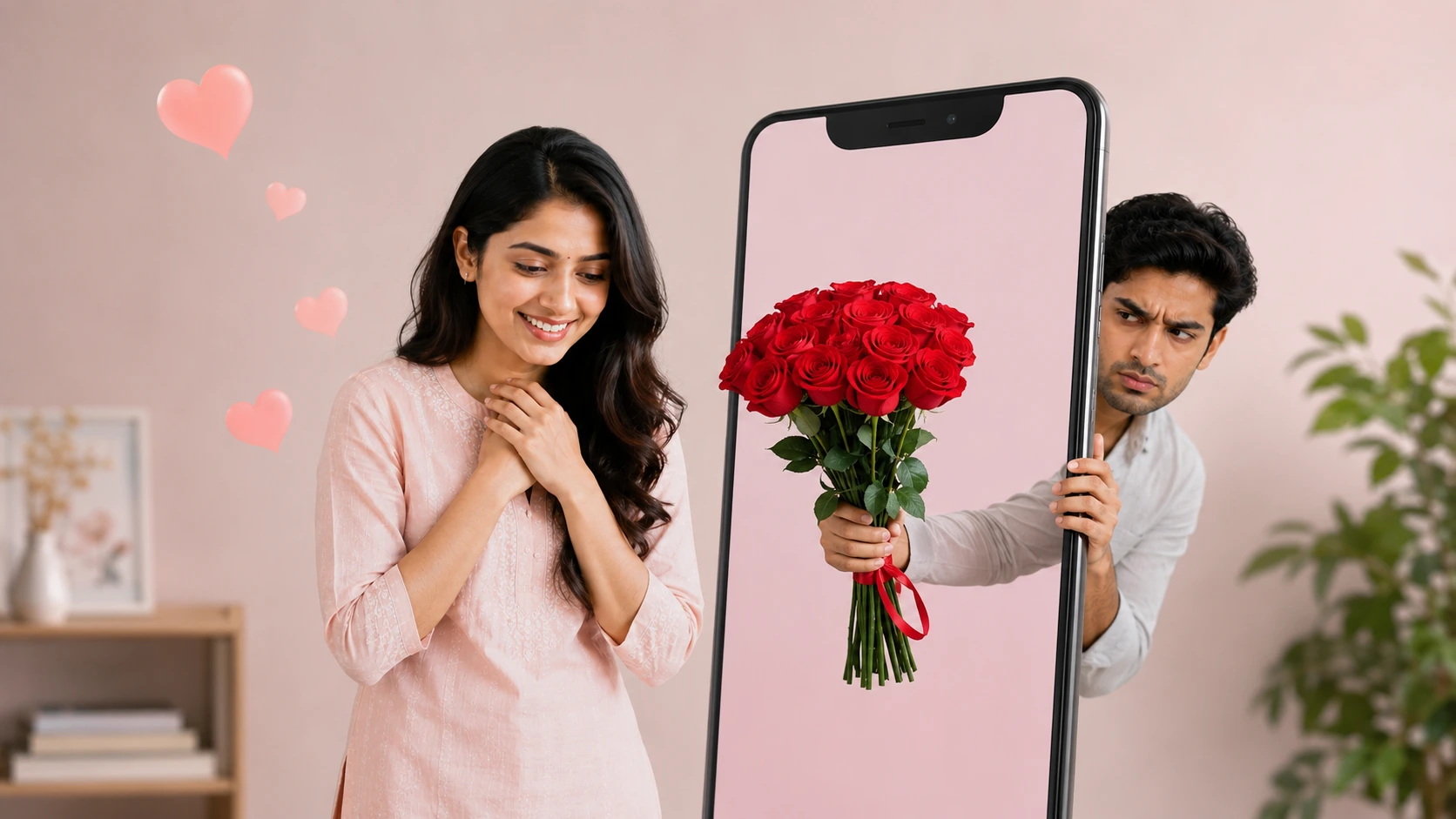
Online romance scam red flags are not always obvious at the beginning.
Sometimes the person seems kind, respectful and emotionally available. They message every morning. They remember small details. They call you beautiful. They say they have never felt this way before. They make you feel chosen, understood and special.
For many women and young girls, that attention can feel exciting.
But online scammers know this.
They do not always begin by asking for money. Many begin by building emotional trust. They create a story. They create closeness. They create urgency. Then, when you feel attached, they ask for help, money, photos, personal information, bank access or secrecy.
That is why it is important to notice the warning signs early.
A real connection should not make you feel pressured, confused, isolated or afraid to ask questions.
Online Romance Scam Red Flags Women Should Notice
Online romance scam red flags usually appear as patterns.
One strange message may not prove someone is fake. But repeated excuses, emotional pressure, secrecy and requests for money or personal details should never be ignored.
The biggest red flag is this: the relationship moves faster than real trust can grow.
A scammer may talk like they love you before they truly know you. They may make big promises before meeting you. They may say you are different from everyone else. They may rush emotional intimacy because emotional attachment makes people easier to manipulate.
For women and young girls, the safest rule is simple.
Move slowly online. Ask questions. Tell someone you trust. Never keep a suspicious online relationship secret.
What Is the Love Scam Process?
A love scam usually follows a pattern.
First, the scammer creates a believable identity. They may use stolen photos, a fake name and a story that sounds impressive or emotionally touching.
Then, they start a conversation. This may happen through dating apps, Instagram, Facebook, TikTok, WhatsApp, Telegram, gaming platforms or even a “wrong number” message.
Next, they build emotional closeness. They message often, give compliments, share personal stories and make you feel important.
Then, they move the conversation away from the original platform. They may say the app is not safe, they are rarely online there, or they prefer private messaging.
After that, they create a problem. They may say they are stuck, sick, travelling, working abroad, dealing with family trouble or facing a financial emergency.
Finally, they ask for something!
Money. Gift cards. Bank details. Personal documents. A parcel address. Cryptocurrency investment. Private photos. A favour… A loan… A transfer…. A secret….?!
By this stage, the victim may feel emotionally responsible.
That is why early red flags matter.
15 Signs the Person May Be Fake
1. They become romantic too quickly.
They say “I love you” very early, call you their future wife, talk about marriage or say you are the only person who understands them before real trust has developed.
2. Their profile looks too perfect.
The photos may look like a model, influencer, soldier, doctor, pilot, businessman or wealthy traveller. The account may have few real comments, few tagged photos or very little normal activity.
3. They avoid meeting in person.
There is always a reason they cannot meet. They are overseas, working remotely, travelling, on a ship, in the military, in hospital, caring for family or waiting for the right time.
4. They avoid proper video calls.
They may refuse video calls, say their camera is broken, claim poor internet, send only short clips, or appear briefly with strange excuses. Some scammers may talk on the phone, so a voice call alone does not prove they are real.
5. Their story keeps changing.
Their job, location, family details, age, education or plans may shift slightly. When you ask, they become defensive or give confusing explanations.
6. They move the chat to another app quickly.
They may want WhatsApp, Telegram or another private messaging app almost immediately. This can make it harder for the original platform to detect or report them.
7. They love-bomb you.
They message constantly, praise you heavily and make you feel emotionally dependent. It may feel romantic, but it can also be a control tactic.
8. They ask you to keep the relationship private.
They may say, “People will not understand us,” or “Do not tell your friends yet,” or “Your family will separate us.” Secrecy protects the scammer.
9. They create urgent problems.
There is suddenly an accident, medical emergency, visa issue, customs fee, blocked bank account, stolen wallet, business loss or family crisis.
10. They ask for money in indirect ways.
Some scammers do not say, “Send me money” at first. They hint that they are struggling, say they are embarrassed, or make you offer help yourself.
11. They ask for gift cards, crypto or transfers.
Gift card codes, cryptocurrency, wire transfers and money apps are major warning signs. These methods can be difficult to reverse.
12. They ask for personal information.
They may want your full name, address, ID, passport, bank details, school, workplace, family details or private routine.
13. They ask for private photos or videos.
This is extremely dangerous. A scammer can use private images to threaten, blackmail or shame you.
14. They make you feel guilty for saying no.
They may say, “If you loved me, you would help,” or “I thought you trusted me,” or “You are the only person I have.” This is emotional pressure.
15. They get angry when you ask questions.
A genuine person can answer reasonable questions calmly. A scammer may become offended, dramatic, silent or threatening when challenged.
What Are the Top 10 Red Flags of a Romance Scammer?
The top 10 red flags are fast love, avoiding video calls, refusing to meet, moving to private apps, inconsistent stories, secrecy, urgent emergencies, asking for money, asking for private photos and pressuring you when you hesitate!
If three or more of these appear together, step back immediately.
Do not explain too much. Do not try to prove you are kind. Do not continue because you feel sorry for them.
Scammers depend on emotional confusion.
A safe relationship will not punish you for protecting yourself.
Will a Romance Scammer Talk on the Phone?
Yes, some romance scammers will talk on the phone.
That is important to understand.
Many women think, “I heard his voice, so he must be real.” But a phone call does not prove identity. A scammer may use a normal voice call, voice notes or scripted conversations to sound more believable.
Some may avoid video calls completely. Others may use short, poor-quality video clips, deepfake-style content or excuses that prevent proper conversation.
A real person who is serious about you should be willing to verify themselves in a calm and respectful way.
But even if someone agrees to calls, the bigger question is still this:
Are they asking for money, secrecy, personal information or emotional pressure?
If yes, the risk is still there.
What Are Three Excuses a Love Scammer Uses?
A love scammer may use many excuses, but three common ones are:
“I cannot meet you because I am working abroad.”
They may claim to be on a ship, oil rig, military base, remote project, hospital assignment or business trip.
“I want to visit you, but I need money first.”
They may mention tickets, visa fees, customs payments, passport issues or emergency travel costs.
“I cannot access my money right now.”
They may say their bank account is frozen, their card is blocked, their salary is delayed or their wallet was stolen.
The story may sound emotional, but the pattern is what matters.
If someone you have not met properly needs your money to solve their problem, treat it as a serious warning sign.
What Does a Love Scammer Usually Say?
A love scammer may say things that feel romantic but are designed to create dependency.
They may say:
- “I have never felt this way before.”
- “You are the only one I trust.”
- “My family would love you.”
- “I want to marry you soon.”
- “Please do not tell anyone yet.”
- “You are different from other girls.”
- “I cannot live without you.”
- “I was hurt before, but you healed me.”
- “I need your help just this once.”
- “If you love me, you will believe me.”
These words may feel emotional in the moment. But words are easy online.
Look for behaviour.
Does the person respect your pace? Do they answer clearly? Do they accept boundaries? Do they avoid asking for money? Do they want you to stay connected with trusted people?
Real care does not require secrecy, pressure or payment.
What Will a Love Scammer Ask From You?
A love scammer may ask for money first.
But money is not the only danger.
They may ask for:
- Gift card codes.
- Bank account access.
- Loan applications.
- Cryptocurrency investments.
- Transfers through your account.
- Passport or ID copies.
- Your address.
- Your school or office details.
- Private photos or videos.
- Screenshots of bank balances.
- OTP codes or verification codes.
- Parcels to receive or resend.
- Your social media passwords.
- Information about your family.
They may make the request sound small, temporary or romantic.
Do not agree!!!!!
If someone online asks you to move money, receive parcels, invest through their link or share codes, you may be pulled into financial fraud or identity theft.
What Should You Never Say to a Love Scammer?
If you suspect someone is a scammer, do not reveal too much.
Do not say:
- “I have savings.”
- “My parents are not at home.”
- “I am alone.”
- “I can borrow money.”
- “I will send my ID.”
- “I will keep this secret.”
- “I will prove my love.”
- “I do not want to tell my friends.”
- “You can use my account.”
- “I will send photos if you promise not to share them.”
Also avoid giving detailed explanations about how you found them suspicious. You do not need to teach a scammer how to improve their lie.
Keep your response short.
You can say:
“I am not comfortable with this. I will not send money or personal information.”
Then stop replying, block and report.
How to Catch an Online Romance Scammer Safely
Do not try to become a detective in a dangerous way.
Your goal is not to “catch” them emotionally. Your goal is to protect yourself.
You can do simple checks.
Search their name with the word “scam”. Reverse-search their profile photo. Check whether their photos appear under another name. Notice whether their story matches their profile. Ask direct questions and watch for anger, delay or confusion. Talk to a trusted friend, sibling, parent or mentor.
Also, keep the conversation on the original platform when possible. Platforms may have reporting tools and safety systems.
But remember this: even if you cannot prove they are fake, you are allowed to leave the conversation.
You do not need courtroom-level evidence to protect yourself.
A red flag is enough reason to pause.
How Do I Know If I Am Chatting With a Scammer?
Ask yourself these questions:
- Have they become romantic very fast?
- Have they avoided meeting or video calls?
- Have they asked for money, gifts, crypto or help?
- Have they asked for secrecy?
- Have they made you feel guilty for questioning them?
- Have they asked for private photos or personal details?
- Have they tried to move you away from the app quickly?
- Does their story sound dramatic but difficult to verify?
- Do they get angry when you set boundaries?
- Do you feel scared to tell your friends about them?
If you answered yes to several of these, you may be chatting with a scammer.
Do not wait until money is lost to take the signs seriously.
How Young Girls Can Stay Safer Online
Young girls need extra protection online because scammers and predators may target emotions, loneliness, curiosity and trust.
If you are young, studying or still dependent on family, be especially careful with anyone who asks for secrecy.
A safe person will not tell you to hide the relationship from everyone.
A safe person will not ask for private photos.
A safe person will not ask for money.
A safe person will not pressure you to prove love.
A safe person will not make you feel guilty for having boundaries.
If someone older, unknown or suspicious is giving you intense romantic attention online, tell a trusted adult. That may be a parent, older sibling, teacher, counsellor, aunt, cousin or family friend.
Do not handle it alone because you feel embarrassed.
The shame belongs to the person trying to manipulate you, not to you.
What to Do If You Already Sent Money or Photos
First, stop contact.
Do not send more money to “fix” the situation. Scammers may ask for more and more once they know you are frightened.
Second, save evidence. Keep screenshots, usernames, phone numbers, payment receipts and messages.
Third, contact your bank or payment provider immediately if money was sent. Ask whether the payment can be stopped or traced.
Fourth, report the account on the dating app or social media platform.
Fifth, tell someone you trust. This is important if private photos, threats or blackmail are involved.
If someone is threatening to share private images, do not pay them. Paying often does not stop the threats. Get help quickly from trusted people, cyber safety services or local authorities.
You are not foolish for trusting someone.
Scammers are trained to manipulate trust.
Healthy Online Love Should Feel Safe
Online relationships can be real.
Many people meet good partners online. The problem is not online communication itself. The problem is when someone uses romance to remove your boundaries.
- Healthy love does not rush you into secrecy.
- Healthy love does not demand money.
- Healthy love does not ask for private photos as proof.
- Healthy love does not punish questions.
- Healthy love does not isolate you from friends and family.
If you are unsure what healthy relationship standards should look like, Satynmag’s article Non-Negotiables Needs in Modern Relationships is a useful extra reading option.
You can also read Partner Jealous of Success and Her Growth if you want to understand emotional insecurity and control patterns in relationships.
Final Thought
Online Romance Scam Red Flags are not about becoming suspicious of everyone.
They are about learning how to protect your heart, your money, your identity and your future.
If someone online moves too fast, avoids meeting, creates emergencies, asks for secrecy, requests money, pressures you for photos or makes you feel guilty for setting boundaries, step back.
You are allowed to say no. You are allowed to block. You are allowed to tell someone. You are allowed to choose safety over romance.
The right person will not need you to risk your peace, privacy or finances to prove love.
If something feels wrong, pause before trusting the story and learn more about how a romance scam works.
For more relationship guidance, dating safety and women-focused conversations, explore Satynmag’s Relationships section.


