

Low ferritin normal haemoglobin can be one of the most frustrating blood test results for women.
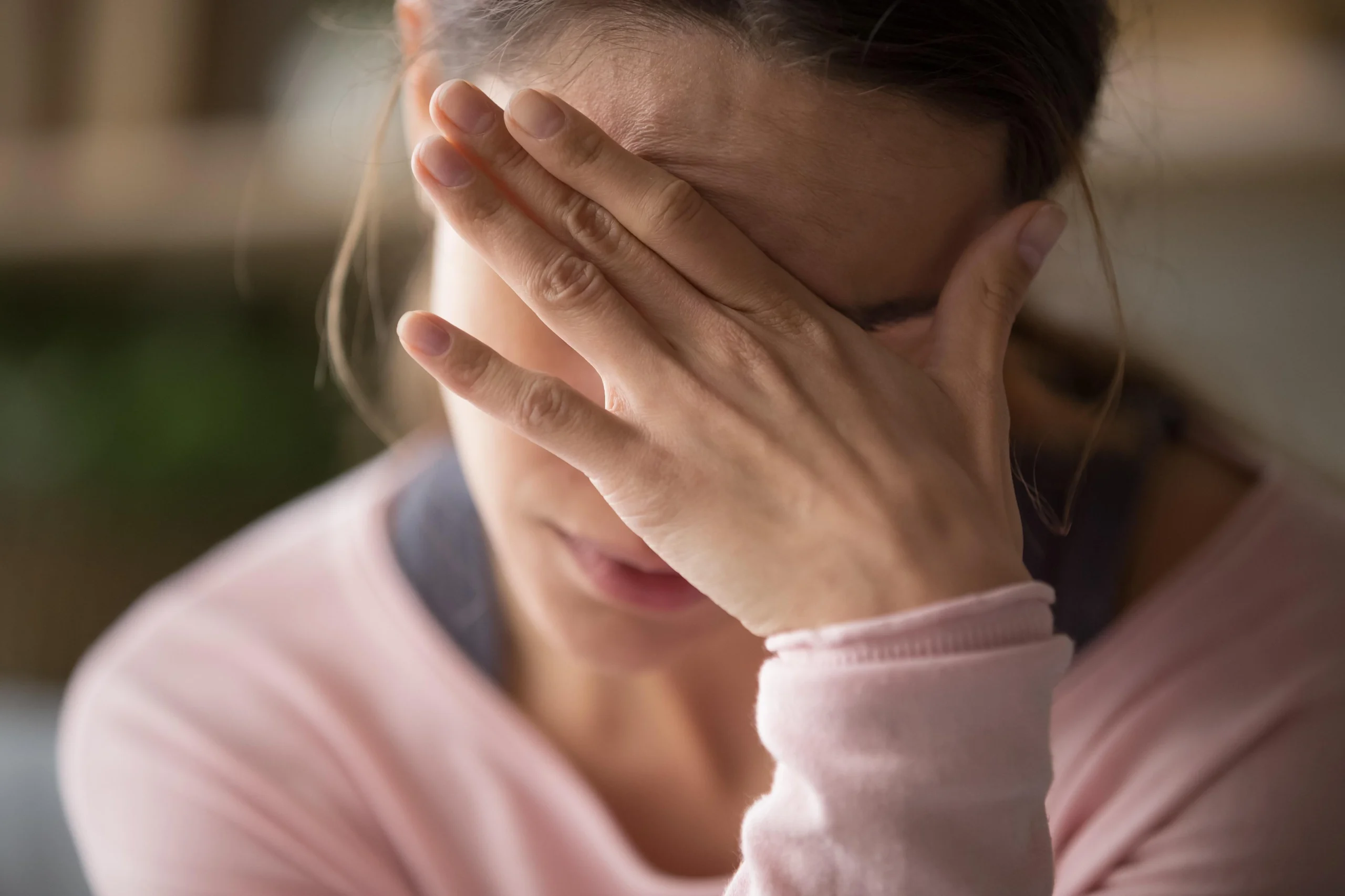
You feel exhausted. Your energy feels low. You may feel dizzy, cold, foggy, weak, breathless during simple activity, or notice more hair fall than usual. You know something does not feel right.
Then your blood test comes back and you are told, "Your haemoglobin is normal."
But your ferritin is low.
So now you are confused.
If haemoglobin is normal, does low ferritin matter? Can you still be iron deficient? Can low ferritin make women feel tired even without anaemia?
The answer is: yes, it can matter.
Normal haemoglobin means your blood may still be carrying oxygen within the expected range. But low ferritin can mean your stored iron is running low. In simple terms, your body may not yet be anaemic, but your iron reserve may already be depleted.
That is why many women feel unwell before anaemia officially appears.
Ferritin vs Haemoglobin: What Is the Difference?
Ferritin and haemoglobin are related to iron, but they do not measure the same thing.
Haemoglobin is the protein in red blood cells that helps carry oxygen around the body. When haemoglobin is low, it usually points towards anaemia.
Ferritin is different.
Ferritin reflects stored iron. It gives a picture of how much iron your body has saved for future use.
Think of haemoglobin as the money in your wallet and ferritin as the money in your savings account. Your wallet may still have enough for today, but your savings may be almost empty.
That is why a woman can have normal haemoglobin but low ferritin. Her body may still be maintaining oxygen transport, but her iron stores may be too low for her to feel well.
The protein in red blood cells that carries oxygen. When low, it signals anaemia. This is what most standard blood tests report on first.
Your stored iron. It shows how much iron your body has in reserve. It can drop long before haemoglobin falls — causing symptoms without anaemia.
What Is Iron Deficiency Without Anaemia?
Iron deficiency without anaemia means your iron stores are low, but your haemoglobin has not dropped below the anaemia range.
This can happen in stages.
First, the body uses stored iron. Ferritin drops. Then, if the deficiency continues, the body may struggle to make enough healthy red blood cells. Haemoglobin can eventually fall, leading to iron deficiency anaemia.
But symptoms may start before that final stage.
This is why some women feel exhausted, dizzy or mentally foggy even when their full blood count looks "normal".
The issue is not imaginary.
It may simply be that the usual blood test summary did not fully explain the difference between iron stores and anaemia.
Can Low Ferritin Make You Tired if Haemoglobin Is Normal?
Low ferritin may contribute to fatigue even when haemoglobin is normal.
Iron is not only important for red blood cells. It also plays a role in energy production, muscle function, brain function and overall physical performance.
When iron stores are low, some women describe feeling like their body is running on reserve.
They may sleep but wake up tired. They may feel drained after normal tasks. Exercise may feel harder. Concentration may become difficult. They may feel unusually low, irritable or mentally slow.
Of course, fatigue can have many causes.
Poor sleep, thyroid problems, vitamin B12 deficiency, vitamin D deficiency, stress, depression, long work hours, pregnancy, postpartum recovery, infections and other health conditions can all cause tiredness.
But low ferritin is one possible piece of the puzzle, especially in women with heavy periods, recent childbirth, low iron intake or a history of iron deficiency.
Symptoms of Low Ferritin Without Anaemia
Low ferritin symptoms can be vague, which is why they are often dismissed.
Some women may experience:
Not every woman will have all these symptoms. Some may have very few. Others may feel strongly affected.
Symptoms also do not prove that low ferritin is the only cause. They simply suggest that iron stores should be discussed properly with a healthcare provider.
If dizziness is one of your symptoms, Satynmag's article Feel Dizzy When Standing Up? A Simple Health Guide for Women may be a useful extra reading option.
Women should not have to wait until haemoglobin drops before their exhaustion is taken seriously.Low Ferritin Normal Haemoglobin — Satynmag
Why Women Are More Likely to Have Low Ferritin
Women are more likely to have low ferritin for several reasons.
Heavy periods are one of the most common. Monthly blood loss can gradually reduce iron stores, especially if bleeding is heavy, prolonged or accompanied by clots.
Pregnancy can also reduce iron stores because the body needs more iron to support the growing baby and increased blood volume.
After childbirth, blood loss, breastfeeding, disrupted meals and recovery demands may all affect energy and nutrient status.
Diet matters too.
Women who eat little red meat, follow vegetarian or vegan diets, skip meals, diet frequently or have limited food variety may not get enough absorbable iron.
Absorption problems can also contribute. Coeliac disease, inflammatory bowel conditions, gastritis, some gut surgeries and certain medicines that reduce stomach acid may affect how well the body absorbs iron.
Frequent blood donation, endurance exercise and chronic inflammation can also play a role.
This is why low ferritin should not be treated as a random number. The reason behind it matters.
Tired but Normal Blood Test: What Might Be Missing?
Many women are told their blood test is normal because haemoglobin is normal.
But sometimes ferritin was not checked. Sometimes it was checked, but the result was not explained. Sometimes it is marked "within range" but still low for that person's symptoms and context.
This can be confusing.
A standard full blood count may show haemoglobin, red blood cell size and other markers. But it may not show iron stores unless ferritin or iron studies are ordered.
If you feel tired but your blood test was called normal, ask:
- Was ferritin checked?
- What was the ferritin number?
- Was transferrin saturation checked?
- Was CRP or inflammation considered?
- Was vitamin B12 checked?
- Was thyroid function checked?
- Was vitamin D checked?
- Could heavy periods be contributing?
- Could diet or absorption be part of the issue?
The goal is not to self-diagnose. The goal is to understand what was actually tested.

What Ferritin Level Is Considered Low?
Ferritin ranges vary by laboratory, country, age, pregnancy status and medical context.
Some guidelines define very low ferritin at a lower cut-off, while many clinicians consider iron deficiency more likely when ferritin drops below a higher threshold, especially if symptoms are present.
There is also an important complication: ferritin can rise during inflammation or infection.
That means a ferritin result can sometimes look normal even when iron availability is not ideal, especially if there is an inflammatory condition. This is why doctors may look at ferritin alongside other tests such as transferrin saturation, full blood count and inflammatory markers.
Do not interpret ferritin in isolation. The number matters, but so does the full clinical picture.
Can Low Ferritin Cause Hair Fall?
Low ferritin may be one of several possible contributors to hair shedding.
Hair growth is sensitive to stress, hormones, illness, postpartum changes, thyroid problems, nutrition and iron status. Some women notice increased shedding when ferritin is low, especially if fatigue, heavy periods or other deficiency symptoms are also present.
However, hair fall is rarely caused by one factor alone.
If your hair is shedding more than usual, it is worth checking iron stores, thyroid function, vitamin levels, recent illness, stress, postpartum status and hair care habits.
For a broader guide, read Satynmag's article Hair Fall Reasons and Hair Care Tips.
Do not start strong supplements only because of hair fall. Get the cause checked first.
Why Haemoglobin Can Stay Normal for a While
The body is clever.
When iron intake is low or iron loss is high, it may first use stored iron to keep essential functions going. That means ferritin can fall before haemoglobin falls.
This is one reason women can feel something is wrong before anaemia appears.
The body may be compensating, but compensation is not the same as optimal health.
If low ferritin is ignored, it can progress over time, especially if the cause continues. Heavy menstrual bleeding, poor intake or absorption issues do not usually correct themselves without attention.
The earlier stage is often the best time to ask questions and act carefully.
What Causes Low Ferritin With Normal Haemoglobin?
Common causes include blood loss, low iron intake and poor absorption.
For women, heavy or frequent periods are one of the biggest causes. If you change pads or tampons very often, pass large clots, bleed for more than a week or feel wiped out after your period, mention this clearly to your doctor.
Pregnancy and postpartum recovery can also lower iron stores.
Dietary causes may include low intake of iron-rich foods, especially if meals are irregular or heavily restricted.
Absorption causes may include coeliac disease, inflammatory bowel conditions, gut surgery or long-term digestive issues.
Frequent blood donation may also lower ferritin.
In some cases, unexplained low ferritin needs further medical review to rule out hidden blood loss or other health conditions.
Do not assume it is only diet, especially if your ferritin stays low despite treatment.
What Should You Ask Your Doctor?
If you have low ferritin and normal haemoglobin, take the result seriously but calmly.
You can ask:
- "What is my ferritin level exactly?"
- "Is this low for my symptoms?"
- "Do I have iron deficiency without anaemia?"
- "Should we check transferrin saturation or other iron studies?"
- "Could my periods be causing this?"
- "Should we check thyroid, B12 or vitamin D as well?"
- "Do I need iron supplements, and what dose is safe for me?"
- "How long should I take them?"
- "When should I repeat blood tests?"
- "What symptoms would need urgent attention?"
- "Should we investigate absorption or blood loss?"
These questions help turn a confusing lab result into a proper health conversation.
Should You Take Iron Supplements?
Iron supplements can help when true iron deficiency is present, but they should be taken under medical guidance.
Iron is useful when needed, but too much iron can be harmful. It can also cause side effects such as constipation, nausea, stomach pain or dark stools.
The right supplement, dose and schedule depend on your ferritin level, symptoms, medical history, pregnancy status, other medicines and the reason for the deficiency.
Some people absorb iron better when it is taken away from tea, coffee, calcium supplements or dairy. Vitamin C may help absorption of non-haem iron. But individual advice matters.
Do not take high-dose iron for months without follow-up blood tests.
The goal is to restore iron stores safely, not guess indefinitely.
Food Sources That Support Iron Stores
Food alone may not always correct low ferritin quickly, especially if levels are very low or blood loss continues. But diet still matters.
Haem iron, found in animal foods such as red meat, poultry and fish, is usually absorbed more easily.
Non-haem iron, found in plant foods, can still be valuable. Sources include:
- Lentils, beans and chickpeas
- Tofu and tempeh
- Spinach and dark leafy greens
- Pumpkin seeds and sesame seeds
- Fortified cereals and oats
Pairing plant iron with vitamin C can help. For example, add lemon to dhal, eat fruit with iron-rich meals, or include peppers, tomatoes, guava or oranges.
Try not to drink tea or coffee immediately with iron-rich meals if you are trying to improve absorption.
A balanced approach is better than panic eating one "iron food".

When Low Ferritin May Not Be the Whole Answer
Low ferritin can matter, but it may not explain every symptom.
A woman can have low ferritin and also have thyroid issues, poor sleep, stress, hormonal changes, vitamin B12 deficiency, vitamin D deficiency, anxiety, depression, chronic inflammation, perimenopause or another condition.
This is why diagnostic curiosity is important.
Do not let one result become the whole story.
If you treat low ferritin and still feel exhausted, follow up. If symptoms are severe, worsening or unusual, ask for a broader review.
Your body may be giving more than one signal.
When to Seek Medical Help Quickly
Seek medical advice promptly if you have extreme tiredness, fainting, chest pain, shortness of breath at rest, rapid heartbeat, black stools, unexplained weight loss, severe weakness or very heavy bleeding.
Also speak to a doctor if you are pregnant, recently gave birth, have heavy periods, have gut symptoms, or have low ferritin that keeps returning.
If your periods are heavy enough to affect your daily life, do not normalise them. Heavy bleeding is a medical issue, not just something women must quietly tolerate.
Low ferritin may be the clue that your body has been losing more iron than it can replace.
How Long Does It Take to Feel Better?
Some women feel improvement after a few weeks of proper treatment. For others, it takes longer.
Ferritin stores often take time to rebuild. Even if haemoglobin is normal, replenishing iron reserves may require consistency and follow-up.
Your doctor may suggest repeating blood tests after a certain period to see whether ferritin is rising.
If ferritin does not improve, the next question is why.
- Are you taking the supplement correctly?
- Is the dose right?
- Are periods still very heavy?
- Is absorption poor?
- Is there ongoing blood loss?
- Is another condition involved?
Treatment is not only about taking iron. It is about finding and fixing the reason iron stores became low.
A Simple Way to Understand Your Result
Here is a simple way to think about it.
- Normal haemoglobin means you may not have anaemia.
- Low ferritin means your iron stores may be low.
- Low ferritin with normal haemoglobin may mean early iron deficiency or iron deficiency without anaemia.
- Symptoms such as fatigue, dizziness, hair fall and brain fog can happen before haemoglobin falls.
- The cause should be investigated, especially in women with heavy periods, pregnancy history, postpartum recovery, low iron intake or gut symptoms.
- Treatment should be guided by a healthcare professional.
This is the middle ground many women need to hear.
You are not necessarily seriously ill, but you are also not imagining your exhaustion.
Final Thought
Low ferritin normal haemoglobin is a result many women find confusing because it sits between "normal" and "not quite right".
You may not have anaemia. But your iron stores may still be low enough to affect how you feel.
That is why it is worth asking better questions.
What is my ferritin number? Was it interpreted alongside my symptoms? Could my periods, diet, pregnancy history, postpartum recovery or absorption be involved? Do I need treatment? When should we recheck?
Women should not have to wait until haemoglobin drops before their exhaustion is taken seriously.
If you feel tired, dizzy, foggy or notice hair fall while your ferritin is low, speak to a healthcare professional and ask for the full picture.
For more women-focused health and wellness articles, visit Satynmag's Health & Wellness section.
You are not necessarily seriously ill, but you are also not imagining your exhaustion. Low ferritin with normal haemoglobin is a real, recognised stage of iron deficiency — and it deserves proper attention.
If you feel tired, dizzy or foggy — your ferritin matters. Ask for the full picture.
Women should not have to wait until haemoglobin drops before their exhaustion is taken seriously. Speak to a healthcare professional and ask the right questions.