
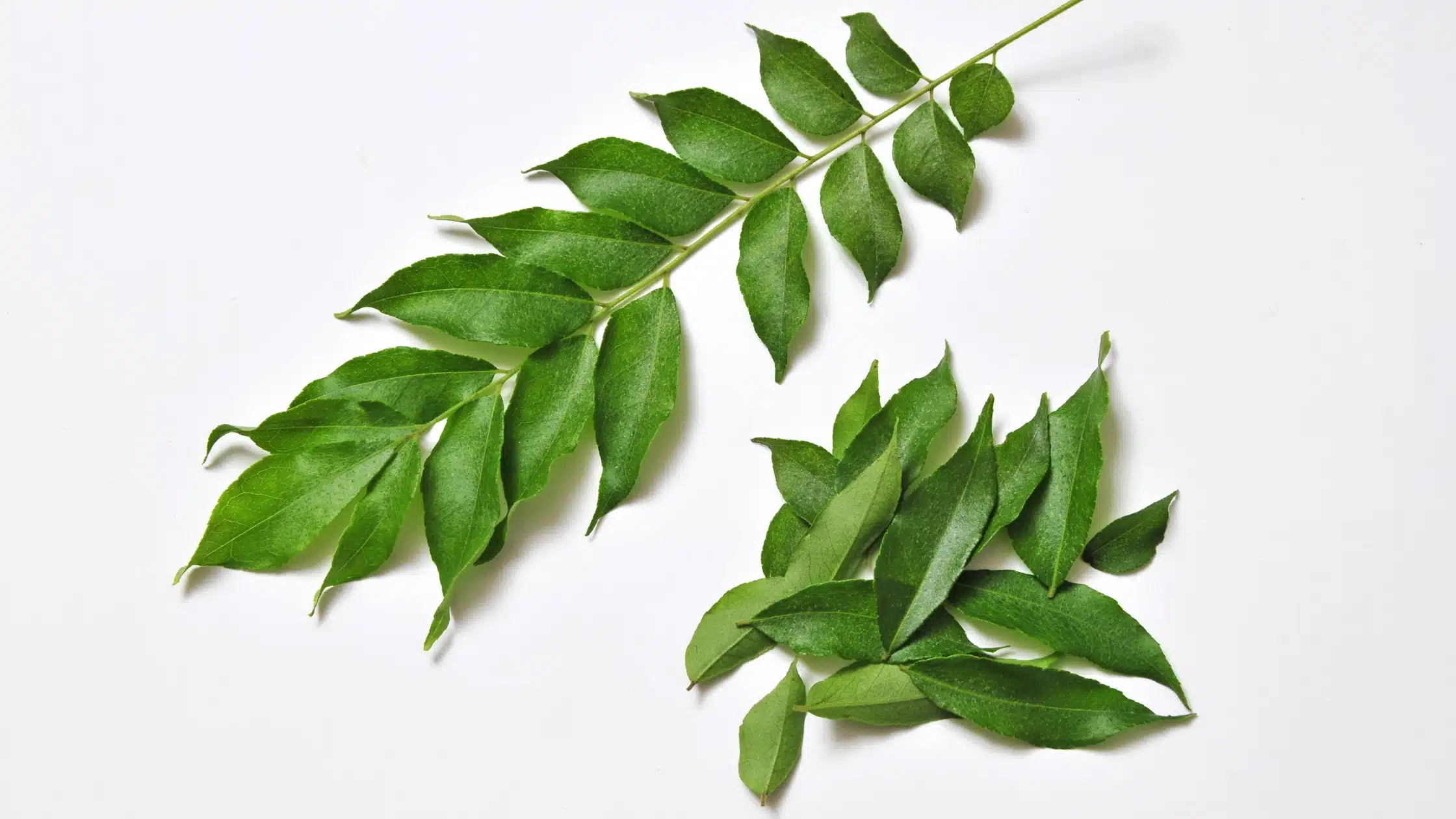
Curry Leaf Recipes do not have to begin and end with a traditional tempering.
These glossy green leaves are familiar in Sri Lankan and South Asian kitchens, where they are often added to hot oil with mustard seeds, onions, garlic or dried chillies. That technique is valuable, but it is only one way to use them.
Curry leaves can bring a warm, citrusy, slightly nutty aroma to rice, chicken, roasted vegetables, sauces, breads, lentils and even savoury breakfast dishes. They can be fried until crisp, blended into a green sauce, chopped into a marinade or crumbled into a seasoning.
For women cooking across different countries and food cultures, this makes curry leaves far more versatile than they first appear.
You do not have to cook only traditional curries to use them well. You simply need to understand when to add them, how much to use and which ingredients complement their distinctive fragrance.
Curry Leaf Recipes Begin With Understanding the Ingredient
Curry leaves are the leaves of the curry leaf tree. They are not the same thing as curry powder, and they do not taste like a ready-made spice blend.
Their flavour is aromatic rather than aggressively spicy. Fresh leaves can smell citrusy, savoury and slightly smoky when heated. They work especially well with coconut, lime, lemon, chilli, garlic, ginger, onions, mustard seeds, cumin, lentils, chickpeas, rice and chicken.
Traditionally, whole leaves are often fried briefly in oil to release their aroma. They may then remain in the dish and are generally edible, although some people prefer to move larger leaves aside while eating.
Sri Lankan cooking offers many examples of how a small number of fragrant ingredients can transform an everyday meal. Satynmag’s feature on Sri Lankan Traditional Cuisine and Recipes is a useful extra reading option for exploring that wider culinary tradition.
Fresh or Dried: Which Should You Use?
Fresh curry leaves usually give the strongest fragrance and most complete flavour.
Look for firm green leaves without excessive darkening or dryness. Remove them from the central stem, wash them and dry them thoroughly before adding them to hot oil. Wet leaves can cause the oil to splatter.
Fresh leaves can also be frozen. Place clean, dry leaves in a sealed freezer bag or container and take out only what you need.
Dried curry leaves are more convenient and easier to find in many countries, but their flavour is softer. Use roughly twice as many dried leaves as fresh leaves when adapting a recipe.
Dried leaves work best when they are warmed in oil, crushed into a spice mix or allowed to simmer in a moist dish. Adding one or two dried leaves at the very end may contribute very little flavour.
How Many Curry Leaves Should You Use?
The correct amount depends on the dish and the strength of the leaves.
- For a meal serving two to four people, six to ten fresh leaves create a mild background flavour. Twelve to twenty leaves give a more noticeable curry leaf character.
- For rice, lentils, vegetables or chicken, begin with eight to twelve fresh leaves.
- For pesto, chutney or curry leaf powder, you can use a larger handful because the leaves are intended to become a central flavour.
When using dried leaves, increase the quantity and crush them lightly between your fingers before cooking.
Curry leaves are aromatic rather than hot, but more is not always better. An excessive amount can make a delicate dish taste bitter or medicinal. Begin modestly and adjust the next time you cook.
Moving Beyond Traditional Tempering
Tempering remains one of the best ways to release the flavour of curry leaves, but it does not have to be used only for curry.
Heat a small amount of oil and add the leaves for several seconds until fragrant. That infused oil can then be used for scrambled eggs, roasted vegetables, pasta, soup, beans or a grain bowl.
You can also chop fresh leaves finely and add them to marinades, savoury batters and flatbread dough. Crisp leaves can be crushed over finished dishes in the same way you might use fried herbs or toasted seeds.
A practical guide to cooking with fresh curry leaves can also help beginners understand how heat releases their aroma.
Once you stop treating the leaves as something reserved for one regional dish, they become much easier to use creatively.
Recipe 1: Coconut and Lime Curry Leaf Rice
This is a simple way to turn leftover rice into a fragrant lunch or side dish.
You need: cooked rice, fresh curry leaves, grated or desiccated coconut, onion or spring onion, mustard seeds, green chilli, lime and oil.
Heat the oil and add mustard seeds. When they begin to pop, add eight to ten curry leaves, sliced onion and chilli.
Stir in the coconut, followed by the rice. Cook until everything is hot, then finish with lime juice and a little salt.
The result is light, fragrant and suitable alongside grilled vegetables, fish, chicken, tofu or a simple salad.
For added texture, include roasted cashews, peanuts or pumpkin seeds.
Recipe 2: Curry Leaf Pesto for Pasta, Toast or Roasted Vegetables
Curry leaf pesto is an easy way to use a generous bunch of fresh leaves.
Blend fresh curry leaves with coriander or parsley, toasted cashews, garlic, lemon juice, olive oil and a little hard cheese or nutritional yeast. Add enough oil to create a spoonable sauce.
Pure curry leaves can taste intense when blended, so combining them with another soft herb creates a more balanced result.
Use the pesto with pasta, spoon it over roasted cauliflower, spread it on toast or mix it into yoghurt for a quick dip.
This is not intended to imitate a classic Italian pesto. It is a flexible green sauce that uses the same practical idea: herbs, nuts, acidity and oil.
Recipe 3: Roasted Chickpeas and Vegetables With Crispy Curry Leaves
This vegetarian tray meal works well for lunch boxes and simple dinners.
Toss drained chickpeas, cauliflower, carrots or sweet potato with oil, cumin, paprika, black pepper and salt. Roast until the vegetables are tender and the chickpeas begin to crisp.
During the final five minutes, add a handful of curry leaves lightly coated in oil. They will become crisp and fragrant without burning.
Finish with lemon juice and serve with yoghurt, tahini sauce or flatbread.
Chickpeas and other pulses are practical ingredients for affordable, satisfying meals. For more ideas, read Satynmag’s article on the Goodness of Pulses.
Recipe 4: Curry Leaf Chicken With Garlic and Black Pepper
Curry leaves pair naturally with chicken, even when the finished dish is not a traditional curry.
Marinate bite-sized chicken with garlic, ginger, black pepper, lemon juice, salt and a little oil.
Heat a pan and add ten to twelve curry leaves. Once fragrant, add the chicken and cook until browned and fully cooked. Add sliced capsicum or green beans for colour and texture.
Finish with extra black pepper and a squeeze of lemon.
Serve it with rice, flatbread, potatoes or a fresh salad.
For a creamier version, add a small amount of coconut milk near the end. For a drier version, allow the chicken to cook until the marinade becomes a light coating.
Recipe 5: Savoury Curry Leaf Oats
Oats do not always have to be sweet.
Cook rolled oats with water or stock until soft. In a separate pan, heat a little oil with curry leaves, cumin seeds, chopped onion, tomato and chilli.
Stir the aromatic mixture into the oats and finish with lemon, black pepper and fresh herbs.
You can add peas, spinach, a boiled egg, tofu or leftover vegetables to make it more substantial.
This breakfast is warm, quick and especially useful for women who prefer savoury morning meals over smoothies or sweet cereal.
Recipe 6: Curry Leaf Salt for Eggs, Chips and Popcorn
Curry leaf salt is one of the simplest ways to keep the flavour ready for everyday use.
Fry or dry-roast fresh curry leaves gently until crisp. Allow them to cool completely, then grind them with sea salt, black pepper and optional chilli flakes.
Store the mixture in a dry, airtight jar.
Sprinkle it over eggs, roast potatoes, homemade chips, popcorn, avocado toast or grilled corn.
You can also mix it with toasted sesame seeds or crushed dried garlic. It becomes a quick finishing seasoning rather than an ingredient that requires a full recipe.
Using Dried Curry Leaves Successfully
Dried curry leaves need a little more help than fresh ones.
Warm them in oil before adding onions, garlic or vegetables. This gives the dried leaves time to release their remaining aroma.
For soups, dhal and stews, crumble them slightly and add them earlier so they can soften and flavour the liquid.
For dry seasonings, toast them gently and grind them with salt, chilli, cumin or sesame seeds.
Avoid assuming that dried curry leaves will behave like dried oregano or thyme. They are usually less effective when scattered raw over a finished dish.
When dried leaves have almost no fragrance left in the packet, they are unlikely to add much to the meal. Replace them rather than compensating with a very large quantity.
The Best Ingredients to Pair With Curry Leaves
Curry leaves work particularly well with ingredients that provide richness, acidity or warmth.
Coconut milk and grated coconut soften their sharper aromatic notes. Lemon, lime and tomato add freshness. Mustard, cumin and black pepper build warmth without hiding the leaves.
For vegetarian dishes, use them with lentils, beans, chickpeas, tofu, aubergine, pumpkin, potatoes and leafy greens.
For non-vegetarian cooking, they pair well with chicken, fish, prawns and eggs.
They can also bring interest to neutral foods such as rice, oats, bread, yoghurt and potatoes.
The goal is not to make every dish taste like a curry. It is to use the leaves as an aromatic herb with its own character.
Common Mistakes to Avoid
- Do not confuse curry leaves with curry powder.
- Do not add wet leaves directly to very hot oil.
- Do not burn them. They need only a brief fry before other ingredients are added.
- Do not expect one or two dried leaves to flavour a large pot.
- Do not overwhelm a delicate dish with an entire handful before learning how strong your leaves are.
Most importantly, do not save them only for one recipe. Use them in rice one week, chicken the next and a green sauce or seasoning after that.
This is how an unfamiliar ingredient becomes part of your normal cooking.
Curry Leaf Recipes can be traditional, modern or somewhere comfortably between the two
The leaves can flavour coconut rice, roasted chickpeas, chicken, savoury oats, pesto and everyday seasoning. Fresh leaves offer the strongest fragrance, while dried leaves work best when warmed, crumbled or simmered.
Begin with eight to twelve fresh leaves for a family-sized dish, adjust according to taste and allow heat to release their aroma.
Curry leaves belong to a rich Sri Lankan and South Asian culinary history, but their potential is global. Once you understand their flavour, they can move easily into the food you already cook.
For more ingredient guides, recipes and everyday meal inspiration, explore Satynmag’s Food section.