
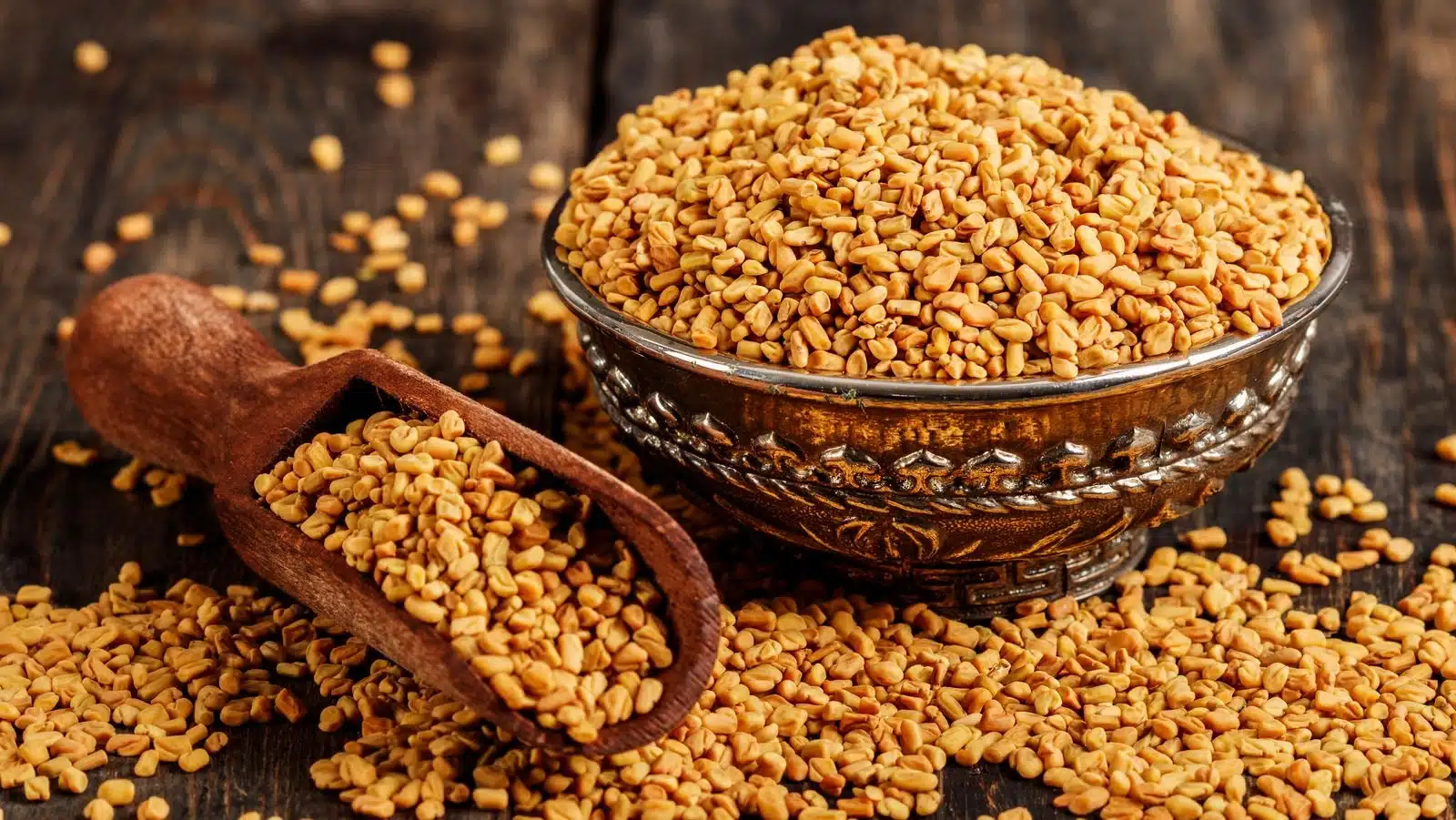
Fenugreek Seeds for Blood Sugar have become a popular wellness search among women who want simple, food-based ways to improve their daily habits.
The small golden-brown seeds, also called methi seeds/ulu-haal/Vendhayam in parts of South Asia, are used in many cuisines for their nutty, slightly bitter flavour. They appear in spice mixtures, pickles, vegetable dishes, flatbreads and traditional drinks.
Today, however, fenugreek is often presented as much more than a cooking ingredient.
Social media posts suggest drinking soaked seeds on an empty stomach, swallowing the water before breakfast, applying homemade pastes to the scalp or taking concentrated capsules for weight loss. Some claims are based on traditional use. Others take early research and turn it into a much bigger promise.
The most studied modern question concerns blood sugar.
Research suggests fenugreek may have a supportive role in glucose management, particularly in people with type 2 diabetes or prediabetes. But that does not make it a natural replacement for medication, balanced meals, movement or professional care.
The useful question is therefore not, “Is fenugreek a miracle ingredient?”
It is, “How can women use it sensibly while understanding what the evidence can and cannot prove?”
What Fenugreek Seeds Actually Are
Fenugreek is a herb from the legume family. Its leaves can be eaten as a vegetable or herb, while the dried seeds are used as a spice and traditional remedy.
The seeds contain fibre, protein and several minerals. Their natural soluble fibre is one reason researchers have been interested in their possible relationship with digestion and the rate at which carbohydrates are absorbed.
Whole fenugreek seeds are hard and strongly flavoured. Soaking softens them, while roasting reduces some of their bitterness and creates a warmer aroma.
Fenugreek can be used in ordinary food amounts without turning every meal into a wellness experiment. A small quantity can flavour lentils, vegetable curries, rice dishes, soups, bread dough and spice blends.
This food-first use is different from consuming several spoonfuls of seed powder or a concentrated extract every day.
The form and amount matter.
Fenugreek Seeds for Blood Sugar: What the Research Suggests
Some clinical trials and research reviews have found improvements in fasting blood glucose, post-meal glucose or HbA1c among people consuming fenugreek preparations.
HbA1c is a blood test that reflects average blood glucose over approximately two to three months. It is different from one fasting reading taken on a single morning.
The encouraging results have mainly come from studies involving people with type 2 diabetes or prediabetes. They do not automatically prove that fenugreek will prevent diabetes or create a meaningful benefit in every healthy adult.
There is another limitation.
Studies have used very different forms and amounts, including whole seeds, powder, soaked preparations and extracts. Some have used amounts far greater than those normally added to food.
This makes it difficult to identify one ideal preparation or universal dose.
Fenugreek may support a wider blood-sugar plan, but it should not become the whole plan. Meal composition, sleep, movement, body weight where relevant, stress, medicines and overall dietary patterns remain more important than one seed.
Reducing frequent sugary drinks may also make a greater difference than adding another supplement to an unchanged routine. Satynmag’s article on the Global Health Impact of Sugar-Sweetened Beverages offers useful additional context.
Why Fenugreek May Affect Glucose
Fenugreek’s fibre may slow digestion and change how quickly carbohydrates enter the bloodstream.
That is one possible reason researchers have observed changes in post-meal or fasting glucose in some studies.
However, the effect of a high-fibre seed cannot be separated entirely from the meal around it.
Adding fenugreek to a meal built around vegetables, legumes, protein and an appropriate portion of carbohydrates is different from consuming fenugreek water beside a meal high in refined flour and added sugar.
Women interested in steadier energy should look at the full plate.
A practical meal might include vegetables, dhal or another protein source, a modest serving of rice, and fenugreek incorporated into the seasoning. Traditional grains can add variety, but they still need sensible portions and balanced accompaniments. For a Sri Lankan perspective, read Heirloom Rice: The Latest Wellness Power of Sri Lanka.
The ingredient should support a balanced pattern rather than distract from it.
Soaked Fenugreek Seeds: Useful Habit or Internet Hype?
Soaking fenugreek seeds overnight softens them and may make them easier to chew or incorporate into food.
It does not turn the water into a guaranteed blood-sugar treatment.
A typical home method involves soaking a small amount of clean seeds in water overnight, then draining or consuming them the following morning. Some people drink the soaking water as well.
The problem begins when this ordinary preparation is promoted as a cure.
There is no strong evidence that soaking creates a uniquely powerful effect that cannot be achieved by using fenugreek in food. Research has examined several preparations, but it has not established that overnight water is the best choice for every woman.
The soaked seeds can taste very bitter and may cause nausea, bloating or diarrhoea in some people.
A more enjoyable option may be to add a small quantity to savoury oats, lentil dishes, vegetable preparations or homemade bread rather than forcing down bitter water every morning.
Should You Take Fenugreek on an Empty Stomach?
There is no universal requirement to take fenugreek on an empty stomach.
Some online routines recommend consuming soaked seeds before breakfast because it appears more disciplined or medicinal. But an empty stomach does not guarantee better absorption or stronger results.
For women who experience nausea, acidity or digestive discomfort, taking concentrated fenugreek before food may be unpleasant.
Using it with a meal may feel gentler and place the ingredient where it makes the most practical sense: alongside carbohydrates and fibre-rich food.
Women who take glucose-lowering medication should be particularly careful with strong fenugreek preparations. Combining them may cause blood glucose to fall more than expected.
The correct timing cannot be decided by a viral morning routine. It depends on the product, amount, medication and individual health context.
What Fenugreek Benefits for Women Are Realistic?
Fenugreek is often promoted specifically to women for blood sugar, menstrual discomfort, milk production, weight management and beauty.
The evidence is not equally strong across these claims.
Its possible influence on glucose has received meaningful research attention, although study quality remains mixed.
Evidence concerning menstrual discomfort is limited. Research on increasing breast milk supply has produced mixed results, and safety information for amounts greater than food use during breastfeeding remains incomplete.
Women should also distinguish between using fenugreek as a spice and using it as a supplement.
Adding a pinch to a family meal is not the same as taking capsules or multiple spoonfuls of powder.
This distinction becomes particularly important during pregnancy. Culinary quantities may be part of normal food traditions, but larger medicinal or supplemental amounts are not considered safe during pregnancy.
“Natural” does not mean appropriate for every life stage.
Can Fenugreek Seeds Help With Weight Loss?
Fenugreek is not a proven shortcut for weight loss.
Its fibre may contribute to fullness, and some studies have explored possible effects on appetite, body weight or waist measurements. Results are not consistent enough to promise significant weight reduction from fenugreek alone.
It may be useful only in an indirect way.
For example, adding fibre-rich ingredients to meals may help some women feel satisfied for longer. Using a strongly flavoured spice can also make simple dishes more enjoyable without relying on sugary sauces.
But drinking fenugreek water while leaving the rest of the diet unchanged is unlikely to transform body weight.
Weight management depends on the broader pattern: portions, overall energy intake, food quality, movement, sleep, stress and medical factors.
A seed can be part of that pattern. It cannot replace it.
Hair and Skin Claims Need More Honesty
Fenugreek pastes and rinses have a long history in home beauty traditions.
Seeds are soaked, ground and mixed into scalp masks, while some women use them in homemade facial treatments.
These practices may make hair feel coated, soft or easier to detangle. A paste can also feel soothing simply because it adds moisture.
That does not prove fenugreek treats hair loss, stimulates follicles or cures a skin condition.
Strong human evidence for common hair-growth and skincare claims remains limited. Hair shedding can be linked to iron deficiency, thyroid conditions, postpartum changes, hormonal shifts, stress, illness or nutritional issues. A homemade mask will not address those causes.
Topical fenugreek may also irritate sensitive skin or trigger an allergic reaction.
Patch-test a small area first, avoid broken skin, and stop if you experience burning, swelling, itching or a rash.
Beauty traditions can be enjoyable, but they should not delay proper evaluation of persistent hair or skin changes.
What About Kidney Benefits?
Fenugreek has traditionally been promoted for kidney-related concerns, but there is not enough high-quality evidence to describe it as a kidney treatment.
A small clinical trial in people with type 2 diabetes examined kidney and liver markers alongside blood sugar. That is not the same as proving fenugreek cleanses, repairs or protects the kidneys.
Women with chronic kidney disease should not begin herbal supplements based on general wellness claims.
Kidney conditions may require restrictions or careful management of fluids, minerals and medicines. A concentrated botanical product can also interact with treatment or make side effects harder to interpret.
Use fenugreek as food when appropriate, but do not label it a kidney remedy without individual medical guidance.
A Practical Food-First Way to Use Fenugreek
Fenugreek’s bitterness means a little can go a long way.
Try one of these simple approaches:
- Lightly toast the seeds and grind a small quantity into a spice mix.
- Add a pinch to dhal, chickpea dishes or bean stews.
- Include a small amount in vegetable curries, pumpkin dishes or sautéed greens.
- Mix fenugreek powder into savoury flatbread dough.
- Add soaked seeds sparingly to a sprouted salad after preparing them safely.
- Use fresh or dried fenugreek leaves in soups, sauces or grain dishes when available.
The aim is flavour and dietary variety, not the largest possible dose.
When introducing it for the first time, begin with small culinary amounts. This helps you understand the taste and how your digestive system responds.
Who Should Be Especially Careful?
Fenugreek in ordinary food quantities is generally considered acceptable for most adults.
Larger quantities and supplements require more caution.
Speak with a qualified healthcare professional before using concentrated fenugreek when you:
- Take diabetes medication.
- Use other supplements intended to lower blood sugar.
- Are pregnant or trying to conceive.
- Are breastfeeding and considering more than culinary quantities.
- Have a history of serious food or herb allergies.
- Have kidney or liver disease.
- Take several prescription medicines.
- Experience recurrent unexplained low blood sugar.
Possible side effects include nausea, diarrhoea and other digestive symptoms. Large amounts may lower blood glucose excessively, and allergic reactions can occur.
Also remember that supplements vary in strength and purity. A capsule containing a concentrated extract cannot be treated as equivalent to a few seeds cooked into a meal.
Do Not Use Fenugreek to Explain Every Symptom
Women sometimes begin experimenting with herbs because they feel tired, shaky, dizzy or unusually hungry.
Those symptoms do not automatically mean blood sugar is the problem.
Dizziness may also relate to dehydration, low blood pressure, iron deficiency, medication, illness or several other causes. Satynmag’s guide on Feeling Dizzy When Standing Up explains why recurring symptoms deserve proper attention.
If you are concerned about glucose, use reliable testing rather than symptoms alone.
A clinician may consider fasting blood glucose, HbA1c and your broader health history. One reading from a home device should also be interpreted within context.
Do not stop prescribed medicine or change its dose after adding fenugreek unless the clinician managing your treatment advises it.
The Smarter Way to Judge a Fenugreek Routine
Ask five questions before following an online recommendation.
- Is this a normal food amount or a concentrated supplement?
- Was the claimed benefit studied in humans?
- Were the participants similar to me?
- Does the routine conflict with my medication or life stage?
- Is the claim promising support, or pretending to offer a cure?
These questions help separate a sensible food habit from wellness marketing.
Fenugreek is most believable when discussed as a traditional ingredient with possible metabolic benefits and clear limitations.
It becomes less believable when one preparation is claimed to control blood sugar, create weight loss, regrow hair, transform skin and cleanse the kidneys at the same time.
Fenugreek Seeds for Blood Sugar?
Fenugreek Seeds for Blood Sugar may have a useful supporting role, particularly for some people with type 2 diabetes or prediabetes.
But the evidence does not justify treating soaked seeds, powder or supplements as a substitute for proper testing, prescribed treatment or a balanced diet.
For most women, the most practical starting point is culinary use: small quantities in lentils, vegetables, grains or bread. There is no proven need to take the seeds on an empty stomach, and overnight soaking does not create a miracle drink.
Claims about weight loss, hair, skin and kidney health should be approached with greater caution because the evidence is weaker or incomplete.
Enjoy fenugreek as an interesting ingredient. Respect it as a biologically active herb. But do not ask one seed to do the work of an entire health routine.


