
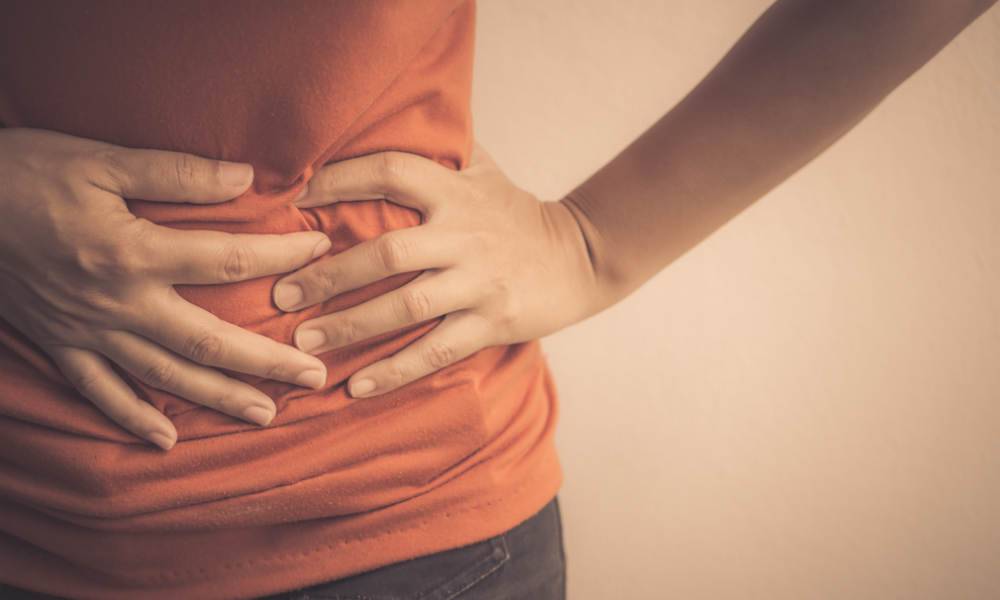
You get dressed in the morning and everything feels fine. Your stomach looks relatively flat, your trousers button comfortably and you do not give your digestion a second thought.
Then evening arrives.
Suddenly the same waistband feels tighter. Your stomach looks rounder, you feel heavy after dinner and you may even wonder how your body could have changed so much in a few hours.
If you are regularly bloated at night but wake up feeling normal again, you are certainly not imagining the difference. Our abdomens naturally change during the day as we eat, drink, digest food, produce gas and move waste through the bowel.
Often, that evening change is simply digestion doing what digestion does.
But when the bloating becomes uncomfortable, happens almost every day or appears alongside other symptoms, it is worth looking more closely at the pattern.
First, Your Morning Stomach Is Not Your “Real” Stomach
This is worth saying before we discuss food.
Your stomach does not need to look exactly the same at 8 a.m. and 8 p.m.
In the morning, you have usually gone several hours without eating. By evening, you may have had breakfast, lunch, snacks, several drinks and dinner. There is simply more food, fluid and digestive material moving through your body.
Gas also builds naturally during digestion.
So if your stomach looks a little rounder after a full day of eating, that does not mean you gained body fat between breakfast and dinner.
For anyone who has started judging her evening body against her morning reflection, this distinction matters. A body that has been fed throughout the day will often look different from one that has just spent eight hours asleep.
The better question is not, “Why isn’t my stomach perfectly flat?”
It is, “Is this change comfortable and predictable, or is something repeatedly making me feel unwell?”
The Most Obvious Clue May Be What Happens After You Eat
Notice when the swelling begins.
If you feel comfortable after breakfast but increasingly full after lunch and dinner, look at how much, how quickly and what you are eating.
Eating very quickly can mean swallowing more air. Fizzy drinks, chewing gum and drinking through straws can also increase swallowed air for some people.
Large meals naturally stretch the stomach more than smaller ones.
Certain carbohydrates are also fermented by bacteria in the large intestine, producing gas along the way. Beans, lentils, onions, garlic and some fruits and grains can therefore make certain people noticeably gassier.
That does not make these foods unhealthy.
In fact, many are excellent sources of fibre and nutrients. The problem may be portion size, suddenly increasing fibre or your individual digestive tolerance.
A woman who rarely eats legumes, for example, may feel very different after suddenly eating an enormous chickpea salad every day.
Make changes gradually rather than deciding that every nutritious food causing temporary gas needs to disappear from your diet.
Why Am I Bloated at Night? Sometimes the Problem Is Not Dinner at All
When bloating appears at night, it is easy to blame whatever you ate for dinner.
But your digestive system has been working all day.
Lunch may be the meal contributing most. A very salty restaurant lunch may leave you feeling puffy later. Milk at breakfast may matter if you do not tolerate lactose well. A large quantity of beans at midday may produce gas several hours afterwards.
This is why food detective work needs a little patience.
Try noting meals and symptoms for a week rather than reacting to one uncomfortable evening.
Write down roughly what you ate, when the bloating started, whether you opened your bowels that day and where you were in your menstrual cycle.
Patterns are much more useful than guesses.
And try not to turn the exercise into a hunt for “bad foods”. Traditional carbohydrates can still fit comfortably into a balanced diet. Our feature on heirloom rice and Sri Lanka’s traditional grains is a useful reminder that the whole meal matters more than treating one ingredient as either perfect or problematic.
Constipation Can Make the Evening Difference Much Bigger
This is one of the easiest causes to overlook.
You do not have to be completely unable to go to the toilet to be constipated.
If bowel movements are less frequent than usual, stools are hard, you strain or you constantly feel that you have not emptied properly, stool can remain in the colon longer.
Add a full day of food and gas on top of that and your abdomen may feel increasingly uncomfortable by evening.
Think about whether your night-time bloating improves after a good bowel movement.
If it does, constipation may be playing a larger role than the individual foods you are blaming.
Regular movement, enough fluid and appropriate fibre can help many people, but do not suddenly double your fibre intake in an attempt to fix things overnight. Increasing fibre too quickly can create even more gas.
Your Menstrual Cycle Can Change the Pattern
There are weeks when you can eat your usual meals and feel completely comfortable.
Then suddenly those same trousers feel tight before dinner.
Hormones may be part of the explanation.
Bloating is a common PMS symptom. Changes in oestrogen and progesterone can affect both fluid retention and how food moves through the digestive tract.
That means the bloating you notice before your period may not behave exactly like ordinary food-related gas.
Track it for two or three cycles.
If the same swollen, heavy feeling repeatedly appears in the days before your period and settles again afterwards, the timing itself tells you something useful.
You may also notice constipation, changes in appetite or bowel habits happening at the same stage of your cycle.
Understanding the pattern can save you from unnecessarily removing half your normal diet every month.
Perimenopause Can Make an Old Problem Feel New
Another common experience is: “I never used to get bloated like this.”
Then it begins in your forties.
Hormonal fluctuations during perimenopause can influence digestion and fluid retention, so some people notice more abdominal fullness, gas or changing bowel habits during this stage.
But do not assume every new symptom after 40 is “just hormones”.
If the bloating is new, persistent or becoming progressively worse, especially if it does not disappear overnight as it once did, discuss it with a healthcare professional.
Perimenopause can explain many changes.
It should not become an explanation for absolutely everything.
What About Blood Sugar, Cravings and That Heavy Evening Feeling?
Sometimes several habits arrive together.
You skip breakfast, eat a rushed lunch, become extremely hungry in the afternoon, reach for something sweet and then eat a very large dinner.
By bedtime, you feel stuffed and bloated.
This does not necessarily mean you have a digestive disorder.
Your meal pattern itself may simply be placing most of the day’s food into a relatively short period.
More regular meals can work better for some people because they prevent the enormous evening meal that follows an under-fuelled day.
And be cautious with wellness trends that promise to fix both digestion and blood sugar with one drink or seed. For example, Satynmag’s guide to fenugreek seeds and blood sugar looks at what that popular ingredient can realistically do, and where online claims go too far.
When “Healthy Eating” Is Making You More Bloated
There is an annoying reality about improving your diet: sometimes your gut needs time to catch up.
Imagine switching almost overnight from white bread and takeaway meals to huge salads, lentils, bran cereal, fruit, seeds and several litres of water.
On paper, you may think you are doing everything right.
Your digestive system may disagree for the first few days.
Fibre feeds gut bacteria, and some fermentation is normal. Increasing it too quickly can mean more gas and discomfort.
Build up gradually.
It is also possible to have individual intolerances. Lactose intolerance, for example, can cause gas and bloating after dairy for some people. Other people notice symptoms after particular fermentable carbohydrates.
But do not diagnose yourself with ten food intolerances because of a TikTok list.
If symptoms are frequent enough that you are considering cutting out major food groups, getting qualified dietary or medical advice is usually more useful than creating an extremely restrictive diet by yourself.
What If It Is IBS?
Irritable bowel syndrome can cause bloating together with abdominal pain and changes in bowel movements such as constipation, diarrhoea or both.
The key point is that IBS is not simply “I get bloated sometimes”.
There is usually a wider pattern involving bowel symptoms.
If your evenings regularly involve abdominal discomfort, urgent bowel movements, constipation or relief after going to the toilet, mention the complete pattern when you speak to a healthcare professional.
Do not focus only on how your stomach looks.
How it feels and how your bowel habits have changed are much more useful clues.
A Few Things Worth Trying Before Blaming Your Body
For ordinary evening bloating, the simplest changes are often the best place to start.
Eat a little more slowly. Notice whether fizzy drinks make a difference. Avoid saving most of your food for one enormous evening meal. Increase fibre gradually rather than dramatically.
Drink enough water throughout the day and keep moving. Even a gentle walk after dinner can feel better than immediately sitting down for the rest of the evening.
Most importantly, notice your own pattern.
Your friend may stop eating bread and feel fantastic. That tells you something about your friend, not necessarily about you.
You do not need to copy someone else’s restriction to solve your own digestion.
When Evening Bloating Should Not Be Ignored
The pattern we have discussed so far tends to come and go. You wake up feeling better, and the fullness gradually returns as the day progresses.
Persistent bloating is different.
Arrange a medical check if bloating is new and keeps happening, does not settle, is becoming noticeably worse or comes with symptoms such as persistent abdominal or pelvic pain, unexplained weight loss, vomiting, blood in the stool, major bowel changes, loss of appetite or feeling full unusually quickly.
For those with ovaries, persistent bloating combined with pelvic discomfort, early fullness or urinary changes also deserves proper assessment.
Most bloating is not caused by something serious.
But “probably nothing serious” is not a reason to ignore a clear change in your normal body.
Your Evening Stomach Does Not Have to Look Like Your Morning One
Being bloated at night can be frustrating, particularly when you feel perfectly comfortable first thing in the morning.
But start with curiosity rather than criticism.
Your abdomen has spent the day receiving food, fluid and gas. That alone can change its shape. Constipation, meal size, rapidly increasing fibre, food intolerances and hormonal changes can make that difference much more noticeable.
Look for the pattern before looking for a miracle cure.
Does it follow certain meals? Your period? Several days without a comfortable bowel movement? Huge dinners after barely eating all day?
Those answers are usually more useful than trying to maintain the stomach you had before breakfast.
And when the pattern stops behaving like ordinary evening bloating when it becomes persistent, painful or comes with other new symptoms, that is the point to stop guessing and get it checked.