WFW Awards
Satynmag Women-Friendly Workplace Awards 2026: Raising the Standard for Women at Work
The conversation around women-friendly workplaces has changed considerably over the past few years. What once centred largely on policies and benefits has developed into a much broader discussion about opportunity, progression, leadership, safety, flexibility and whether women are genuinely able to build sustainable careers within the organisations they join. That changing conversation sits at the…
The conversation around women-friendly workplaces has changed considerably over the past few years. What once centred largely on policies and benefits has developed into a much broader discussion about opportunity, progression, leadership, safety, flexibility and whether women are genuinely able to build sustainable careers within the organisations they join.
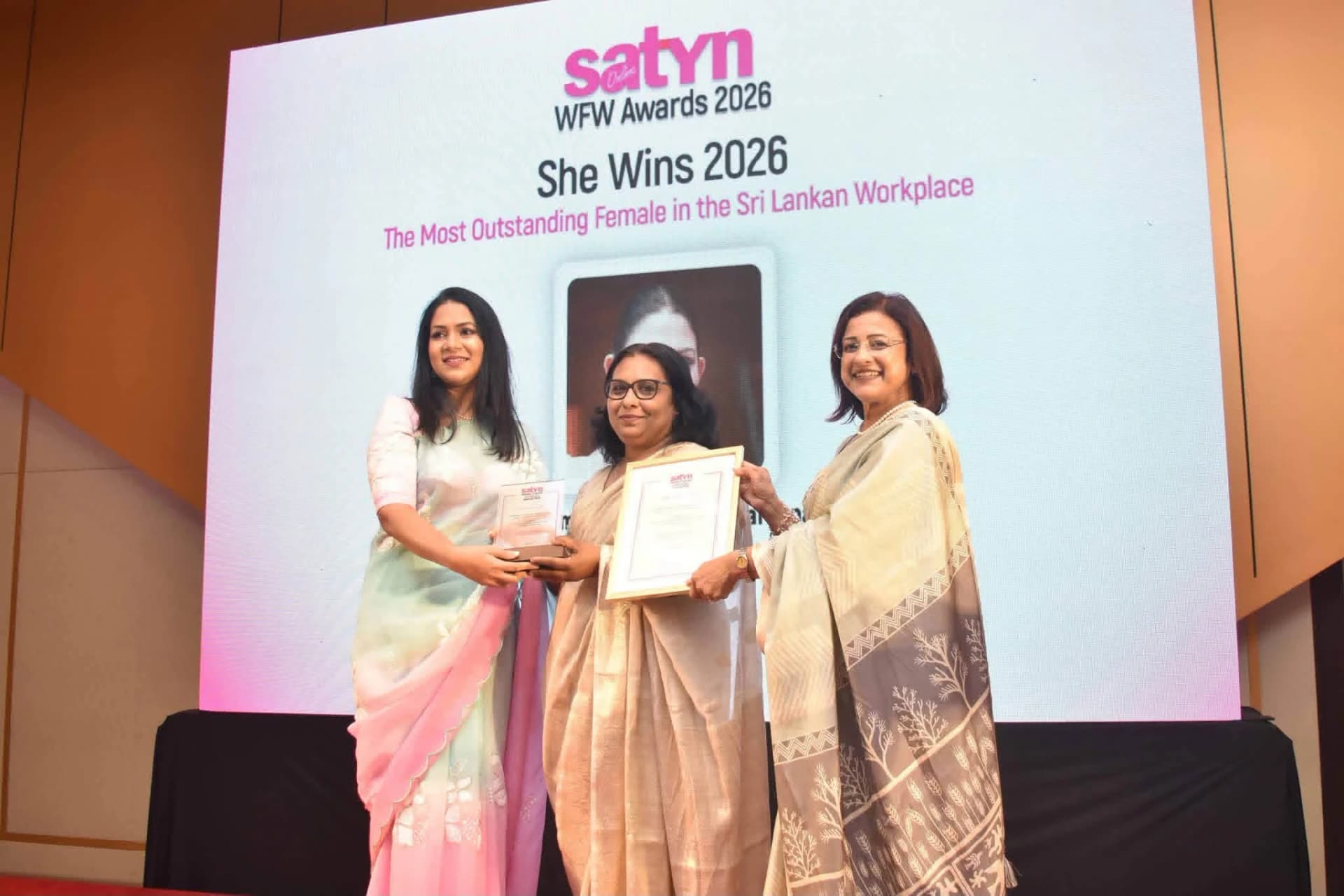
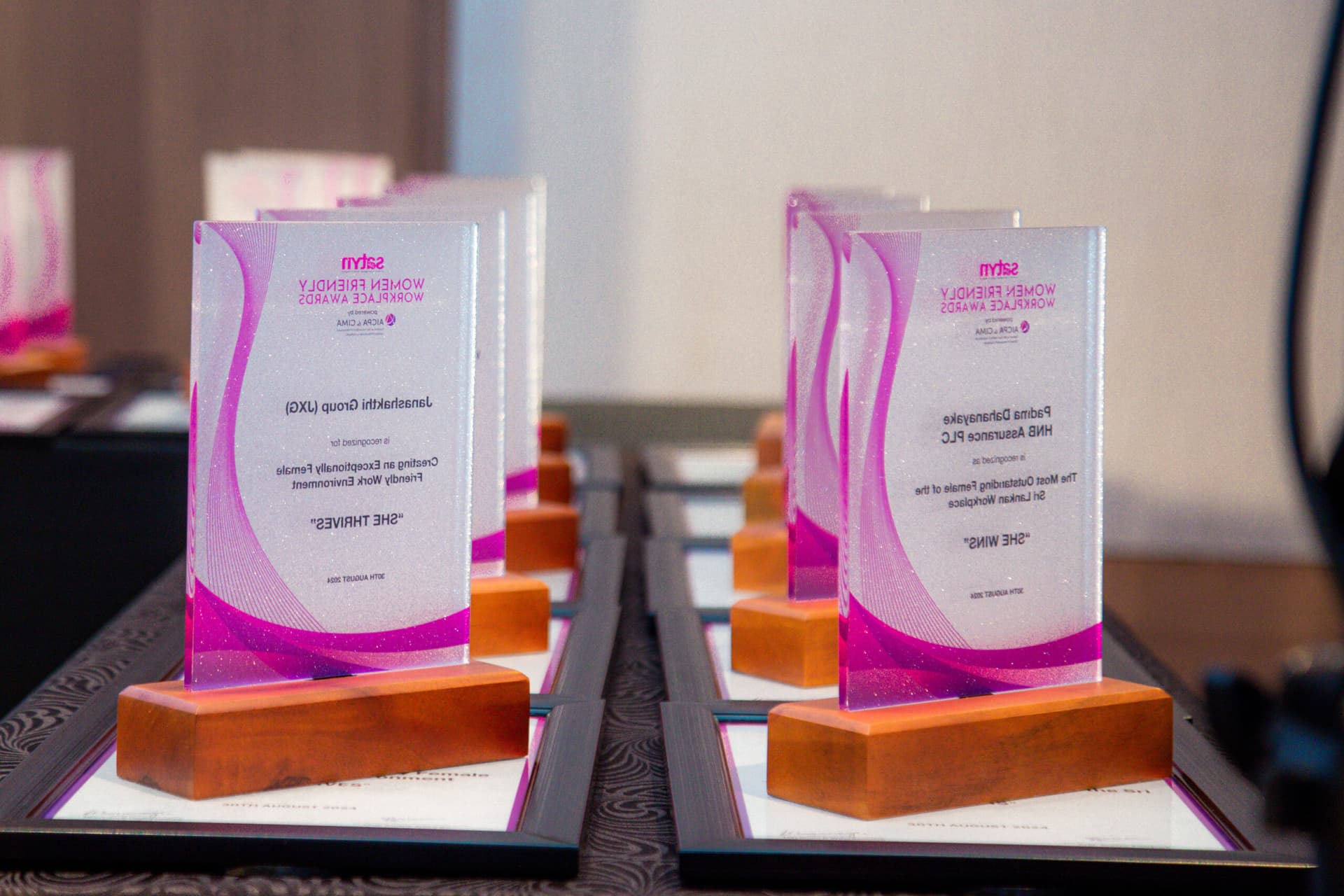
That changing conversation sits at the heart of the Satynmag Women-Friendly Workplace Awards 2026, which will be held on 21 August 2026.
Now in its sixth year, the Awards have grown alongside the wider discussion about women at work in Sri Lanka. Each year has offered a clearer picture of what organisations are doing, where workplace thinking is moving and, perhaps most importantly, what women increasingly expect from the places in which they build their careers.
For Satynmag, this year’s Awards have therefore been about much more than reaching an event date. The process leading to the ceremony has required time, careful evaluation and close attention to the workplace practices submitted by participating organisations. The purpose has been simple: to ensure that recognition is grounded in a credible assessment of how organisations support women across different dimensions of working life.
Looking beyond policies
Policies remain essential. Equal opportunity, maternity support, flexible working arrangements, anti-harassment measures, wellbeing programmes and professional development all form part of a responsible workplace.
But a policy on its own cannot tell the full story.
What matters increasingly is what happens because that policy exists. Does flexibility allow a woman to remain in her career and continue progressing, or does it make her less visible when opportunities arise? Does leadership development translate into women moving into positions of greater responsibility? Can women return after maternity leave or a career break and continue building their careers? Are women being trusted with important projects and included in the areas where decisions are made?
These questions have become central to the way Satynmag looks at women-friendly workplaces.
Over the past nine weeks, our editorial series leading up to the Awards has explored many of these themes in depth. We have examined career progression, the importance of building female leadership pipelines early, the difference between mentoring and sponsorship, the role of flexibility in supporting ambition and the need for women to be present in strategy, finance, technology and operations.
The common thread running through all of them is straightforward: representation matters, but progression matters too.
A workplace may employ a significant number of women and still have work to do if those women are not progressing, developing leadership experience or gaining access to decision-making roles. A modern women-friendly workplace must therefore look not only at how women enter the organisation, but at what happens to them afterwards.
The work behind the Satynmag Women-Friendly Workplace Awards
Awards ceremonies are public moments. Evaluation is not.
Much of the most important work takes place long before the event itself.
This year, considerable attention has been given to reviewing the information and evidence presented by participating organisations and assessing their approach against the standards that underpin the Satynmag Women-Friendly Workplace Awards.
That means considering workplace culture alongside career growth. It means looking at flexibility together with progression, and wellbeing together with performance. It also means understanding that no single initiative can define an organisation as women-friendly.
A strong maternity policy does not, by itself, explain what happens when a woman returns to work. A leadership programme does not automatically mean that women have equal access to advancement. A flexible working arrangement cannot be judged only by whether it exists; its real value lies in whether women can use it without being seen as less committed to their careers.
This is why the evaluation process matters.
The aim has been to look at workplace practices as part of a broader system and to understand how those systems support women through different stages of their working lives. That requires more than reading policy statements. It requires considering whether the structures described by organisations create meaningful opportunities for women to stay, grow and lead.
Continue your growth
Turn useful reading into career momentum.
Explore expert resources, workshops and professional support inside Satyn Circle.
Join Satyn CircleCareer progression is becoming the real measure
One of the clearest lessons from six years of engaging with women-friendly workplace practices is that the discussion must continue moving from participation towards progression.
Getting women into the workforce is only the beginning. Women also need clear pathways through it.
Early career opportunities matter because leadership gaps rarely begin at senior management level. They often begin much earlier, when women are overlooked for a first promotion, a stretch assignment, a strategic project or an opportunity that would have given them greater visibility.
Mentoring can help women prepare for those opportunities. Sponsorship can help ensure they are considered for them. Fair promotion systems can make career pathways clearer, while good managers can identify potential without allowing assumptions about caregiving, maternity or flexible work to influence decisions unfairly.
The organisations that understand this are moving away from viewing women’s career development as a separate diversity issue. They increasingly recognise it as part of talent management, succession planning and the future strength of the organisation itself.
Flexibility, wellbeing and the reality of working life
The modern workplace also has to acknowledge that careers do not exist separately from life.
Women move through different stages of family responsibility, caregiving, health, professional ambition and personal change. A workplace that expects every successful career to follow exactly the same pattern risks losing experienced and capable women along the way.
Flexibility has therefore become an important part of women-friendly workplace practice. Yet the challenge is no longer simply whether flexibility is available. It is whether flexibility works fairly.
If women who use flexible arrangements lose visibility, access to projects or promotion opportunities, the policy has solved one problem while creating another. Flexibility should help women remain productive and continue progressing; it should not quietly reduce their future options.
The same principle applies to wellbeing.
Burnout cannot become the price of ambition. Long hours, constant availability and unsustainable workloads are not reliable measures of leadership potential. Organisations that want women to remain and progress must also create working cultures in which high performance can be sustained.
This is where managers become particularly important. Policies establish the framework, but managers often determine how those policies are experienced. Their decisions influence whether women feel trusted, included and able to use the support available to them without fearing that it will damage their careers.
From recognition to a longer journey
Six years of the Satynmag Women-Friendly Workplace Awards have also given us an opportunity to reflect on the role of the Awards themselves.
Recognition is valuable. It brings attention to workplace practices that deserve to be seen and encourages organisations to continue improving. It also keeps the wider conversation about women at work visible within corporate Sri Lanka.
But an annual awards ceremony can only be one part of that conversation.
Women-friendly workplace development is continuous. Organisations change. Workforces change. New expectations emerge. What represented good practice several years ago may now need to be strengthened as workplaces become more sophisticated in the way they approach inclusion, leadership, wellbeing and career progression.
That is why the Satynmag Women-Friendly Workplace Awards 2026 will also mark the beginning of the next stage of this journey, with Satynmag introducing a Women-Friendly Workplace Certification initiative at this year’s ceremony.
The direction is a natural one after six years of learning from the Awards. It reflects a move towards a more sustained approach to encouraging organisations to assess, develop and strengthen their women-friendly workplace practices over time.
The Awards will remain an important moment of recognition. Certification opens the door to a longer conversation about what it means to build and maintain a workplace in which women can genuinely thrive.
A changing standard for Sri Lankan workplaces
Perhaps the most important change we have seen over the course of the Satynmag Women-Friendly Workplace Awards is the standard itself.
Being women-friendly can no longer mean simply employing women or introducing a collection of policies. The stronger question is whether an organisation has created an environment in which those policies translate into real opportunity.
Can women build long-term careers there? Can they move into leadership? Can they participate in decisions that shape the organisation? Can they use flexibility without compromising ambition? Can they speak openly and work safely? Can they grow without sacrificing their wellbeing?
These are not questions with quick answers. Nor are they issues that can be solved by one programme, one department or one awards ceremony.
They require leadership commitment and consistent attention.
As the Satynmag Women-Friendly Workplace Awards 2026 takes place on 21 August, the occasion will recognise another stage in a journey that began six years ago and continues to evolve with the workplaces taking part in it.
For Satynmag, the purpose remains clear: to keep raising the conversation around women at work and to encourage workplaces to look beyond intention towards meaningful, measurable progress.
Because the future of a women-friendly workplace will not be defined simply by how many women work there.
It will be defined by how far they are able to go.
Satynmag Women-Friendly Workplace Awards 2026
21 August 2026
Where Women Work. Where Women Rise.
Share
Written by
Satyn Editorial