
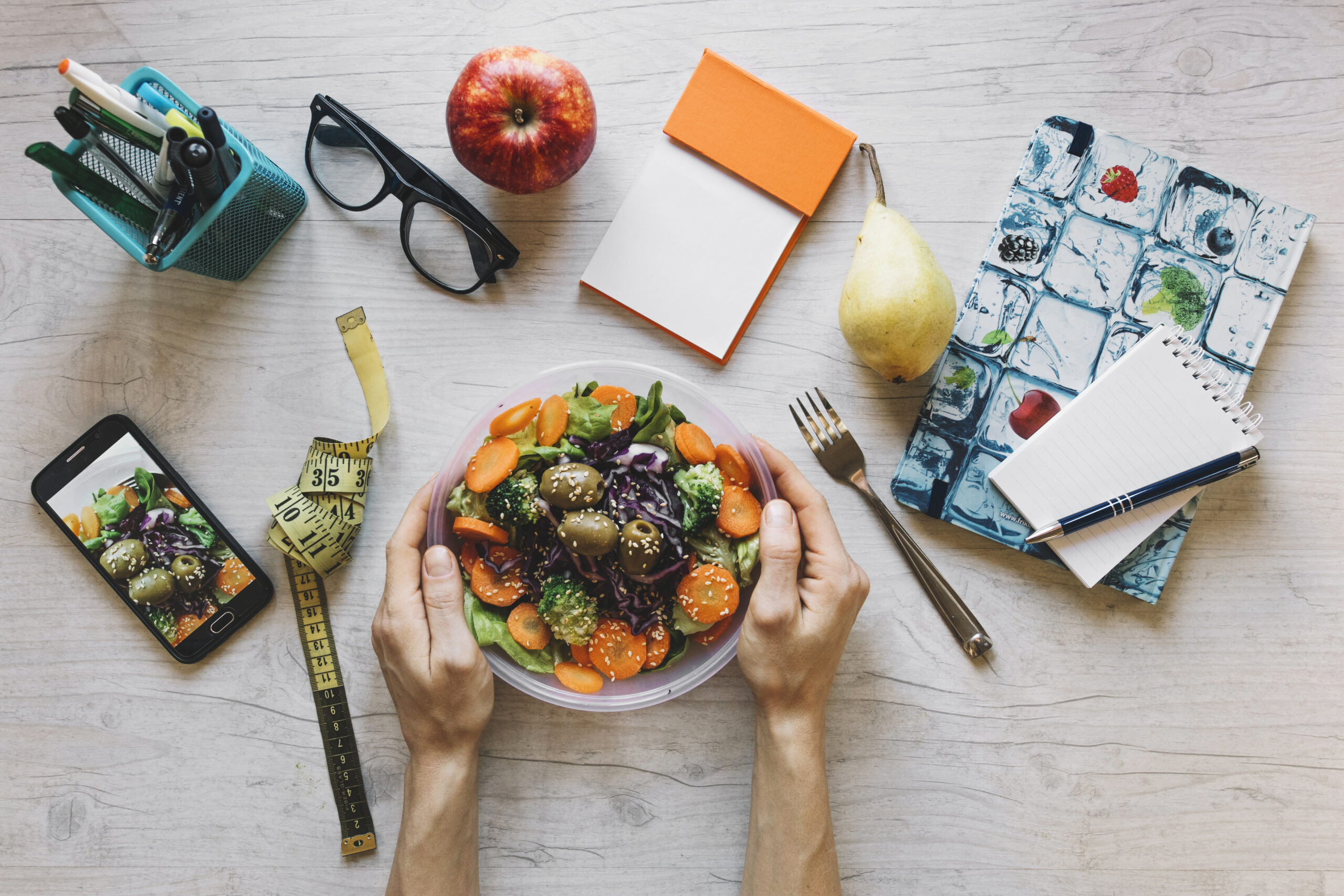
Once, food carried a clear social signal. Certain dishes were markers of survival. Others signified success, celebration, or status. Today, those boundaries are dissolving.
What was once labelled “struggle food” is being reclaimed, reframed, and in many cases, celebrated. At the same time, everyday staples are being questioned, upgraded, and politicised. Food is no longer just nourishment; it has become identity, economics, ethics, culture, and power on a plate.
This article explores how food is being redefined globally not romantically, but professionally through lenses of class, labour, health, sustainability, media influence, and economic reality.
Recent article click on here “Are We Actually in Relationships Anymore? A Professional Look at How Modern Love Is Really Functioning”
What “Struggle Food” Originally Meant and Why That Definition Is Outdated
Historically, “struggle food” referred to meals created under constraint: limited money, limited access, limited choice. These foods were affordable, filling, and often repetitive. Think rice and dhal, bread and gravy, instant noodles, potatoes, cassava, or maize-based meals.
But this label was never about taste or nutritional value. It was about circumstance.
The problem is that the term froze these foods in a narrative of lack ignoring their cultural depth, regional intelligence, and generational resilience. Many of these meals were born from necessity but perfected through tradition. They fed families, built communities, and sustained labour-intensive lives.
Reframing struggle food requires recognising that constraint does not equal inferiority. In fact, constraint often produces the most efficient, adaptable, and nutritionally balanced food systems.
The Professional Reframing When Survival Meals Become Cultural Assets
In recent years, chefs, nutritionists, and food historians have begun treating formerly marginalised foods as assets rather than symbols of poverty. This shift is not accidental.
From a professional standpoint, these foods offer:
- High nutritional density relative to cost
- Low environmental footprint
- Cultural continuity and storytelling value
- Adaptability across cuisines and diets
What was once dismissed as “basic” is now positioned as intentional. Dhal is no longer just cheap protein; it’s plant-based nutrition. Fermented foods are no longer leftovers; they’re gut-health solutions. Root vegetables are no longer poor substitutes; they’re climate-resilient crops.
This reframing is not about trendiness it is about re-evaluating efficiency and sustainability in a resource-constrained world.
Everyday Staples Under Scrutiny Why Normal Food Is No Longer Neutral
At the same time, foods once considered neutral staples white bread, sugar, refined oils, ultra-processed snacks are facing increasing scrutiny.
Modern consumers are asking:
- Where was this produced?
- Who processed it?
- What long-term health costs does it carry?
- What systems does it support?
This shift has professional implications for food manufacturers, policy makers, and public health experts. Staples are no longer just cheap and available; they are judged by transparency, supply chains, and nutritional consequences.
In this sense, food literacy has become a form of power. Knowing why you eat something now matters as much as what you eat.
The Class Conversation: When Food Becomes a Moral Statement
Food choices are increasingly moralised. Organic is seen as virtuous. Processed is seen as careless. Home-cooked is praised; convenience is judged.
But this framing ignores structural realities.
Access, time, income, geography, and labour conditions heavily influence what people eat. What looks like a “bad choice” may actually be the most rational one available. A single parent working two jobs does not lack discipline; they lack bandwidth.
Professionally, this demands a more honest conversation around food systems. Ethical eating cannot be separated from economic reality. Sustainability without accessibility is branding, not progress.
Media, Algorithms, and the Aestheticisation of Food Poverty
Social media has played a paradoxical role in redefining food. Platforms reward visual appeal, simplicity, and relatability. Suddenly, meals once hidden are now content.
But this visibility comes with distortion.
Struggle meals are often aestheticised minimal, rustic, “authentic” without acknowledging the hardship they emerged from. Algorithms flatten context. What is resilience for one community becomes “aesthetic minimalism” for another.
From a professional lens, this raises ethical questions about representation, ownership, and narrative control. Who gets to profit from food stories? Who gets to define value?
Nutrition Versus Narrative: What Actually Sustains Human Bodies
Strip away class, trends, and optics, and one question remains: what sustains people long-term?
The answer is rarely luxury.
Across cultures, sustainable diets share common features:
- Whole grains
- Legumes
- Seasonal vegetables
- Simple fats
- Limited but intentional protein
These patterns mirror what many once called struggle food.
Professionally, this alignment matters. Public health research increasingly supports diets rooted in affordability and tradition rather than novelty and excess. Longevity studies consistently point back to food systems that were once dismissed as unsophisticated.
Food as Labour Economics: Time Is the Real Ingredient
One of the least discussed aspects of food inequality is time.
Cooking from scratch requires planning, energy, tools, and mental space. Many “healthy” food narratives assume time abundance an invisible privilege.
Modern food systems have shifted labour away from the home and into factories, not because people forgot how to cook, but because survival now demands different trade-offs.
Any serious conversation about redefining food must include labour economics. Food choices reflect not just values, but survival strategies within capitalist systems.
Cultural Memory on a Plate: Why These Foods Persist
Foods labelled as struggle meals persist because they work.
They are:
- Affordable across economic cycles
- Scalable for families and communities
- Adaptable to local ingredients
- Emotionally grounding
These meals carry memory. They anchor identity during instability. They are eaten not just because they are cheap, but because they are familiar and trusted.
In times of global uncertainty inflation, climate volatility, supply chain disruption such foods are not relics. They are blueprints.
The Future of Food: Integration, Not Hierarchy
The future is not about choosing between struggle food and luxury food. It is about integration.
High-end kitchens are learning from humble recipes. Nutrition science is rediscovering ancestral wisdom. Consumers are questioning excess while respecting convenience.
Professionally, this points towards a food culture that values:
- Function over status
- Context over judgement
- Accessibility over performative ethics
Food is being redefined not upwards or downwards, but outwards expanding its meaning beyond class labels.
So Is It Struggle Food or an Everyday Staple?
The answer is both and neither.
Food reflects systems, not morality. What sustains people under pressure deserves respect, not rebranding. What feeds families daily deserves analysis, not judgement.
In redefining food, the real shift is not on the plate, but in perspective. When we stop asking what food says about status and start asking what it does for people, the hierarchy collapses.
And perhaps that is the most honest definition of nourishment we have.


