Creatine for Women: Is It Really Worth the Hype in 2026?
Creatine is suddenly being discussed far beyond gyms and protein shakers. More women are hearing about it in connection with strength, recovery, brain function and healthy ageing. But is it really useful — or just another supplement trend?
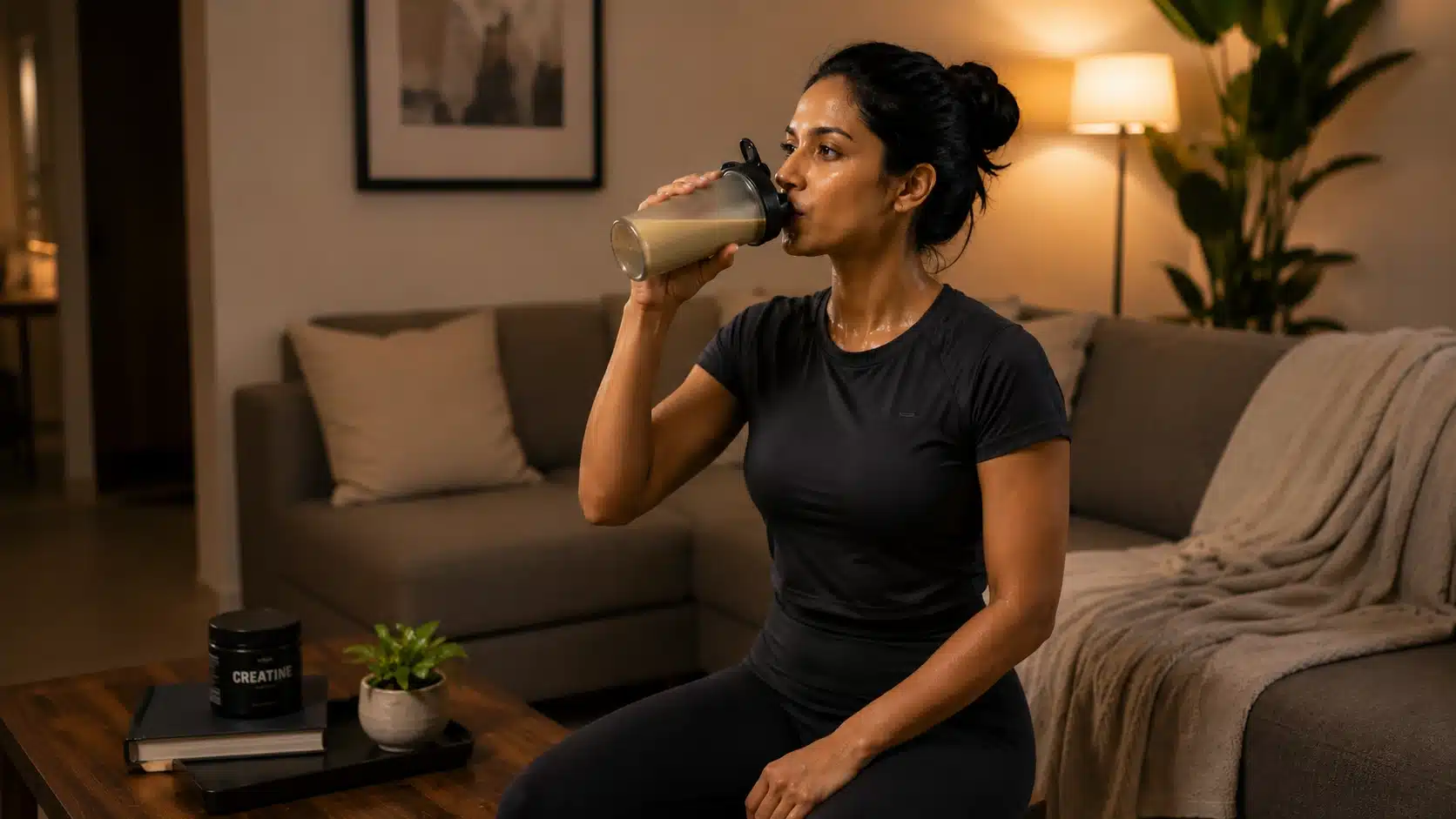
Creatine for women is suddenly being discussed far beyond gyms, protein shakers and bodybuilding conversations.
In 2026, more women are hearing about creatine in connection with strength, workout recovery, energy, brain function, focus and healthy ageing. It is appearing in wellness routines, fitness content, midlife health conversations and even discussions around feeling stronger in everyday life.
But this also creates confusion. Is creatine really useful for women, or is it another supplement trend? Is it only for women who lift weights? Will it make women bulky? Does it cause bloating? And most importantly, does the average woman actually need it?
Creatine can be useful for some women, but it is not magic. It works best when it fits your body, health needs, food habits and lifestyle. It should not be followed blindly just because it is trending.
What Is Creatine?
Creatine is a natural compound found in the body, mainly in the muscles. It helps the body produce quick energy, especially during short bursts of effort such as lifting, climbing stairs, sprinting, carrying heavy bags or doing strength exercises.
The body makes some creatine naturally, and we also get small amounts from foods such as meat and fish. Creatine supplements are usually used to increase the amount stored in the muscles so the body has more support during physical effort.
The most researched form is creatine monohydrate. It is also the form most commonly used in studies and everyday supplementation.
For years, creatine was mainly marketed to men, athletes and bodybuilders. That is why many women still associate it with gaining big muscles. But the conversation is changing. Today, creatine is being discussed as a wider wellness tool, especially when combined with strength training, good nutrition, sleep and consistency.
Why Women Are Suddenly Paying Attention
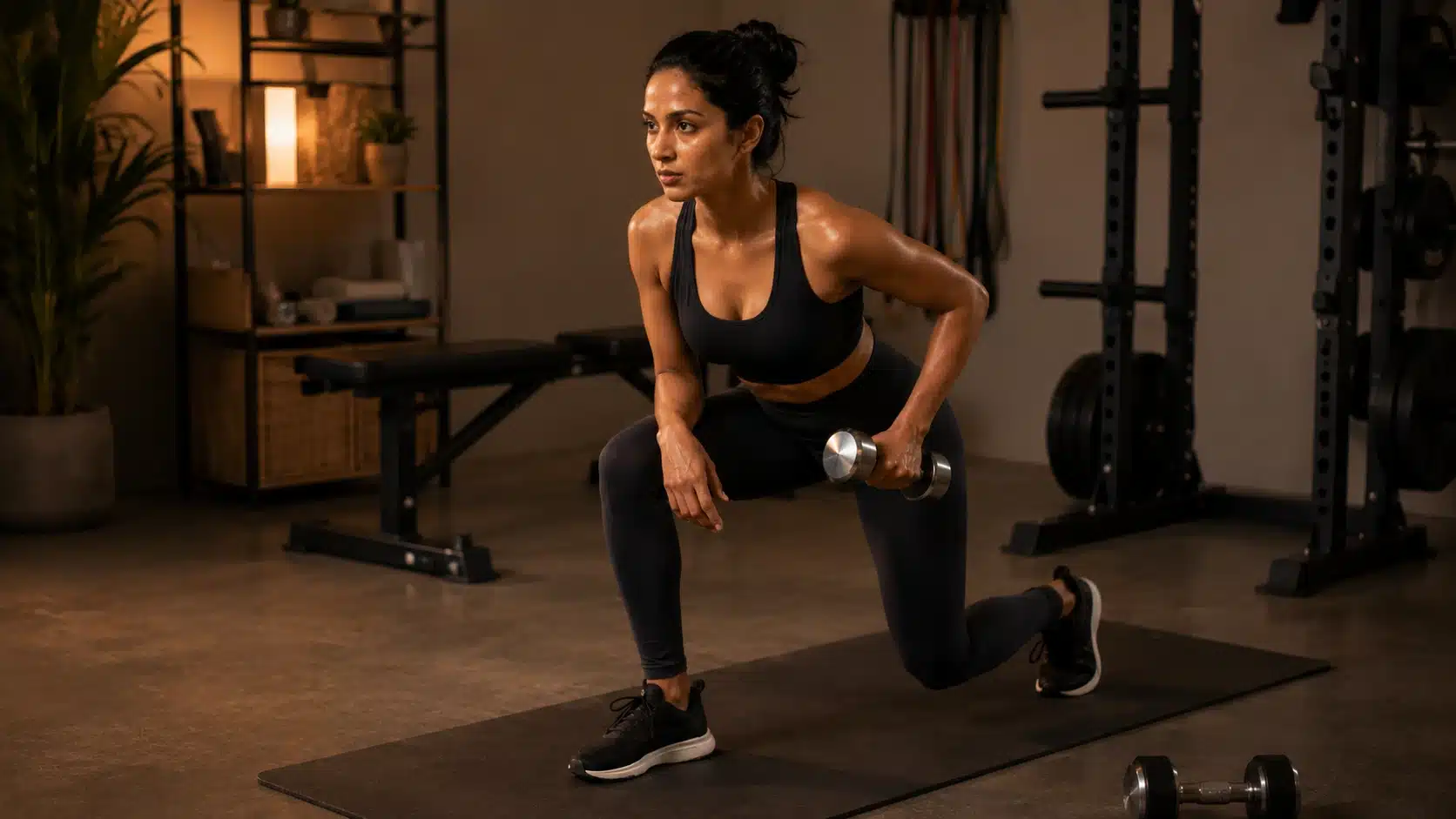
Women are paying attention to creatine because the conversation around health is becoming more strength-focused.
For a long time, women's wellness was often centred on being smaller, lighter or thinner. Now, many women are more interested in feeling strong, energetic, stable and capable. That shift matters.
A woman does not have to be a serious athlete to be interested in creatine. She may simply be trying to build strength, return to exercise, feel less weak, support ageing well or improve recovery after regular workouts. The question should not be, "Am I fit enough to take creatine?" A better question is, "Does creatine support the kind of health I am trying to build?"
A supplement should never make you feel pressured. It should simply support the woman you are already learning to care for.Creatine for Women — Satynmag 2026
Benefits of Creatine for Women
The most familiar benefit of creatine is strength support.
-
💪Strength SupportWhen combined with resistance training, creatine can help improve strength and power. This is useful not only for gym performance, but also for daily life — carrying groceries, lifting children, climbing stairs, travelling, standing for long hours and staying active.
-
🔄RecoverySome women find that creatine supports better training quality and helps them feel more prepared for the next session. It does not remove the need for rest, but it may support the body's ability to handle repeated physical effort.
-
🤼Muscle MaintenanceCreatine may support muscle maintenance. This matters because muscle is not only about appearance. It supports posture, metabolism, balance and independence as women get older.
-
🌞Healthy AgeingResearch around creatine in women's health is expanding across different life stages, including menopause-related areas, although not every claim is equally proven yet.
-
⚡Cellular Energy SupportCreatine is not a stimulant like caffeine. It will not give a sudden "awake" feeling. Instead, it supports energy production at a cellular level, especially during short, intense effort. If a woman is exhausted because of poor sleep, stress, low iron or burnout, creatine alone will not solve that.
Sleep still matters. Satynmag's guide on How Much Sleep Does a Woman Really Need? is a useful reminder that energy begins with proper rest, not supplements alone.
Common Myths That Make Women Hesitant
One of the biggest myths is that creatine will make women bulky.
-
MythCreatine will make women bulkyCreatine does not automatically create large muscles. Building significant muscle size requires consistent resistance training, progressive overload, enough food, recovery and time. For most women, creatine may support strength and muscle tone, but it will not suddenly change the body overnight.
-
MythCreatine causes bloatingSome women may notice temporary water retention, especially when starting creatine or taking larger amounts. This is usually water stored in the muscles, not fat gain. Every body responds differently, and some women may prefer to start slowly.
-
MythCreatine is only for athletesIt is widely used in sport, but women interested in general strength, active ageing and wellness are now very much part of the conversation too.
-
MythIt is not safe to take every dayThe International Society of Sports Nutrition has described creatine as having a strong safety profile for healthy people when used appropriately. Creatine monohydrate remains one of the most studied supplements. Women with kidney disease, medical conditions, pregnancy or prescribed medication should speak to a healthcare professional first.
Who May Be Most Interested in Creatine?
Creatine may be most interesting for women trying to build strength.
Busy women who feel physically drained may also become curious, but it is important to look at the full picture. Low energy can come from poor sleep, stress, low protein intake, low iron, hormonal changes or overwork. Creatine may support physical performance, but it should not be used to ignore deeper health signals.
Satynmag's article on Heirloom Rice: The Latest Wellness Power of Sri Lanka is a reminder that wellness is strongest when it respects real food, culture and daily habits.
What Women Should Know Before Trying It
- Quality matters. Choose a reputable product, preferably simple creatine monohydrate without unnecessary extras.
- Consistency matters. Creatine is usually taken daily, not only on workout days. Many people use around 3–5 grams per day, although personal needs can vary. There is no need to chase extreme doses unless advised by a professional.
- Expectations should be realistic. Creatine will not replace proper meals, sleep, strength training or medical care. It will not fix burnout, poor nutrition or hormonal imbalance by itself.
- Consider your wider health. If you have diabetes, kidney concerns or any ongoing health condition, medical guidance matters before adding supplements.
- Hydration can help. Some women prefer taking creatine with a meal or in a smoothie. Others mix it into water. The best method is the one you can maintain comfortably.
Satynmag's article on Mango and Diabetes: What the New Studies Actually Show reflects the same broader principle: health choices should be informed, balanced and personal.
Creatine for women is becoming popular in 2026 because women's wellness is changing. More women want to feel strong, energetic, focused and supported as they age. Creatine may help with strength, performance, recovery and muscle support, especially when paired with resistance training and healthy habits. The goal is not to follow hype blindly. The goal is to understand your body, your lifestyle and your health priorities. If creatine fits into that picture, it may be worth considering. If it does not, that is fine too.
A supplement should never make you feel pressured.
It should simply support the woman you are already learning to care for.
Understand your body, your lifestyle and your health priorities — and let that guide your choices.
Creatine is worth understanding, but not blindly hyping. If it fits your goals, quality and consistency are what matter most.
Written by
Satyn Editorial