How Much Sleep Does a Woman Really Need? A guide for every woman
Sleep is not just something we do at the end of the day. It is when the body repairs itself, the brain resets, hormones balance, and energy restores. Understanding what your body truly needs is the first step to waking up well.
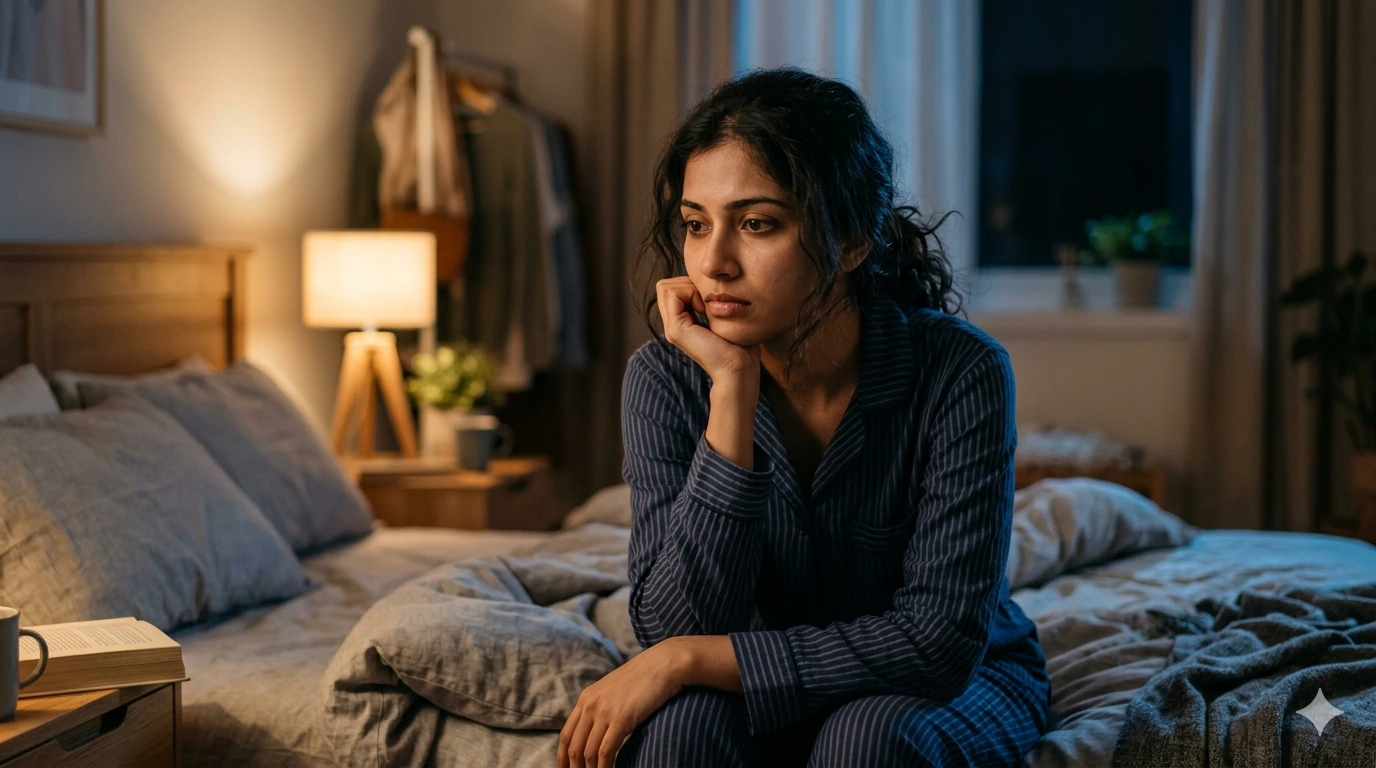
It is said that most adult women need around seven to nine hours of good-quality sleep each night. But it gets a little more complex than that when you understand that everyone's needs and daily routines may not be the same.
Sleep is not just something we do at the end of the day or when we are tired. Sleep at night is the time when the body repairs itself and the brain resets and hormones are balanced. It is also when emotions subside and calm prevails and the energy that was lost during the day is slowly restored.
For many women, sleep is often impacted by the load they carry in their minds and constant stress; periods, pregnancy, motherhood, work pressure, caregiving, ageing and the unseen mental load adds to the list. So, while the number matters, the quality of sleep matters as well.
You may sleep for eight hours and yet wake up tired if your sleep is disturbed or broken.
Yet you may feel refreshed even after sleeping for less than eight hours, around seven hours because you were able to sleep deeply.
Sleep is not something you do at the end of the day alone – it forms an integral part of human health and wellbeing.
How Much Sleep Does a Woman Really Need?
Most healthy adults need at least seven hours of sleep every night, according to statistics. Many women feel refreshed after a sleep of seven to nine hours, depending on age, health, lifestyle and emotional stress.
To answer the question "how many hours should I sleep?", a great place to start is to understand that seven to nine hours is optimal. You can also note how your body is responding to the time you have slept. Do you wake up refreshed? Can you focus during the day? Are you emotionally steady? These answers often reveal more than the clock alone.
Women do not all need the same amount of sleep. A student, a new mother, a woman in her 30s with a demanding job, and a woman going through perimenopause may all experience sleep differently. The goal is not to force your body into a fixed number. The goal is to understand what helps you feel rested, calm and healthy.

How Much Sleep Does a Woman in Her 30s Need?
A woman in her 30s generally still needs seven to nine hours of sleep. This is the age where many women carry several responsibilities at once: career growth, marriage, parenting, family expectations, financial planning, social life and personal goals.
The body may be young, but the mind can be overloaded.
This is why many women in their 30s say, "I slept, but I still feel tired." The problem may not always be the number of hours. It may be stress, late-night scrolling, irregular meals, hormonal changes, lack of exercise or the mental habit of thinking about tomorrow before today has even ended.
Sleep in your 30s should be treated as maintenance, not luxury. It supports your mood, skin health, immune system, concentration, metabolism and hormone balance. When sleep becomes poor, everything feels heavier than it actually is.
Satynmag has already explored this connection between tiredness, stress and hormones in The Burnout, Sleep and Hormone Triangle and Burnout, Hormones, Sleep and Stress: Why Women Feel So Drained.
Do Women Need 10 Hours of Sleep?
Most women do not need 10 hours of sleep every night. For the average adult, seven to nine hours is usually enough. However, there are times when a woman may naturally need more rest.
You may need extra sleep when you are recovering from illness, going through intense stress, before or during your period, during pregnancy, after childbirth, during emotional burnout or after several nights of poor sleep.
But regularly needing 10 hours and still waking up exhausted can be a sign that something else is happening. It may be poor sleep quality, anaemia, thyroid imbalance, depression, chronic stress, sleep apnoea or another health concern. In that case, the answer is not simply "sleep more". The better answer is to understand why your body is not feeling restored.
Sleep should refresh you. If it does not, your body may be asking for attention.
Sleep should refresh you. If it does not, your body may be asking for attention.How Much Sleep Does a Woman Really Need
How Many Hours of Sleep Do Women Need During Period?
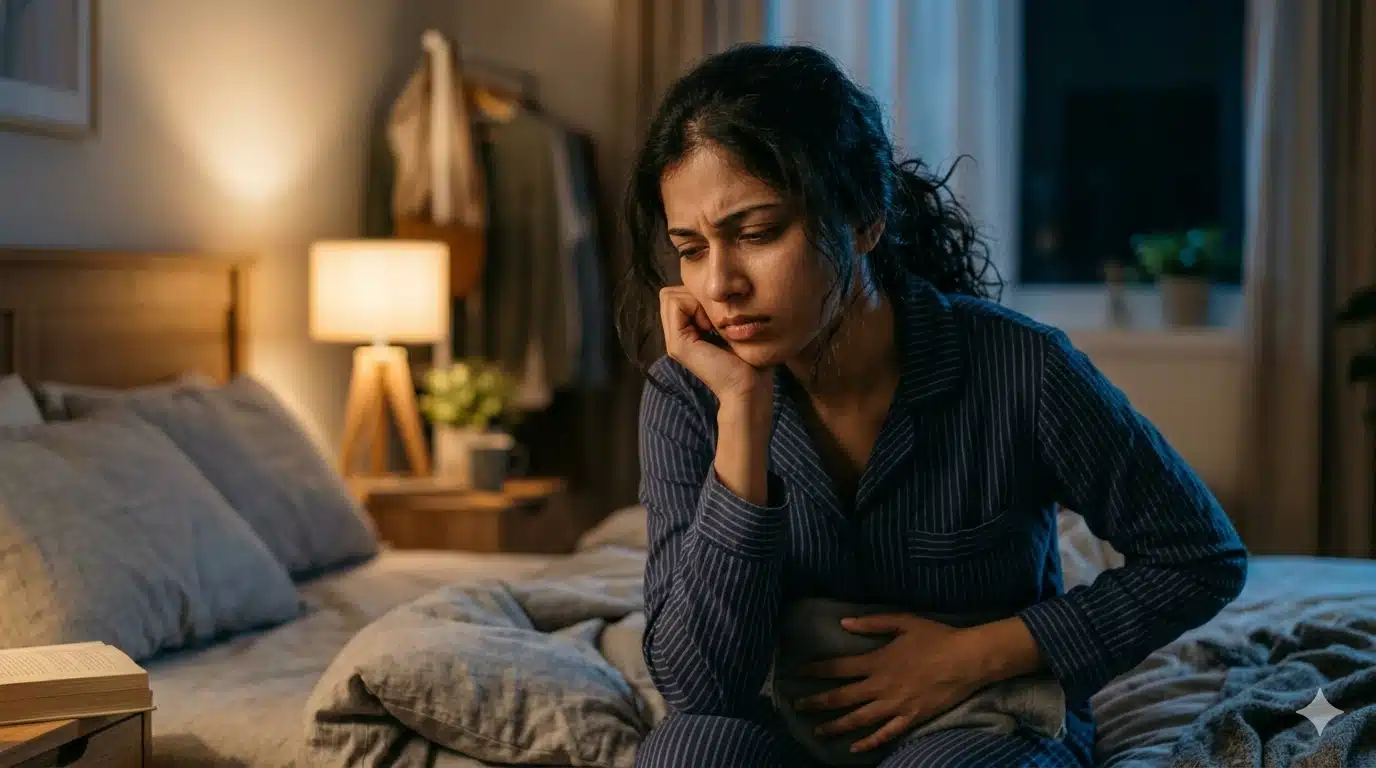
Many women feel more tired before or during their period. This is not imagination. Hormonal changes across the menstrual cycle can affect sleep quality, body temperature, mood and energy. Research on women's sleep has shown that sleep disturbances can increase around the premenstrual and menstrual phases for some women.
During your period, you may still need seven to nine hours, but your body may benefit from extra rest if cramps, heavy bleeding, mood changes or low energy are present.
This does not mean every woman must sleep more during her period. Some women feel normal. Some feel deeply tired. Some sleep longer but wake often because of discomfort. The healthiest approach is to listen without guilt.
If your period makes you feel drained, try to create a calmer night routine during those days. Eat lighter at night, reduce caffeine, keep your room cool and avoid turning bedtime into a second work shift. Even small changes can help the body feel safer and more relaxed.
Why Sleep Is Important for Women's Health
Sleep affects nearly every part of health. It supports the brain, heart, immune system, hormones, metabolism and emotional balance.
When a woman does not sleep well, she may feel more irritable, anxious, forgetful or emotionally sensitive. Small problems may feel bigger. Decisions may feel harder. The body may crave sugar or caffeine. Skin may look dull. Productivity may drop, and patience may become thinner.
This is not weakness. This is biology.
Sleep gives the nervous system time to calm down. It helps the brain process emotions and memories. It supports the body's natural repair system. Good sleep also helps mental wellbeing, which connects strongly with Satynmag's article on why mental health is the most important part of overall wellness.
For new mothers, sleep can become even more complicated. Night feeding, recovery, emotional changes and identity shifts can affect both rest and mental health. This is also why conversations around motherhood, identity loss and mental load matter.
Sleeping Habits That Actually Help
Good sleep is not only about going to bed early. It is about teaching your body when to slow down.
A healthy sleep routine can include waking up at a similar time each day, getting morning light, reducing caffeine after midday, keeping the bedroom cool, avoiding heavy meals late at night and putting the phone away before sleep.
The mind also needs a closing routine. Many women lie down physically but stay mentally awake. They think about unfinished work, children, messages, money, family, tomorrow's meals and everyone else's needs.
Before bed, write down the three things you are carrying in your mind. Then write one small action for tomorrow. This tells the brain, "I have noticed this. I do not need to solve it tonight." Sleep often improves when the mind feels less responsible for everything at once.
A Calm Way to Understand Your Sleep Needs
Instead of asking only, "How many hours should I sleep?" ask better questions.
These questions help you understand your real sleep pattern. They also help you notice when tiredness is not just tiredness, but a sign of stress, burnout or emotional overload.
Women often push through exhaustion because they feel they have no choice. But the body always keeps count. Rest is not a reward after everything is finished. Rest is what helps you continue without breaking yourself.
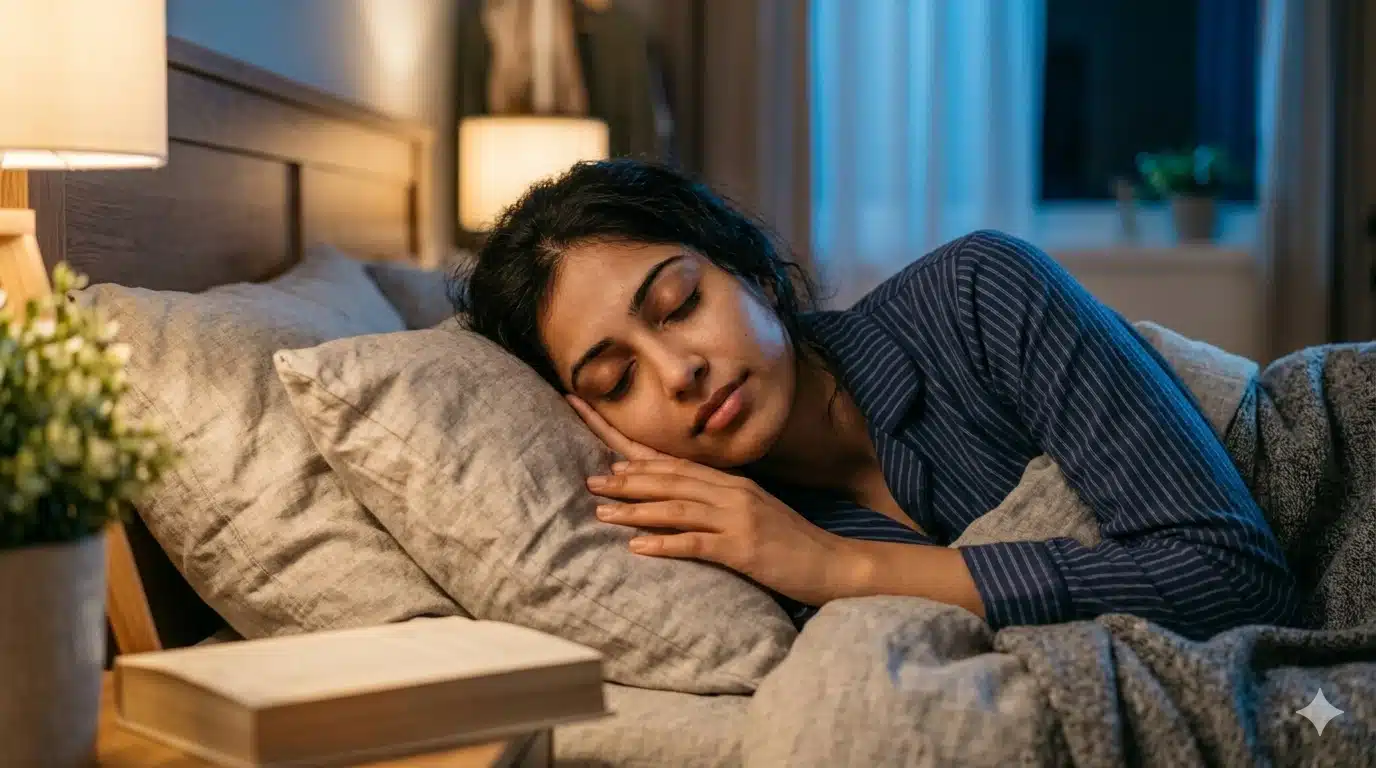
Most women need seven to nine hours of sleep, but the healthiest answer is not only about numbers. A woman's sleep can be affected by hormones, periods, stress, motherhood, mental load, age and lifestyle.
You do not need to earn sleep. You do not need to feel guilty for needing rest. And you do not need to wait until your body completely shuts down before you listen.
Good sleep is one of the quietest forms of self-respect. It helps you think clearly, feel steady, protect your health and move through life with more softness and strength.
So tonight, do not ask, "Did I do enough to deserve rest?"
Ask, "What does my body need to feel well tomorrow?"
Good sleep is one of the quietest forms of self-respect.
You do not need to earn rest. You do not need to feel guilty for needing it. Your body is not asking for weakness — it is asking for wisdom.
Written by
Satyn Editorial