
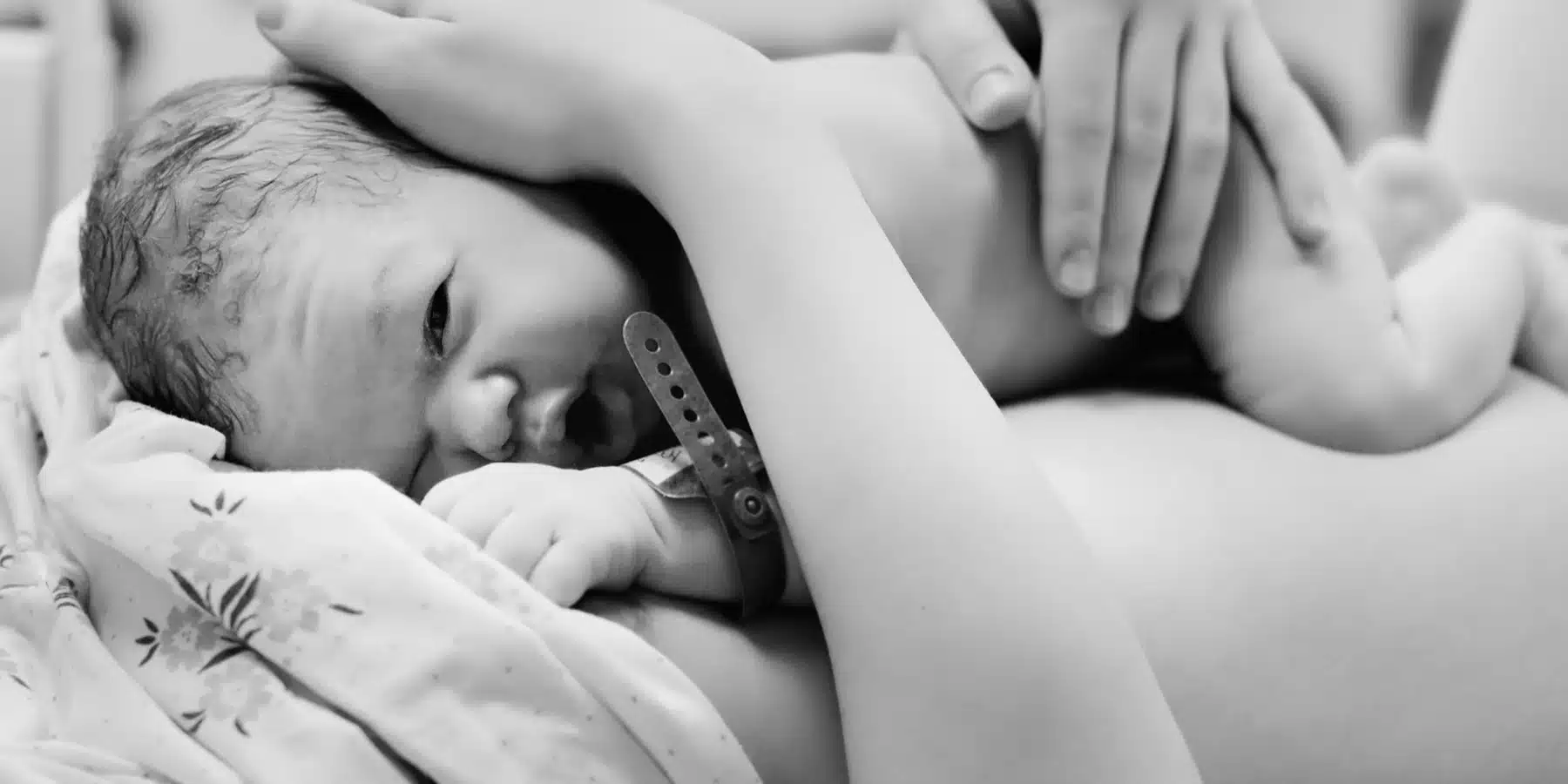
Motherhood in Sri Lanka is changing, and perhaps the biggest question is not why women are having fewer babies.
It is this: Have we made becoming a mother too difficult?
Think about what a woman may be trying to manage before she even considers pregnancy today.
Finish her education. Establish a career. Earn enough to feel financially secure. Find stable housing. Support her parents. Manage rising living costs. Protect a job she has spent years building. Think about childcare. Think about maternity leave. Think about whether she and her partner can realistically afford another person in the family.
Then comes the health side.
Is my body ready? Am I anaemic? Do I have high blood pressure or diabetes? Am I waiting too long? Will pregnancy affect my career? Will I be able to return to work? Will I have support after the baby arrives?
Suddenly, “When are you having a baby?” does not sound like such a simple question.
Sri Lankan Women Are Having Fewer Babies
The numbers show how quickly things are changing.
Sri Lanka recorded 319,108 registered births in 2019. By 2024, the number had fallen to 220,761, and the provisional figure for 2025 was 214,570.
That is a fall of roughly one-third in six years.
The 2024 Census also places Sri Lanka’s total fertility rate at 1.3 children per woman.
These figures matter nationally, but they also tell a very personal story.
Marriage is happening later. The average age at marriage for women has increased from 23.4 years in 2012 to 25.6 years.
But even that number does not tell us when a woman actually feels ready to become a mother.
A woman may marry at 26 and still want several years to establish herself professionally. She may be paying off loans. Her partner may be working overseas. She may be helping her parents financially. She may simply want time to enjoy the life she has worked hard to build.
That is not necessarily a rejection of motherhood.
Sometimes it is postponement because everything around motherhood feels uncertain.
The Career Question Is Impossible to Ignore
For many professional women, pregnancy is not only a health decision. It is a career decision too.
You may have spent your twenties studying, completing professional qualifications and trying to become established at work.
Then, just as your career begins moving forward, you reach the stage when everyone starts asking about children.
This creates a pressure others rarely experience in quite the same way.
- How long can I wait?
- Will maternity leave affect my promotion?
- What happens if I need several months away?
- Will my employer still see me as ambitious?
- Who will look after the baby when I return?
- What happens when the baby is sick?
- Can I afford childcare?
- Can I afford not to work?
These are not selfish questions.
They are the practical reality of modern motherhood.
Sri Lanka has maternity protections, but understanding what actually applies to your employment situation matters. Ceylon Public Affairs has a useful guide to maternity benefits in Sri Lanka in 2026 for women trying to understand those rights.
But legislation alone cannot solve the motherhood-career problem.
Workplace culture matters too.
A woman should not have to choose between being seen as committed to her profession and committed to her child.
Waiting Longer Changes the Health Conversation
There is another reason timing matters.
Pregnancy later in life is common and many women have healthy pregnancies in their thirties and beyond. But health conditions that become more common with age can also begin intersecting with pregnancy.
Blood pressure, blood sugar, weight, thyroid conditions and other health issues may require closer attention.
Sri Lankan data also show that anaemia remains a concern during pregnancy. In 2024, around one in five pregnant women tested during the second trimester were reported to have anaemia.
That matters because pregnancy increases the body’s nutritional demands.
It also reminds us why preparing for pregnancy should not begin only after seeing two lines on a test.
Knowing your health before pregnancy can be useful.
That does not mean turning motherhood into another project that women must somehow execute perfectly.
It means giving ourselves a better starting point.
Why Are So Many Births Now C-Sections?
Then we come to another question many Sri Lankan women are asking.
Why does it feel as though almost everyone now knows someone who had a Caesarean?
In government hospitals, around 43% of deliveries in 2024 were by C-section.
That is a significant number.
But it would be unfair to immediately conclude that women are simply choosing surgery or that doctors are performing unnecessary operations.
C-sections save lives.
A mother may need one because labour is not progressing safely, the baby shows signs of distress, the placenta creates a problem, a previous pregnancy changes the risk or another medical concern develops.
Higher-level hospitals also receive more complicated pregnancies, which can naturally increase their Caesarean rates.
Still, when surgical delivery becomes this common, it deserves careful discussion.
Not blame.
Discussion.
Are Women Becoming Afraid of Giving Birth?
This part is harder to measure with statistics, but it matters.
Listen to women talking about birth and you will often hear stories.
- Someone was terrified of labour pain.
- Someone felt nobody explained what was happening.
- Someone remembers being spoken to harshly.
- Someone had a frightening first delivery and could not imagine going through it again.
- Someone chose a C-section because it felt more controlled.
Childbirth is clinical to the hospital.
To the woman experiencing it, it can be one of the most physically and emotionally intense days of her life.
That is why respectful maternity care matters.
Being spoken to kindly matters.
Understanding what is happening matters.
Having questions answered matters.
Feeling that decisions are being made with you rather than simply around you matters.
Good maternity care is not only about making sure mother and baby leave hospital alive.
A woman should also leave feeling that she was treated like a human being.
We Need to Stop Making Mothers Feel They Failed
There is another conversation we need to have.
- Natural birth versus C-section.
- Breastfeeding versus formula.
- Working mother versus stay-at-home mother.
- One child versus three children.
- Pregnancy at 25 versus pregnancy at 35.
We have somehow managed to turn almost every motherhood decision into something women can be judged for.
- A C-section mother has not taken an easier route.
- A woman who needs to return to work is not less devoted to her child.
- A woman who chooses to stay home has not wasted her education.
- A couple with one child does not owe society another.
- And a woman who does not want children does not require an explanation.
Health information is valuable.
Judgement is not.
Satynmag’s Mom & Baby section exists precisely because motherhood needs more conversations that inform women without frightening or lecturing them.
And What Happens After the Baby Arrives?
We talk endlessly about pregnancy and surprisingly little about the life that begins afterwards.
- Who wakes up at night?
- Who attends clinic appointments?
- Who remembers vaccinations?
- Who rearranges work when childcare fails?
- Who notices that nappies are running out?
- Who plans meals?
- Who takes leave when the child is sick?
In many families, mothers still carry a disproportionate share of this invisible work while also remaining employed.
That matters when we ask why women delay having children or stop after one.
The cost of motherhood is not only hospital bills and baby clothes.
- It is time.
- Sleep.
- Career flexibility.
- Mental energy.
- Lost opportunities.
- And sometimes income.
If Sri Lanka genuinely wants young people to feel more confident about having families, this invisible side of motherhood has to become part of the conversation.
Motherhood in Sri Lanka: This Is Not Just a Women’s Problem
Sri Lanka is also ageing.
People aged 60 and above now make up around 18% of the population.
That means today’s smaller generation of children will eventually become the workforce supporting a much larger older population.
Ceylon Public Affairs has examined this wider challenge in its analysis of Sri Lanka’s healthcare system and ageing population.
But demographic concern should never become pressure placed on women’s bodies.
We cannot solve an ageing population by simply telling women to produce more children.
We have to make family life more workable.
- Affordable childcare matters.
- Supportive partners matter.
- Flexible workplaces matter.
- Maternity and paternity leave matter.
- Housing costs matter.
- Healthcare matters.
And careers that do not punish motherhood matter.
Perhaps the Real Question Is: Can Women Afford Motherhood in Every Sense?
Not simply financially.
- Can we afford it professionally? Physically? Emotionally?
- Can a woman take maternity leave without feeling that her career is quietly moving on without her?
- Can she ask for flexible working without being treated as less serious?
- Can she have a child in her thirties without being made unnecessarily anxious about her age?
- Can she go into labour knowing she will be listened to?
- Can she have a C-section without being told she failed at childbirth?
- Can she return to work without carrying the entire household in her head at the same time?
Those questions may tell us more about Sri Lanka’s falling birth rate than simply asking women why they are not having more babies.
Motherhood Should Feel Like a Choice You Can Actually Make
Sri Lanka has achieved a great deal in maternal and child health.
But the next stage requires something more.
We have to think about the whole woman.
- Her health before pregnancy.
- Her experience during childbirth.
- Her mental health afterwards.
- Her career.
- Her income.
- Her childcare options.
- Her future.
Because women are not simply vessels through which a country fixes its fertility rate.
They are people making one of the biggest decisions of their lives.
And perhaps the real motherhood shift happening in Sri Lanka is this: women are asking more questions before making that decision.
That is not something society should fear.
We should listen to the questions.
Then build a country in which the answers make motherhood feel safer, healthier and genuinely possible.
For readers who want to explore the official figures behind this conversation, the latest population data are available through Sri Lanka’s Department of Census and Statistics, while maternal and hospital indicators are published by the Ministry of Health.