
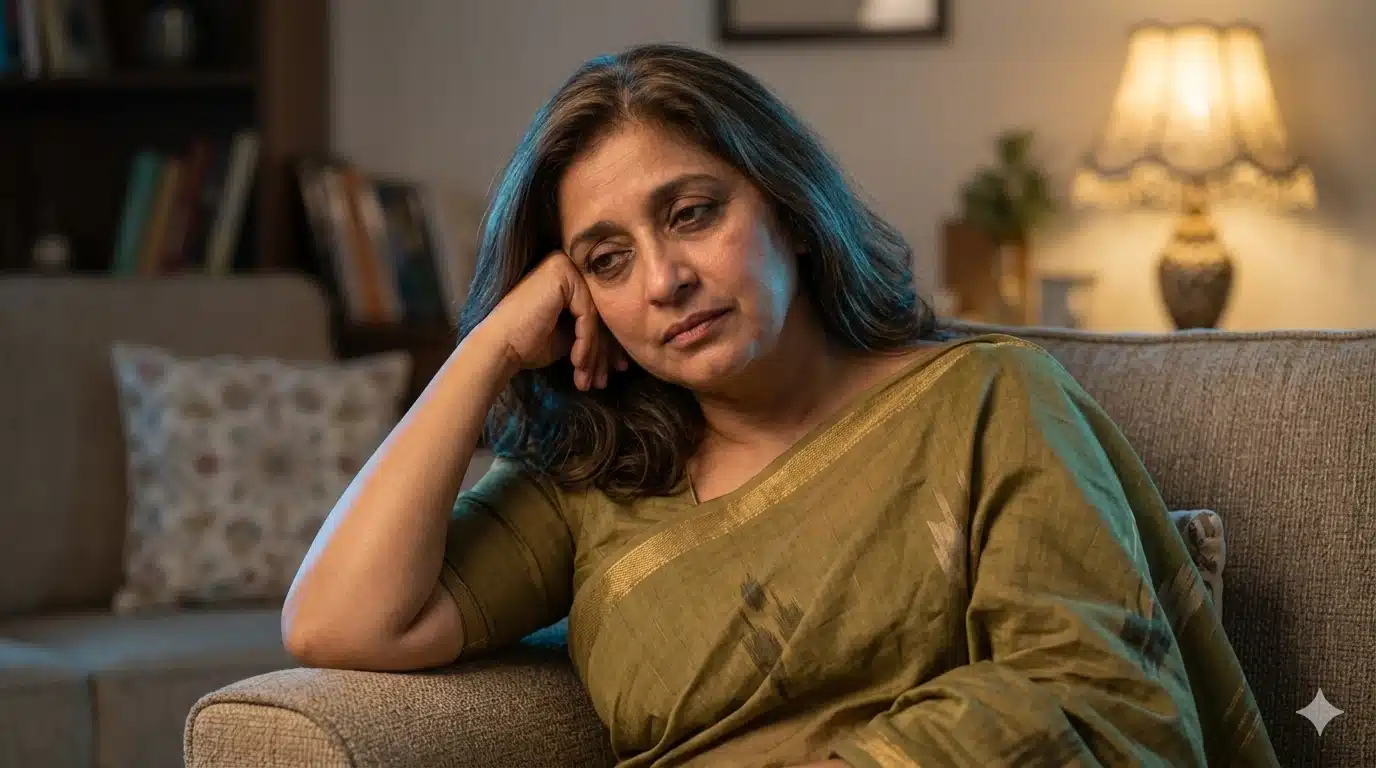
Are you always tired after 50 feels like a question you have been asking yourself more often lately, you are not imagining it.
Many women reach their 50s and begin to notice a different kind of tiredness. It is not always the tiredness that comes after a long day or a busy week. It can feel heavier, slower and more persistent. You may sleep and still wake up unrefreshed. You may finish simple tasks and feel drained. You may need more time to recover after social events, housework, travel or emotional stress.
At first, you may tell yourself, "This is just age." But constant tiredness should not be dismissed too quickly. Feeling low in energy after 50 can be linked to normal life changes, but it can also be connected to sleep problems, menopause, diabetes, anaemia, thyroid issues, heart or lung conditions, medications, low mood, poor nutrition or ongoing stress.
Tiredness can be a normal response to activity, stress, boredom or lack of sleep — but ongoing fatigue can also be a sign of health conditions that need attention. If fatigue is persistent, unusual or affecting daily life, speaking to a doctor is important.
Are You Always Tired After 50?
Feeling tired after 50 is common, but "common" does not always mean "normal".
There are many reasons a woman may feel more tired at this stage of life. Hormonal changes may affect sleep and mood. Muscle mass may slowly reduce if strength and movement are not maintained. Chronic conditions may become more noticeable. Blood sugar, blood pressure, thyroid health and vitamin levels can change. Sleep may become lighter or more interrupted.
There is also the emotional side. By the time many women reach 50, they have spent decades caring, organising, working, supporting families, managing responsibilities and holding things together. The body may be tired, but the mind may also be carrying years of pressure.
So the first step is not to blame yourself. The first step is to listen.
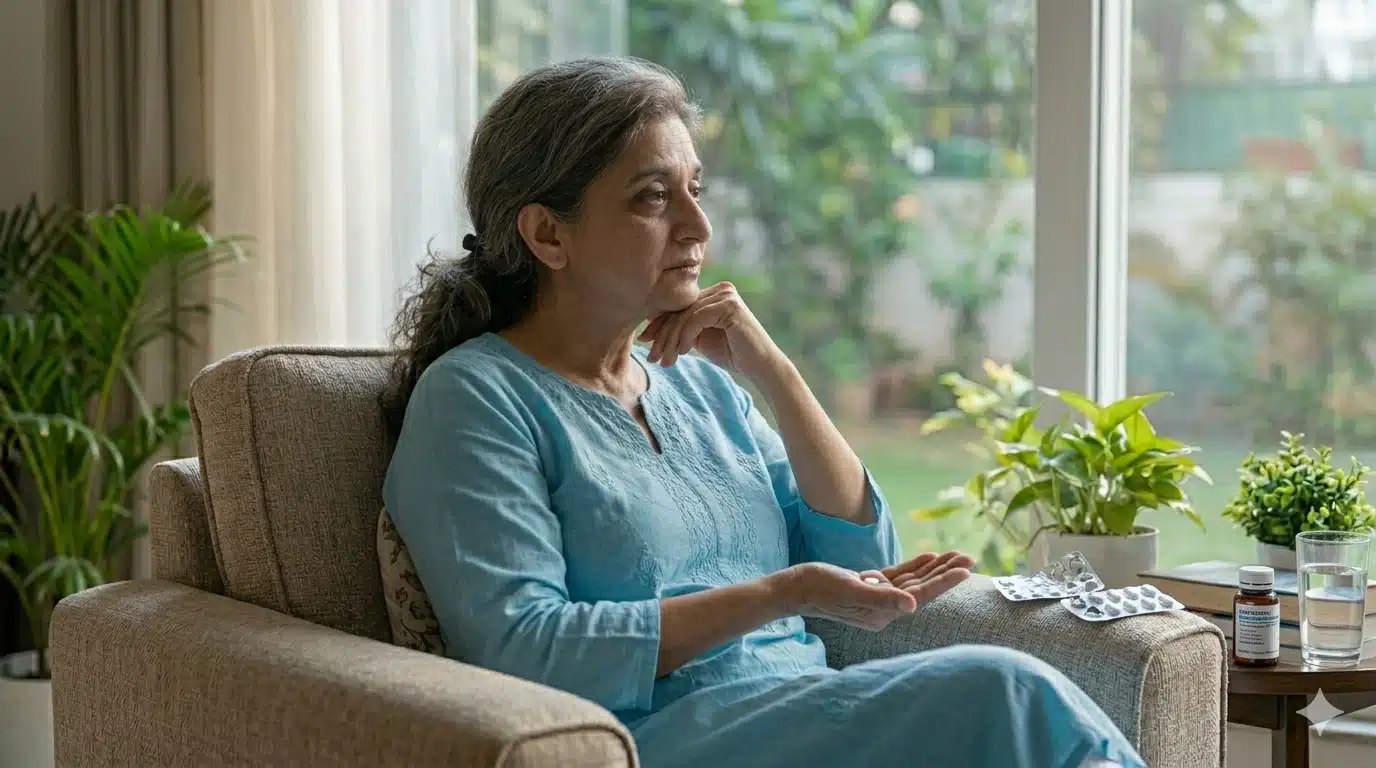
Why Fatigue After 50 Can Feel Different
Fatigue is more than ordinary sleepiness.
Sleepiness means you may need sleep. Fatigue can feel like a deeper lack of energy, motivation or physical strength. You may feel heavy in the body, foggy in the mind, easily irritated or unable to do the things you used to manage without much thought.
Some women describe it as feeling "flat". Others say they feel like their body has slowed down. Some feel guilty because they think they should still be able to keep up with everything.
But after 50, the body often asks for more careful attention. This does not mean life becomes smaller. It means your health signals deserve more respect.
Key Causes of Tiredness After 50
You are not being dramatic. You are not being lazy. You are not too old to feel energetic, clear and alive. This stage of life deserves care, not dismissal.Are You Always Tired After 50 and Wondering Why
Menopause and Hormonal Changes
For many women, the 50s are connected with menopause or post-menopause. Hormonal changes can affect sleep, mood, temperature regulation, energy, weight, concentration and emotional balance.
Night sweats and hot flushes can disturb sleep even if you do not fully wake up each time. Poor sleep quality can then lead to daytime tiredness, brain fog and irritability. Some women also experience joint aches, anxiety, low mood or changes in metabolism, which can make daily energy feel different.
This does not mean every tired woman over 50 should blame menopause. It means menopause is one possible part of the picture. If your tiredness comes with sleep disruption, mood changes, hot flushes, irregular bleeding, weight changes or new aches, it is worth discussing with a healthcare professional.
Sleep Problems You May Not Notice
A woman may think she is sleeping enough, but still not be getting restorative sleep.
Sleep apnoea is one condition to be aware of. It causes repeated pauses or interruptions in breathing during sleep. People with sleep apnoea may snore loudly, wake with a dry mouth or headache, feel sleepy during the day or struggle with concentration. Sleep apnoea can cause tiredness even after a full night's sleep, because the body keeps being pulled out of deeper sleep.
Women may not always recognise sleep apnoea because symptoms can sometimes appear as general tiredness, mood changes or poor focus rather than obvious breathing problems. If someone has told you that you snore, gasp or stop breathing during sleep, do not ignore it.
Insomnia, restless legs, pain, frequent urination or anxiety can also fragment sleep. When sleep is broken, the body does not restore properly.
Diabetes, Blood Sugar and Energy
Diabetes and blood sugar changes can also contribute to tiredness.
High or low blood sugar can affect energy, concentration and mood. Diabetes can also disturb sleep through frequent urination, thirst, discomfort or nerve symptoms. Fatigue may be linked not only to blood sugar itself, but also to related conditions, medication effects, depression, weight changes or other health issues.
For women over 50, diabetes management becomes especially important because fatigue can sometimes be one of the signs that blood sugar needs closer attention.
If you already have diabetes, Satynmag's article on How to Adapt Effective Diabetes Management for Women may help you think through daily habits and long-term care. If you do not have diabetes but feel tired with increased thirst, frequent urination, blurred vision, unexplained weight changes or slow-healing wounds, speak to a doctor and ask about blood sugar testing.
Anaemia, Iron and Vitamin Deficiencies
Anaemia and nutrient deficiencies can make tiredness feel physical and heavy.
Low iron can cause fatigue, weakness, dizziness, shortness of breath, pale skin, headaches or a racing heart. Vitamin B12, vitamin D and folate deficiencies can also affect energy, mood, nerve function and general wellbeing.
Women may develop deficiencies because of diet, absorption issues, past heavy periods, medical conditions or certain medications. After 50, it becomes even more important to check rather than guess.
If tiredness continues, ask your healthcare provider whether checking blood count, iron stores, thyroid function, vitamin B12, vitamin D and blood sugar would be appropriate for you.
Thyroid, Heart and Other Medical Causes
A slow or overactive thyroid can affect energy, weight, mood, temperature sensitivity, heart rate, skin, hair and bowel habits. Thyroid-related fatigue can feel persistent and difficult to shake off.
Heart and lung conditions can also make everyday tasks feel unusually tiring. If climbing stairs, walking short distances or doing normal activities suddenly feels harder than before, do not dismiss it as age. Breathlessness, chest discomfort, swelling in the legs, dizziness or palpitations should be medically checked.
Other possible causes include chronic infections, inflammatory conditions, kidney or liver problems, chronic pain, depression, anxiety and medication side effects. Some blood pressure medicines, antihistamines, sedatives, antidepressants or other prescriptions may contribute to tiredness in some people. Never stop medication on your own, but do ask your doctor if fatigue began after a medication change.
The Emotional Weight of Feeling Tired
Tiredness after 50 is not only physical for many women.
Sometimes the tiredness comes from feeling unseen, under-supported or emotionally forgotten. Children may be busy with their own lives. Partners may not notice changes. Families may still expect the same level of service and patience. Work may continue to demand performance, while your body asks for more care.
This emotional layer matters. Feeling unappreciated can be draining. Loneliness can be draining. Always being the person who remembers, organises and adjusts can be draining.
Satynmag's article Do You Sometimes Feel Forgotten speaks directly to this quiet emotional experience many women over 50 carry. Your tiredness may not be "just in your head". Emotional stress affects the body too.
When to Seek Help
You should speak to a doctor if tiredness is new, persistent, worsening or affecting daily activities.
The point is not to frighten you. The point is to remind you that fatigue is a symptom worth investigating. Many causes are treatable once identified.
What You Can Do Gently at Home
Energy is not only created by food and sleep. It is also protected by boundaries.
A Practical Energy Check for Women Over 50
Ask yourself these questions.
- Am I sleeping deeply, or only spending enough hours in bed?
- Do I wake up tired most mornings?
- Have my periods, menopause symptoms or hormones changed recently?
- Do I have symptoms of diabetes, thyroid issues or anaemia?
- Have I started any new medication?
- Am I feeling emotionally low or lonely?
- Am I eating enough nourishing food?
- Am I moving my body regularly?
- Is my tiredness stopping me from living normally?
If several answers worry you, it is time to seek support.

- You are not being dramatic.
- You are not being lazy.
- You are not too old to feel energetic, clear and alive.
- This stage of life deserves care, not dismissal.
Are you always tired after 50? If yes, please do not simply accept exhaustion as your new normal. Your body may be asking for rest, medical checks, better sleep quality, emotional support, improved nutrition or a slower daily rhythm. Tiredness after 50 can have many causes, and many of them can be managed once you understand what is happening. Listen to your body, ask the right questions and get help when tiredness keeps returning.
You are not too old to feel energetic, clear and alive. This stage of life deserves care, not dismissal.
For more women-focused health, lifestyle and emotional wellbeing reads, explore Satynmag's 50 Plus section.