
Can Motherhood Expand Your Identity Without Making You Lose Yourself?
You love your baby. You may also miss your old life. That contradiction does not mean you are failing. It means you are in transition — and there is now a word for it: matrescence.
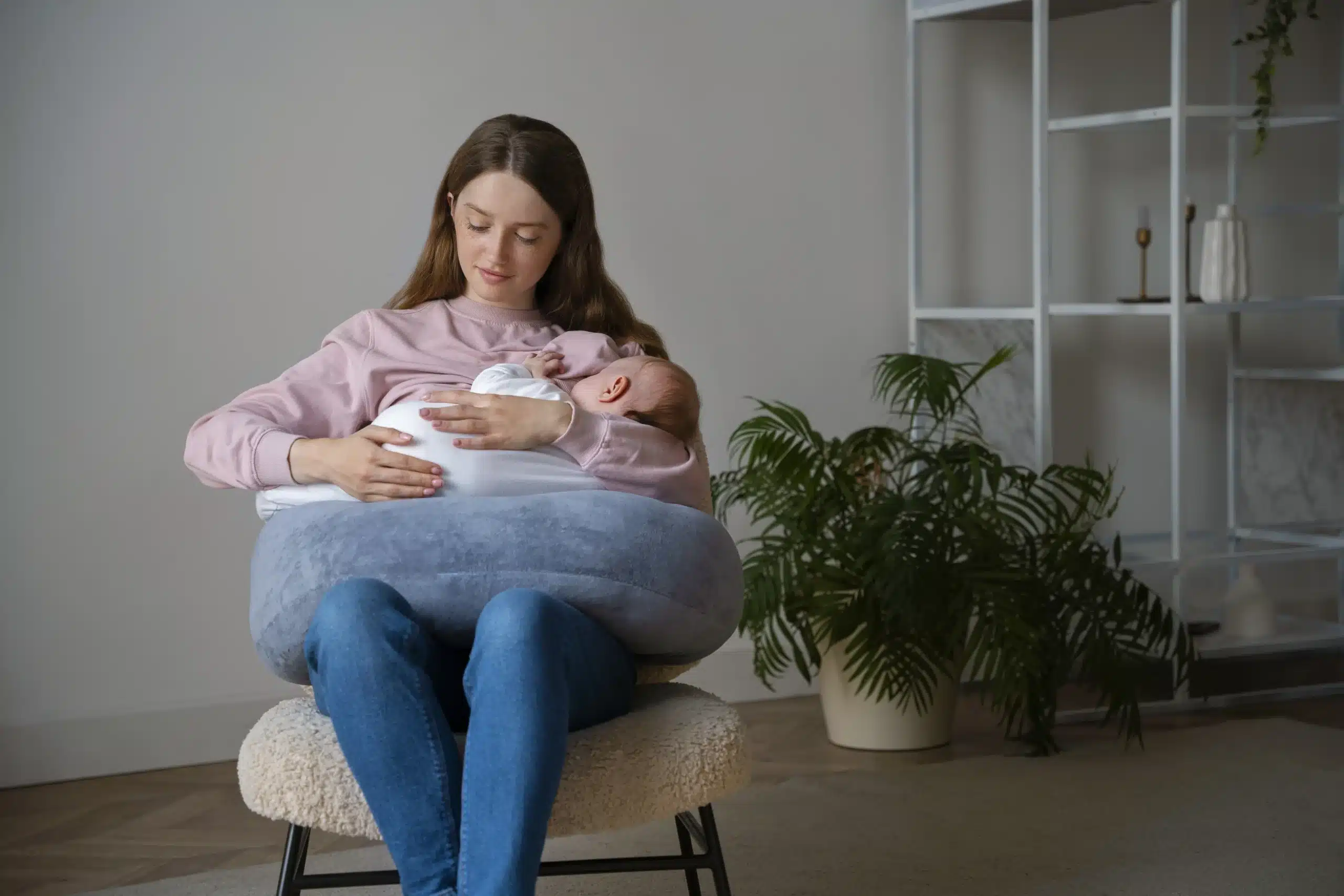
There is a version of motherhood that the internet still tries to sell women: soft-focus photos, sleepy newborn cuddles, a "new chapter" tied up with a neat ribbon. But real motherhood is rarely that simple. For many women, especially in the first year after baby, it can feel less like stepping into a beautiful new role and more like being split open — emotionally, mentally, physically, and professionally.
You love your baby. You may also miss your old life. You may feel grateful and disoriented, deeply attached and strangely disconnected from yourself at the same time. That contradiction does not mean you are failing. It means you are in transition.
There is now a more useful word for this transition: matrescence — the developmental shift into motherhood. Experts increasingly use it to describe the major physical, psychological, social, and identity changes that happen when a woman becomes a mother.
So, can motherhood expand your identity without making you lose yourself? Yes — but not by pretending nothing changes. It happens when motherhood is treated not as the death of self, but as an evolution of self.
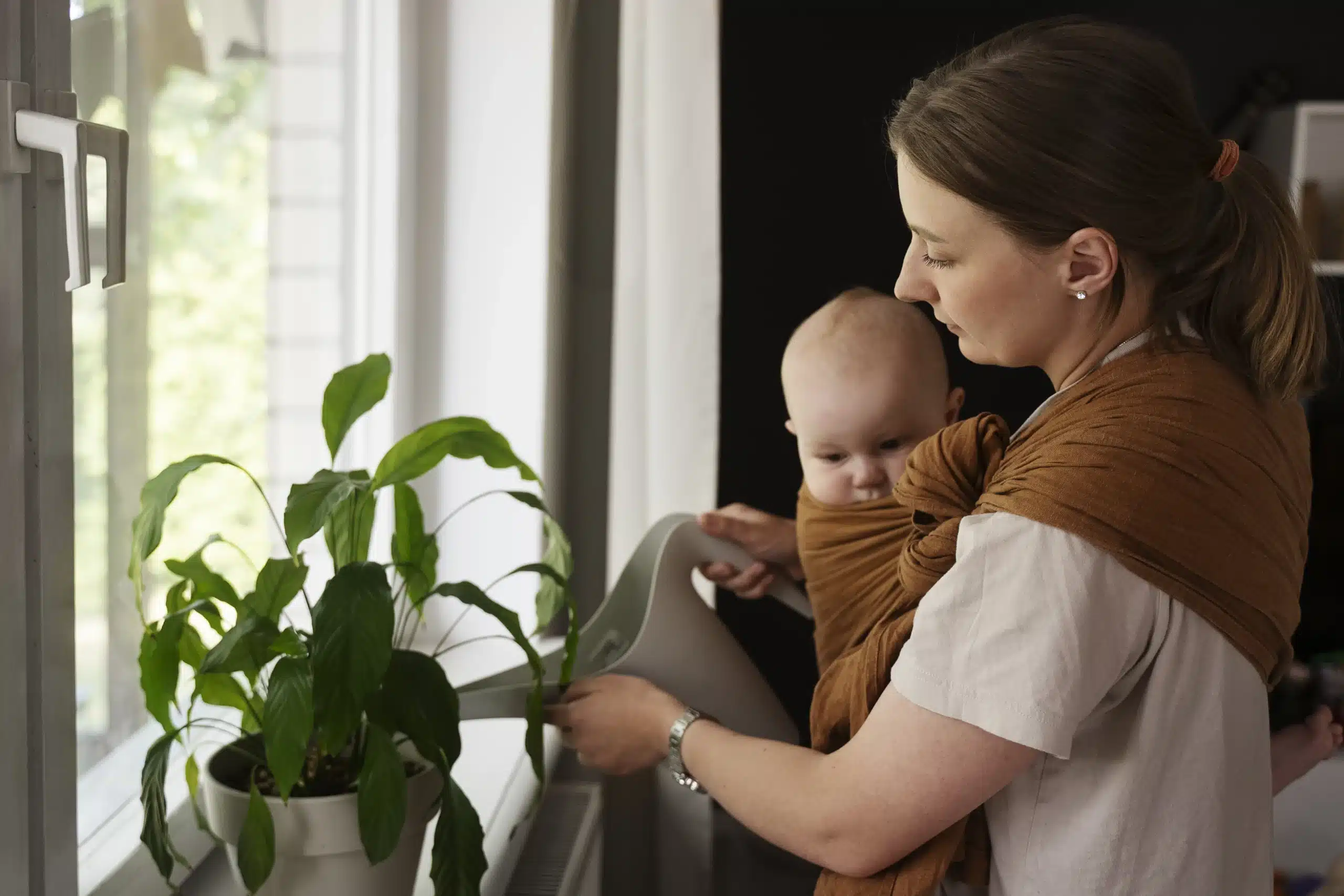
Motherhood Does Change You — But Change Is Not Disappearance
One of the hardest parts of new motherhood is how invisible the identity shift can be. Everyone sees the baby. Fewer people see the woman trying to integrate a whole new version of herself.
Some women feel fiercely maternal from day one. Others feel shock, numbness, grief, tenderness, fear, and love all layered together. That emotional complexity is common. Researchers note that becoming a mother can feel as psychologically significant as adolescence, because it reshapes identity, relationships, priorities, and self-perception.
The truth is that motherhood can narrow your life temporarily if you are unsupported, overwhelmed, or carrying the entire mental load alone. But motherhood itself is not the enemy. Erasure is. Isolation is. Lack of support is. Unrealistic expectations are.
Ambition After Baby Is Not Selfish — It Is Part of Identity
There is still a cultural script that suggests a "good mother" should naturally become less interested in work, goals, creativity, visibility, and personal ambition. But many women discover the opposite. They still want to build, lead, create, earn, grow, and dream. They simply have less time, less bandwidth, and often much less social permission to do it.
Wanting more than motherhood does not mean motherhood means less to you. It means you are still a whole person.
For many women, motherhood sharpens ambition. It clarifies what matters. It makes time feel more precious. It forces a deeper confrontation with purpose, boundaries, money, legacy, and the kind of life they want to model for their children.
A baby may reorder your life, but that does not mean your ambition was frivolous or temporary. You can adore your child and still miss your independence. You can feel blessed and burdened. Two things can be true at once.
The real fear is not motherhood — it is identity loss. Women are asking: Who am I now? Will I still recognise myself? Will anyone see me beyond the baby? Will I ever feel creative, focused, or free again?On the Heart of Matrescence
The Real Fear Is Not Motherhood — It Is Identity Loss
When women say they are afraid of motherhood, they are often not talking only about childbirth, sleepless nights, or nappies. They are talking about identity loss. They are asking questions like:
- Who am I now?
- Will I still recognise myself?
- Will anyone see me beyond the baby?
- Will my career recover?
- Will I ever feel attractive, creative, focused, or free again?
These are not shallow questions. They sit at the heart of matrescence. You can adore your child and still miss your independence. You can feel blessed and burdened. You can be thrilled by your baby's existence and unsettled by how much your own life has changed. That grief is rarely discussed honestly enough.
Motherhood Can Expand Identity When Women Are Allowed to Be Multidimensional
The healthiest version of motherhood is not one where a woman becomes less of herself. It is one where she becomes more fully herself — with new capacities, new emotional depth, new resilience, and often a more honest understanding of what she needs.
Motherhood often makes women fiercely intentional about how they spend their hours — cutting what no longer serves them with clarity they never had before.
The noise falls away. What truly matters — in work, relationships, and identity — becomes sharper and more urgent.
Perfectionism often loosens its grip. Women stop chasing approval and start living with more honesty and self-acceptance.
Many women become softer in some places and stronger in others. This is growth, not failure — adaptation under pressure, not decline.
Why Some Mothers Feel Lost After Baby
If motherhood can be expansive, why do so many women feel lost? Because expansion requires space. And many mothers are trying to expand inside systems that compress them.
Women are more likely to lose themselves when:
- Their identity is reduced to caregiving alone
- They have no support structure around them
- They carry the invisible mental load by themselves
- They feel guilty for wanting time alone, career goals, or creative life
- Their relationships treat motherhood as their job, not a shared responsibility
- They do not have language for what they are experiencing
This is why naming the transition matters. Once women understand that matrescence is real, they often stop interpreting their internal upheaval as personal failure.
How to Protect Your Sense of Self After Baby
Protecting your identity after baby is not about "bouncing back" to who you were before. It is about staying connected to who you are becoming.
Sometimes identity is protected in dramatic ways. More often, it is protected in small acts:
- Writing again
- Taking a solo walk
- Keeping one career goal alive
- Maintaining friendships that do not revolve entirely around motherhood
- Saying no to unrealistic expectations
- Letting your partner carry equal responsibility
- Remembering that your body is not public property after birth
- Speaking honestly instead of performing gratitude
The goal is not to prove you can "do it all." The goal is to remain in relationship with yourself.
Motherhood and selfhood are not opposites. You do not have to choose between being nurturing and being ambitious. You do not have to choose between loving your child and missing your old freedom.On the Most Important Truth
You Do Not Have to Choose Between Being a Mother and Being Yourself
This may be the most important truth of all: motherhood and selfhood are not opposites.
The better question is not "How do I go back to who I was before?" It is "How do I build a life where this new version of me has room to exist?" Because that is what sustainable motherhood really requires: room for the mother as a person.
Your dreams do not have to die there. Your intelligence does not disappear there. Your ambition does not become inappropriate there. Your selfhood does not become irrelevant there.

You are not meant to vanish into motherhood. You are meant to grow through it. Not that motherhood asks you to become less — but that it invites you to become larger, deeper, and more fully defined on your own terms.


