

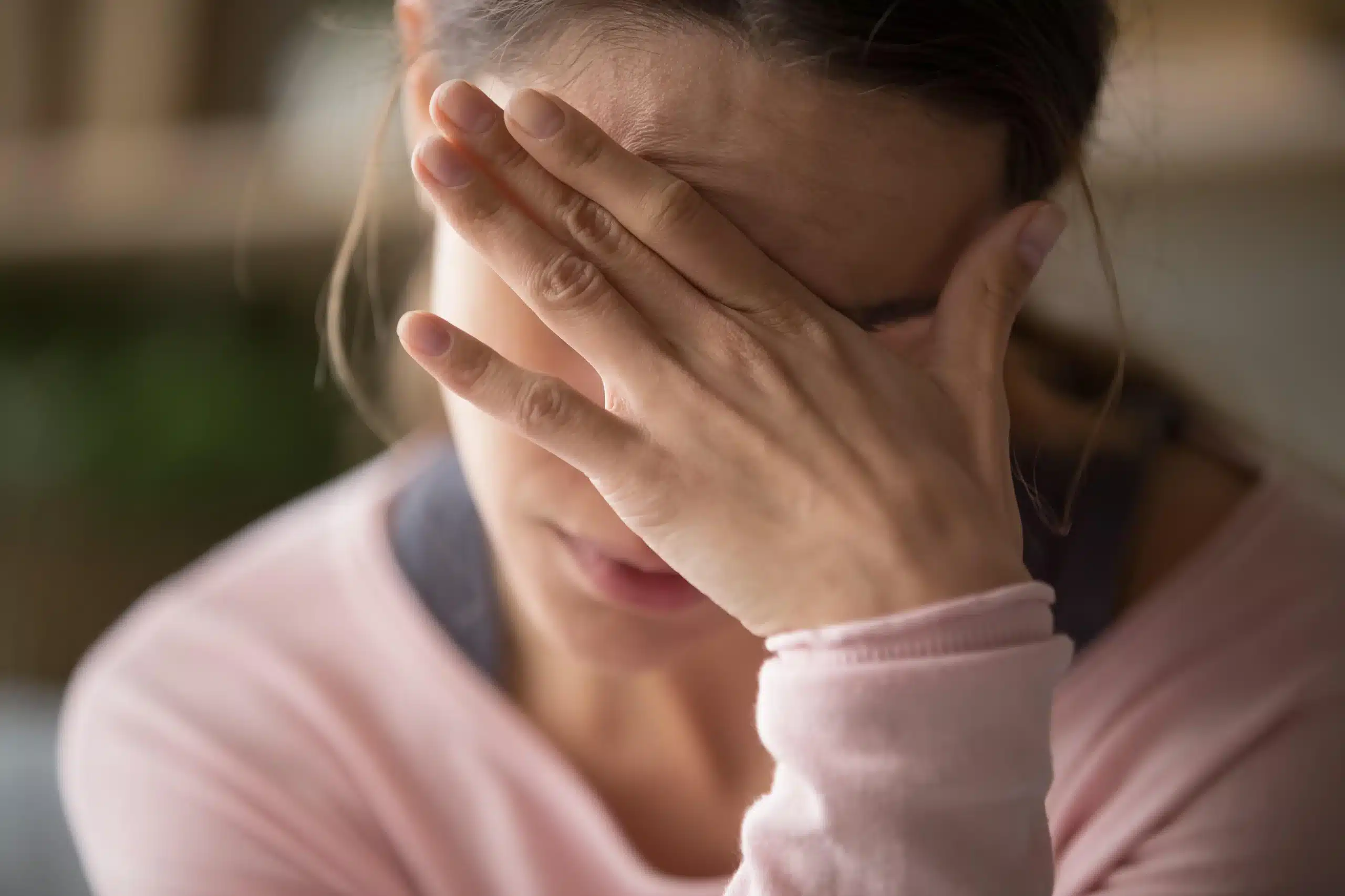
Physical anxiety symptoms can be confusing, frightening and exhausting, especially when they appear suddenly.
You may feel a racing heart before a meeting. A tight jaw after a stressful conversation. A heavy chest when you are trying to sleep. A nervous stomach before leaving the house. Shaky hands, cold fingers, sweating, headaches or a strange lump in your throat.
And then comes the question: "Is something wrong with my body, or is this anxiety?"
The honest answer is that it can be either, and sometimes both need attention. Anxiety can show up physically because the mind and body are deeply connected. When your brain senses pressure, fear, uncertainty or emotional stress, your body may react as if it needs to protect you. This does not mean the symptoms are imaginary. They are real. But they may be coming from your nervous system being on high alert.
Can Anxiety Really Cause Physical Symptoms?
Yes, anxiety can cause physical symptoms throughout the body. When your brain perceives a threat, your nervous system can shift into a fight-or-flight response. Your heart may beat faster. Your breathing may become shallow. Your muscles may tighten. Your digestion may slow down or become unsettled. Your hands may sweat. Your body may feel shaky or restless.
This response can be helpful in real danger. But when it is triggered by stress, worry, fear or emotional pressure, it can feel uncomfortable and scary.
For many women, the hardest part is not only the symptom itself. It is the fear of the symptom. A racing heart can make you worry something is wrong with your heart. Tightness in the throat can make you panic about breathing. Stomach pain can make you wonder if there is a serious illness. That fear can then make the anxiety stronger, creating a difficult cycle.

Common Physical Anxiety Symptoms in Women
Anxiety can show up differently from person to person, but some physical signs are common.
-
🧠Head and NeckTension headaches, tight jaw, teeth grinding, neck stiffness, feeling of a lump in the throat, or pressure around the temples or scalp — especially during stressful weeks.
-
💕Chest and LungsRacing heart, palpitations, chest tightness, shallow breathing or the feeling that you cannot take a full breath. These symptoms can be frightening, especially at night or when resting.
-
🤥Stomach and DigestionNausea, stomach pain, bloating, loss of appetite, diarrhoea, constipation or needing the bathroom more often. The gut is highly sensitive to stress — many women feel anxiety first in the stomach.
-
💪MusclesAches, stiffness, trembling, shakiness, restlessness or a heavy feeling in the body.
-
💨Hands and FeetSweating, cold or clammy hands, tingling, numbness or pins-and-needles sensations.
These symptoms can feel alarming, but they can also be your body's way of saying, "I am under stress."
Your body is not attacking you. It is trying to protect you from a threat it believes is real. With awareness, gentle tools and the right support, you can begin to understand what it is trying to say.Physical Anxiety Symptoms — Is Anxiety Showing Up in Your Body
What Specific Symptoms Are You Noticing?
A helpful first step is to pause and name what you are feeling. Is it your chest? Your stomach? Your head? Your breathing? Your muscles? Your hands? Your sleep? Your appetite?
- What physical symptom am I noticing right now?
- When did it begin?
- Was I stressed, upset, rushed, afraid or overwhelmed before it started?
- Does it come and go, or is it constant?
- Does it improve when I rest, breathe, distract myself or feel safe?
- Has this happened before?
These questions are not meant to replace medical advice. They simply help you observe the pattern. If the symptom is new, severe, worsening or unusual for you, it is always safer to get checked. But if you notice the same symptoms often appearing during stress, your body may be responding to anxiety.
Why Anxiety Affects the Stomach So Much
Many women experience anxiety through the stomach. You may feel nausea before a stressful event. You may lose your appetite when you are worried. You may feel cramps, bloating or sudden bathroom urges when you are under pressure.
This happens because the brain and gut communicate closely. When your nervous system is activated, digestion can change. Your body may treat digestion as less urgent than dealing with the perceived threat. That is why anxiety can make the stomach feel unsettled even when you have not eaten anything unusual.
Anxiety can affect digestion, but digestion problems can also have other causes. If you have severe pain, blood in stool, unexplained weight loss, repeated vomiting, fever or symptoms that persist, speak to a medical professional.
How to Calm Physical Anxiety Symptoms
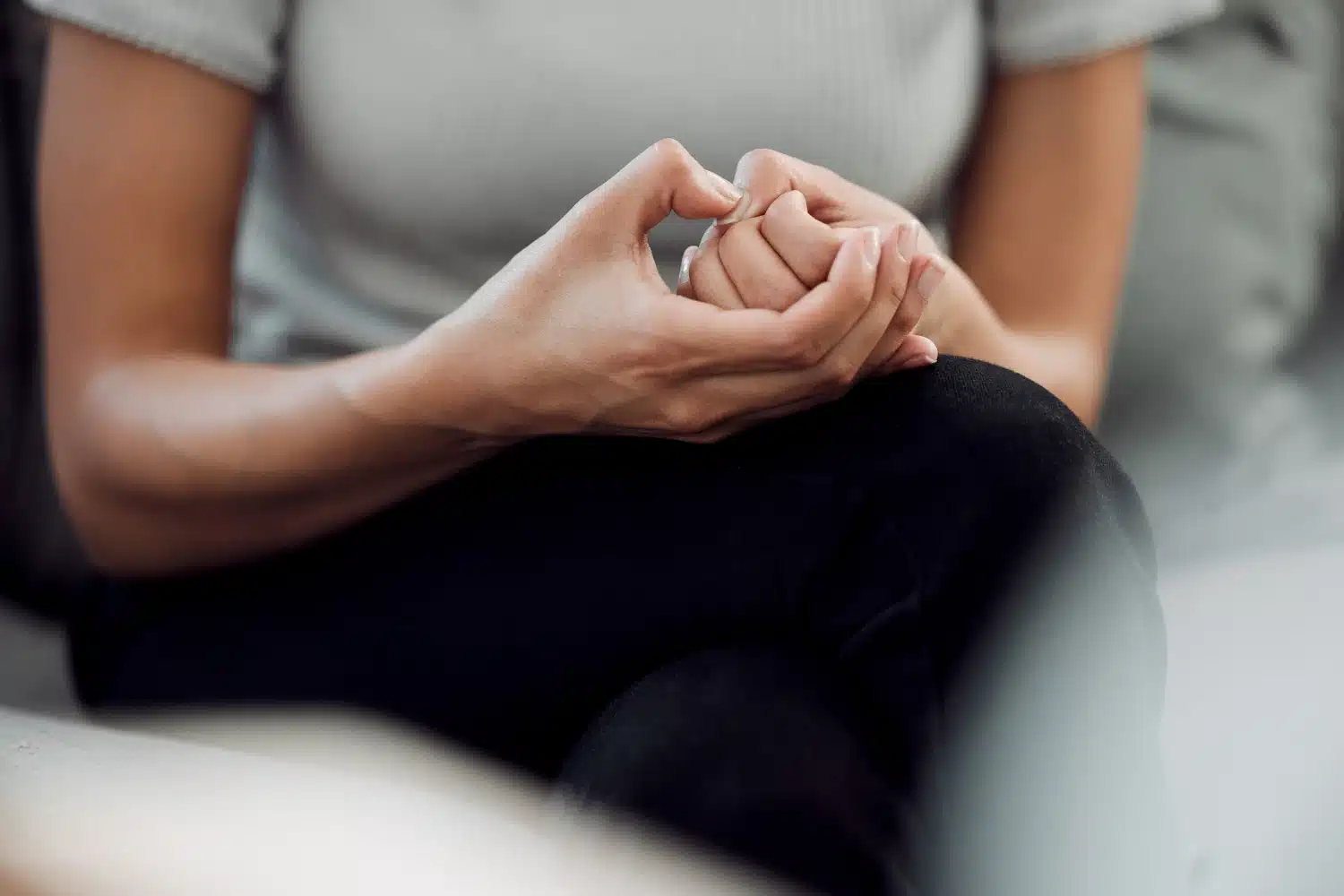
When your body is reacting to anxiety, the goal is not to fight the body. The goal is to gently signal safety.
When Should You See a Doctor?
See a doctor if your symptoms are new, severe, persistent or affecting your daily life.
Women should also pay attention to hormonal health, thyroid issues, anaemia, vitamin deficiencies and reproductive health conditions, because some physical symptoms can overlap with anxiety.
For women interested in wider hormonal health discussions, Satynmag's article on PCOS Is Now PMOS: What Women Need to Know is a useful extra reading option. If you are exploring women's wellness, strength and energy support, you can also read Creatine for Women: Is It Really Worth the Hype? Mental health and physical health are not separate. Both deserve care.
- Notice the symptom.
- Notice when it happens and how long it lasts.
- Notice what helps it settle.
- Then take the next right step — breathing, grounding, resting, speaking to someone you trust or getting medical advice.
- You do not have to dismiss your symptoms. You also do not have to fear every sensation. Your body may simply be asking for safety, rest and support.
Physical Anxiety Symptoms can make you feel as if your body is turning against you. But often, your body is not attacking you. It is trying to protect you from a threat it believes is real. That does not make the symptoms easy. A racing heart, tight throat, upset stomach, trembling hands or shallow breathing can feel deeply uncomfortable. But with awareness, gentle tools and the right support, you can begin to understand what your body is trying to say. You do not have to dismiss your symptoms. You also do not have to fear every sensation. Your body may simply be asking for safety, rest and support.
Your body may not be turning against you. It may simply be asking for safety, rest and support.
For more women-focused health and wellness articles, visit Satynmag's Health & Wellness section.