Health & Wellness
Why You Shouldn’t Follow Every Fitness Trend You See Online
The internet has turned fitness into a fast-moving carousel of trends: one week it’s 12-3-30, next week it’s ice-baths, then it’s “hot girl walks”, then “muscle mommy bulk”, then some celebrity swears by celery juice and adrenal resets. Fitness influencers change routines as often as they change outfits, and millions follow without question. The problem…
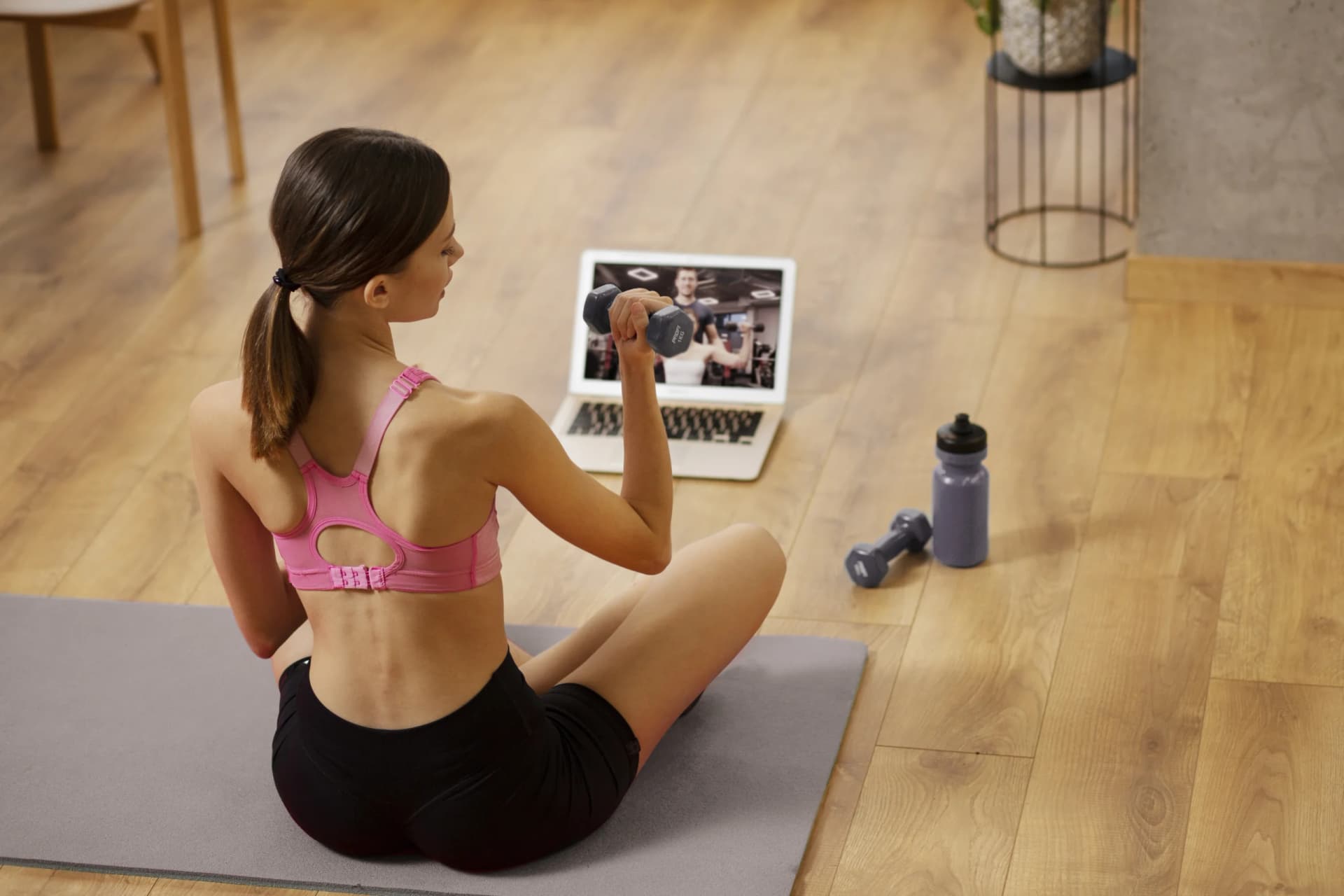
The internet has turned fitness into a fast-moving carousel of trends: one week it’s 12-3-30, next week it’s ice-baths, then it’s “hot girl walks”, then “muscle mommy bulk”, then some celebrity swears by celery juice and adrenal resets. Fitness influencers change routines as often as they change outfits, and millions follow without question.
The problem is simple: your body, your lifestyle, and your long-term health cannot run on trends. What works for someone else might be completely wrong—or even harmful—for you. Understanding why is the first step towards building a sustainable, evidence-based fitness journey.
2. Your Body Has Different Needs, History, and Limits
Fitness is personal biology. Trends assume everyone has the same:
• metabolism
• injury history
• stress levels
• sleep patterns
• hormonal profile
• access to equipment
• athletic background
But two people can do the exact same workout and get completely different results. Genetics alone decide so much—muscle fibre type, limb length, fat storage patterns, recovery speed.
A trend built on someone else’s body, lifestyle, or performance capacity ignores your reality. It also risks pushing you into routines that contradict your own needs.
Continue your growth
Turn useful reading into career momentum.
Explore expert resources, workshops and professional support inside Satyn Circle.
Join Satyn Circle3. Many Trends Ignore Correct Form and Safety
Online workouts often skip what actually matters:
• form
• technique
• warm-ups
• progression
• load management
• mobility work
• injury prevention
Most influencers present the highlight reel—fast reps, aesthetic angles, and dramatic before–after shots. Slow, correct, safe movement does not go viral.
But improper trends can lead to:
• lower back injuries (heavy deadlifts with no coaching)
• knee strain (viral squat challenges)
• shoulder issues (high-rep overhead movements)
• burnout (30-day extreme programs)
The risk is especially high for beginners who don’t yet know what proper form feels like.
4. Trends Overpromise and Oversimplify
Humans want shortcuts. Fitness trends thrive on that desire. But fitness is not a single secret, hack, move, or food.
Examples of oversimplification:
• “Do this one movement for hourglass hips.”
• “Cut carbs = instant fat loss.”
• “Strength training will make you bulky.”
• “Running alone will give you abs.”
• “Intermittent fasting works for everyone.”
The truth is far more complex. Sustainable fitness requires:
• consistent training
• balanced nutrition
• structured progression
• proper recovery
• stress management
• sleep regulation
A trend offering quick transformation is almost always misleading.
5. Your Mental Health Can Take a Hit
Fitness trends often create pressure, comparison, and unrealistic expectations. Seeing influencers with “perfect bodies” promotes feelings of:
• inadequacy
• guilt
• body dysmorphia
• impatience
• self-criticism
You might start thinking:
“I’m not working hard enough.”
“Why don’t I look like her?”
“I must try harder—everyone else is improving.”
But these bodies often involve:
• genetics
• professional photography
• paid trainers
• edited footage
• supplements
• cosmetic enhancements
Following trends without critical thinking can cause mental burnout more than physical progress.
Click on here “Hitting Pause: What Really Happens When You Stop Your Period?”
6. Trends Often Lack Scientific Evidence
The fitness industry is notorious for pseudoscience. Many trends have zero research backing them.
Examples:
• waist trainers (no, they do not reshape your waist)
• spot-reducing exercises
• detox teas and fat burners
• extreme fasting for women
• viral breathing “hacks” to flatten your stomach
The danger is not just wasted time—it’s potential long-term harm. Some “detox” supplements cause liver stress. Some fasting trends disrupt hormonal balance. Some HIIT challenges overstrain joints.
Without evidence, you’re experimenting with your health.
7. “One Size Fits All” Fitness Doesn’t Exist
A trend might work for:
• someone with low stress
• someone who sleeps 8 hours
• someone who has no injuries
• someone with an athletic background
• someone with naturally high metabolism
But for someone juggling work, study, poor sleep, chronic stress, or previous injuries, the same trend is a recipe for exhaustion.
Sustainable fitness must fit your life—not the other way around.
8. Trends Encourage Overtraining and Burnout
Viral challenges often push:
• daily training
• high-intensity workouts
• excessive cardio
• “no rest days” mentality
This can lead to:
• hormonal dysregulation
• chronic fatigue
• impaired immunity
• reduced performance
• injury
• loss of motivation
Rest and recovery are essential. Trends rarely talk about that because it’s not “sexy content”.
9. Influencers Are Not Required to Be Qualified
Anyone can post a workout and go viral. Most influencers are not certified coaches. Many have:
• limited anatomical knowledge
• no understanding of biomechanics
• no background in sports science
• no training in injury prevention
Their bodies become their only “qualification”. But a good physique does not equal expert-level knowledge.
Listening to unqualified advice is like letting a stranger who’s good at maths perform your surgery.
10. Trends Undermine Consistency and Long-Term Discipline
If you jump from one trend to another:
• you never build real strength
• your body never adapts properly
• your form has no chance to improve
• your routine becomes unstable
• you don’t develop mastery in anything
Fitness is a long game. Real progress is built on a foundation of consistency—not novelty.
A trend that excites you for 7 days means nothing if it disrupts the plan you actually need.
11. Online Transformations Are Usually Edited or Manipulated
Social media thrives on illusions. Many before–after photos involve:
• strategic lighting
• posing
• filters
• dehydration
• tight clothing
• professional retouching
• even Photoshop
Comparing yourself to manipulated images is harmful. And following the routines behind those images is misguided because the transformation may not even be real.
12. Some Trends Are Financially Motivated
Many influencers push fitness trends because:
• they are sponsored
• they are launching a program
• they profit from affiliate links
• they want to sell supplements
• they benefit from engagement metrics
This creates a conflict of interest. A trend you trust as “advice” may just be a marketing strategy.
You are not wrong for being inspired—but you must evaluate the motive behind the message.
13. Trends Don’t Account for Female Physiology
A large portion of online fitness content is male-modelled. Female physiology is different in terms of:
• hormones
• recovery speed
• cycle phases
• metabolism
• fat distribution
• injury risk patterns
Trends that ignore female-specific biology—especially cyclical training—can cause setbacks and hormonal stress.
Women need programming that aligns with energy fluctuations across the month, not generic viral routines.
14. Following Trends Can Delay Real Progress
Every time you adapt to a meaningful plan—strength training, progressive overload, mobility—you see results.
But when you interrupt that plan for a new trend:
• your strength progression resets
• your routine loses structure
• your energy gets scattered
• your long-term gains slow down
Trends create noise. Real progress requires quiet consistency.
How to Protect Yourself From Trend-Based Fitness
1. Evaluate the source
Is this person certified? Experienced? Transparent?
2. Ask: does this align with my goals?
Weight loss, muscle gain, rehab, strength—each needs different protocols.
3. Consider your injury history and limitations
A trend is worthless if it pushes your weak spots to injury.
4. Prefer structured, evidence-based training
Strength training, moderate cardio, mobility work, and balanced nutrition are proven pillars.
5. Track consistency—not trends
Your results come from habits, not hype.
6. Adapt your routine to your lifestyle
Your schedule and recovery capacity matter more than online challenges.
7. Prioritise safety, form, and progression
Slow and controlled beats flashy and fast.
8. Use trends only as inspiration, not instruction
You can borrow ideas, but your foundation should stay solid.
Share
Written by
Satyn Editorial