Food
Sri Lankan Food Abroad: Finding Our Place at the World’s Table
From the familiar aroma of roasted curry powder to the comforting taste of rice and curry, Sri Lankan food carries a sense of home wherever it travels. Across the world, Sri Lankan kitchens are becoming part of the global dining experience, not by leaving their traditions behind, but by bringing them to the table alongside other cultures.
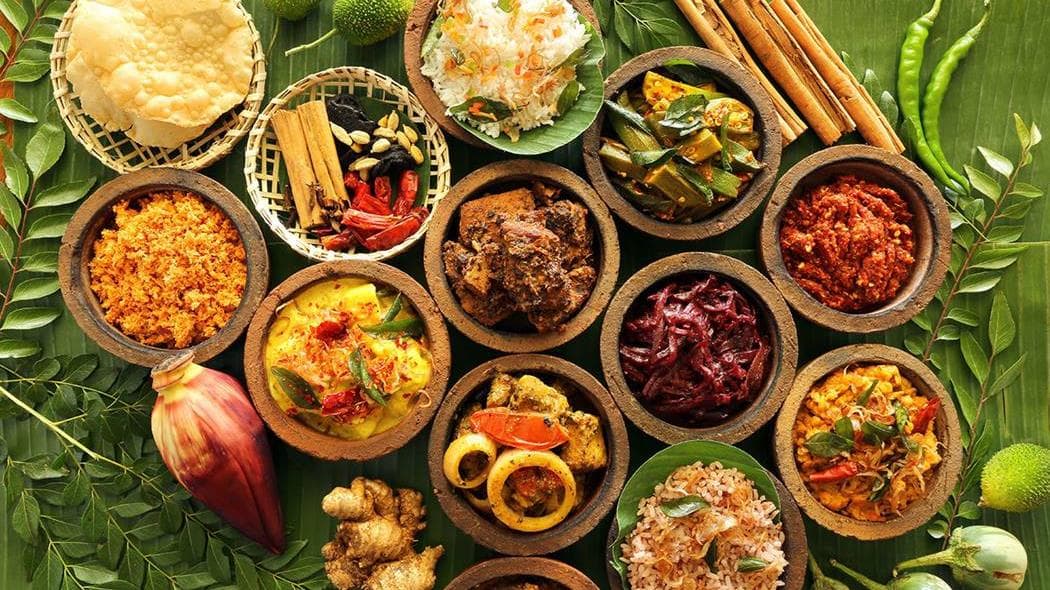
Sri Lankan Food Abroad – There is something about the smell of curry leaves hitting hot oil that can take a Sri Lankan back home in an instant. It does not matter whether the kitchen is in London, Melbourne, Toronto or somewhere much further away. The familiar aroma of roasted curry powder, coconut milk and spices can bring back the sound of a busy family kitchen, Sunday lunches and the comfort of a meal that never needed an introduction.
For many Sri Lankans living overseas, food remains one of the strongest connections to the country they left behind. It is carried in handwritten recipes, carefully packed spices, family cooking habits and dishes that have been prepared the same way for generations. Yet something interesting is happening beyond those family kitchens. Sri Lankan food is becoming part of the wider international dining experience, finding its place alongside the world’s many cuisines without necessarily changing what makes it Sri Lankan.
A Little Piece of Home, Thousands of Miles Away
When people move abroad, they slowly become familiar with new surroundings. They learn where to shop, how to manage unfamiliar weather and what ingredients are available in the local supermarket. Their everyday meals may change too, as they discover new flavours and begin enjoying the food of the country they now call home.
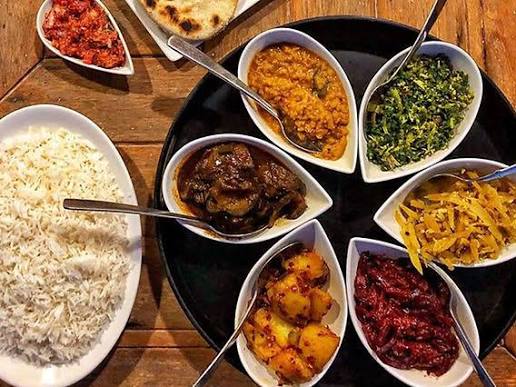
But there are days when nothing quite replaces a familiar plate of rice and curry. It might be parippu made the way it was cooked at home, a properly spiced fish curry, pol sambol with just enough lime or warm string hoppers eaten with coconut milk gravy. These are not necessarily elaborate dishes, yet they carry memories that can be surprisingly difficult to explain to someone who did not grow up with them.
Food has always been about more than satisfying hunger. For people living far from their birthplace, it can preserve a sense of familiarity when almost everything around them has changed. That is why maintaining a Sri Lankan kitchen abroad often becomes something deeply personal.
When the Family Kitchen Becomes a Business
Some of those familiar recipes eventually find their way beyond the home. What begins as cooking for family, neighbours and friends may grow into a catering service, a small food venture or a restaurant serving people from many different backgrounds. The cooking becomes a livelihood, but the emotional connection to the food often remains.
There is something special about that journey. A dish once prepared for a family gathering may eventually be served to someone who has never visited Sri Lanka or even tasted Sri Lankan food before. A recipe passed between generations becomes part of a menu, and something that began as a family tradition finds a completely new audience.
Of course, running a food business abroad comes with practical challenges. Ingredients have to be sourced, kitchens must meet local requirements and menus need to make sense to customers unfamiliar with the cuisine. Yet making Sri Lankan food accessible does not mean it must lose its character. Often, the most meaningful achievement is giving people the opportunity to discover its original flavours.
Continue your growth
Turn useful reading into career momentum.
Explore expert resources, workshops and professional support inside Satyn Circle.
Join Satyn CircleSri Lankan Food Does Not Have to Become Something Else to Belong
Walk through a culturally diverse city and you may find Italian pasta, Japanese ramen, Middle Eastern grills, Korean dishes and South Asian curries within a few streets of one another. Each kitchen has its own history, cooking methods and flavours. People move comfortably between them, enjoying different food traditions without expecting them all to taste alike.
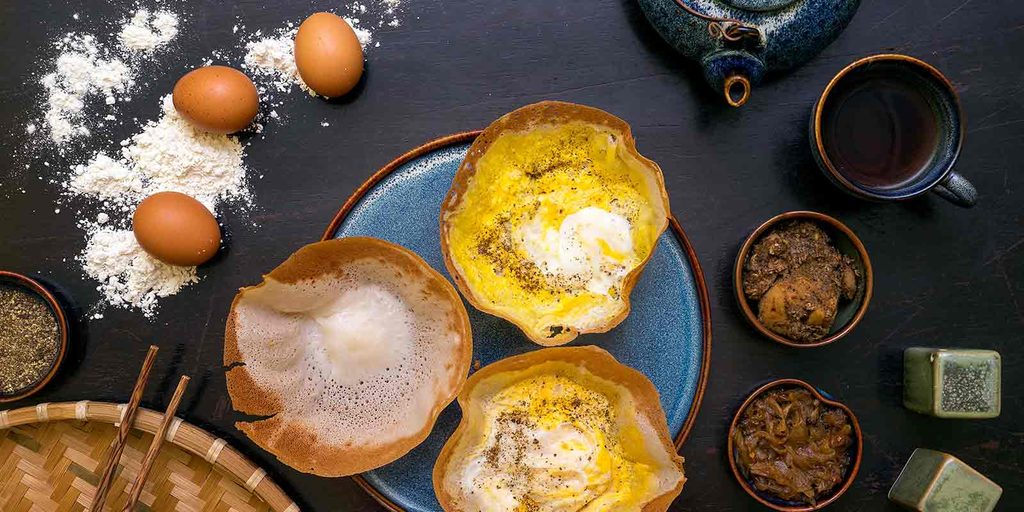
Sri Lankan cuisine deserves that same space. A hopper does not need to become another country’s pancake to be appreciated, and a Sri Lankan curry does not have to taste like an Indian, Thai or Malaysian curry simply because those cuisines may be more familiar to some customers. It can be introduced, explained and enjoyed for what it is.
This is perhaps the most interesting part of Sri Lankan food’s international journey. The opportunity is not always to mix cuisines together, but to allow them to sit comfortably alongside one another. There is room for different traditions on the same street, in the same dining culture and even around the same table.
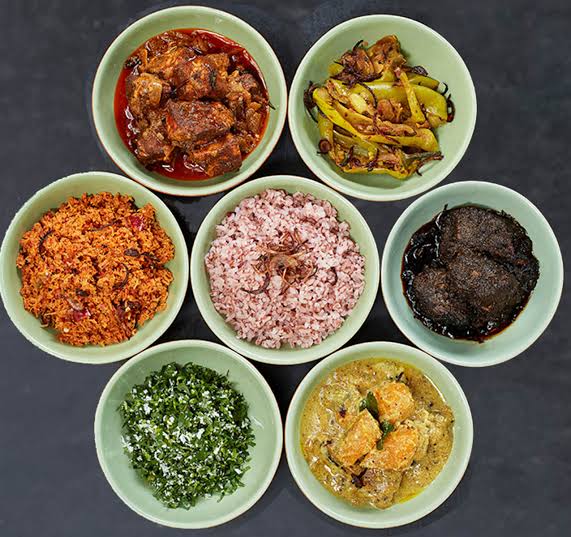
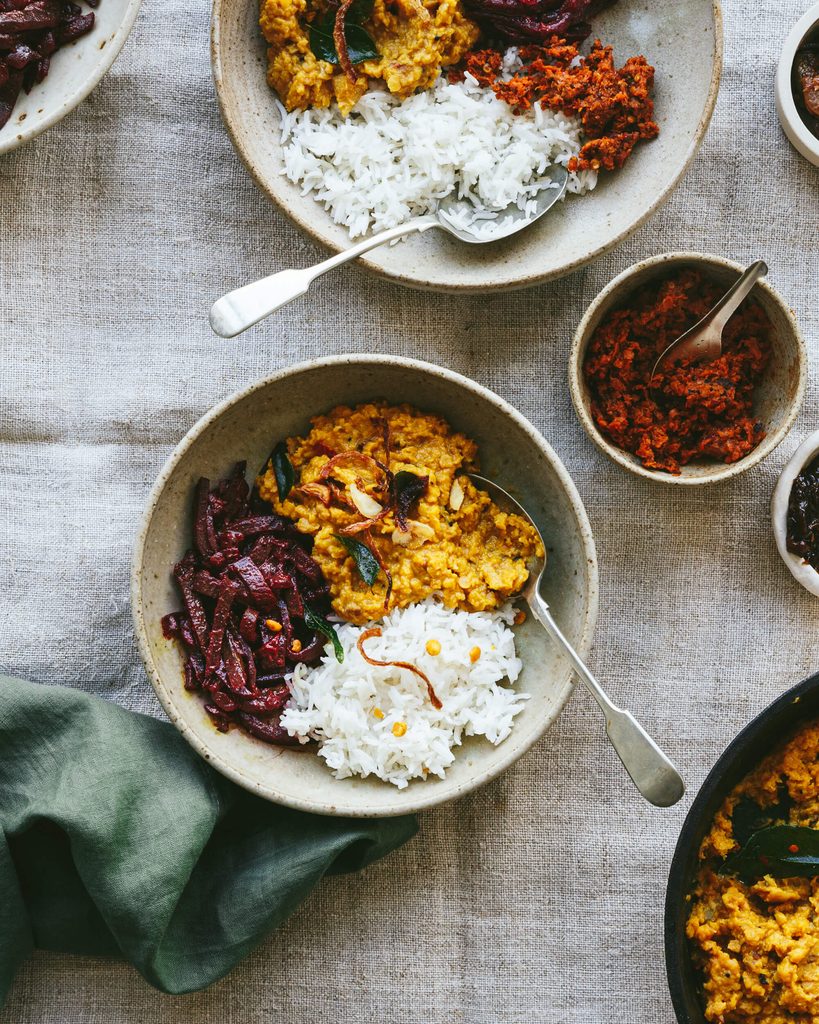
Someone might enjoy a traditional Sri Lankan lunch one day and Italian food the next. Neither experience needs to replace the other, and neither cuisine has to surrender its identity to make the meal enjoyable.
Our Own Kitchen Has Always Been Full of Different Histories
Interestingly, Sri Lankan food itself has never belonged to just one cooking tradition. Our island’s cuisine carries the influences of its geography, communities and long history of cultural exchange. Sinhala, Tamil, Muslim, Malay and Burgher food traditions have all contributed to the variety we recognise today.
Think about the difference between a northern Sri Lankan curry, a southern fish ambul thiyal, a Dutch Burgher lamprais and a rich watalappan associated with Malay Muslim culinary heritage. They do not taste the same, and they were not all born from the same traditions. Yet together, they form part of Sri Lanka’s wonderfully varied food identity.
That history matters when we talk about preserving our cuisine overseas. Authenticity does not mean pretending that Sri Lankan food has never changed or been influenced by others. It means respecting the origins, ingredients, techniques and traditions that give each dish its character, even as it finds a place in a different country.
Our kitchen has always known how to welcome different influences while developing flavours of its own.
The Ingredients May Travel, but the Knowledge Matters More
Recreating a traditional Sri Lankan dish abroad is not always simple. Certain fresh ingredients can be difficult to find, and imported spices may cost considerably more than they do at home. The coconut, greens, fish or vegetables available in another country may not be exactly what a Sri Lankan cook is accustomed to using.
That is where the knowledge behind the recipe becomes important. Understanding when to add the curry leaves, how long to roast the spices, how coconut milk changes during cooking or how to balance sourness and heat can matter just as much as following a written ingredient list. Those small details are often learned by watching someone cook rather than reading a recipe.
Using seasonal produce from another country does not automatically mean abandoning Sri Lankan cooking. A kitchen can work with what is available while respecting the preparation, seasoning and balance that define the dish. There is a difference between adapting to a new place and changing a recipe until its original character has disappeared.
Every New Customer Becomes Part of the Story
For someone unfamiliar with Sri Lankan food, the first encounter can be a small discovery. They may not know why hoppers have delicate, crisp edges and soft centres, or why a meal of rice and curry arrives with several different preparations rather than one curry poured over rice. Even the combination of sweetness, sourness, chilli and coconut may be quite different from what they expect.
That first meal creates an opportunity for cultural exchange. People begin learning the names of dishes, asking about ingredients and understanding why certain foods are associated with celebrations, family meals or particular regions of Sri Lanka. A kitchen becomes a place where culture is shared in a way that feels natural and enjoyable.
This is an important part of taking Sri Lankan food into the global dining world. The aim need not be to make every visitor feel that the food is already familiar. Sometimes the pleasure comes from discovering something new and finding that it is delicious exactly as it is.
And for the Next Generation, the Kitchen Keeps a Connection Alive
There is another side to this story that deserves attention. Children growing up abroad may know Sri Lanka through family visits, photographs, stories and the language spoken at home. But they may come to know it just as strongly through food.
They remember the dishes prepared for celebrations, the sweets that appear on special occasions and the meals that bring relatives together. Even when they grow up eating many different cuisines, those familiar Sri Lankan flavours can remain part of their understanding of where their family comes from.
When traditional cooking becomes part of a business, that connection can reach beyond the immediate family. Recipes are documented, cooking techniques are taught to others and foods that might otherwise remain within a small community become visible to a wider audience. Preserving a culinary tradition is not only about repeating what came before; it is also about making sure another generation has the opportunity to know it.
Sri Lankan Food Abroad – There Is Room at the World’s Table for Our Food
Sri Lankan cuisine does not need to compete with every other kitchen to prove that it belongs. Its place in the global food world can grow through good cooking, genuine hospitality, careful preparation and a willingness to introduce people to flavours they may not have experienced before. The richness of international dining comes from having different cuisines to discover, not from making every dish taste similar.
For Sri Lankans building food businesses overseas, there can be considerable pride in serving familiar dishes in an unfamiliar place. It means that something learned at home has travelled far enough to become part of another community’s everyday food choices. A recipe once known within a family can eventually become somebody else’s favourite meal.
And perhaps that is the most beautiful part of Sri Lankan food abroad. The kitchen may have a different view from its window, the customers may speak different languages and the ingredients may come from markets thousands of miles from the island. But when the spices begin to roast and the curry leaves touch the hot oil, there is still something unmistakably Sri Lankan about what is being prepared.
We do not have to change that feeling to share it with the world. We only have to make room for it at the table.
For more stories about food, ingredients and the traditions that bring us together, explore Satynmag’s Food section.
Share
Written by
Satyn Editorial