Health & Wellness
Protein-Rich Foods During Period: What Actually Helps?
Periods can bring cravings, tiredness and a suddenly different appetite. Instead of chasing a special “period diet”, here is how familiar protein-rich foods can make those days easier to eat through.
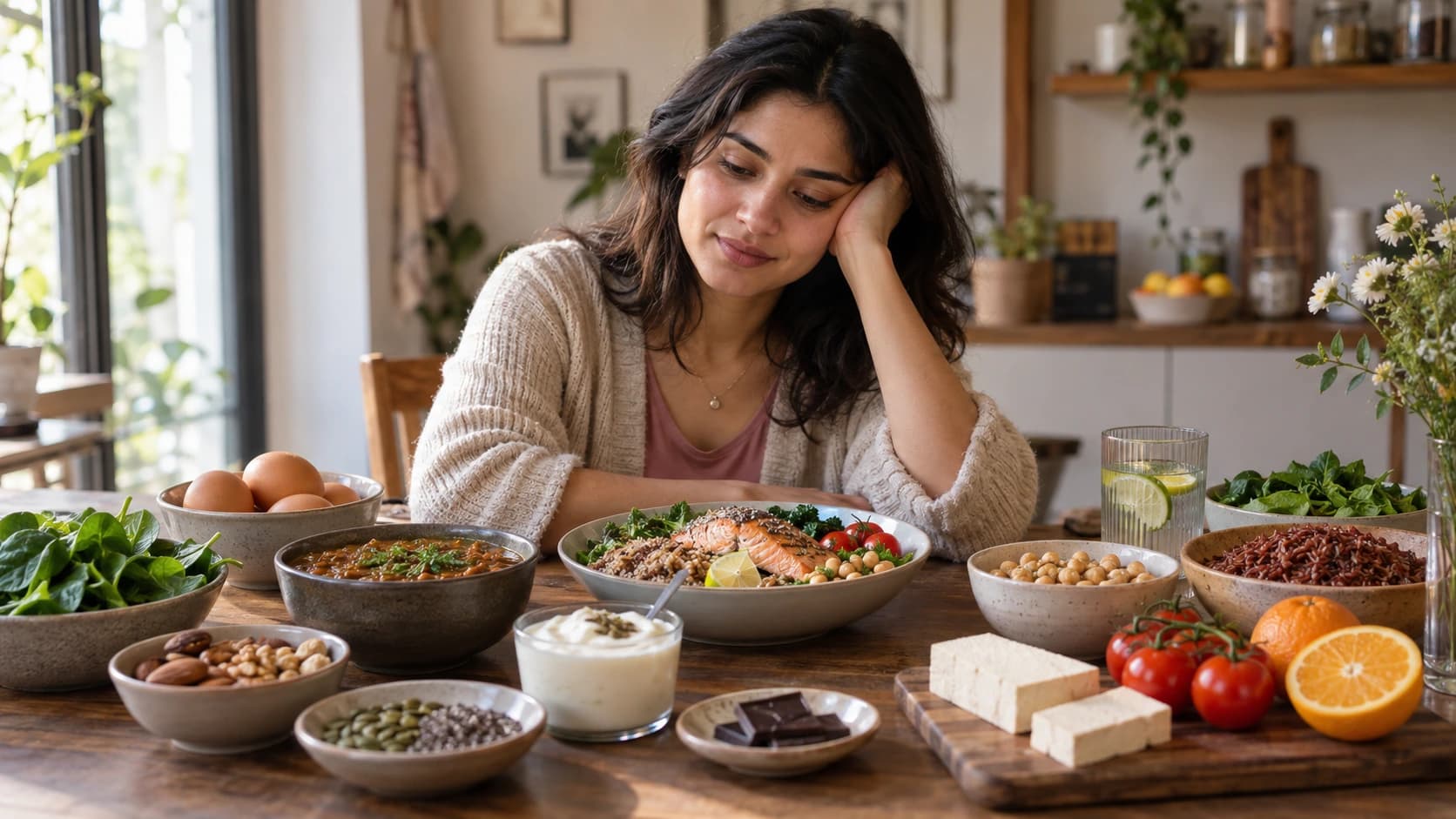
Protein-Rich foods during period may not sound as tempting as chocolate, something salty or the exact takeaway meal you suddenly cannot stop thinking about. Yet when your period is approaching and your appetite seems to have developed a personality of its own, building meals around protein can be surprisingly useful.
That does not mean there is a special amount of chicken, eggs or dhal that will stop cramps or magically “balance your hormones”. Period nutrition is much less dramatic than social media makes it look. Protein simply gives your meals more substance, supports normal body functions and can be paired with foods providing iron, fibre and other nutrients that are particularly worth paying attention to when you menstruate.
The aim is not to eat perfectly for five days every month. It is to understand what your body may be asking for and make those days a little easier.
Why You May Feel Hungrier Before Your Period
Have you ever noticed that the week before your period can feel very different from the week after it? You may want larger meals, think about chocolate more often or find yourself opening the kitchen cupboard an hour after dinner.
There is research behind that experience. A study of healthy menstruating women found that appetite and cravings for sweet and salty foods increased during the late luteal phase, which is the part of the cycle before menstruation. Protein intake was also somewhat higher during an earlier part of that phase.
The study does not mean your body is issuing a scientific instruction to eat more protein. It simply shows that food intake and appetite can shift across the menstrual cycle.
This is one reason a proper meal often feels better than trying to fight a craving with coffee and willpower.
What Protein Is Actually Doing for You
Protein provides amino acids that the body uses to maintain and repair tissues and make enzymes, hormones and many other important compounds. It also helps make a meal more substantial.
That is useful during your period because meals can easily become chaotic. Perhaps cramps make you skip breakfast, tiredness leads to a very quick lunch, and by late afternoon you are desperately hungry and reaching for whatever is available.
Adding a reliable protein source can make meals feel more complete.
Think eggs with your morning meal rather than plain toast, lentils alongside rice rather than rice alone, fish with vegetables, chickpeas added to a quick bowl, or tofu cooked with greens.
You do not need an entirely different menu just because you are menstruating. Often the simplest improvement is adding protein to the food you already eat.
Continue your growth
Turn useful reading into career momentum.
Explore expert resources, workshops and professional support inside Satyn Circle.
Join Satyn CircleThe Best Choices Do More Than Provide Protein
Some protein-rich foods come with another advantage: they provide iron.
Menstrual blood loss means iron deserves particular attention during the reproductive years. Foods such as meat, fish and seafood provide protein together with iron, while lentils, beans, chickpeas and tofu provide useful plant-based combinations.
Plant iron is not absorbed as easily as the iron found in animal foods, but pairing it with vitamin C can help. That can be as simple as adding tomato, capsicum, guava, citrus or a squeeze of lime to the same meal.
So a lentil curry with greens and lime is doing several jobs at once. So is fish with vegetables. So are chickpeas tossed with tomato and lemon.
You do not need to calculate every gram at the dining table. Build variety into the week instead.
Protein-Rich Foods During Period: Eight Easy Foods Worth Keeping Around
The most useful period food is often the one you can prepare even when you do not feel like cooking.
Eggs are quick and easy to add to breakfast, rice or vegetables. Lentils and mung beans are inexpensive, filling and easy to cook in batches. Chickpeas work in curries, salads or quick stir-fries. Fish gives you protein and, depending on the type, other useful nutrients. Chicken can turn a vegetable-heavy meal into something more substantial.
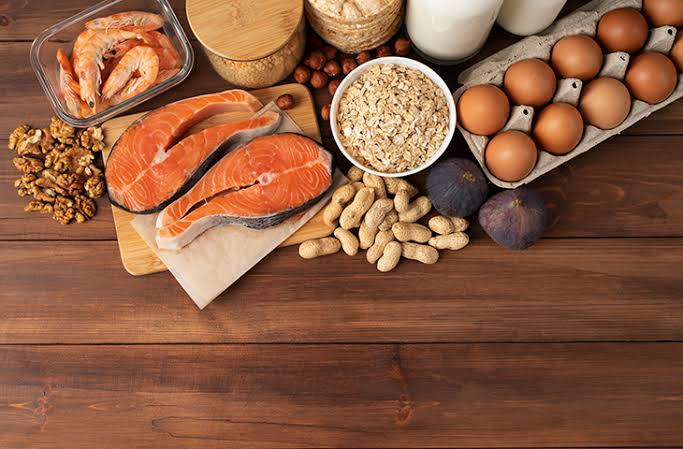
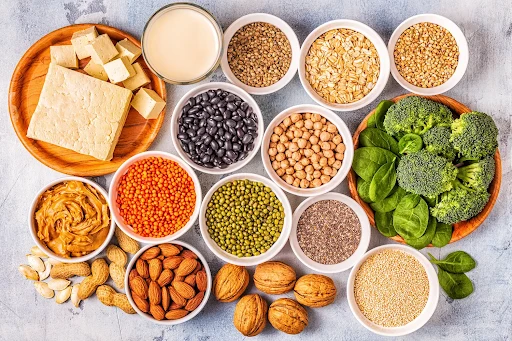
Tofu is useful when you want a plant-based option, while plain yoghurt or curd can work as a snack or alongside a meal if you tolerate dairy. Nuts and seeds are convenient for adding to breakfast or snacks, although they work better as part of a meal pattern rather than becoming your only protein source.
The point is not finding the “highest protein food”. It is having several easy choices available when energy and patience are both running low.
For more practical meal ideas, Satynmag’s guide to 10 High-Protein, Gut-Friendly Meals for Busy Women is useful for the rest of the month too.
What About Chocolate Cravings?
Want the chocolate. Eat the chocolate.
There is no need to turn a normal premenstrual craving into a nutritional emergency. The trick is not expecting chocolate, biscuits or crisps to replace an actual meal when you are hungry.
Try eating normally first. Have the lentils and rice, the egg and flatbread, the fish and vegetables or whatever proper meal is available. Then have something sweet if you still want it.
Food cravings are common before periods, and trying to impose extreme restrictions can make eating feel much more complicated than necessary.
Protein can make a meal satisfying. It does not need to become a weapon against dessert.
Does Protein Help With “Hormonal Imbalance”?
This phrase appears everywhere online, but “hormonal imbalance” is not one single condition.
Periods can be affected by PCOS, thyroid disorders, perimenopause, pregnancy, changes in body weight, stress, medications and other health conditions. Eating adequate protein is part of a balanced diet, but there is no convincing evidence that simply increasing protein will correct all of these problems.
Research has looked at protein intake and reproductive hormones, but the picture is still developing. Studies have not shown that eating more total protein automatically produces healthier hormone levels in otherwise healthy women.
So when someone sells a protein product by promising to “balance female hormones”, it is reasonable to be sceptical.
Nutrition supports health. It does not make every hormonal problem disappear.
Can Protein Powder Affect Your Period?
For most people, an ordinary protein powder used as part of an adequate diet is not expected to suddenly stop menstruation.
The bigger question is what else is happening.
Someone may start drinking protein shakes at the same time as beginning an aggressive weight-loss programme, eating far fewer calories and exercising intensely. If periods then become irregular, the shake may get blamed even though the larger issue is inadequate energy intake or rapid weight change.
Supplements also differ considerably. Some powders contain only protein, while others contain herbs, stimulants or additional ingredients. Always check the label rather than assuming every “fitness” powder is essentially the same product.
And remember that food works perfectly well. You do not need protein powder simply because your period has started.
Can a High-Protein Diet Delay Your Period?
Protein itself is not recognised as a routine cause of delayed menstruation.
An extremely restrictive diet can be different.
If a “high-protein diet” means cutting out large amounts of carbohydrates and fat, dramatically reducing calories and losing weight quickly, the overall energy shortage can affect reproductive function.
Your menstrual cycle needs adequate nutrition, not one macronutrient taken to an extreme.
If your usually regular period becomes repeatedly late or disappears for three months without an obvious explanation, it deserves medical attention rather than another dietary adjustment.
Pregnancy should also be considered when relevant.
Those Nine Signs Your Period May Be Coming
There is no required set of nine symptoms that everyone experiences before menstruation. Some women barely notice anything while others recognise their period days before bleeding begins.
Common premenstrual changes include bloating, breast tenderness, food cravings or appetite changes, tiredness, headaches, body aches, irritability or mood changes, sleep disturbance and digestive symptoms.
What matters most is your own pattern.
When symptoms repeatedly appear before menstruation and ease after the period begins, they may fit with PMS. When mood or physical symptoms are severe enough to disrupt work, relationships or normal daily life, it is worth discussing them with a healthcare professional rather than assuming severe PMS is something you simply have to tolerate.
And What Is the 7-2-1 Rule?
You may have seen the “7-2-1 rule” appearing in period searches. It is a simple screening reminder for potentially heavy menstrual bleeding, not a rule telling you how a normal menstrual cycle must behave.
The usual version refers to bleeding lasting seven days or longer, needing to change a pad or tampon around every two hours or more often, or passing clots larger than about one inch.
Those are useful signs to bring up with a healthcare professional, particularly if you also feel unusually exhausted, dizzy or short of breath.
Heavy periods can contribute to iron deficiency. If you regularly experience very heavy bleeding, adding more steak, lentils or spinach is not a substitute for finding out why.
A Better Way to Eat Through Period Week
Rather than creating a strict “period diet”, keep your normal meals and make them a little more useful.
Put an egg beside breakfast. Add lentils or beans to lunch. Keep cooked chickpeas ready in the refrigerator. Choose fish or chicken when you enjoy them. Add tofu to vegetables. Keep nuts available for the afternoon when dinner is still hours away.
Include vegetables, fruit and whole grains instead of replacing everything with protein. Drink enough fluid, especially if headaches, diarrhoea or hot weather are making you feel drained.
Most importantly, allow appetite to vary without treating it as lack of discipline.
Your body may feel different at different points of the month. That does not mean every craving needs a cure or every meal needs to become a nutritional formula.
The Real Point of Protein During Your Period
Protein-Rich Foods During Your Period are useful because they help you build proper meals during a few days when appetite, energy and food preferences may be changing.
They will not switch off period pain, correct every hormonal condition or guarantee a perfectly regular cycle. Protein powder is not automatically harmful to menstruation, and a sensible protein-rich diet does not normally delay a period simply because it contains more protein.
Think instead about the whole meal: protein for substance, iron-containing foods where possible, vegetables or fruit, useful carbohydrates and enough overall food to support your body.
Your period does not need a perfect diet. It needs you to eat well enough to get through it.
Share
Written by
Satyn Editorial