Health & Wellness
Is Oat Milk Falling Out of Fashion? Why People Are Turning Back to Dairy Milk
Not so long ago, ordering an oat milk latte felt like the fashionable, healthy choice. But now, a growing conversation about protein, blood sugar and nutritional value is bringing traditional cow’s milk back into the spotlight. Is oat milk really falling out of fashion, or are we simply becoming more thoughtful about what we drink?
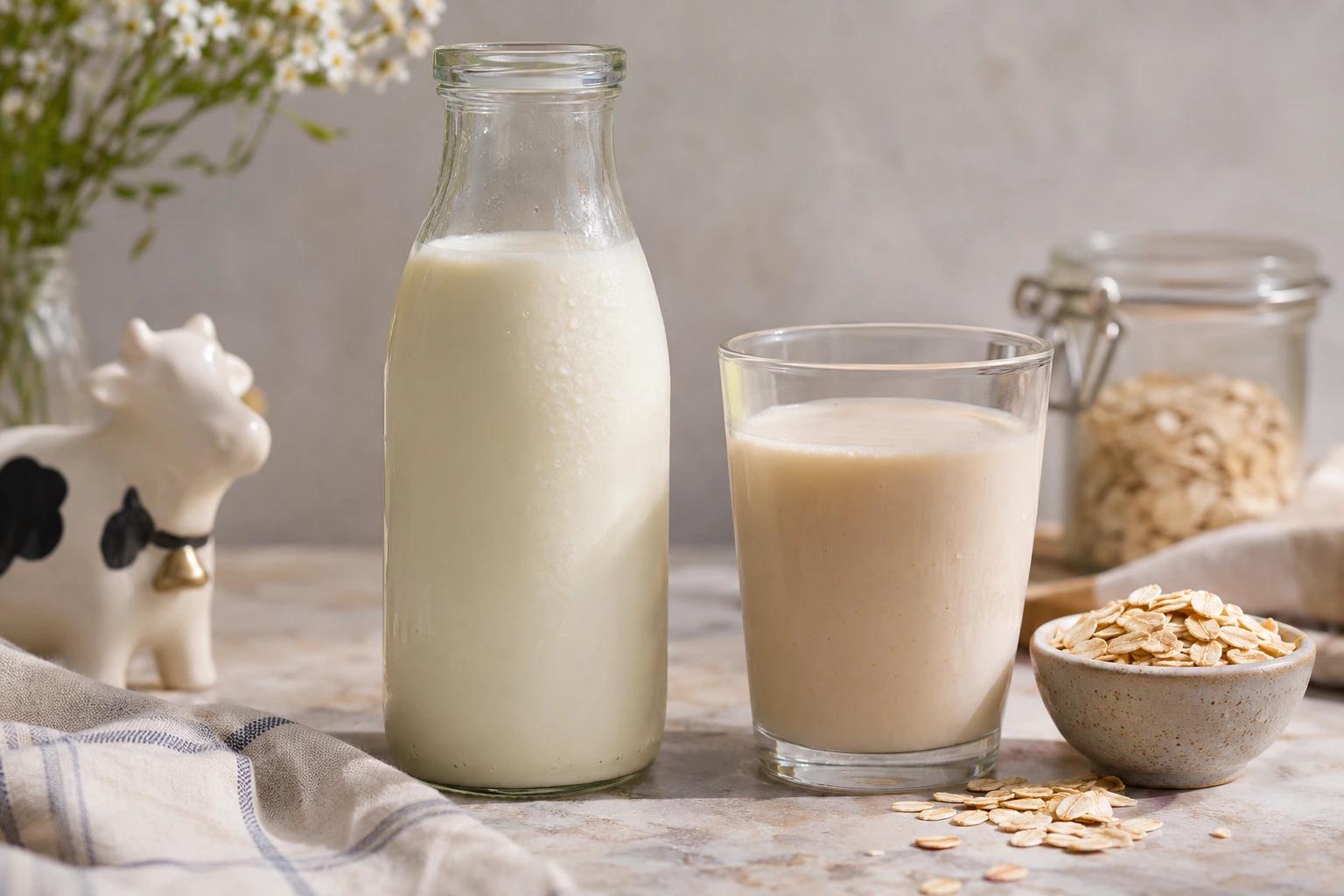
Not so long ago, ordering an oat milk latte almost felt like making a little statement about healthy living. Oat, almond and soy milk were becoming familiar choices in cafés, supermarket shelves were filling with plant-based alternatives, and even people who had happily enjoyed cow’s milk for years began experimenting with something different.
But the conversation around oat milk vs dairy milk is changing. After years of enthusiasm for plant-based alternatives, ordinary cow’s milk is attracting renewed attention for its protein content and familiar nutritional benefits. Suddenly, the milk we grew up drinking is part of the food conversation again.
Recent discussions about oat milk and blood sugar have encouraged consumers to take another look at what their favourite milk actually contains. The suggestion that oat milk is approaching its end may be rather dramatic, and there is little reason to assume everyone is abandoning it. Nevertheless, it raises an interesting question: have we been too quick to believe that anything labelled plant-based must automatically be healthier?
What Made Oat Milk So Popular in the First Place?
Part of oat milk’s appeal was how easily it became part of everyday life. It has a naturally pleasant flavour, blends beautifully into coffee and creates the creamy texture that makes a cappuccino so enjoyable. For people who cannot comfortably digest lactose or prefer not to consume dairy, it also provides another option.
Its popularity grew alongside greater interest in plant-based eating, environmental sustainability and products marketed around health and wellness. Ordering an oat milk latte became associated with a modern, health-conscious lifestyle, particularly among younger café customers.
But there is a difference between a product becoming fashionable and being nutritionally superior. That distinction is now attracting more attention as consumers begin questioning whether their everyday food choices actually provide what they need.
Oat Milk vs Dairy Milk: Which Has More Protein?
One of the strongest nutritional arguments in favour of traditional cow’s milk is its protein content. A standard cup of cow’s milk, approximately 240 millilitres, generally provides around eight grams of protein, alongside calcium, vitamin B12 and other important nutrients.
Many ordinary oat milk products provide considerably less protein, often around two to four grams per cup, although the amount varies by formulation. Almond milk is generally lower in protein, while soy milk can provide an amount closer to dairy milk.
Protein supports muscle maintenance, tissue repair and many essential functions throughout the body. For someone who drinks milk regularly and relies on it as a meaningful source of protein, these differences are worth understanding.
However, this does not mean oat milk has no nutritional value. Some plant-based alternatives are fortified with calcium and vitamins, while certain formulations contain added protein. As nutrition comparisons of dairy and plant-based milk show, the products are not always nutritionally interchangeable.
The useful question is not simply which milk sounds healthier, but what each one contributes to your overall diet.
Continue your growth
Turn useful reading into career momentum.
Explore expert resources, workshops and professional support inside Satyn Circle.
Join Satyn CircleDoes Oat Milk Really Raise Blood Sugar?
Another reason oat milk is attracting scrutiny is its carbohydrate content. Oats naturally contain starch, and during the manufacturing process, some of that starch may be broken down into smaller carbohydrates and sugars. Consequently, certain oat milk products contain more carbohydrates than consumers expect, even when no additional sweetener has been used.
These carbohydrates can affect blood glucose levels, which may be particularly relevant for people managing diabetes or prediabetes. However, it would be misleading to conclude that oat milk is unhealthy simply because it can raise blood sugar.
Cow’s milk also contains naturally occurring sugar in the form of lactose. The difference lies in the overall nutritional composition, including the amounts of carbohydrate, protein and fat.
As guidance on choosing milk when managing diabetes explains, nutritional differences and serving sizes are important considerations.
A little oat milk in morning coffee is not the same as drinking several large glasses throughout the day. The sensible approach is to understand what the product contains, particularly when blood sugar management is already a health concern.
Is Going Back to Cow’s Milk Actually a Better Choice?
For many people, ordinary cow’s milk remains a nutritious and familiar option. It provides protein, calcium and several other nutrients without relying on fortification to provide its basic nutritional profile.
In Sri Lanka, fresh milk and powdered milk have long been part of household routines. From morning tea to everyday cooking, dairy is familiar in ways that imported plant-based alternatives may not be. Depending on the product and retailer, plant-based milk can also cost considerably more.
But dairy is not suitable for everyone. Some people experience digestive discomfort because of lactose intolerance, while those with a cow’s milk protein allergy need to avoid the relevant milk proteins. Others choose plant-based alternatives because of ethical, environmental or personal preferences.
If dairy causes digestive discomfort, our earlier article on what to eat when you are lactose intolerant explores suitable alternatives and ways to maintain a balanced diet.
It is also worth remembering that cow’s milk comes in full-fat, reduced-fat and skimmed varieties, which differ in their fat and energy content. Individual health needs still matter when deciding which is most suitable.
Why Reading the Milk Label Matters More Than Following Food Trends
Perhaps the most useful outcome of this discussion is that people are beginning to look more closely at nutrition labels rather than relying entirely on packaging or healthy-sounding descriptions.
Two oat milk products can contain very different amounts of protein, carbohydrates and added sugar. Some contain added calcium and vitamins, while others provide relatively little of these nutrients.
The same attention should be given to dairy products, particularly flavoured milk drinks that may contain added sugar.
And while milk is a convenient calcium source, it is certainly not the only one. Our feature on calcium-rich dinners for women over 50 explores how familiar foods can contribute to calcium intake without depending entirely on dairy.
Whether something comes from a plant or an animal does not tell us everything about its nutritional quality. The ingredients, nutrient content, serving size and your own dietary requirements provide a much clearer picture.
So, Is Oat Milk Really Going Out of Fashion?
Probably not in any simple sense. The renewed attention given to dairy does not mean plant-based milk is about to disappear from supermarket shelves or coffee shop menus. There are still plenty of reasons people enjoy oat milk, from its flavour and texture to dietary preferences and practical needs.
What seems to be changing is the assumption that dairy-free automatically means healthier. Consumers are questioning whether products associated with wellness necessarily offer the nutritional benefits they expect.
Food fashions have a habit of coming full circle. Ingredients once considered old-fashioned are rediscovered, while products enthusiastically embraced as healthier alternatives begin facing closer scrutiny.
Perhaps that is not a bad thing.
For those who enjoy cow’s milk and can consume it comfortably, there is little reason to abandon it simply because another option is fashionable. Equally, people who enjoy oat milk do not need to stop drinking it because the conversation has shifted.
The choice should come down to nutritional needs, personal preferences, cost and how each product fits into an overall balanced diet.
After all, the healthiest choice is not necessarily the one attracting the most attention on social media. Sometimes, it is simply the one that makes the most sense for you.
Share
Written by
Satyn Editorial