Mom & Baby
Gestational Diabetes Screening: What Should Pregnant Women Expect?
Pregnancy comes with many appointments, questions and unexpected changes. When your doctor mentions a gestational diabetes test, it is natural to wonder what it involves and whether everything is alright with your baby. Here is a gentle guide to understanding why screening matters, what happens during the test and when to seek medical support.
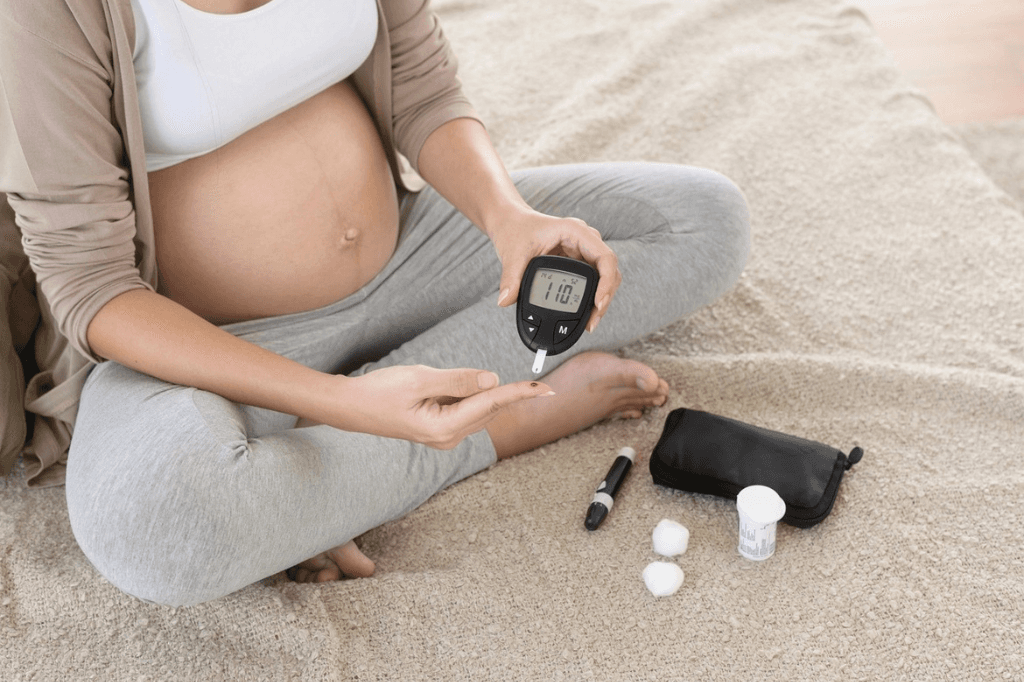
Pregnancy brings so many new experiences. There are appointments to remember, little changes to notice and moments when you find yourself wondering whether everything you are feeling is normal. One day, you are discussing your baby’s growth with your doctor, and the next, you are being asked to come for a blood sugar test. Naturally, you might wonder why you need another test when you are feeling perfectly fine.
For many expectant mothers, hearing the words gestational diabetes can sound worrying, particularly during a pregnancy that has otherwise been progressing well. But screening is a normal part of maternity care in many healthcare settings, and understanding what it involves can make the experience less unfamiliar. More importantly, it helps women recognise why medical check-ups matter even when there are no obvious symptoms.
What Is Gestational Diabetes, and Why Can It Happen During Pregnancy?
Gestational diabetes is a condition in which blood sugar becomes too high during pregnancy. As pregnancy progresses, hormones produced by the placenta can make it harder for the body to use insulin effectively. When the body cannot produce enough insulin to meet these changing needs, blood glucose levels may rise.
It can happen to women who have never had diabetes before, including those who consider themselves healthy. Some women have additional risk factors, such as a family history of diabetes or gestational diabetes during a previous pregnancy. However, it is important to remember that a woman cannot always predict her risk simply by looking at how she feels.
The encouraging part is that gestational diabetes can be identified and managed with appropriate medical care. Early diagnosis gives the maternity team an opportunity to support both mother and baby throughout the remaining pregnancy.
When Is the Gestational Diabetes Test Usually Done?
One of the most common questions is when the test will take place. Gestational diabetes screening is usually carried out between 24 and 28 weeks of pregnancy, although the exact approach can differ between healthcare systems and individual maternity clinics.
Some women may be offered testing earlier, especially if they have previously experienced gestational diabetes or have other relevant risk factors. Depending on their circumstances, further testing may also be recommended later in pregnancy.
If your doctor has not yet mentioned screening, ask about it during your next antenatal appointment. Your obstetrician or maternity healthcare professional can explain which tests are recommended for you and when they should be performed.
Continue your growth
Turn useful reading into career momentum.
Explore expert resources, workshops and professional support inside Satyn Circle.
Join Satyn CircleDo You Need a Diabetes Test Even If You Feel Completely Fine?
Yes, screening may still be important even when you feel well. Gestational diabetes frequently develops without noticeable symptoms, which is why relying only on how you feel may not identify the condition.
Some women experience increased thirst, frequent urination, tiredness or blurred vision. The difficulty is that tiredness and more frequent visits to the bathroom can also occur during an otherwise normal pregnancy. It can therefore be tempting to dismiss them without further thought.
However, do not automatically assume that a new or persistent symptom is simply part of pregnancy. Speak to your obstetrician, midwife or another qualified maternity healthcare professional if something concerns you. They can assess whether you need testing or other medical attention rather than leaving you to guess.
What Happens During a Gestational Diabetes Test?
The test most commonly discussed is the oral glucose tolerance test, often called an OGTT. It measures how your body processes glucose after you drink a specially prepared sweet liquid.
In a typical fasting OGTT, a healthcare professional first takes a blood sample to measure your fasting glucose level. You are then given the glucose drink, followed by further blood samples at specified times. The appointment may take approximately two to three hours, depending on the testing protocol.
Some healthcare services use a different initial screening method called the glucose challenge test, which involves a blood sample one hour after drinking glucose and usually does not require fasting. An elevated screening result may lead to a longer diagnostic test.
The guidance on gestational diabetes testing explains these different approaches. Your maternity team should tell you which test you are having, how long it will take and what preparations are required.
Do You Need to Fast Before the Pregnancy Glucose Test?
This depends on which test your doctor has requested. A diagnostic oral glucose tolerance test generally requires fasting beforehand, while a one-hour glucose challenge screening test usually does not.
For a fasting test, the maternity clinic will explain when to stop eating and what you may drink beforehand. Do not decide on your own to fast for longer than instructed or change your usual diet in an attempt to influence the result.
If you are taking medication, feel unwell or have difficulty tolerating fasting, contact your maternity healthcare team before the appointment. They can give instructions appropriate to your pregnancy and the specific test.
Will the Glucose Test Make You Feel Sick?
Many women complete the test without significant discomfort, although the glucose drink can taste unusually sweet. Some may experience nausea, light-headedness or temporary discomfort, particularly when fasting is involved.
You may also be asked to remain at the testing centre and avoid unnecessary activity until the final blood sample has been taken. Bringing something to read can make the appointment feel a little easier, especially when you are waiting between samples.
If you become unwell during the test, tell the healthcare staff immediately. They can assess the situation and explain whether the test can continue or needs to be rearranged.
What Happens If Your Gestational Diabetes Test Is Positive?
Receiving an unexpected result can be upsetting, especially when you are already thinking about your baby’s health. However, a diagnosis does not automatically mean that something is wrong with your baby or that your pregnancy will have complications.
Your maternity team will explain the results and arrange the support you need. Depending on your circumstances, management may include blood sugar monitoring, individualised nutritional guidance, appropriate physical activity and medication when necessary. Additional appointments may also be recommended to monitor your pregnancy.
Gestational diabetes needs medical attention because poorly controlled blood sugar can increase the risk of complications for mother and baby. However, many women with the condition have healthy pregnancies and babies when they receive appropriate care.
Avoid making major dietary changes, skipping meals or using medication based on advice from friends or social media. Your obstetrician and relevant healthcare professionals are best placed to explain what is suitable during your pregnancy.
Does Gestational Diabetes Go Away After Giving Birth?
Gestational diabetes often resolves after delivery, but follow-up remains important. Women who have experienced it have a higher risk of developing type 2 diabetes later in life, even when their blood sugar returns to the normal range after pregnancy.
Your healthcare team should explain when to have your blood sugar checked after your baby is born and whether further screening will be needed in the years ahead. Attending that follow-up is part of looking after your own health beyond pregnancy.
A new baby brings considerable changes, and mothers can easily become so occupied with their baby’s needs that their own medical appointments are forgotten. Keeping your postpartum check-up matters too.
Why Is Early Screening So Important for Mothers and Babies?
This November, diabetes awareness is receiving renewed attention through the World Diabetes Day 2026 campaign, which focuses on early action on diabetes. The International Diabetes Federation’s 2026–2027 campaign also highlights the importance of early diagnosis and timely access to care.
For expectant mothers, that message is especially meaningful. Screening can identify a concern that might otherwise remain unnoticed, allowing healthcare professionals to recommend the next appropriate steps. It is not about expecting complications, but about making sure important changes are recognised.
Pregnancy already involves enough uncertainties without women having to interpret medical results on their own. Asking questions, attending recommended appointments and seeking qualified support are sensible ways to care for yourself and your baby.
Your Pregnancy Questions Deserve Proper Answers
There is so much advice surrounding pregnancy that it can sometimes be difficult to know what to listen to. Family members may offer reassurance, friends may share their own experiences and online discussions may make a simple medical test sound more frightening than it needs to be. While these conversations often come from a place of care, they cannot replace individual medical advice.
If you have concerns about blood sugar, unfamiliar symptoms or your screening results, speak directly with your obstetrician or maternity healthcare professional. Do not dismiss persistent symptoms as normal pregnancy changes or delay seeking care because someone else’s experience was different.
Pregnancy is a deeply personal journey, and every woman deserves to feel informed and supported throughout it. Understanding gestational diabetes screening is one small but valuable part of that care, helping you approach your next appointment with fewer uncertainties and better questions.
Medical note: This article provides general pregnancy health information and is not a substitute for medical advice, diagnosis or treatment. Always follow the recommendations of your obstetrician or qualified maternity healthcare team. If you experience concerning symptoms, seek professional healthcare support promptly rather than assuming they are normal during pregnancy.
Share
Written by
Satyn Editorial