
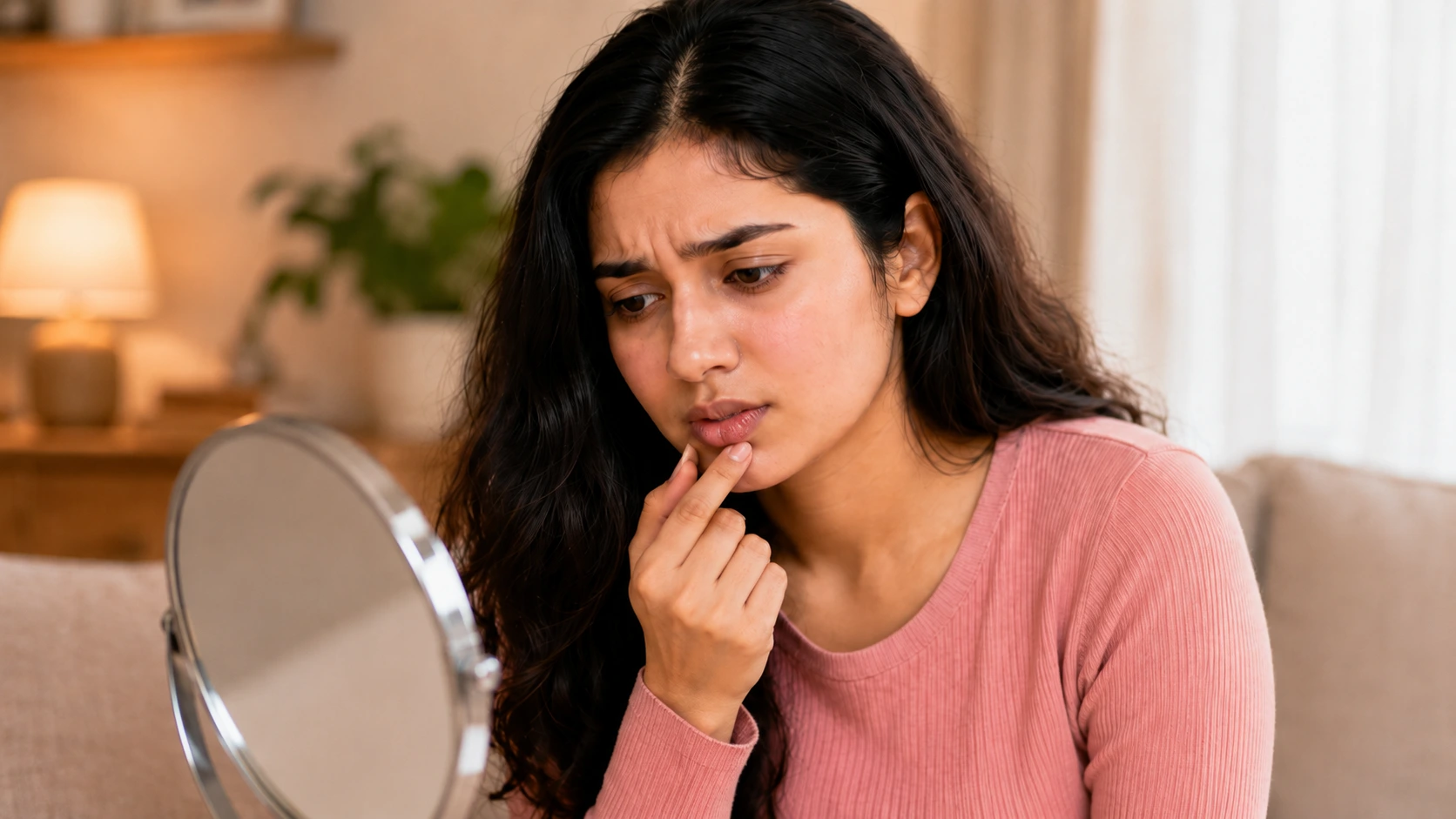
Dry Lips can feel confusing, especially when you are already drinking water and still waking up with tight, flaky or cracked lips.
You may apply lip balm many times a day. You may drink more water. You may try oils, scrubs or home remedies. But the dryness keeps coming back.
So the question becomes: "Why are my lips always dry, even when I am hydrated?"
The answer is usually not one simple thing.
Your lips are more delicate than the rest of your skin. They lose moisture easily and do not have the same natural oil protection as other areas of the face. That means dry air, wind, sun, lip licking, irritating products, mouth breathing, dehydration and certain health issues can all make them feel worse.
Most dry lips are not dangerous. But if they are painful, bleeding, recurring or linked with other symptoms, they deserve attention.
Why Do Lips Get Dry So Easily?
Your lips are exposed all day.
They face sun, wind, air-conditioning, cold weather, heat, spicy food, toothpaste, lipstick, lip balm, saliva and repeated touching. Unlike other skin, lips do not produce much natural oil protection, so moisture escapes more quickly.
That is why your lips may feel dry even if the rest of your face feels normal.
Drinking water helps your whole body, but water alone may not fix dry lips if moisture is evaporating from the surface. In many cases, your lips need a protective barrier on top, not only hydration from inside.
This is where a thick, gentle lip ointment can help.
What Is Dry Lips a Sign Of?
Dry lips can be a sign of simple dryness.
Common triggers include cold weather, dry indoor air, wind, sun exposure, not drinking enough fluids, frequent lip licking, sleeping with your mouth open, nasal congestion, harsh toothpaste, matte lipstick or irritating lip balms.
For some women, dry lips may also be linked with skin sensitivity, eczema, allergies or irritation from products.
Less commonly, dry or cracked lips can be related to nutritional deficiencies, especially if there are cracks at the corners of the mouth, ongoing soreness, fatigue, dizziness or other body symptoms.
The important thing is to notice the pattern.
The answers can help you understand what may be causing the problem.
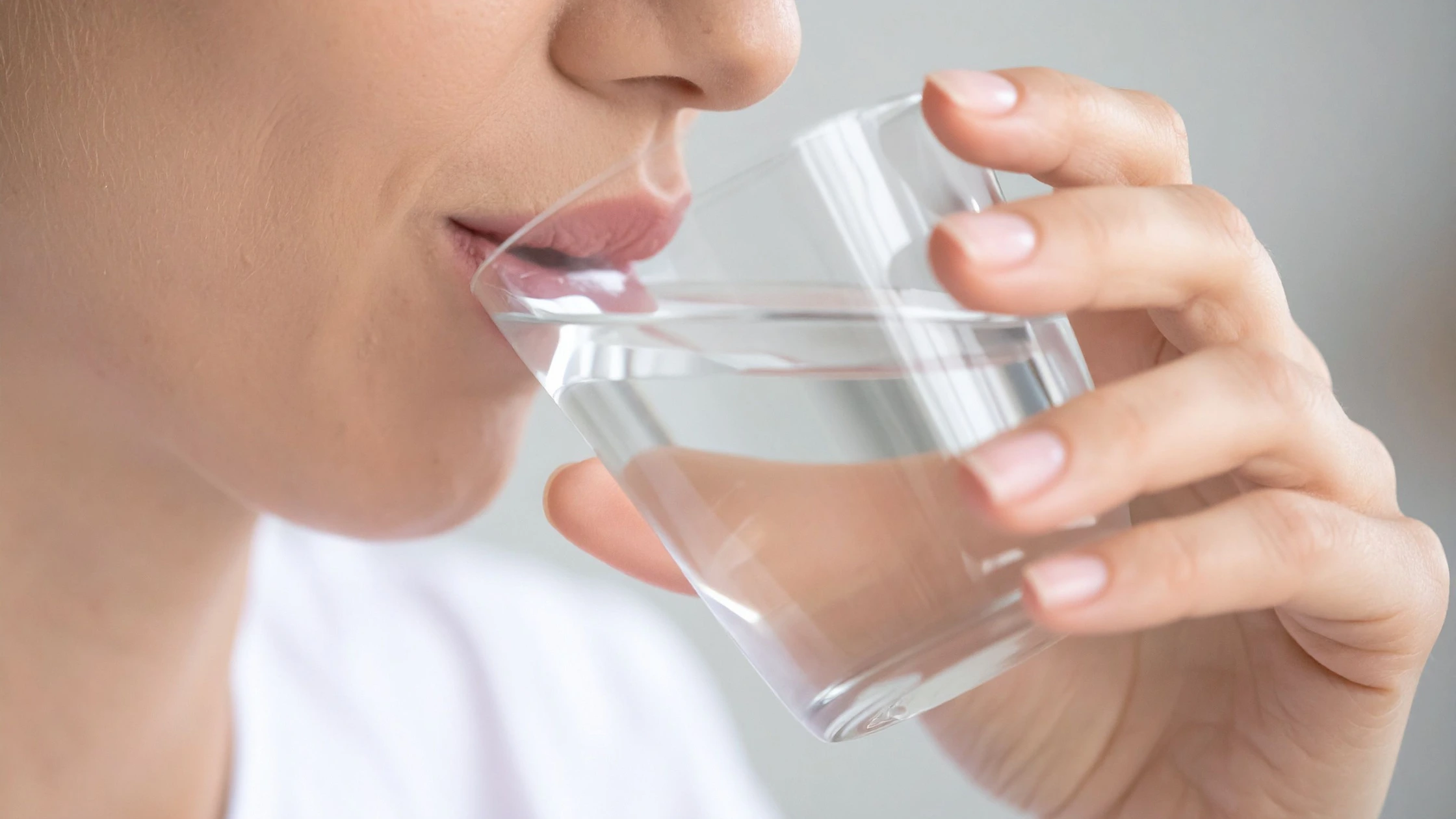
Why Drinking Water Alone May Not Be Enough
Hydration matters, but it is not the full solution.
If your lips are already cracked or irritated, water may not stay in the skin surface long enough. It can evaporate quickly, especially in dry air.
That is why many people drink water but still have chapped lips.
- Hydrates the body overall
- Helps if you are not drinking enough
- But cannot stop moisture evaporating from lip surface
- Creates a barrier to lock moisture in
- Prevents evaporation from dry air
- You usually need both — not just water alone
If you are drinking very little water, improve hydration. But if you are already drinking enough, look at your lip care routine, environment and possible irritants.
Dry Lips Lip Balm: What Should You Use?
The best lip balm for dry lips is usually simple, thick and non-irritating.
Look for fragrance-free, flavour-free and gentle products. Heavy ointments and petroleum jelly-based balms can help seal moisture and protect the lip barrier.
- Petroleum jelly
- Ceramides
- Cocoa butter or shea butter
- Mineral oil or dimethicone
- Strong fragrance or flavouring
- Menthol, camphor, cinnamon or peppermint
- Eucalyptus or harsh exfoliating ingredients
- That "tingly" feeling is not always healing — it may be irritation
A good lip balm should calm your lips, not make them feel spicy.
Your lips do not need harsh treatment. They need protection, patience and calm care.Dry Lips — Why Are My Lips Always Dry Even When I Drink Water
Dry Lips Treatment Overnight
If you want overnight relief, keep it simple.
Before bed, gently clean your lips if there is lipstick, sunscreen or food residue. Then apply a thick layer of fragrance-free ointment or petroleum jelly.
If your room is dry, use a humidifier at night. This can help reduce moisture loss, especially if you sleep with air-conditioning, a fan or heater.
If you sleep with your mouth open because of blocked nose, allergies or sinus issues, that can also dry your lips. Managing nasal congestion may help.
Overnight treatment can make lips feel better by morning, but deeply cracked lips may take several days to heal.
How to Cure Chapped Lips Fast
To calm chapped lips faster, stop the things that keep irritating them.
Apply lip ointment several times a day, especially before going outside, before sleep and after eating. If you are going outdoors, use a lip balm with SPF 30 or higher because lips can also be damaged by the sun.
Fast healing is usually about protection, not aggressive treatment.
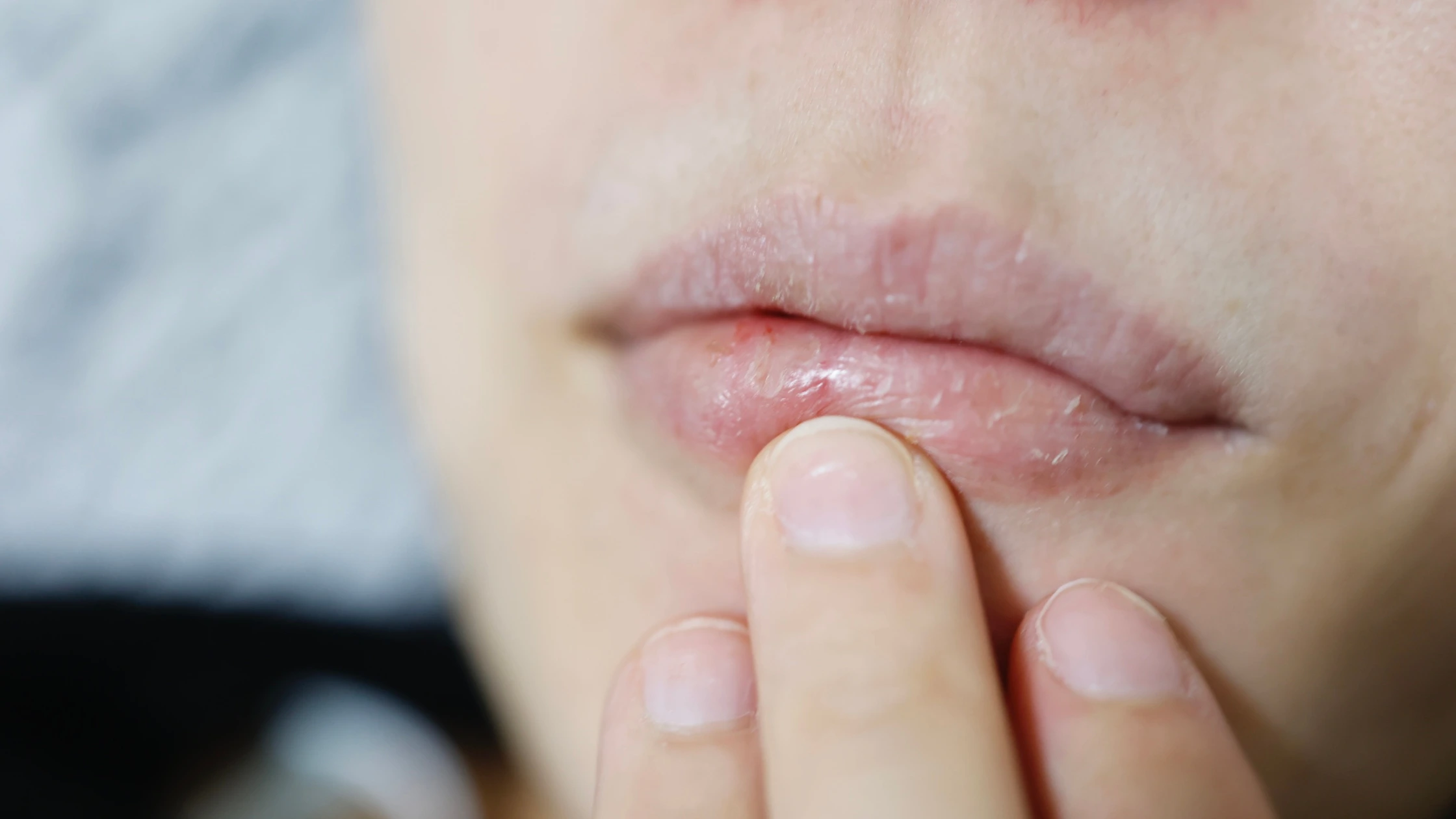
Dry Lips Home Remedy: What Is Safe?
Safe home care is gentle home care.
A thick ointment before bed is one of the simplest options. A humidifier can help if the air is dry. Drinking enough water supports hydration. Eating balanced meals supports skin repair. Avoiding licking and picking gives the lip barrier time to recover.
Some people like using coconut oil or aloe vera. These may feel soothing for some, but they can irritate others. Always stop if you feel burning, itching or swelling.
Natural does not always mean safe.
Dry Lips Vitamin Deficiency: Should You Worry?
Dry lips are usually caused by irritation, weather or product habits, not vitamin deficiency.
But vitamin or mineral deficiencies can sometimes contribute to cracked, sore or inflamed lips, especially cracks at the corners of the mouth. Low iron, zinc or B vitamins may be involved in some cases.
Women should be especially aware if dry lips come with other symptoms such as tiredness, dizziness, weakness, pale skin, hair fall, mouth ulcers, tongue soreness, heavy periods or poor appetite.
If you feel dizzy when standing up, Satynmag's article Feel Dizzy When Standing Up? A Simple Health Guide for Women may be a useful extra reading option. Do not start high-dose supplements without checking. A doctor can suggest blood tests if deficiency is suspected.
Could Your Lip Products Be Making It Worse?
Yes, sometimes the product you use to fix dry lips can keep the cycle going.
Flavoured lip balms can make you lick your lips more often. Fragranced products can irritate sensitive skin. Matte lipsticks can dry the lips. Long-wear lip products can feel tight and dehydrating.
Toothpaste can also trigger irritation in some people, especially if it has strong flavouring or foaming ingredients.
Try simplifying your routine for one to two weeks.
If your lips improve after simplifying your routine, one of your products may have been the trigger.
Dry Lips Around the Corners of the Mouth
Cracks at the corners of the mouth may be more than normal dryness.
This can happen from saliva collecting at the corners, lip licking, irritation, fungal or bacterial overgrowth, poorly fitting dental appliances, nutritional deficiencies or skin conditions.
It may look red, sore, cracked or painful when opening the mouth.
Fast healing is usually about protection, not aggressive treatment. Your lips need patience, not punishment.Dry Lips — Why Are My Lips Always Dry Even When I Drink Water
When Should You See a Doctor?
Most dry lips improve with gentle care.
But you should seek medical advice if your lips do not improve after two to three weeks of proper care, keep cracking badly, bleed often, swell, develop sores, become very painful or show signs of infection.
Also get checked if dry lips come with other body symptoms such as extreme tiredness, dizziness, weight loss, mouth ulcers, frequent infections or changes in your tongue.
Satynmag's article What Health Symptoms Should Women Never Ignore? is a helpful extra read if you are unsure which symptoms need attention. Dry lips may be minor, but persistent symptoms should not be ignored.
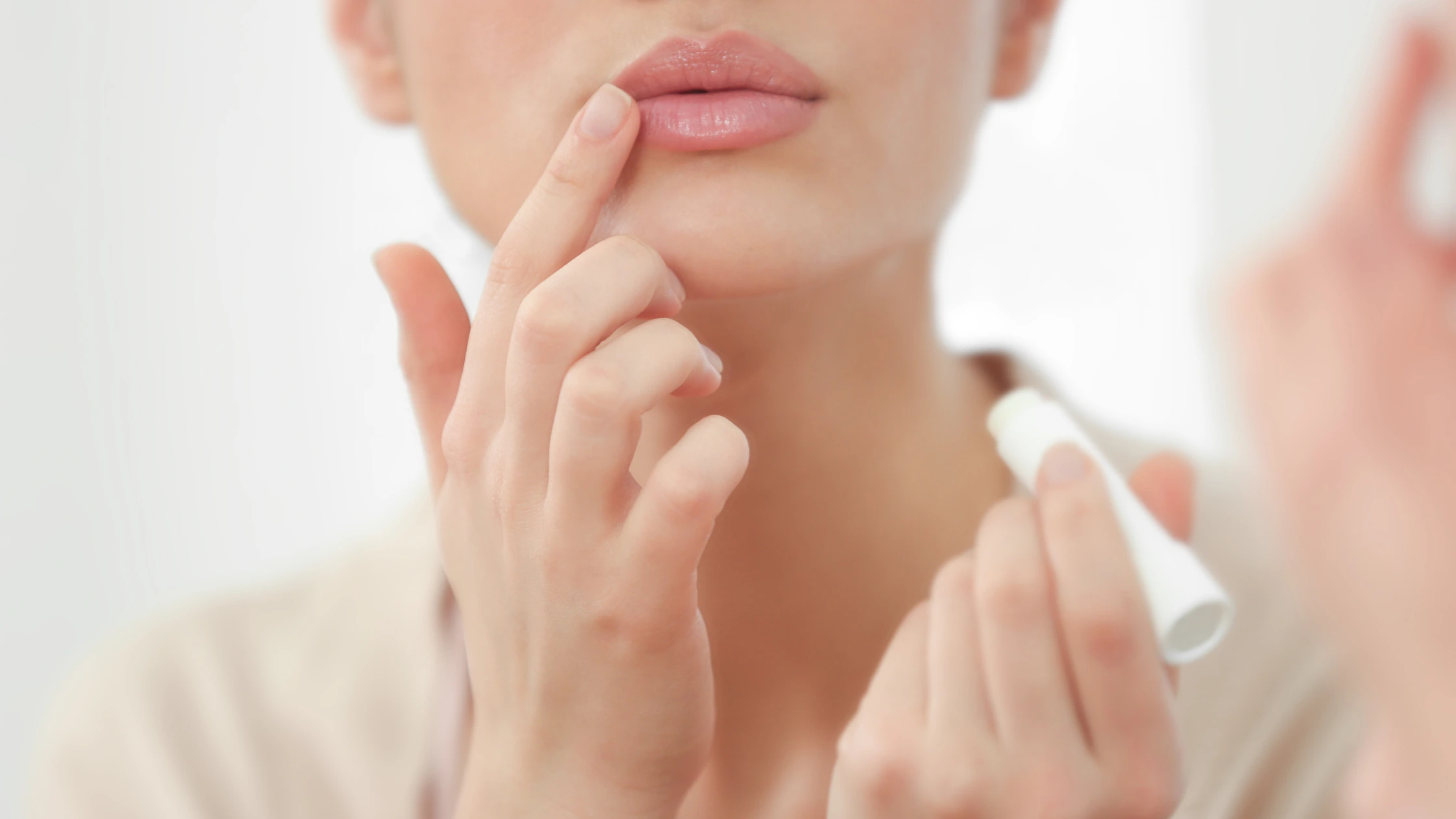
5 Simple Ways to Treat Dry Lips
These steps sound simple, but they work best when done consistently.
Final Thought
Dry Lips are not always solved by drinking more water.
Your lips may be losing moisture because of dry air, sun, wind, lip licking, irritating products, mouth breathing or a weakened skin barrier. In some cases, ongoing dryness or cracking may also point to deficiencies, allergies or skin conditions.
Start with gentle care.
Use a thick, non-irritating balm or ointment. Avoid licking and picking. Protect with SPF. Keep your room from becoming too dry. Simplify your lip products. And if your lips stay cracked, painful or inflamed, speak to a healthcare professional.
Your lips do not need harsh treatment. They need protection, patience and calm care.
- Use a thick, fragrance-free ointment — not flavoured balms that make you lick more.
- Stop licking, biting and picking, and let the barrier heal.
- Protect with SPF when going outdoors.
- Use a humidifier if your room is dry, especially at night.
- Simplify your products and check if one of them is the trigger.
- If dryness persists with other symptoms, speak to a healthcare professional.
Your lips do not need harsh treatment. They need protection, patience and calm care.
Your lips do not need harsh treatment. They need protection, patience and calm care.
For more women-focused health and wellness articles, visit Satynmag's Health & Wellness section.