

Many women are now hearing that PCOS is now PMOS — what women need to know has become an important health conversation, especially for anyone who has struggled with irregular periods, acne, unwanted hair growth, weight changes, fertility worries or hormonal imbalance.
For years, PCOS was known as polycystic ovary syndrome. But in 2026, global experts announced a new name: PMOS, which stands for polyendocrine metabolic ovarian syndrome. The condition itself has not suddenly changed. What has changed is the name, and the new name aims to describe the condition more accurately. Experts say PCOS affects around 1 in 8 women and is linked not only to ovaries, but also to hormones, metabolism, skin, reproductive health and mental wellbeing.
This matters because many women were confused by the old name. Some believed they needed to have ovarian cysts to have PCOS. Others were told they did not have it because cysts were not clearly seen. But this condition has always been more complex than cysts alone.
PCOS Is Now PMOS — What Women Need to Know
The most important thing to understand is this: PMOS is the new name for PCOS, but your condition has not changed overnight.
If you were diagnosed with PCOS before, that diagnosis still matters. Your symptoms are still valid. Your treatment history still matters. Your medical records may continue to say PCOS for some time because health systems, doctors, clinics and websites will need time to update their language. Reports around the name change also mention a transition period where both PCOS and PMOS may be used together.
If you see both names online, PCOS and PMOS are currently referring to the same condition. The new name simply reflects that this is a long-term endocrine and metabolic condition, not only an ovary issue.
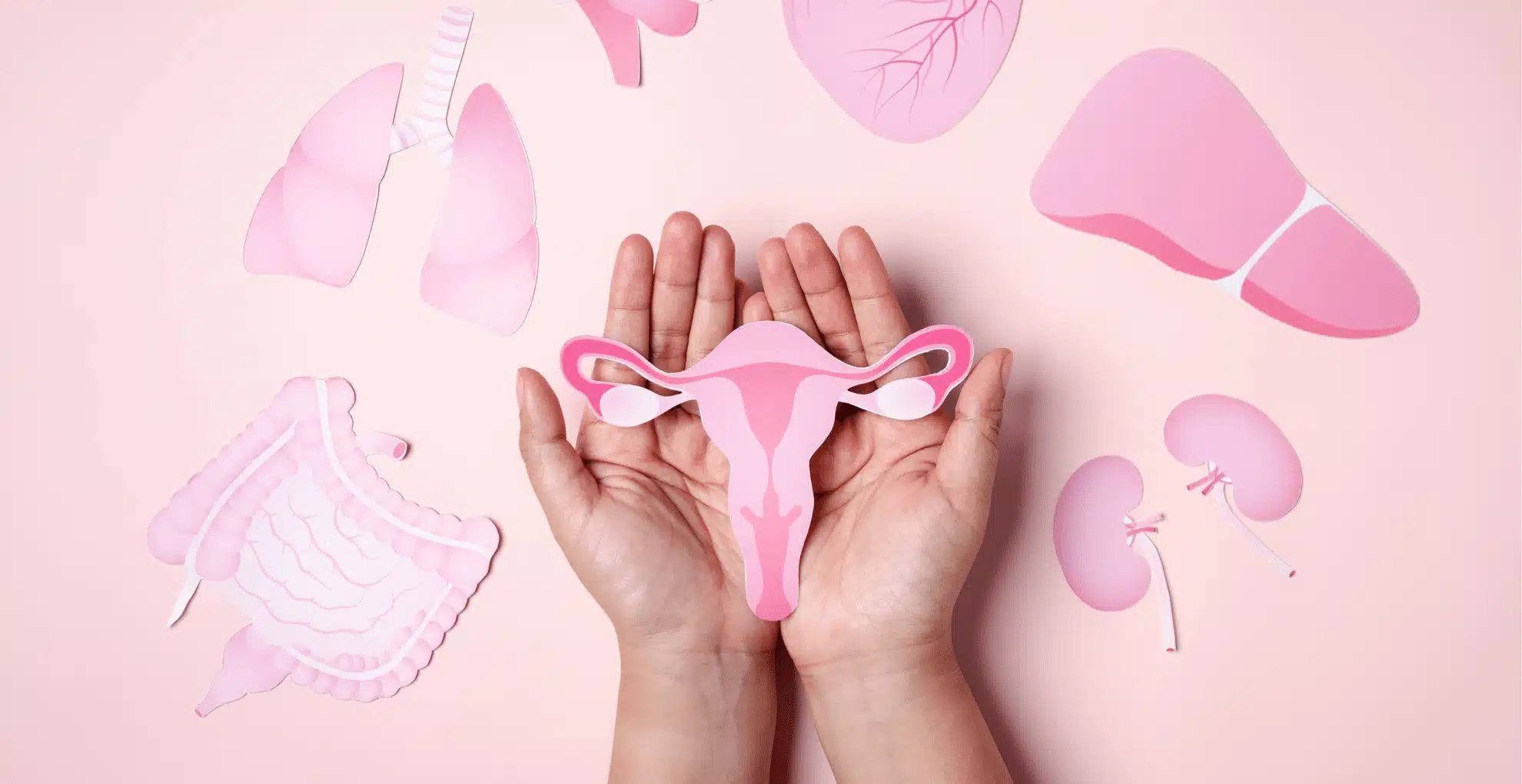
Why Was PCOS Renamed PMOS?
The name PCOS placed too much attention on "polycystic ovaries". This made the condition sound like it was mainly about cysts, when many women experience symptoms across the whole body.
PMOS is meant to show that the condition can involve a wide range of symptoms. The word "polyendocrine" points to the involvement of multiple hormonal systems. "Metabolic" reflects links with insulin resistance, weight regulation and long-term health. "Ovarian" still recognises that the reproductive system can be affected, but it no longer makes ovaries the only focus.
Satynmag has already explored women's hormonal health concerns in Thyroid, PCOS & More: Key Health Issues Facing Women, which is a useful related read for anyone trying to understand how hormonal conditions affect daily life.
PMOS is not about fear. It is about clearer language, better understanding and hopefully better care for women who have been asking for answers for a long time.Did You Know PCOS Is Now PMOS
What Are the Symptoms of PMOS?
PMOS symptoms can look different from woman to woman. Some women have obvious menstrual changes, while others first notice skin, hair, mood or weight changes.
Common symptoms may include irregular periods, missed periods, heavy or unpredictable bleeding, acne, unwanted hair growth on the face or body, thinning hair on the scalp, weight gain or difficulty losing weight, darkened skin patches, fertility struggles and tiredness.
Some women also experience anxiety, low mood or frustration because symptoms are often dismissed or treated separately. One woman may be sent to a skin specialist for acne. Another may be told to lose weight without deeper testing. Another may only be taken seriously when trying to conceive.
That is why the name change is important. It may help more people understand that these symptoms are connected and deserve proper care.
Search Questions Women Are Asking About PMOS
-
Is PCOS now called PMOS?Yes. PMOS is the new name being introduced for PCOS. Both names currently refer to the same condition during the transition period.
-
Does PMOS always mean you have cysts?No. This is one of the biggest misunderstandings. Not every woman with PCOS or PMOS has visible ovarian cysts. Also, having polycystic-looking ovaries does not always mean a woman has the full condition. Diagnosis usually depends on a combination of symptoms, hormone patterns, menstrual history, physical signs and sometimes ultrasound findings.
-
Is PMOS worse than PCOS?No. It is not a new or worse disease. It is a new name for the same condition, designed to better reflect what is happening in the body.
-
Can PMOS be cured?PMOS is usually managed rather than "cured". Many women improve symptoms through the right medical care, lifestyle support and long-term monitoring.
-
Does PMOS affect mental health?It can. Living with irregular periods, acne, hair growth, weight changes, fertility worries or repeated dismissal can affect confidence and emotional wellbeing. This side deserves care too.
What Does PMOS Mean for Periods and Fertility?
PMOS can affect ovulation, which means the ovaries may not release an egg regularly. This can lead to irregular periods and difficulty predicting the menstrual cycle.
For women trying to conceive, this can become stressful. But PMOS does not mean pregnancy is impossible. Many women with the condition do become pregnant, sometimes naturally and sometimes with medical support. The important step is early awareness, proper diagnosis and a treatment plan that fits the woman's body.
If your periods are irregular, very painful, missing for months or suddenly changing, do not ignore it. Satynmag's article on Vital Phases of Your Menstrual Cycle can help you understand your cycle better and notice when something may need medical attention.
PMOS and Metabolic Health
The "metabolic" part of PMOS is very important.
Many women with this condition may have insulin resistance, which means the body has difficulty using insulin effectively. This can affect energy, cravings, weight, blood sugar and long-term health risks. PMOS may also be linked with higher risk of type 2 diabetes and cardiovascular concerns, which is why it should not be treated as only a period or fertility issue.
This does not mean every woman with PMOS will have the same risks. It means the condition needs whole-body care.
How Is PMOS Diagnosed?
Diagnosis should be done by a qualified healthcare professional. A doctor may ask about your menstrual cycle, weight changes, skin symptoms, hair growth, family history, fertility concerns and general health.
They may also check hormone levels, blood sugar, insulin-related markers, cholesterol and sometimes do an ultrasound. The exact process can vary depending on the country, clinic and your symptoms.
If you think you may have PMOS, it helps to track your symptoms before your appointment.
Women often delay care because they think their pain or discomfort is normal. Satynmag's article Why Women Ignore Pain Longer Than They Should speaks directly to this habit of waiting too long before asking for help.
Does Treatment Change Because the Name Changed?
The name change does not mean every treatment changes immediately. What may change is how doctors, patients and health systems understand the condition.
Treatment should still depend on your symptoms and goals. A woman who wants to regulate periods may need one kind of plan. A woman dealing with acne or facial hair may need another. A woman trying to conceive may need fertility-related support. A woman with insulin resistance may need metabolic care.
There is no single treatment that fits every woman. This is why women should be careful with social media advice. PMOS is not solved by one tea, one supplement, one diet or one workout routine. Some lifestyle changes may help, but they should be realistic and safe. Medical care matters, especially when symptoms are ongoing or severe.

What Women Should Mentally Understand About PMOS
Many women feel guilty when they receive a hormonal health diagnosis. They wonder whether they caused it, whether they did something wrong, or whether they should have noticed earlier.
Please do not approach PMOS with shame.
This is a health condition, not a personal failure. It can affect women of different body types, ages and lifestyles. It can show up in teenage years, young adulthood or later when symptoms become harder to ignore.
The best mindset is not fear. It is curiosity and care.
- What is my body trying to show me?
- What symptoms have I ignored or explained away?
- What support do I need?
- What questions should I ask my doctor?
- What habits help me feel better without punishing myself?
PMOS can feel overwhelming, but understanding it properly can also feel empowering.
PCOS becoming PMOS is more than a name change. It is a shift in how women's health is understood. For too long, many women felt reduced to one symptom, one scan result or one fertility concern. PMOS gives a wider name to a wider condition. It recognises hormones, metabolism, reproductive health, skin, weight, mental wellbeing and long-term care. If you already have a PCOS diagnosis, do not feel confused or dismissed by the new name. Your experience still matters. If you suspect you may have symptoms, do not wait quietly or explain them away.
Your body deserves attention before things become worse.
PMOS is not about fear. It is about clearer language, better understanding and hopefully better care for women who have been asking for answers for a long time.
Your body deserves attention. Your symptoms are valid. Your experience still matters.
PMOS is clearer language for a condition women have always known is more than ovaries alone. Understanding it is the first step to better care.