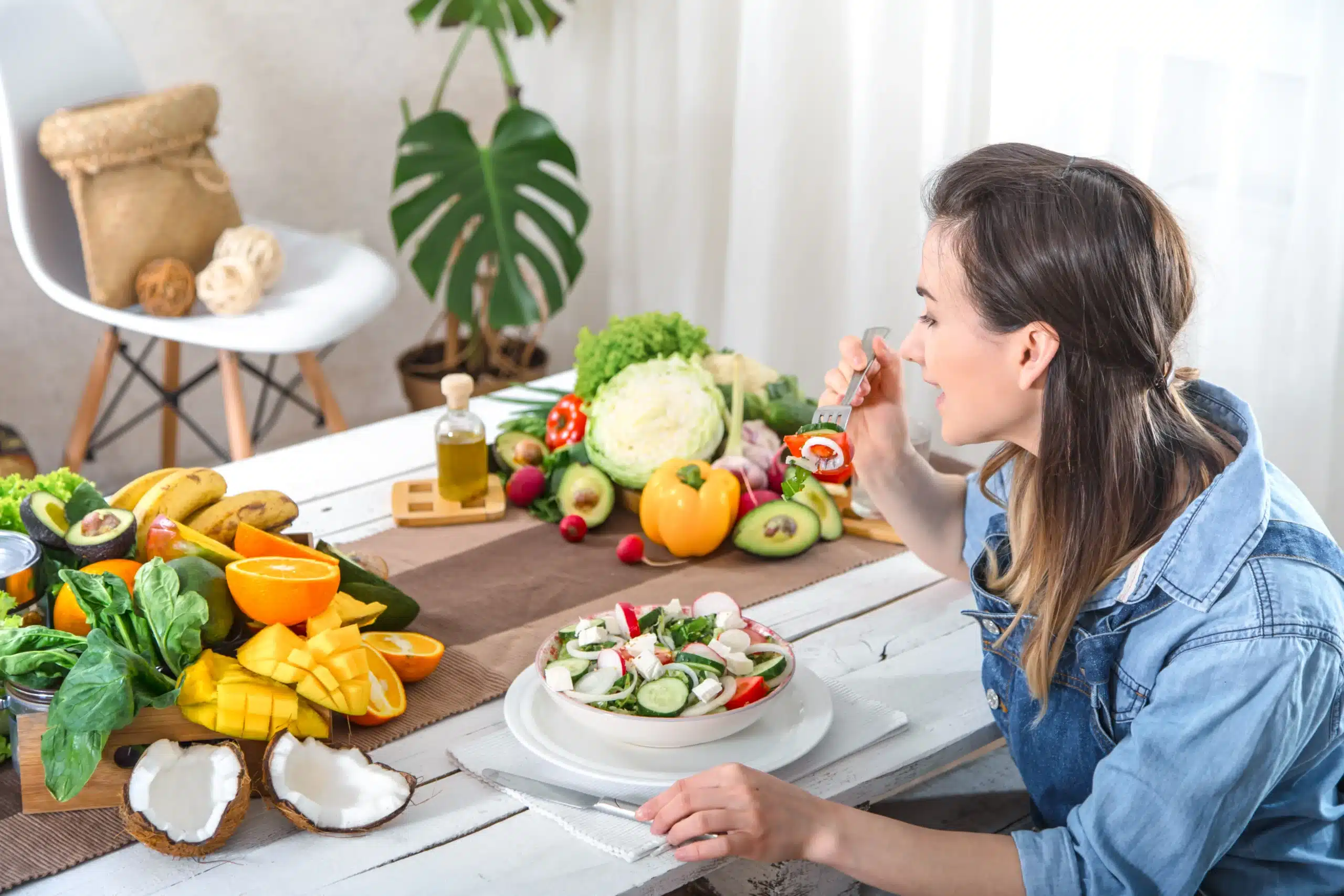
For years, women were told that food was mainly about one thing: becoming smaller. Fewer calories. Less fat. Fewer carbs. More guilt. More control. But something is clearly shifting. In 2026, more women are moving away from punishment-based eating and turning towards something far more intelligent: food that helps them feel energised, hormonally supported, mentally clear, and strong for the long term.
The conversation is no longer just about losing weight fast. It is about blood sugar balance, gut health, protein intake, cycle-aware nutrition, anti-inflammatory meals, fibre, sleep support, and healthy ageing. Weight loss has not disappeared from the conversation — but for many women, it is no longer the whole conversation.
Why Diet Culture Is Losing Its Grip
Diet culture has always been powerful because it is emotionally persuasive. It promises confidence, control, desirability, and transformation. But it also leaves many women exhausted. Extreme restriction often leads to low energy, cravings, mood swings, poor recovery, and a difficult relationship with food.
That is one reason the old model is losing credibility. Women are more informed now. They are reading ingredient labels differently. They are paying attention to how food affects concentration, sleep, digestion, training performance, PMS symptoms, and perimenopause.
They are starting to notice that a "clean" meal that leaves them hungry an hour later may not actually be serving them.
✦ The Shift Is Structural
Wellness culture itself is evolving. Personalisation is becoming a dominant expectation, and women's health is no longer being treated as a niche concern. Healthy ageing, menopause support, gut health, and preventative nutrition are all seeing stronger consumer attention.
Food as Energy, Not Punishment
One of the biggest mindset shifts happening right now is that women are beginning to see food as fuel rather than as a reward or a punishment.
That sounds simple, but it changes everything. When food becomes fuel, breakfast is not something to skip in the name of being "good." Protein is not feared. Carbohydrates are not automatically treated like the enemy. Meals become functional.
Women are asking whether what they are eating helps sustain energy through a workday, supports a gym session, improves focus, or prevents the blood sugar crashes that can trigger irritability and intense hunger.
✦
Protein-Rich Breakfasts
No longer feared — protein helps with satiety, muscle support, and steadier energy throughout the day. One of the most searched food categories in 2026.
✦
Blood Sugar Balance
Women are choosing meals that prevent energy crashes, reduce irritability, and support sustained focus — functional eating at its most practical.
✦
High-Fibre Meals
Fibre keeps showing up in the longevity conversation — higher-fibre eating patterns are linked with lower risks of several major diseases and lower overall mortality.
✦
Anti-Inflammatory Patterns
Moving away from heavily processed foods and excessive added sugars — women are choosing eating patterns that reduce inflammation and support long-term health.
Hormonal Balance Is Becoming a Mainstream Food Conversation
Another major change is that women are no longer separating food from hormones. That matters because hormones influence daily life in very obvious ways: appetite, mood, skin, sleep, cycle symptoms, cravings, energy, body composition, and stress tolerance.
Women in perimenopause and menopause are especially driving demand for more useful conversations around nutrition, symptom support, and practical lifestyle strategies.
In practical terms, that usually means more interest in meals built around protein, fibre, healthy fats, complex carbohydrates, and micronutrient-rich whole foods. It also means less enthusiasm for erratic eating patterns that destabilise energy and leave women feeling drained.
Longevity Is Replacing the Obsession with "Anti-Ageing"
There is also a language shift happening. "Anti-ageing" is slowly being replaced by longevity, healthy ageing, strength, resilience, and metabolic health.
This is a meaningful cultural change. Instead of trying to erase age, many women are now thinking about how they want to live through the next decade: with better muscle mass, better bone health, better digestion, better heart health, and better cognitive function.
Food naturally sits at the centre of that conversation. Protein matters for muscle and bone support. Fibre matters for gut and cardiometabolic health. Calcium, vitamin D, and overall dietary quality matter for long-term structural health.
What Women Are Actually Choosing Now
The new food culture is not perfect, and it is certainly not free from trends. But it is moving in a more useful direction.
High-Protein Meals That Keep Them Full
Not because protein is trendy, but because it helps with satiety, muscle support, and steadier energy throughout demanding days.
Fibre-Rich Foods for Gut Health and Blood Sugar Balance
Beans, vegetables, fruit, oats, seeds, and whole grains — talked about as everyday essentials rather than boring "healthy" add-ons.
Lower-Ultra-Processed, More Functional Eating
Not necessarily perfection, but better awareness. More women realising that convenience foods can affect energy, inflammation, hunger, and overall wellbeing.
Meals That Support Specific Life Stages
From cycle health to fertility support to perimenopause and menopause — nutrition is becoming more life-stage aware and personally relevant.
Sustainability Over Restriction
Growing scepticism around anything too extreme. Women want routines they can actually live with — not punishing protocols that collapse after two weeks.
Is Diet Culture Gone? Not Even Close
It would be inaccurate to say diet culture is over. It still shows up everywhere: in "what I eat in a day" videos, body-check content, detox marketing, and the constant pressure to look leaner, tighter, younger.
But women are asking sharper questions now:
- Does this way of eating support my hormones?
- Does it help my energy or wreck it?
- Can I sustain it?
- Does it help me build strength, sleep better, and feel mentally better?
- Will this still make sense in five or ten years?
That is the real change. The conversation around food is becoming less aesthetic and more strategic. Less about shrinking. More about functioning. Less about chasing perfection. More about building a body and a life that can carry women well into the future.
✦ A Smarter Conversation
The smartest nutrition conversation in 2026 is not about eating less for the sake of appearance. It is about eating well enough to think clearly, move strongly, regulate better, age better, and live better.
✦ A Healthier Era
Women are increasingly choosing food for energy, hormonal balance, and longevity over traditional diet culture. Not all at once, and not universally. But the shift is real — and it is not a trend women should move on from. It is the beginning of a much healthier era.
Women's Nutrition
Hormonal Balance
Longevity
Diet Culture
Blood Sugar Balance
Gut Health
Anti-Inflammatory
Protein
Perimenopause Nutrition
Wellness Feature