
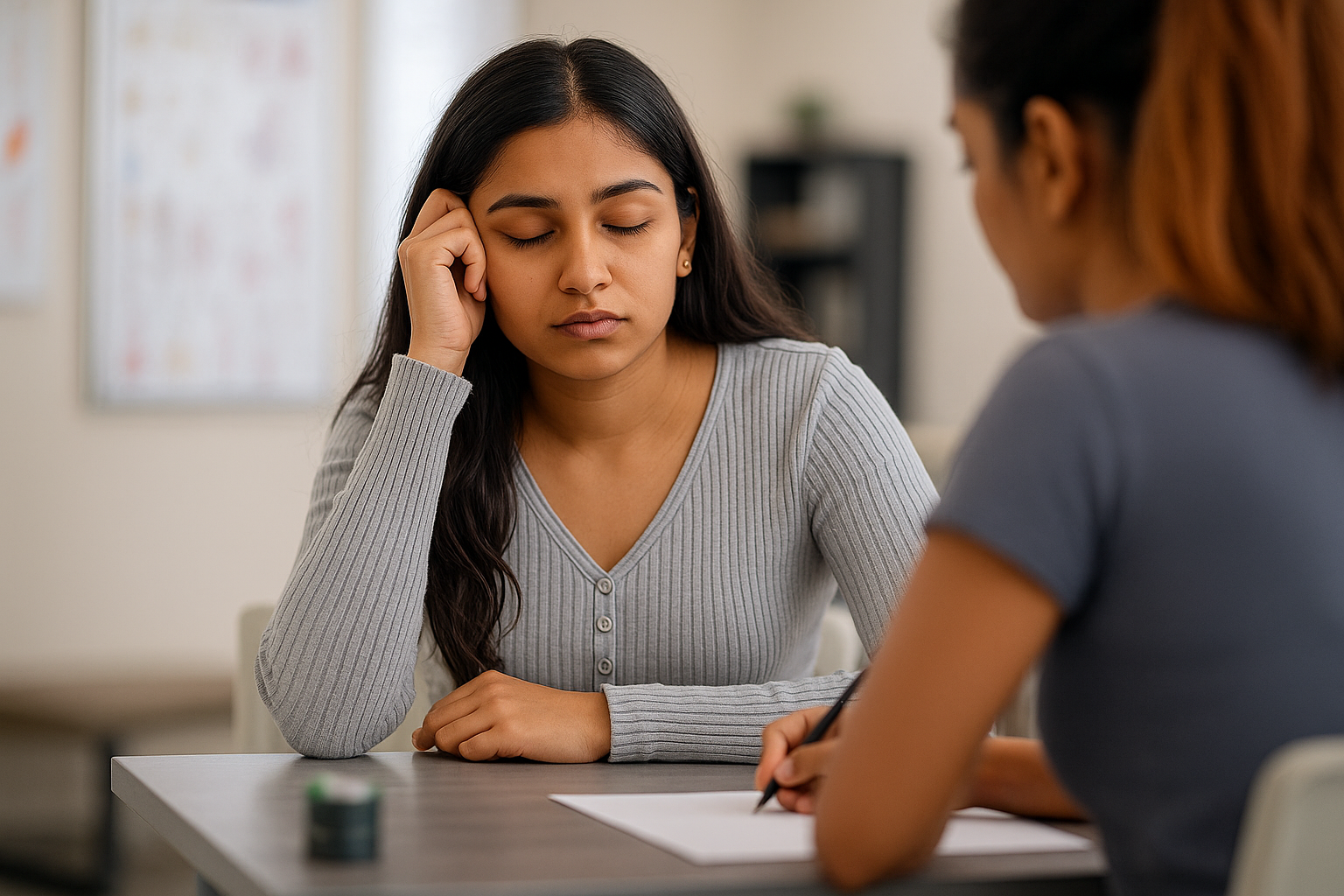
Why mental health is the most important part of recovery | A Sri Lankan Perspective After the DITWA Cyclone | Sri Lanka’s experience with natural disasters is long and painful. From the 2004 tsunami to recurring floods, landslides, and now the devastating DITWA cyclone, each event leaves behind more than broken homes and damaged livelihoods. It leaves emotional fractures—quiet, invisible, but deeply real. While public conversation often centres on rebuilding infrastructure, replacing boats, restoring electricity, and repairing roads, the emotional aftermath rarely receives the same urgency.
Yet mental health is one of the most fragile pillars of recovery. When a nation faces disaster-related loss—whether that loss is a home, income, community, or a loved one—the psychological impact can be profound. The body may survive the storm, but the mind often continues fighting long after the winds have passed.
This article explores how disaster-related loss affects mental health in the Sri Lankan context, why emotional recovery must be prioritised, and how we can support each other in rebuilding inner resilience.
The Emotional Shock: What Happens in the First Days
In the immediate aftermath of a disaster, most people operate on survival instinct. Adrenaline drives action; the body and mind remain in an alert, protective state known as “fight-or-flight”. During the DITWA cyclone, families in coastal areas and outstation villages described similar feelings: shock, numbness, disbelief, and a surreal sense that the destruction didn’t fully register until later.
For many survivors, the first 48 hours were filled with overwhelming sensory processing—loud winds, rushing floods, collapsing roofs, cries for help. These experiences stamp themselves into memory, often becoming triggers later on.
In psychology, this stage is known as “acute stress response”. It is natural, necessary, and part of the body’s attempt to protect itself. But when disasters happen repeatedly, as they do in Sri Lanka, this acute phase can stretch into a more chronic burden.
Loss in Many Forms: Not Only Lives, But Worlds
Disaster-related loss isn’t limited to death or injury. It includes the loss of:
- Homes
- Identity documents
- Livelihoods such as fishing boats, shops, crops, machinery
- Pets and livestock
- Community infrastructure
- Social networks
- Sense of safety
In Sri Lanka, where identity is often rooted in community, land, and long-standing neighbourhood ties, such losses can feel like losing a part of oneself. A house isn’t just a structure; it carries family history. A fishing boat is more than income—it represents independence, pride, and dignity. A neighbourhood is more than buildings; it is a web of relationships.
When the cyclone washed away these foundations, it didn’t just remove material possessions. It altered people’s sense of identity and belonging.
Many women, especially, describe a heavy emotional burden: the pressure to hold the family together, find food, protect children, and manage elderly relatives. Their psychological stress is rarely acknowledged, but deeply felt.
Grief After a Disaster Looks Different
Grief during a natural disaster doesn’t follow the traditional steps of mourning. There is often no space, no time, and no privacy to grieve. People must focus on survival, relocation, clean-up, and securing aid.
Sri Lankan survivors frequently report:
- Feeling guilty for grieving when others have “lost more”
- Feeling pressured to stay strong for the family
- Feeling they must prioritise physical rebuilding over emotional recovery
- Feeling ashamed to cry in front of neighbours or children
- Feeling confused because “my body feels tired but my mind doesn’t rest”
This complicated mixture of shock, guilt, sadness, and suppression creates what psychologists call disaster-related complicated grief—a grief that is delayed, prolonged, or emotionally tangled.
The DITWA cyclone swept away not only possessions but the emotional space people needed to process their pain.
Why Women Carry a Heavier Mental Load
Mental health during disasters is gendered. In Sri Lanka, women face unique emotional and social pressures:
They often carry primary caregiving responsibilities.
Mothers must comfort frightened children, organise food, keep the family together, and make hard decisions—often without rest.
They face heightened vulnerability.
Crowded shelters increase risks of harassment or insecurity. Women frequently restrict their own movements and needs to keep others safe.
They put their own healing last.
Cultural expectations place emotional resilience on women—“amma must stay strong”, “wife must handle the house”, “girls shouldn’t break down”.
Economic burdens fall on them too.
If a husband loses his job or a home is destroyed, women often step into new forms of labour—cooking for groups, cleaning shelters, seeking aid, caring for the sick.
Over time, these pressures can lead to burnout, insomnia, anxiety, depression, and even trauma responses. These are not weaknesses. They are human reactions to overwhelming responsibility.
Survivor’s Guilt: “Why Was I Spared?”
One of the most underestimated mental health impacts is survivor’s guilt. After the DITWA cyclone, many people who escaped severe damage described a deep, quiet guilt—questioning why they survived when others lost everything.
This guilt may appear as:
- Avoidance of happy moments
- Feeling unworthy of help
- Self-blame
- Emotional numbness
- Difficulty celebrating life events
- Overworking to “compensate”
Survivor’s guilt is common, especially in small communities where everyone knows each other. It is not irrational; it stems from empathy. But unaddressed, it creates emotional paralysis.
Trauma and Triggers: When the Mind Replays the Storm
Disasters imprint themselves on the subconscious. Sounds of wind, rain, sirens, or waves can later trigger sudden anxiety. Some survivors experience:
- Nightmares
- Flashbacks
- Hypervigilance (being constantly on edge)
- Difficulty concentrating
- Sudden panic during heavy rain
- Physical reactions like shaking, sweating, or chest tightness
These symptoms are part of post-traumatic stress, a natural reaction to experiencing life-threatening fear.
In Sri Lanka, however, trauma is often dismissed as “just stress” or “being too sensitive”. But trauma is not a character flaw—it is a neurological response to overwhelming events.
Children and Adolescents: The Quiet Sufferers
Children perceive disasters differently. They may not fully understand what happened, but they absorb the emotional atmosphere of adults. Many children who experienced the cyclone show:
- Clinginess
- Sleep disturbances
- Sudden fears
- Regression (bed-wetting, crying, becoming silent)
- Loss of interest in play
- Anxiety when separated from parents
Adolescents may become withdrawn, irritable, or overwhelmed with responsibilities beyond their age.
Disaster affects the entire ecosystem of childhood—schooling, friendships, routine, safety, and stability. Without emotional support, these disruptions can shape long-term mental health.
Click on here “Fitting Exercise into Your Holiday Schedule”
Community Trauma: When an Entire Region Hurts
One of the unique aspects of disaster-related loss is collective trauma. Unlike individual tragedies, natural disasters affect entire communities simultaneously. Shared suffering can strengthen bonds, but it can also deepen emotional fatigue.
People in disaster-hit districts often describe:
- Feeling constantly overwhelmed by others’ stories
- Emotional exhaustion from helping neighbours
- Losing their normal social support because everyone is struggling
- Feeling that there is no “normal” to return to
In Sri Lanka’s close-knit villages, community relationships are vital. When those networks are damaged, mental health suffers silently.
The Slow Burn: Long-Term Emotional Impacts
Months after the cyclone, the physical damage will be visible, but the psychological wounds may still remain hidden. Long-term effects can include:
- Chronic anxiety
- Depression
- Relationship tensions
- Financial stress emotional spillover
- Difficulty trusting weather patterns
- Fear of future disasters
- Emotional numbness or detachment
- Job insecurity linked to lost income
Without ongoing support, survivors may rebuild homes but continue carrying internal cracks.
Why Sri Lanka Needs a Stronger Mental Health Response
Sri Lanka’s disaster response systems prioritise medical aid, food, water, and shelter—essential elements of survival. But mental health services are severely under-resourced. There are too few counsellors, too few psychologists, and limited community-based support systems.
A stronger system must include:
- Trained counsellors in evacuation centres
- Psychological first aid at the ground level
- Women-friendly spaces
- Child-friendly psychosocial support
- Long-term follow-up in affected regions
- Education to reduce stigma around mental health care
- Integration of mental health into disaster preparedness plans
Healing the mind is not secondary to physical survival—it is a pillar of long-term resilience.
The Role of Community: Healing Through Connection
One of Sri Lanka’s greatest strengths is community resilience. After the DITWA cyclone, countless stories emerged of neighbours helping each other, sharing meals, offering shelter, and comforting the displaced.
Community support plays a powerful role in mental health recovery. Simple acts such as checking on neighbours, sharing emotional space, or simply sitting together can reduce feelings of isolation.
Social belonging creates psychological safety, which is essential after trauma.
How Individuals Can Support Their Own Healing
Recovery is not linear. There is no single “correct” way to heal from disaster-related loss. However, several approaches can help people navigate their emotions safely:
- Acknowledge feelings without judgement
- Allow yourself to grieve—loss deserves space
- Share your experience with trusted people
- Maintain small routines for stability
- Limit exposure to distressing news
- Seek professional help if symptoms persist
- Practice grounding techniques during anxiety
- Connect with community and support groups
Healing requires patience, compassion, and the willingness to be gentle with oneself.
Supporting Loved Ones: Listening Without Pressure
Many survivors don’t need solutions—they need safety. When supporting someone who experienced disaster-related loss:
- Listen without interrupting
- Avoid statements like “at least you survived”
- Encourage them to share at their own pace
- Show empathy even when you can’t relate
- Reassure them that healing takes time
Emotional presence is sometimes more powerful than advice.
Why Emotional Recovery Must Be Part of National Recovery
Sri Lanka cannot rebuild only the physical landscape. True recovery requires addressing the psychological landscape too. Ignoring mental health leads to long-term consequences: weakened productivity, increased social conflict, impaired family functioning, and emotional instability.
Healing trauma strengthens national resilience. When people are emotionally supported, they rebuild faster, make clearer decisions, and regain confidence in their future.
Disasters will continue. Climate patterns are changing. But building a society capable of emotionally weathering these storms is one of the most important investments we can make.
A Call for Compassion and Awareness
The DITWA cyclone was a reminder that nature can upend lives within hours. But it also reminded us of our shared humanity. Every person affected by the storm carries a story—of fear, of survival, of loss, and of strength.
Understanding mental health in the context of disaster-related loss is not optional. It is essential for a compassionate society. The emotional aftermath is often silent, but it is just as real as physical damage.
As Sri Lankans, we have always rebuilt together. In this moment, let us extend that spirit to emotional healing as well. Let us check on our neighbours, support our women, listen to our children, and advocate for stronger mental health systems.
Because rebuilding Sri Lanka must include rebuilding its people—from the inside out.


