
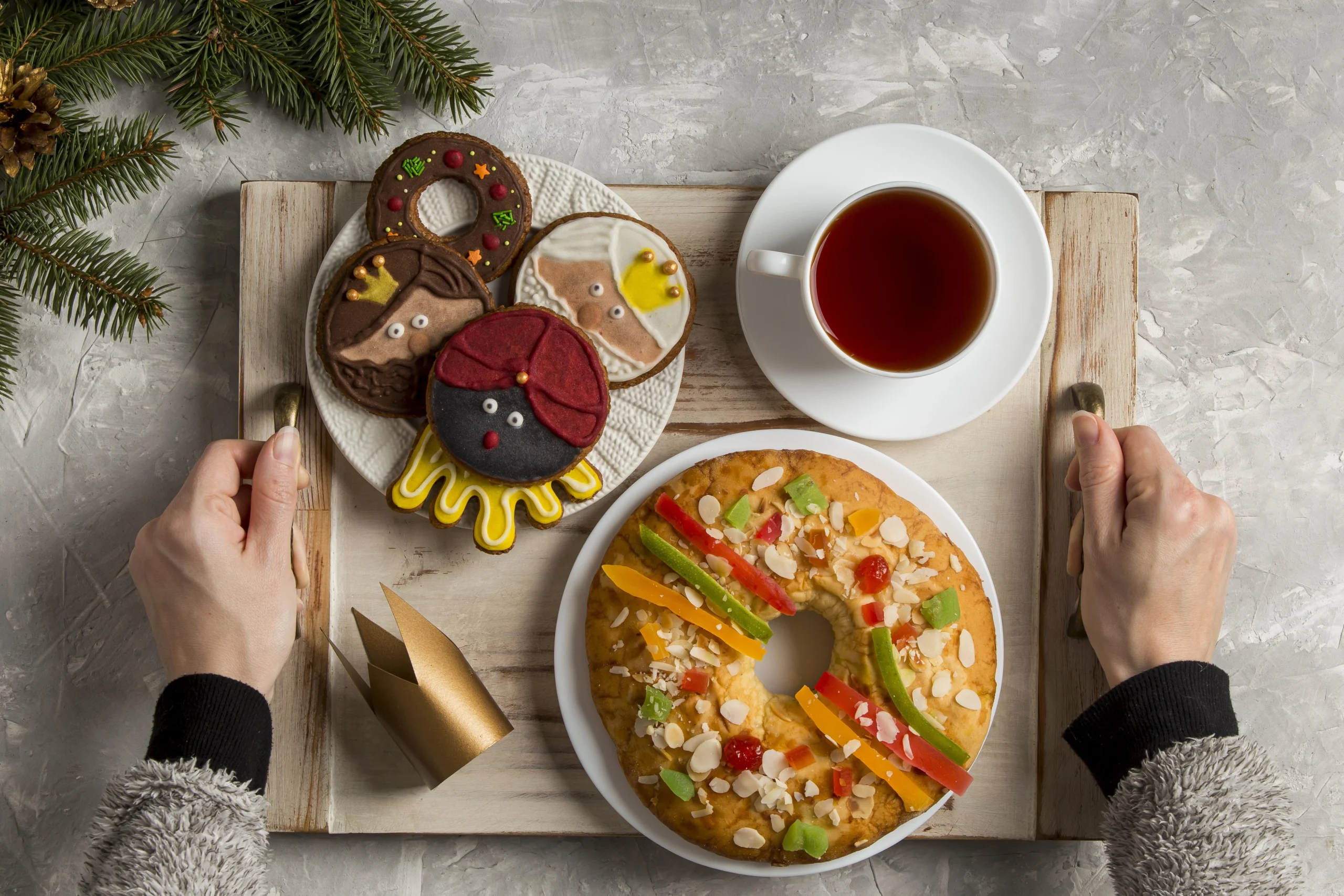
Healthy eating is often discussed as a rigid set of rules, but real life does not operate in straight lines. Seasons bring celebrations, cultural traditions, travel, social gatherings, and emotional connections to food. Expecting yourself to eat the same way during festive periods as you do during ordinary weeks is unrealistic and often counterproductive.
Seasonal indulgence is not a failure of discipline. It is a normal human response to abundance, nostalgia, and social bonding. The real challenge is not avoiding indulgence altogether, but learning how to engage with it consciously—without guilt, extremes, or loss of balance.
A healthy relationship with food allows room for enjoyment while still supporting long-term wellbeing.
Why All-or-Nothing Thinking Backfires
Many people approach healthy eating with an “on-track or off-track” mindset. You are either eating clean or you have failed. This way of thinking is especially damaging during festive seasons, where one indulgent meal can quickly spiral into days or weeks of overcompensation.
All-or-nothing thinking creates cycles of restriction and overeating. When food becomes forbidden, it gains emotional power. The moment restraint breaks, guilt takes over, often leading to further indulgence.
Balance is not about perfection. It is about consistency over time. One meal does not define your health, just as one workout does not define your fitness.
Redefining What ‘Healthy’ Actually Means
Healthy eating is not synonymous with eating perfectly. It means nourishing your body most of the time while allowing flexibility when life calls for it. Health includes physical, mental, emotional, and social wellbeing—not just nutrient intake.
Food plays multiple roles:
- Fuel for the body
- Comfort during emotional moments
- A way to connect with culture and family
- A source of pleasure
Ignoring any of these roles leads to imbalance. True health respects all of them.
Planning Without Over-Control
Balance begins before the indulgence happens. Gentle planning—not strict control—allows you to enjoy seasonal foods without feeling overwhelmed afterward.
This does not mean calorie counting every meal or compensating aggressively. Instead, it means being aware of your overall rhythm. If you know you will be attending several social events, you can naturally choose simpler, nourishing meals at other times.
Think in terms of days and weeks, not individual meals.
Eating With Awareness, Not Restriction
Mindful eating becomes especially valuable during indulgent seasons. This does not require silence, isolation, or rigid rules. It simply means paying attention.
Awareness includes:
- Eating foods you genuinely enjoy, not out of obligation
- Noticing fullness cues without rushing
- Slowing down enough to taste what you are eating
- Letting go of distraction-driven overeating
When indulgence is intentional, satisfaction increases—and overeating often decreases naturally.
The Role of Protein, Fibre, and Balance
Even during festive seasons, certain nutritional anchors help maintain balance. Protein and fibre are particularly important because they stabilise blood sugar, support satiety, and reduce extreme hunger later.
This does not mean avoiding traditional foods. It means building meals that include grounding elements where possible. A festive plate that includes protein, vegetables, and indulgent items together is more satisfying than one built entirely around extremes.
Balance on the plate often supports balance in the mind.
Letting Go of Food Guilt
Guilt is not a nutritional strategy. It does not improve health, digestion, or behaviour. In fact, guilt often leads to stress eating, emotional restriction, or shame-driven cycles.
Seasonal foods are meant to be enjoyed. Eating them with guilt removes the joy but keeps the calories. Letting go of guilt allows the experience to be complete—and easier to move on from.
You do not need to “earn” food. You also do not need to “punish” yourself afterward.
Movement as Support, Not Compensation
Exercise is often framed as a way to burn off indulgence. This mindset turns movement into punishment and disconnects it from enjoyment and health.
During festive periods, movement should support your energy, digestion, and mood—not serve as repayment for food. Gentle walks, stretching, light workouts, or simply staying active through daily routines are more sustainable than extreme training sessions.
Movement works best when it is consistent and kind, not reactive.
Honouring Cultural and Emotional Food Traditions
Seasonal foods are often deeply tied to identity, memory, and belonging. Trying to eat “perfectly” while ignoring these connections can feel isolating and joyless.
Honouring tradition does not mean abandoning health. It means recognising that emotional nourishment is part of wellbeing. Sharing food with loved ones, preparing traditional dishes, and participating in rituals all contribute to mental and emotional health.
Health is not just what you eat—it is how you live.
Avoiding the ‘Reset’ Mentality
After festive seasons, many people feel pressure to “reset,” detox, or restrict. This often reinforces the idea that indulgence was wrong and must be corrected.
Instead of resetting, return gently to your usual patterns. Resume regular meals, hydration, movement, and sleep. The body is remarkably capable of recalibrating without extreme interventions.
Consistency, not correction, restores balance.
Building Trust With Your Body
One of the most important outcomes of balanced eating is trust. When you trust your body, you stop fearing food. You learn that indulgence does not automatically lead to loss of control, weight gain, or failure.
Trust grows when you:
- Eat regularly
- Honour hunger and fullness
- Avoid extreme restriction
- Allow enjoyment without shame
Over time, this trust creates stability that no rigid plan can replicate.
Social Pressure and Setting Gentle Boundaries
Seasonal gatherings often come with social expectations around eating. You may be encouraged to eat more, try everything, or justify your choices.
Balance includes the ability to say yes and no without explanation. You are allowed to enjoy dessert and decline seconds. You are allowed to eat lightly one day and indulge the next.
Your relationship with food does not require public approval.
Long-Term Health Is Built Over Years, Not Holidays
Health outcomes are shaped by patterns accumulated over time. A few weeks of indulgence within a generally nourishing lifestyle do not undo months or years of balanced habits.
When you zoom out, seasonal indulgence becomes a small chapter—not the whole story. This perspective reduces anxiety and supports more grounded decision-making.
Health is resilient when approached with flexibility.
Finding Your Own Version of Balance
There is no universal formula for balancing healthy eating and indulgence. Your balance depends on your lifestyle, culture, schedule, and personal values.
Some people enjoy smaller indulgences more frequently. Others prefer full celebration meals occasionally. Neither approach is inherently better.
The goal is not to follow rules, but to create a rhythm that feels sustainable and respectful to both your body and your life.
Balance Is a Skill, Not a Trait
Balanced eating is not something you either have or lack. It is a skill developed through experience, reflection, and self-compassion.
Each season offers an opportunity to practise:
- Flexibility
- Awareness
- Self-trust
- Letting go of perfection
When you approach food this way, healthy eating and indulgence stop being opposites. They become parts of the same, supportive system.
Final Thought: Enjoy the Season, Support the Body
You do not need to choose between health and enjoyment. You can nourish your body while fully participating in the season you are in.
Balance is not restraint. It is respect—for your health, your culture, your emotions, and your humanity.
When you stop fighting food, balance often finds you naturally.
Click on here “Why Young Female Professionals Feel Lost Even After Getting a Job”


