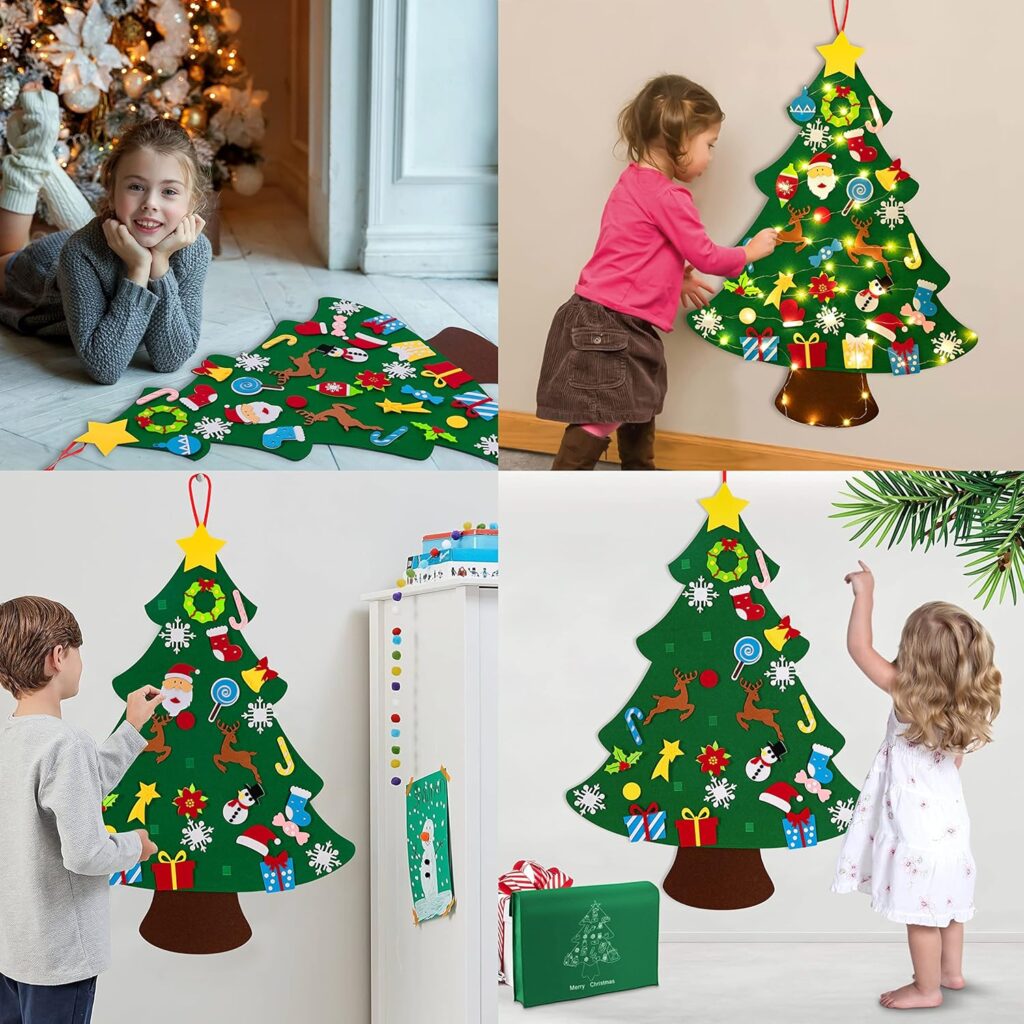
The festive season brings joy, colour, food, guests, and endless excitement. But for parents, it can also be exhausting. Routines shift, sugar levels rise, homes get noisy, and kids—especially toddlers and young children—may experience overstimulation, tiredness, or emotional meltdowns.
Managing children during the holidays isn’t about strict control; it’s about creating structure within the chaos, finding calm moments, and making sure the entire family enjoys the season without stress.
This guide offers practical, realistic tips to help keep kids happy, regulated, and cooperative during the festive rush.
Understanding Festive Overload
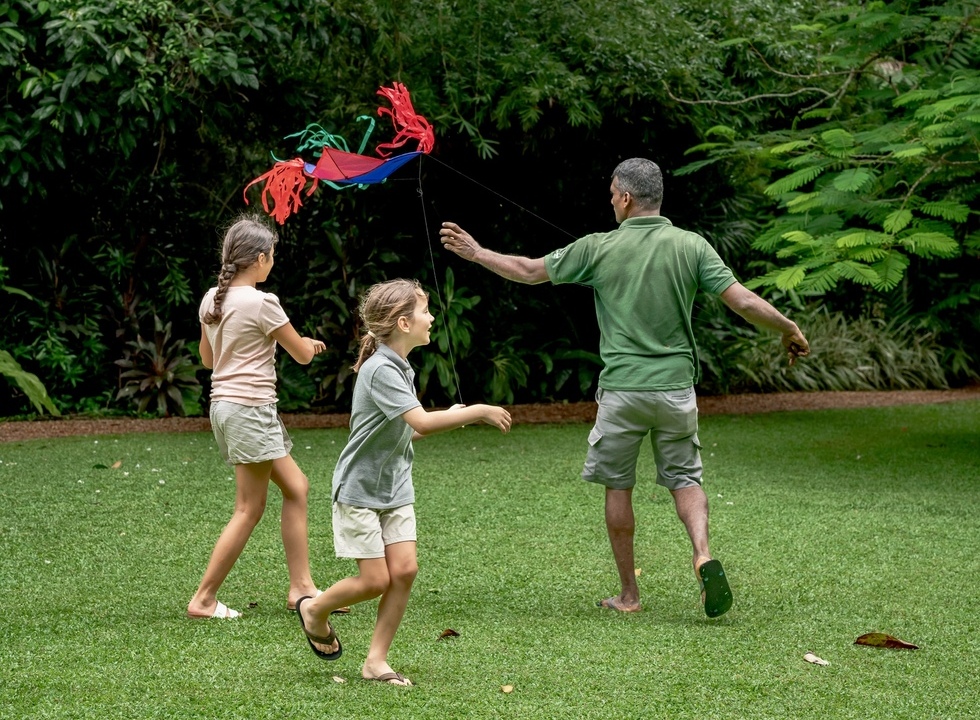
The festive season brings sensory overload: loud music, lights, visitors, late nights, and changes in routine. Children, especially those under ten, can struggle to process all of this at once.
Signs of overload include:
- Irritability or tantrums
- Difficulty sleeping
- Refusing food
- Clinginess
- Hyperactivity
Recognising these signs early helps you plan better and prevent breakdowns before they happen.
1. Create a Predictable Daily Structure
You don’t need a perfect timetable, but children cope better when they know what to expect.
Keep the essentials consistent
- Wake-up time
- Meal times
- Bath time
- Bedtime
If bedtime must be pushed back for an event, keep the rest of the day calm and slow. Predictability gives children emotional security, even in a busy season.
Use visual cues
A simple chart on the fridge—“breakfast, playtime, outing, bedtime”—helps younger kids understand the day ahead.
2. Prepare Kids for Social Gatherings
Festive gatherings can be overwhelming, whether at home or outside.
Set expectations
Explain what will happen:
- Who will be there
- How long you’ll stay
- What behaviour you expect
Use simple phrases:
“We will go to Aunty’s house, play with the cousins, and come back after dinner.”
Give them a role
Children feel calmer when they have something to do:
- Handing out serviettes
- Helping pack gifts
- Serving sweets
These responsibilities turn anxiety into confidence.
3. Balance Active Time and Quiet Time
Kids need movement to release energy but also need calm spaces to reset.
Active time ideas
- Short outdoor play before guests arrive
- A quick walk after lunch
- Dance time while getting ready
Quiet time ideas
- Colouring books
- Reading corner
- Soft music
- Lego or puzzles
Building these two rhythms into the day prevents overstimulation.
4. Manage Sugar and Snacks Wisely
Holidays mean sweets everywhere. Complete restriction will cause frustration, but free access will lead to hyperactivity and tantrums.
Smart strategies
- Offer sweets after meals (reduces overeating)
- Balance treats with fruit or yoghurt
- Keep water accessible
- Avoid sugary drinks late evening
Let children enjoy the season, but with boundaries that keep moods stable.
5. Create Safe Play Zones at Home
When guests visit, a safe and organised play area helps kids stay engaged and out of trouble.
Options include:
- A corner for toys, books, and cushions
- A craft table with colouring sheets
- A soft-mat zone for toddlers
This also reduces clutter and keeps your living space tidy even during gatherings.
6. Include Kids in Festive Preparations
Children behave better when they feel included rather than ignored.
Simple tasks they can help with
- Hanging decorations
- Wrapping gifts
- Mixing batter
- Placing ornaments on the tree
- Choosing outfits
Participation builds excitement and cooperation while teaching responsibility.
7. Don’t Over-Schedule the Holidays
Many parents stretch themselves thin trying to attend every gathering. Kids get tired faster than adults.
Choose events wisely
Prioritise:
- Meaningful family gatherings
- Events kids enjoy
- Outings close to home
Say no to anything that might cause unnecessary stress or travel fatigue.
8. Maintain Sleep Hygiene
Late nights are common during festivities, but poor sleep will affect behaviour the next day.
Protect sleep as much as possible
- Keep naps on schedule
- Use night routines (bath, story, dim lights)
- Pack a blanket or soft toy for outings
If bedtime is delayed, allow a slower morning to help them recover.
9. Teach Emotional Regulation
Holidays offer rich opportunities to teach emotional awareness.
Quick phrases for emotional coaching
- “Are you feeling tired or overwhelmed?”
- “Let’s breathe together.”
- “It’s okay to feel upset; tell me what you need.”
Kids who can identify their emotions behave more calmly.
Click on here “How to Choose the Right Fragrance: EDP vs EDT”
10. Prepare for Travel
Travelling with kids during holidays can be a challenge.
Travel essentials
- Snacks
- Water bottle
- Colouring book
- A small toy
- Wipes and spare clothes
Longer journeys
Plan for:
- Toilet breaks
- Stretching breaks
- Light entertainment (a downloaded cartoon, calm music)
11. Set Realistic Behaviour Limits
Children aren’t adults. Expecting perfect behaviour during an overstimulating period is unfair.
Keep rules simple
Three core rules usually work:
- Be kind.
- Be safe.
- Listen to adults.
Gentle reminders every few hours help reinforce behaviour without shouting.
12. Protect Your Own Energy
A calm parent creates a calm household.
Take small breaks
- Step outside for 5 minutes
- Delegate tasks
- Sit quietly with a cup of tea
- Ask your partner or relative to take over for a few minutes
Children copy adult emotional states; your calm will help regulate their behaviour too.
13. Create Meaningful Festive Traditions
Kids remember rituals more than big events.
Consider:
- Reading a nightly festive story
- Decorating together
- Sharing gratitude each evening
- Creating handmade cards
- Having a small family-only night
Traditions create emotional grounding and strengthen family bonds.
14. Use Positive Reinforcement
A few words of praise go a long way in shaping cooperative behaviour.
Examples:
- “Thank you for helping clean up.”
- “You were very patient today.”
- “I love how you shared with your cousin.”
Positive reinforcement is more effective than punishment during busy seasons.
15. Know When to Take a Break From the Festivities
If your child looks exhausted or overstimulated, it’s okay to skip an event or step outside for fresh air.
Not every moment needs to be perfect. Prioritise your child’s wellbeing and your own peace.
Final Thoughts
The festive season should be enjoyable, not overwhelming. Kids thrive when they have structure, rest, emotional support, and opportunities to participate meaningfully. By planning ahead and staying flexible, you can create a balanced, joyful season that your children will cherish.