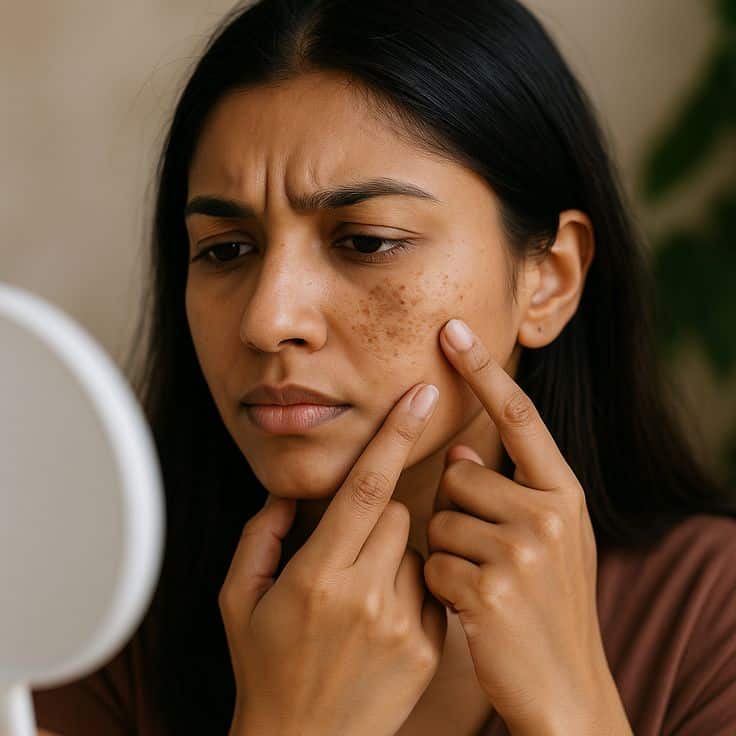

In the past decade, skincare trends moved at lightning speed. From 10-step routines to aggressive exfoliation acids and powerful retinol treatments, the beauty industry encouraged the idea that more products meant better skin. But in 2026, dermatologists across the world are repeating one message louder than ever: stop exfoliating — fix your skin barrier first. This shift reflects a growing understanding of how delicate our skin actually is, and how over-exfoliation has left many people with compromised barriers causing redness, acne, dryness, and sensitivity.
Understanding Your Skin Barrier
Your skin barrier (the stratum corneum) is the outermost layer of your skin — a protective wall made of skin cells (the bricks) and lipids like ceramides and fatty acids (the mortar). When it is healthy, your skin appears smooth, hydrated, and resilient. When it is damaged, everything changes.

Signs Your Skin Barrier Is Damaged
Many people reach for stronger products when their skin looks problematic. But often the real issue is a compromised barrier — and adding more actives makes it worse.
- Persistent RednessSkin that looks constantly flushed or irritated is often the barrier struggling to protect itself from environmental triggers.
- Burning After Applying ProductsWhen even gentle products sting, the protective layer has been significantly weakened and is no longer filtering properly.
- Tightness and DehydrationDamaged skin loses moisture faster, leading to dryness and tightness even immediately after moisturising.
- Sudden BreakoutsA disrupted barrier allows bacteria to enter more easily, causing unexpected acne flare-ups in areas that were previously clear.
- Flaky or Peeling SkinIronically, over-exfoliation often causes more flaking — not less. The skin tries to rebuild what keeps being stripped away.
In 2026, dermatologists are recommending something surprising: pause exfoliation entirely for several weeks if your is damaged. When you exfoliate too often, you remove not only dead skin cells but also the lipids and proteins that maintain barrier strength — preventing the skin from properly repairing itself. The skin needs to rebuild before active ingredients can be safely reintroduced.