Postpartum Hair Loss: Why Am I Losing So Much Hair After Having a Baby?
Losing more hair after having a baby can feel frightening, but postpartum hair loss is common and usually temporary. Here is what new mums should know about hormones, stress, nutrition and recovery.
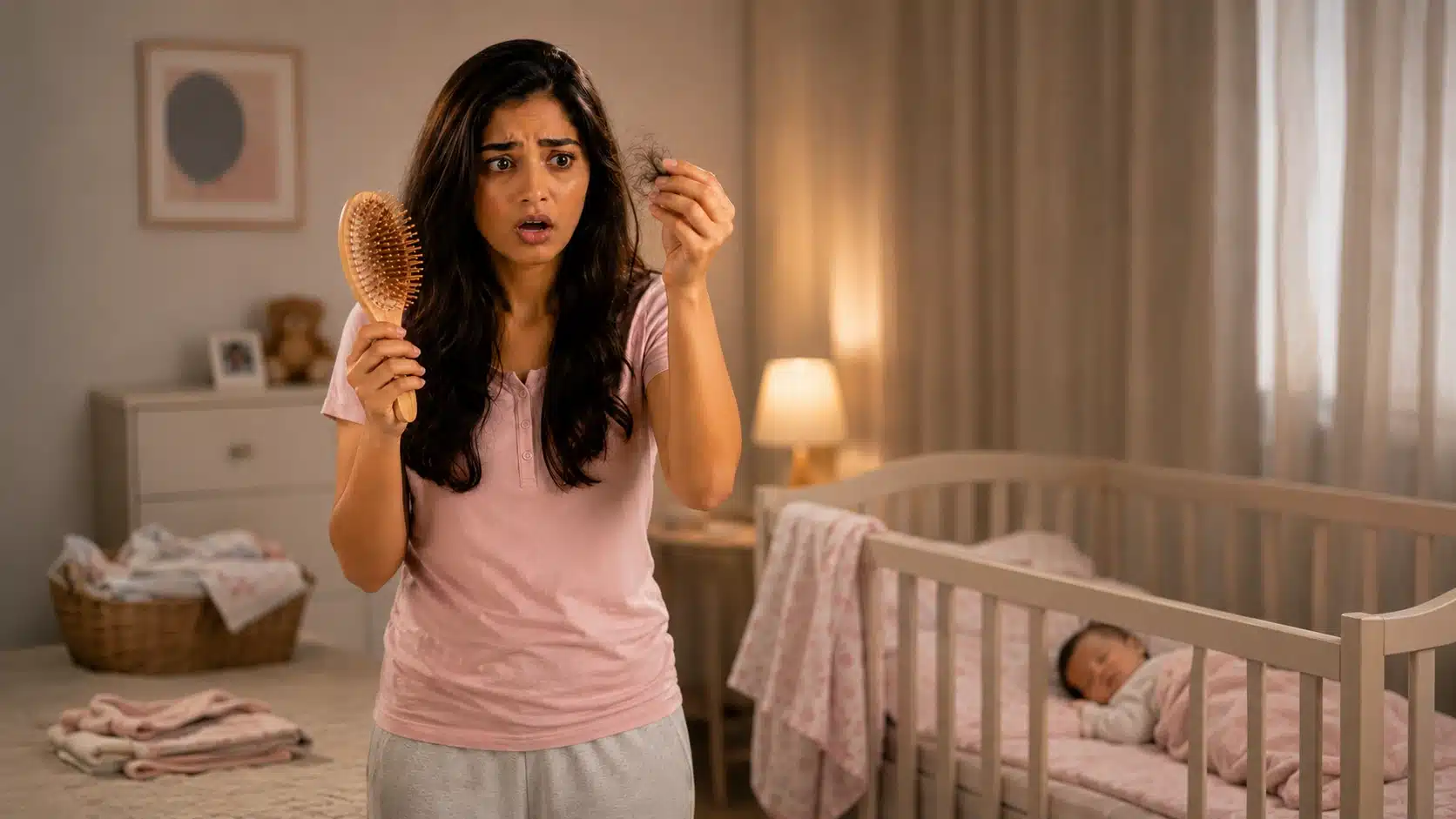
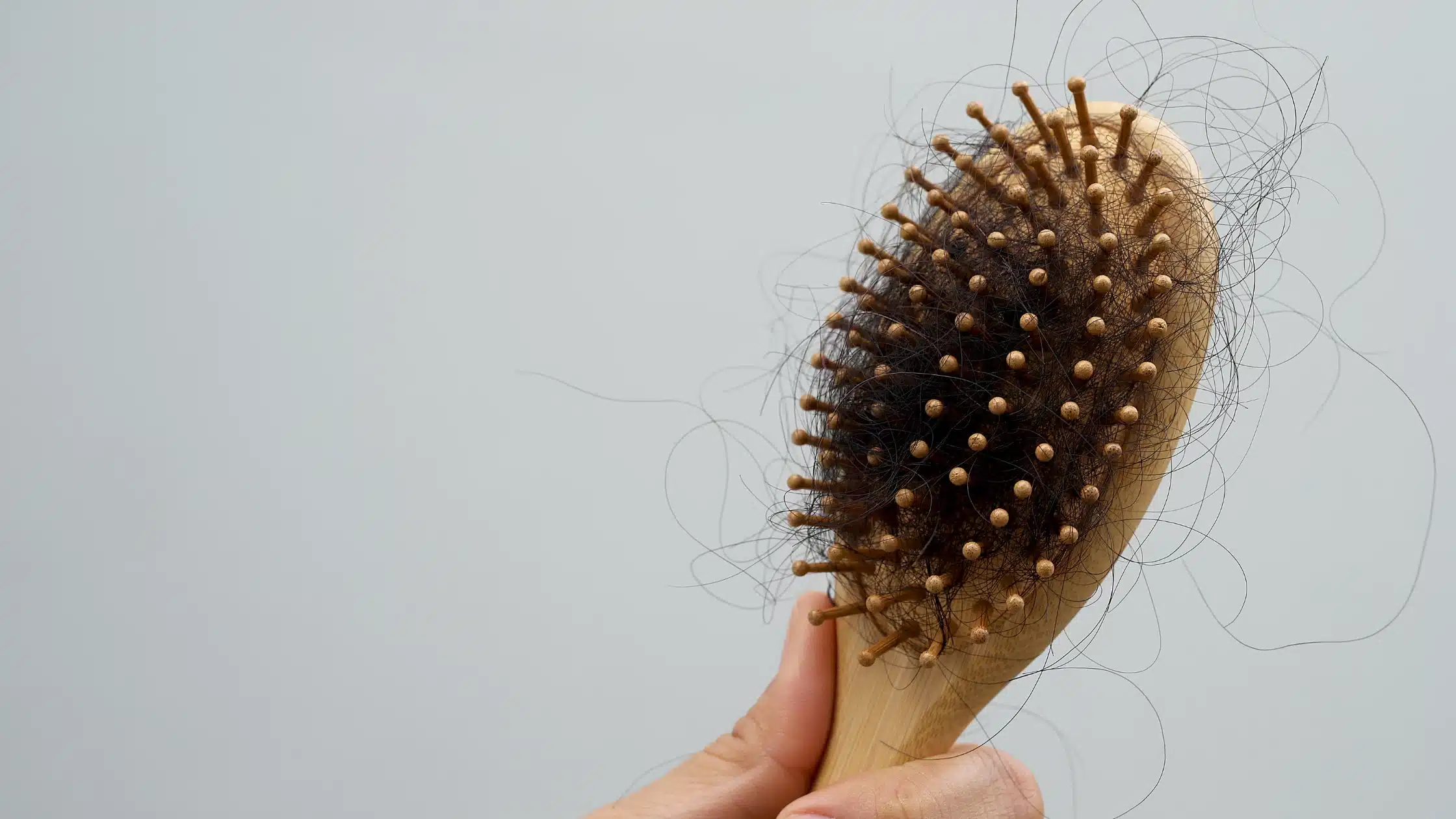
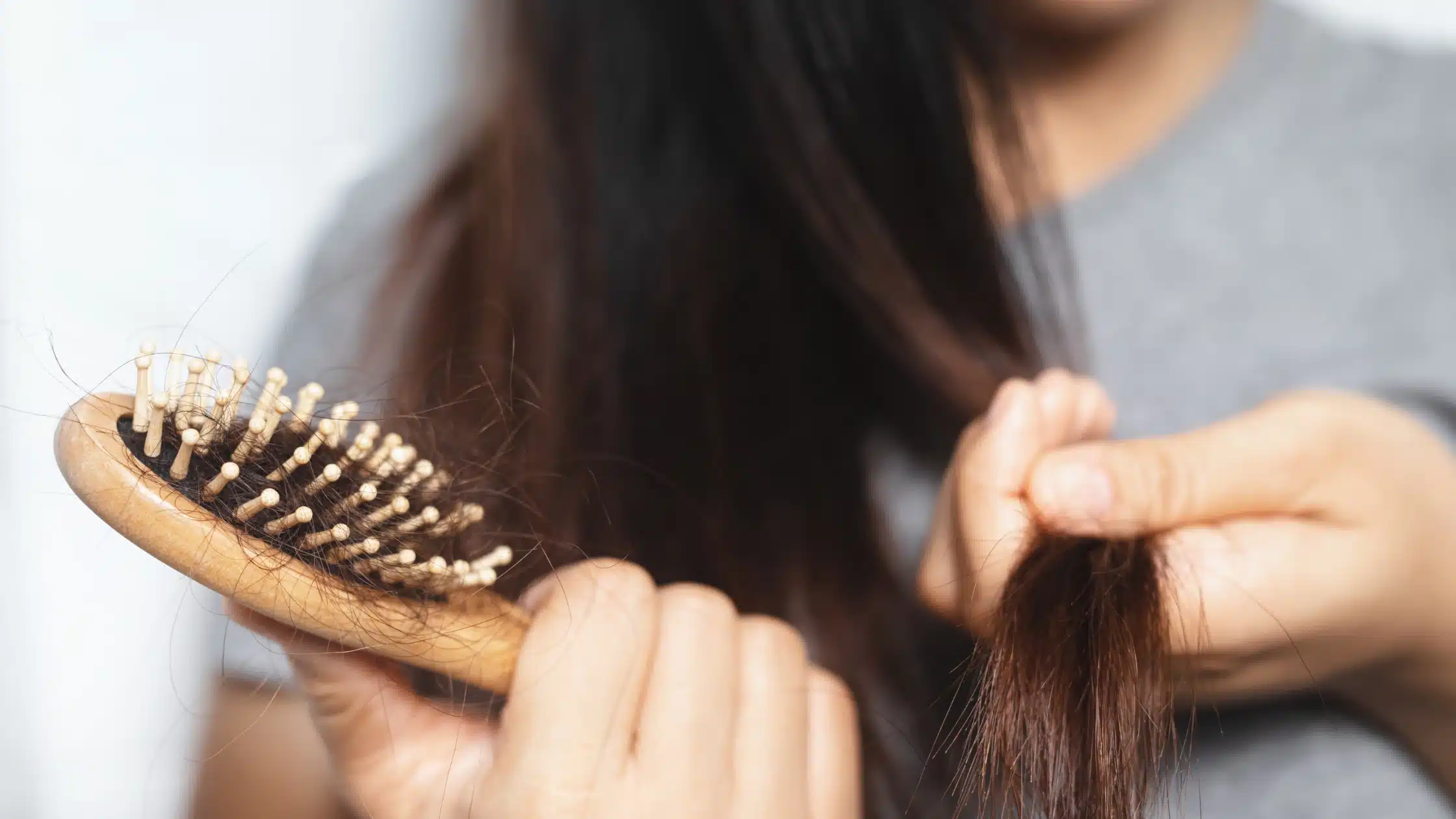
Postpartum Hair Loss can feel frightening, especially when you are already adjusting to life with a new baby. You may notice hair on your pillow, in the shower, on the floor, in your hairbrush or even in your baby's tiny fingers.
For many new mums, the first thought is, "Am I going bald?" The calm answer is: usually, no. Hair loss after giving birth is very common and is often temporary. It can look dramatic because the shedding may happen suddenly and in larger amounts than you are used to. But in most cases, it is part of the body's natural recovery after pregnancy.
Still, that does not mean you should ignore it completely. Understanding why it happens can help you feel less anxious and care for yourself better during the postpartum season.
Why Does Postpartum Hair Loss Happen?
The biggest reason for postpartum hair loss is hormonal change.
During pregnancy, higher estrogen levels keep more of your hair in the growth phase. This is why many women notice thicker, fuller or shinier hair while pregnant. Your hair is not necessarily growing more than usual; it is simply shedding less. After delivery, estrogen levels drop. When that happens, the extra hair that stayed in the growth phase during pregnancy begins moving into the resting and shedding phase. Because many strands shift at once, the shedding can look intense.
This type of shedding is often called postpartum shedding. It is not usually permanent hair loss. It is your hair cycle trying to return to normal after pregnancy.
When Does It Start — and How Long Does It Last?
Postpartum hair loss does not always begin immediately after birth. Many women notice it around two to four months after delivery. For some, it may start earlier or later. It may also peak around the fourth month, when the shedding can feel most alarming.
This delay can be confusing. You may wonder why your hair suddenly starts falling when your baby is already a few months old. But this timing is linked to the hair growth cycle. The body goes through hormonal changes first, and the shedding appears later.
For many women, postpartum hair loss improves gradually within several months. The regrowth phase can also look a little funny at first — short baby hairs around your forehead, hairline or temples. These are often a good sign that new growth is coming in.
You are not vain for caring about it. You are not weak for feeling upset. Your body has done something extraordinary. Now it needs time, care and support to return to balance.Postpartum Hair Loss — Why Am I Losing So Much Hair After Having a Baby
Is It Normal to Lose This Much Hair?
It can be normal to lose more hair than usual after having a baby. However, "normal" does not mean it feels easy. Seeing handfuls of hair can be upsetting, especially when you are tired, healing, breastfeeding, recovering from birth or trying to recognise yourself again.
The important thing is to look at the pattern. If the shedding began a few months after delivery and is mostly diffuse across the scalp, it may be typical postpartum shedding. If you are noticing bald patches, scalp pain, redness, scaling, severe itching or shedding that keeps getting worse, it is better to speak to a doctor or dermatologist.
Postpartum hair loss should gradually improve. It should not make you feel dismissed or ignored if you are worried.
Physical and Emotional Stress Can Add to Shedding
Childbirth is a major physical event. Your body goes through pregnancy, delivery, blood loss, healing, sleep disruption and hormonal adjustment. That alone is a lot. Emotional stress can also affect hair shedding. New motherhood can bring joy, love and tenderness, but it can also bring anxiety, exhaustion, feeding struggles, body changes and emotional overwhelm.
When the body experiences stress, more hair can shift into the shedding phase. This does not mean your hair loss is your fault. It means your body may be responding to everything it has carried.
Be gentle with yourself. You are not "failing" because your hair is shedding. You are recovering from a major life and body transition.
Nutritional Factors That Can Make Hair Loss Worse
Nutrition also matters after birth. Low iron levels, low protein intake, sudden weight loss, restrictive dieting or not eating enough can contribute to increased shedding. This is especially important if you had heavy bleeding during delivery, are breastfeeding, feel extremely tired or have not had time to eat properly.
New mums often put themselves last. The baby eats. The baby sleeps. The baby is checked. The baby is held. But the mother's meals, rest and recovery can easily become secondary.
Hair health depends on the whole body. Try to include protein, iron-rich foods, vegetables, fruits, healthy fats and enough fluids. If you suspect anaemia, thyroid imbalance or vitamin deficiency, do not self-diagnose. Speak to a healthcare professional and ask whether testing is needed.
Can You Stop Postpartum Hair Loss Immediately?
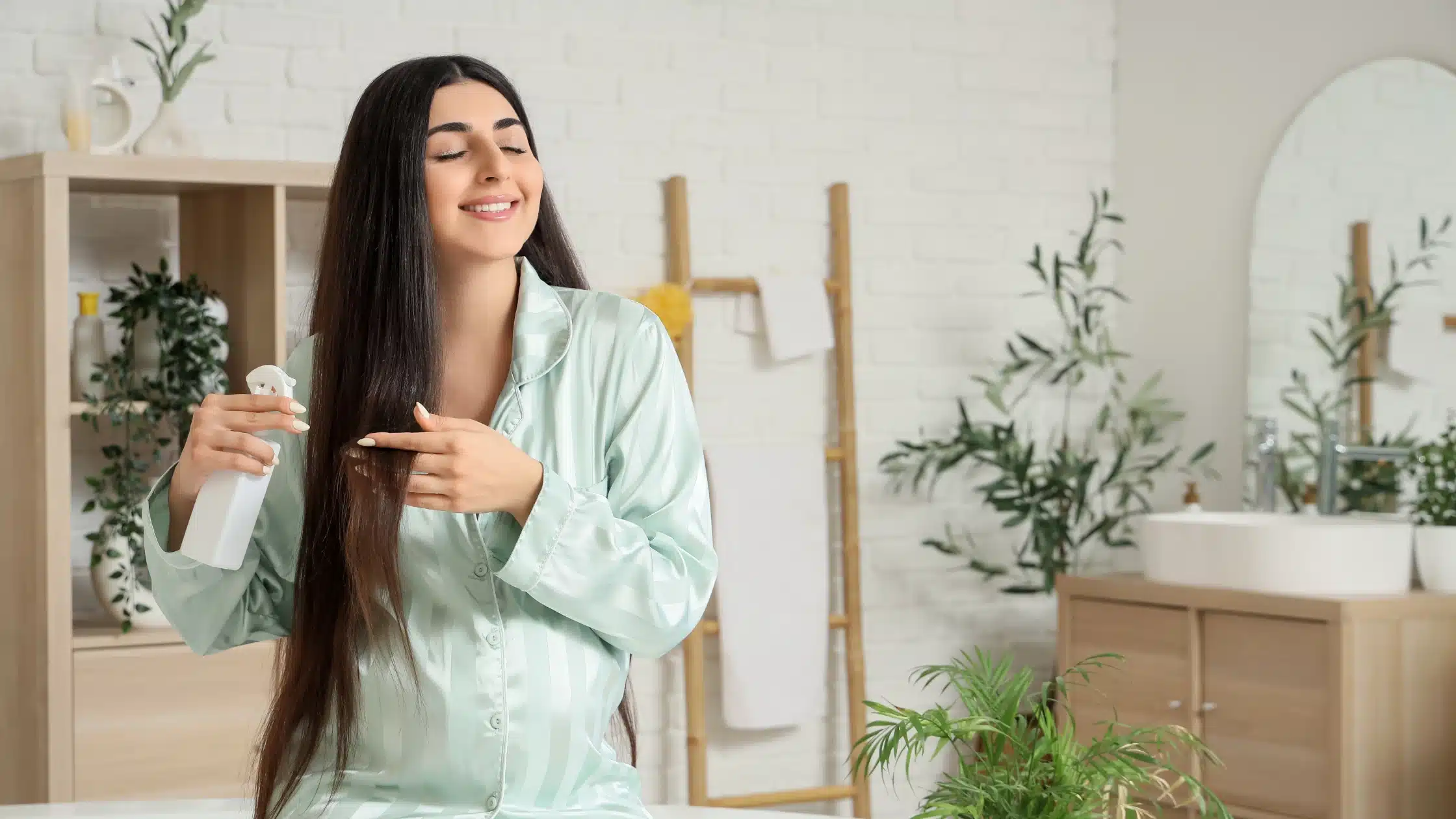
This is the question many new mums ask. Usually, no. Because postpartum shedding is linked to the hair cycle, it cannot always be stopped overnight with oil, shampoo, supplements or home remedies. But you can protect the hair you have and avoid making the shedding look worse.
What About Home Remedies and Oils?
Many women turn to oils and home remedies during postpartum hair loss. Some gentle oils may help with dryness or breakage, especially on the lengths of the hair. But oils cannot instantly stop hormonal shedding. They may improve how the hair feels, but they do not reverse the postpartum hair cycle overnight.
Be careful with harsh DIY treatments, strong essential oils, onion juice or anything that burns, itches or irritates your scalp. A sensitive postpartum body does not need aggressive experiments. If you want to use oil, keep it simple. Apply lightly, avoid pulling the hair during massage and wash it out gently.
Natural care should feel soothing, not painful.
When Should You See a Doctor?
Postpartum hair loss is usually temporary, but some signs need medical attention.
Sometimes hair loss after birth is not only postpartum shedding. It may reveal another condition that needs treatment. Getting checked does not mean you are overreacting. It means you are taking care of yourself.
Your Body Is Still Recovering
New mums are often expected to "bounce back" quickly. But birth is not something your body simply finishes and forgets. Recovery takes time. Hormones shift. Sleep changes. Feeding demands energy. Your body may look different. Your emotions may feel different. Your hair may behave differently too.
If you are also wondering why your baby cries even after feeding, Satynmag's article on Why Is Your Baby Crying Even After Feeding? may be a helpful extra read. And if you are struggling with body changes after birth, read Why Do I Still Look Pregnant After Giving Birth? for a gentle reminder that postpartum recovery is not instant. Your hair is only one part of the bigger postpartum story.
- You are not vain for caring about your hair.
- You are not weak for feeling upset about how you look.
- Hair can be deeply connected to identity, confidence and how you feel in your body.
- After having a baby, it is normal to want some part of yourself to feel familiar again.
- Your body has done something extraordinary. Now it needs time, care and support to return to balance.
Postpartum Hair Loss can be emotionally difficult, but in most cases, it is temporary. Eat as well as you can. Rest when possible. Use soft hair care. Avoid tight styles and harsh treatments. Do not panic over every strand. And if the shedding continues too long or comes with worrying symptoms, speak to a medical professional. The most important thing is to be gentle — with your hair and with yourself. Your body has done something extraordinary. Now it needs time, care and support to return to balance.
Be gentle with your hair. Be patient with your body. Your recovery is not a race.
For more pregnancy, postpartum and baby care articles, explore Satynmag's Mom & Baby section.
Written by
Satyn Editorial