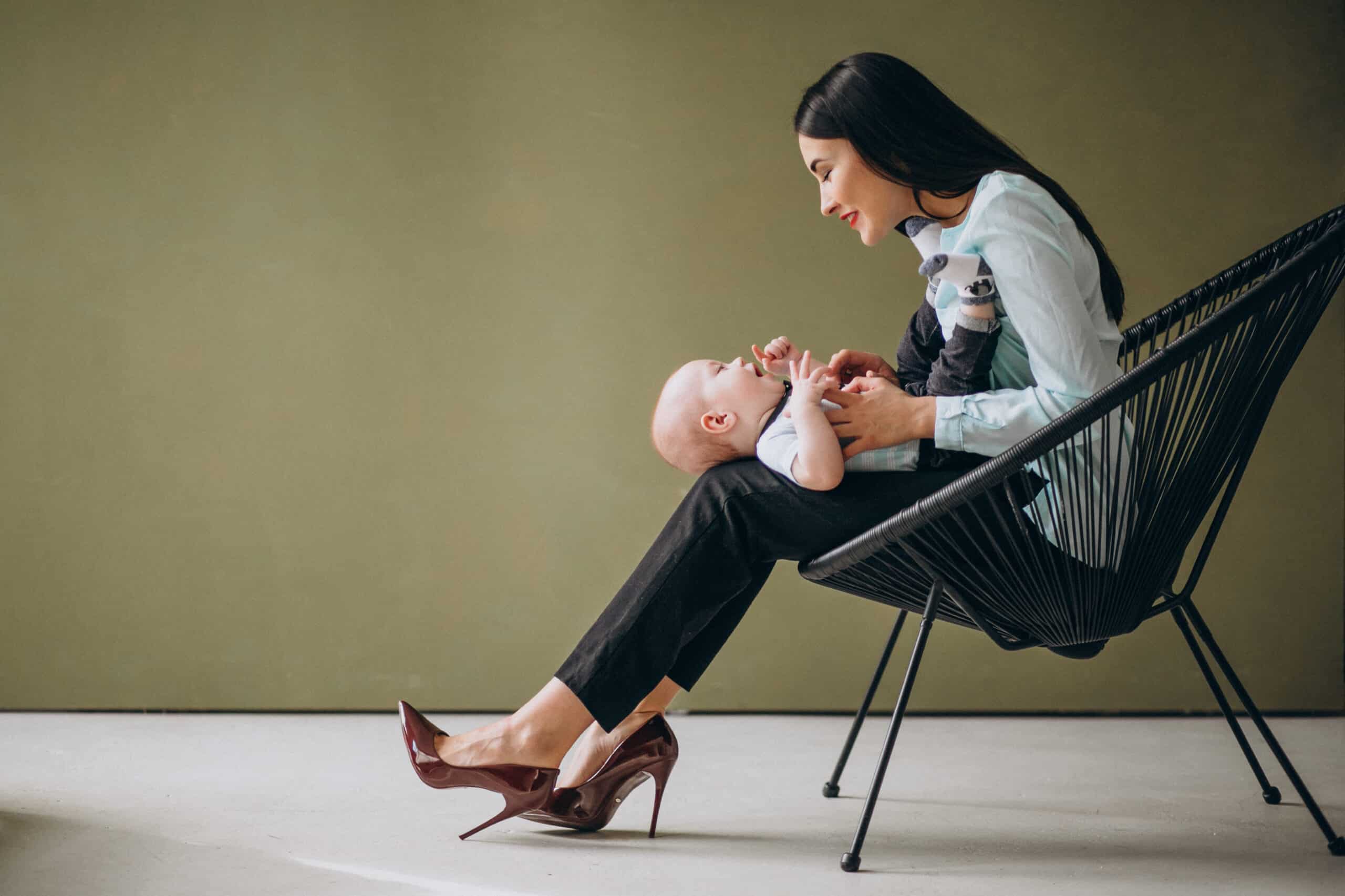
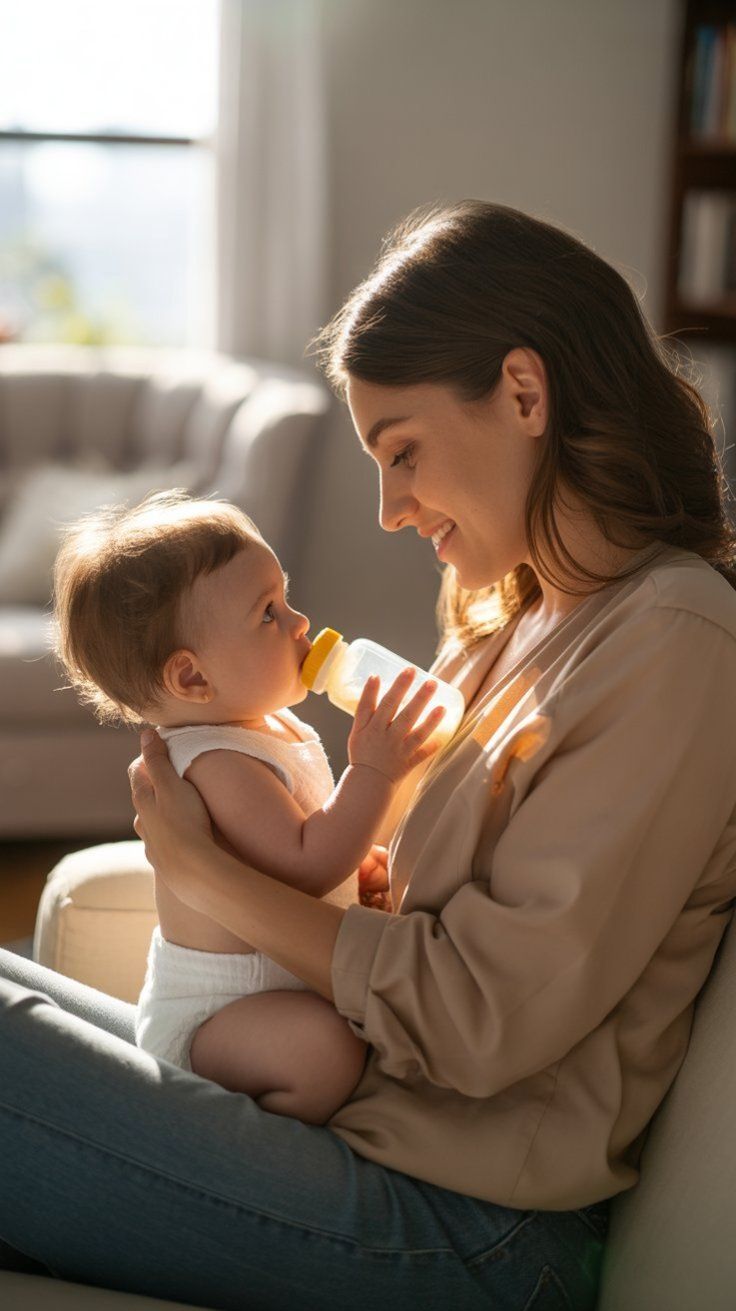
Becoming a mother is often described as beautiful, life-changing, and deeply emotional. And it is. But for many new mums, there is another side to early motherhood that does not get spoken about enough — the quiet feeling that somewhere between feeding schedules, sleepless nights, laundry piles, and constant responsibility, they have started to lose themselves. If you have ever wondered whether identity loss and mental load are actually real for new mums, the answer is yes. Very real. And far more common than many people realise.
💕You can adore your baby and still grieve your old freedom
👀You can feel thankful and still feel invisible
🧡You can be happy and still feel overwhelmed
What Identity Loss Actually Feels Like
Motherhood changes more than a daily routine. In most cases, it transforms life completely — body, schedule, sleep, relationships, and sense of self. Before becoming a mum, she may have been known for many things: her work, her personality, her hobbies, her ambitions. After having a baby, people often begin to see her mainly through one role: mother. Identity loss in motherhood is not about not loving your child. It is about struggling to recognise yourself in the middle of such a massive life transition.
Identity loss does not always show up dramatically. It may look like standing in front of a mirror feeling unfamiliar with yourself. It may sound like saying, “I don’t even know what I like anymore.” It may feel like going through every day on autopilot, meeting everyone else’s needs while your own personality gets pushed into the background. The loss is not always about wanting your old life back. Often it is about wanting to feel like a whole person again.
The Mental Load Is More Than Just “Being Busy”
People notice the physical work of motherhood — feeding, changing, cleaning, rocking. But less visible is the mental load: the invisible planning, remembering, anticipating, organising, and emotional managing that happens constantly in the background. Even when someone helps physically, the mother may still be the one carrying the mental responsibility of everything.
- Remembering vaccination dates and tracking feeding times
- Noticing when baby clothes no longer fit and planning ahead
- Checking supplies, managing the house, and replying to family
- Reading the baby’s signals and worrying about developmental milestones
- Soothing, emotionally managing, and planning — while sleep-deprived
✦ Why New Mums Are Especially Vulnerable
New motherhood is one of the most demanding emotional and practical transitions in life. Hormonal shifts, physical recovery, breastfeeding challenges, lack of sleep, body image struggles, and social expectations can all intensify the pressure. Social media often makes this worse — presenting motherhood in polished, filtered moments that hide the mental fog, resentment, loneliness, overstimulation, and emotional exhaustion that many mums quietly carry.
Signs That Mental Load Is Becoming Too Heavy
Sometimes new mums do not realise how overwhelmed they are until they reach a breaking point. Being grateful does not cancel out stress. These signs may build slowly, often dismissed as normal when they actually signal that a woman needs more support than she is receiving.
- Feeling irritated all the time, even over small things
- Crying easily without being able to explain why
- Forgetting simple tasksx and struggling to focus
- Feeling emotionally numb or disconnected
- Unable to switch off even when the baby is sleeping
- Resentment that others can “help” without thinking first
- Guilt about being tired because motherhood should be joyful
- Your own wellbeing disappearing into the background
What Actually Helps
There is no perfect fix, but small shifts create real differences. New mums need support that is practical, emotional, and consistent — not just performative.
🏦
Practical, Real SupportNot vague offers like “let me know if you need anything” — but real help. Bringing food, holding the baby while she showers, doing dishes, managing errands, taking over specific responsibilities without step-by-step instructions.
💬
Emotional Space Without ShameNew mums need space to say “this is harder than I expected” without being met with minimisation. Honest conversations, supportive partners, family understanding, and trusted friends reduce the isolation significantly.
✨
Reconnecting With Parts of HerselfSmall things matter: reading again, a walk alone, wearing something that feels like “her,” creative work, journalling, exercise, or simply uninterrupted time to think. A mother does not stop being a full human being because she now cares for a child.
Key Points
✦ What Every New Mum Deserves to Hear
- Identity loss in new motherhood is real and often linked to major life, body, and emotional changes
- Mental load is the invisible burden of remembering, planning, anticipating, and emotionally managing daily life
- A new mum can deeply love her baby and still feel overwhelmed, lost, or disconnected from herself
- Support should be practical, emotional, and consistent — not just performative or occasional
- Rebuilding identity after motherhood is possible, but it takes time, self-compassion, and space
✦ The Message More Women Need to Hear
You are not failing — you are adjusting. You are not ungrateful — you are overwhelmed. You are not losing your mind — you are carrying more than most people can see. And you deserve care, rest, and the space to feel like yourself again — even if that self looks a little different than before.
New Mums
Identity Loss
Mental Load
Motherhood
Postpartum Wellbeing
Matrescence
Women's Mental Health
Satyn Circle