
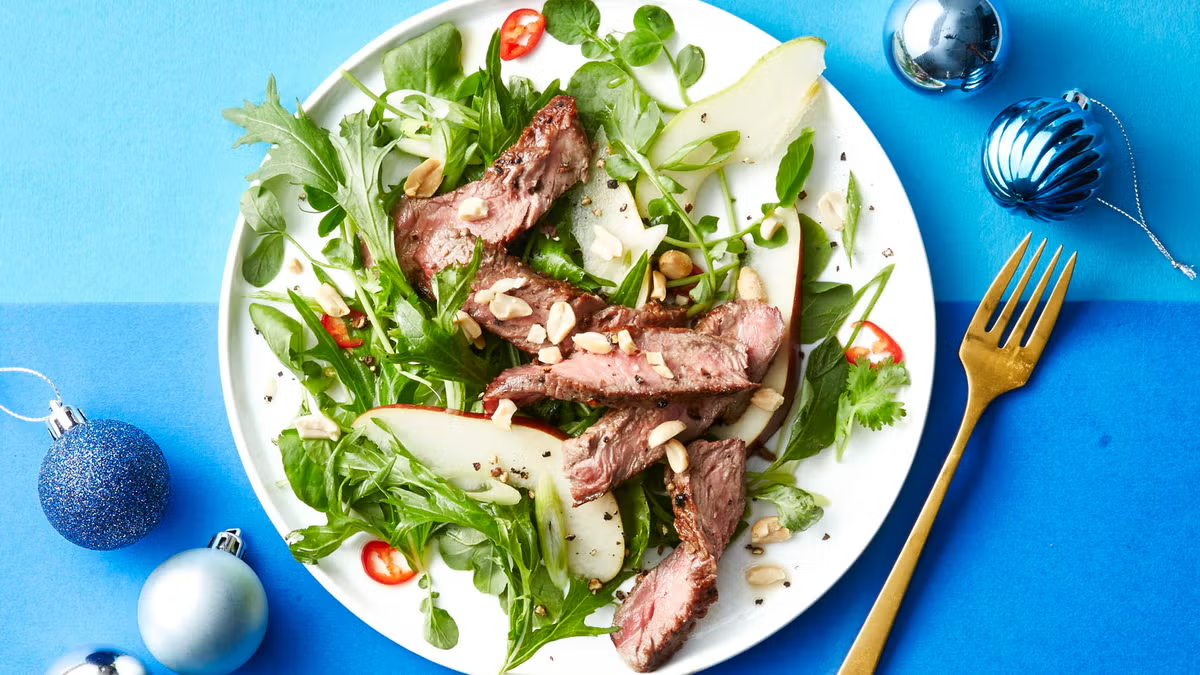
The festive season arrives with warmth, celebration, family gatherings, and – of course – food. Rich desserts, office buffets, late-night outings, and endless treats make this period one of the hardest times to maintain a balanced diet. Yet eating smart does not mean restricting yourself or giving up your favourite dishes. It simply means making mindful choices that allow you to enjoy the season without feeling heavy, guilty, or sluggish.
This guide breaks down how to stay in control of your diet during the holidays while still enjoying every celebration.
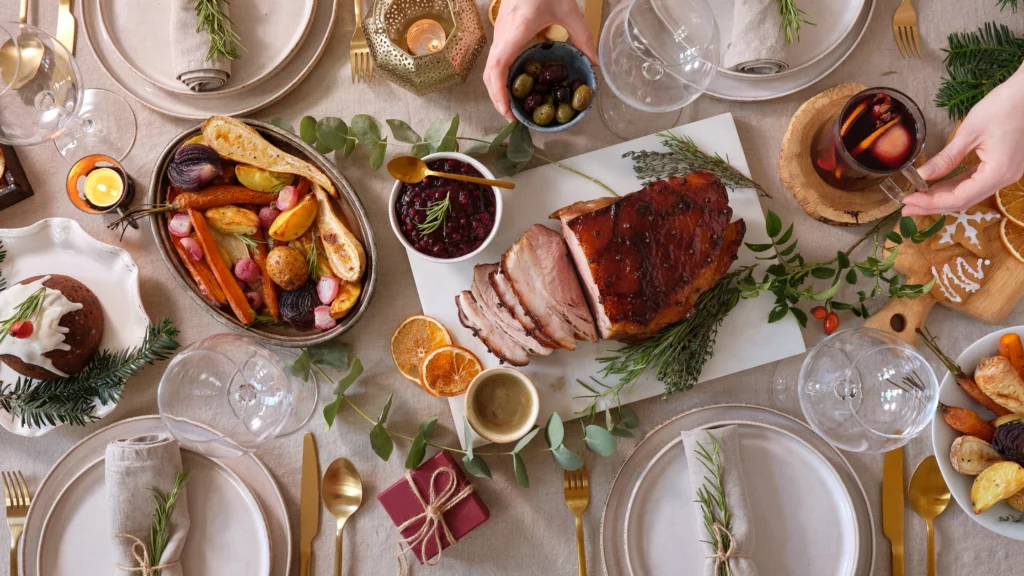
Understand the Festive Food Trap
End-of-year gatherings naturally lead to overeating. There are several reasons:
1. Social pressure – People offer food generously, and turning it down can feel rude.
2. Emotional eating – Nostalgia, stress, or excitement can make you eat more than you need.
3. Availability – Festive treats appear everywhere: office tables, cafés, homes, parties.
4. Portion distortion – Buffets and large plates make you misjudge realistic portions.
Recognising these triggers helps you manage them better. Awareness is the first step to eating mindfully.
Plan Before You Eat
The biggest mistake during the festive season is going into meals blindly. Planning doesn’t require rigidity – just clarity.
Have a Light, Balanced Base
If you skip meals before a party, you arrive starving and overeat. Instead, have:
- A bowl of yogurt with fruit
- A vegetable omelette
- A small bowl of rice with dhal
- A smoothie with banana, oats, and milk
These stabilise your blood sugar and reduce cravings.
Survey Before Serving
At buffets or dinner tables, take a slow walk, look at everything, and decide what’s worth your calories. This prevents piling your plate impulsively.
Build a Smart Plate
A smart holiday plate lets you enjoy both flavour and balance.
1. Load Half Your Plate with Fibre
Vegetables, salads, and legumes keep you full without excess calories. Choose:
- Green salads
- Cooked vegetables
- Lentils or chickpeas
Fibre also slows digestion, helping manage sugar spikes from sweets.
2. Choose Lean Proteins
Protein reduces cravings and keeps you satisfied for hours.
- Fish
- Chicken
- Egg dishes
- Tofu or beans
Avoid deep-fried versions when possible.
3. Be Mindful with Carbs
Carbs aren’t the enemy – excess is. Festive tables often include rice, breads, noodles, potatoes, and desserts. Choose one or two carbs, not all:
- A small portion of rice
- A slice of roast bread
- A few spoonfuls of noodles
If you want dessert, reduce carbs from the main meal.
4. Pick Healthy Fats
Fats add richness but also calories. Go for:
- Nuts
- Olive-oil dressings
- Avocados
Avoid heavy cream-based dishes and excessive cheese.
Click on here “Choosing the Right Accessories for Your Office Christmas Party”
Master Dessert Without Guilt
Festive desserts are irresistible, but you don’t need to skip them. Instead:
Share Portions
Split dessert with a friend or take a few bites instead of a full slice.
Choose Your Treat
Don’t waste calories on foods you don’t truly enjoy. Pick one dessert that feels worth it.
Eat Sweets Slowly
Sugar hits faster when you eat quickly. Savouring slows your consumption and increases satisfaction.
Balance It Out
If you know dessert is coming, reduce your carb intake earlier.
Hydration Helps More Than You Think
Most people confuse thirst with hunger. Hydration reduces overeating, improves digestion, and helps with bloating.
Drink Water Before Events
A glass of water 20 minutes before meals helps appetite control.
Alternate Water with Festive Drinks
Soft drinks, cocktails, mocktails, and sugary punches add hundreds of hidden calories. Use this formula:
One drink → One glass of water
Add Hydrating Foods
Cucumber, oranges, watermelon, broth-based soups all reduce dehydration caused by salty festive meals.
Mindful Eating: The Secret Weapon
Mindful eating helps prevent overeating even when surrounded by holiday indulgence.
Eat Slowly
Your brain needs about 20 minutes to register fullness. Slow eating prevents second servings.
Pause Between Bites
Put your fork down. Sip water. Engage in conversation.
Check In With Yourself
Ask:
- Am I still hungry?
- Am I eating because others are?
- Am I eating out of boredom?
This awareness changes everything.
Control Portions Without Feeling Restricted
Use a Smaller Plate
Research shows you naturally eat less with smaller plates.
Start with One Serving
Tell yourself: “If I’m genuinely hungry, I can take more.”
Prioritise Flavour
A small portion of a rich food is better than a large portion of a bland dish.
Keep Moving
Holiday eating feels heavier when your activity level drops. You don’t need intense workouts – simple movement helps:
- 10-minute evening walks
- Light stretching
- Post-meal strolls with family
- Dancing at parties
- Quick bodyweight circuits
Movement reduces bloating and improves digestion.
Know Your Body’s Limits
Your body gives signals:
- Fullness
- Bloating
- Stomach heaviness
- Sugar crashes
- Lethargy
Honouring these signals prevents overindulgence.
Skip the extra plate if your body says no. The holiday isn’t ending tomorrow – food will always exist.
Limit Stress Eating
The festive season can also bring emotional stress – family dynamics, expectations, social obligations, or travel fatigue. Stress increases cravings for sugar and carbs.
Try Simple Strategies:
- Short breathing exercises
- Drinking warm water or herbal tea
- Taking a quick walk
- Stepping outside for fresh air
- Listening to calming music
Managing stress helps manage appetite.
Alcohol: Enjoy but Be Smart
Alcohol lowers self-control and increases hunger. To stay balanced:
Avoid Drinking on an Empty Stomach
You will overeat later.
Choose Lighter Options
- Wine
- Light cocktails
- Spirits with soda water
Avoid creamy cocktails, sugary mixers, and multiple rounds.
Set a Limit
Two drinks max for most festive nights.
Enjoy the Season Without Punishing Yourself
Smart eating is not punishment. It is awareness. Even if you overeat, don’t turn it into guilt. Instead:
- Drink more water
- Eat lighter the next day
- Move your body
- Sleep well
- Reset without self-criticism
Balance comes from consistency, not perfection.
Final Thoughts
The festive season is about togetherness, celebration, and joy – food is only one part of it. Eating smart helps you stay energised, confident, and comfortable while still enjoying every moment. With a few mindful strategies, you can savour your favourites, maintain balance, and step into the new year feeling good.


