
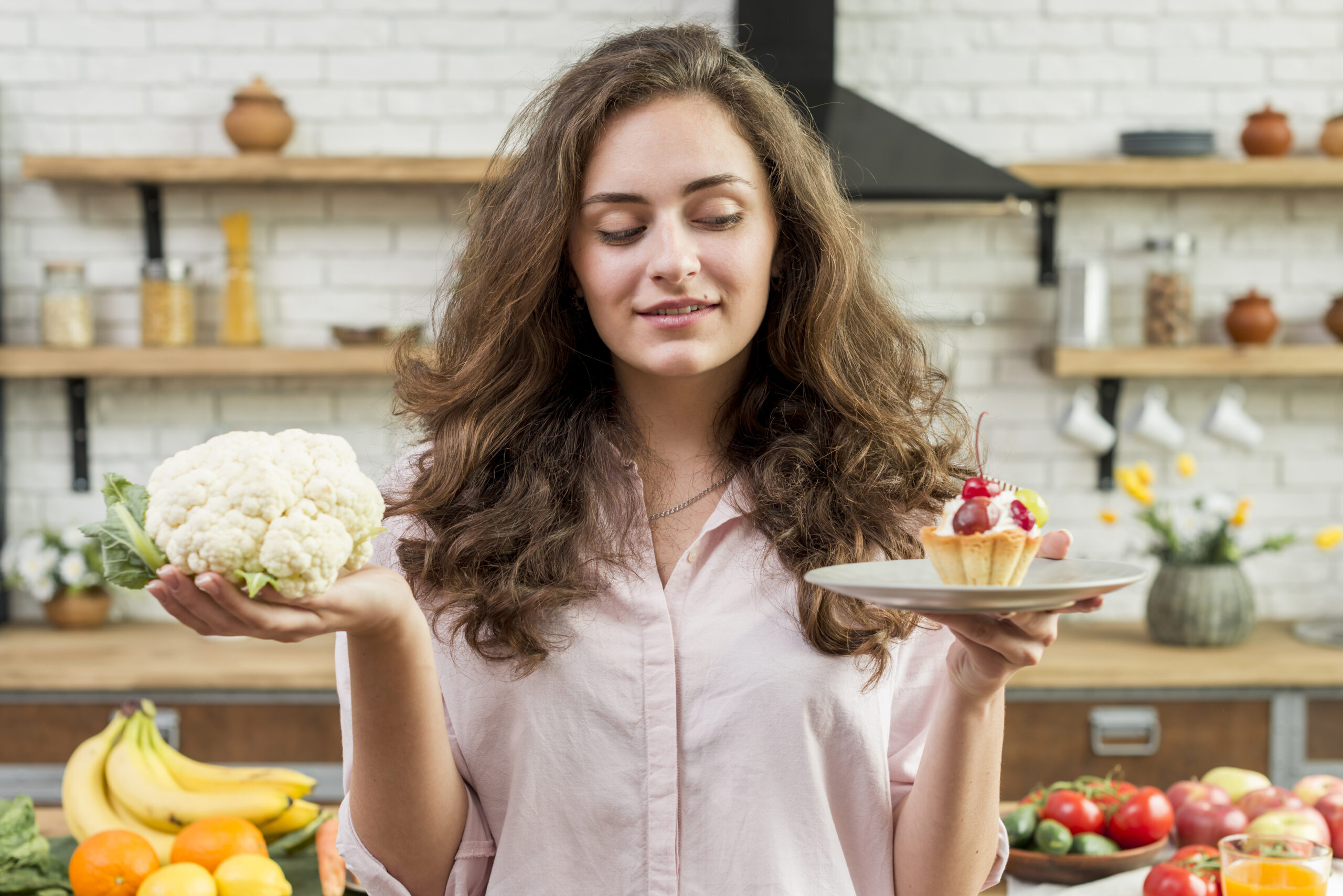
Eating out is one of life’s simplest pleasures—meeting friends, celebrating milestones, taking a break from cooking, or just enjoying a good meal outside the house. For someone living with diabetes, however, the idea of dining out can feel stressful. Menus are unpredictable, portion sizes are large, hidden sugars and fats lurk everywhere, and social pressure can make healthy eating harder.
But diabetes does not mean giving up restaurant food. It simply means eating with intention.
This guide explains how someone with diabetes can confidently enjoy meals at restaurants—without guilt, without feeling restricted, and without sacrificing flavour. With the right strategies, eating out can stay joyful, satisfying, and fully compatible with good glucose control.
Understanding What Makes Restaurant Eating Challenging for Diabetes
Restaurants are designed to maximise taste—not necessarily health. That means:
1. Large portions
Most restaurants serve double or even triple a normal portion size. Overeating, even with “healthy” food, can spike blood sugar.
2. Hidden sugar and starch
Sauces, dressings, soups, gravies, marinades, and drinks often contain sugar, flour, or honey—ingredients that raise blood glucose quickly.
3. High-fat cooking methods
Deep-frying, pan-frying, and creamy sauces slow digestion, causing delayed glucose spikes.
4. Social pressure
People don’t want to feel different. Friends may encourage dessert; celebrations often revolve around heavy meals.
5. Emotional choices
Restaurants can trigger cravings, especially when hungry, tired, or tempted by smells and menus.
Knowing these challenges helps you prepare mentally and practically.
Click on here “Can You Start a Business After Marriage? A Complete Guide to c Together”
Mindset First: Eating Out Should Feel Normal, Not Restrictive
Many people with diabetes fall into two emotional traps:
• “I can’t eat anything I like anymore.”
• “Today I’ll eat whatever I want and start fresh tomorrow.”
Both lead to guilt and glucose swings. The goal is balance. You can enjoy the meal—just with some smart swaps and awareness.
Think of eating out as an opportunity to make the best choice available, not a test of perfection.
Practical Strategies to Enjoy Eating Out With Diabetes
Below are simple, real-world strategies that work in any cuisine, any restaurant, and any budget.
1. Check the Menu Before You Arrive (If Possible)
This single habit removes 80% of the stress.
• Look up the menu online.
• Decide your meal before arriving.
• Identify swaps (e.g., vegetables instead of fries).
• Know which dishes to avoid (heavy cream pastas, sweet sauces, buffet-style plates).
When you choose early, you avoid rushed, emotional decisions.
2. Arrive Slightly Full, Not Starving
Eating out while extremely hungry leads to overeating, poor choices, and rapid glucose spikes. Have a small protein snack beforehand:
• a boiled egg
• a handful of nuts
• a yoghurt cup
• a small piece of cheese
This stabilises blood sugar and helps you make better decisions at the table.
3. Start With Water—Not Juice, Not a Soft Drink
Sugary drinks are the fastest way to elevate glucose levels. Even “healthy” drinks like fresh juices, smoothies, iced tea with syrup, and mocktails contain large amounts of sugar.
Start with:
• water
• sparkling water
• soda water with lime
• unsweetened tea
Drinking water before eating also reduces overeating.
4. Understand How to Build a Blood-Sugar-Friendly Plate
A good plate follows this pattern:
• 50% non-starchy vegetables
Salad (light dressing), steamed veggies, sautéed greens, stir-fried vegetables.
• 25% protein
Grilled chicken, fish, tofu, lean meat, eggs, lentils, seafood.
• 25% carbs
Preferably whole grains or low-GI options: brown rice, quinoa, small portions of pasta, sweet potato, or chapati.
When your plate looks like this, your glucose stays stable.
5. Choose Your Cooking Method Wisely
Healthier methods:
• grilled
• baked
• roasted
• steamed
• boiled
• air-fried
Methods to limit:
• deep-fried
• crispy
• tempura
• battered
• cheesy
• creamed
A grilled chicken sandwich is completely different from a crispy chicken burger. The cooking method often matters more than the dish itself.
6. Ask for Modifications—Restaurants Expect It
You are not being “difficult.” It is normal to request adjustments. Simple swaps can make huge differences:
• “Can I have vegetables instead of fries?”
• “Can you put the sauce on the side?”
• “No sugar in my drink, please.”
• “Can you make it grilled instead of fried?”
• “Less rice, more vegetables, please.”
Restaurants rarely refuse, and most are happy to adjust.
7. Watch Out for Sauces, Dressings, and Condiments
This is one of the biggest hidden sources of sugar.
Examples:
• teriyaki sauce
• BBQ sauce
• sweet chilli
• honey garlic
• oyster sauce
• ketchup
• mayonnaise-based dressings
• creamy pasta sauces
Solutions:
• choose tomato-based sauces
• ask for sauce on the side
• choose olive-oil-based dressings
• use lemon or vinegar for flavour
Taste remains good but carb load decreases dramatically.
8. Understand Carbohydrate Portions
A key skill is identifying portions visually. A healthy carb portion is:
• ½ cup of rice or noodles
• 1 chapati
• 1 small potato
• 1 slice of bread
• a fist-sized serving of pasta
Restaurant portions are usually 2–4 times bigger. Split portions or leave some on the plate.
9. Start with Soup or Salad
A low-carb starter helps:
• slow digestion
• reduce post-meal glucose spikes
• prevent overeating
• improve satiety
Choose:
• vegetable soup
• lentil soup
• broth-based soups
• salads with olive oil dressing
Avoid:
• creamy soups
• croutons
• sweet dressings
10. Prioritise Protein—It Keeps You Fuller
Protein steadies blood sugar and prevents cravings. Good options:
• grilled chicken breast
• fish (salmon, tuna, white fish)
• prawns
• tofu or paneer
• lean beef or lamb
• lentils or dhal
Restaurants often skimp on vegetables, but protein-rich dishes are everywhere.
11. Handle Bread Smartly
Bread baskets are dangerous because they are easy to overeat. Solutions:
• Ask the waiter not to bring bread.
• Take only one piece and skip butter.
• Choose whole grain if available.
Even if you love bread, manage quantity.
12. Dessert: You Don’t Need to Skip It Completely
Diabetes doesn’t mean “no dessert forever.”
Options:
• share dessert with someone
• choose a fruit-based dessert
• pick a small portion
• request sugar-free options
• pair dessert with protein (nuts, yoghurt) to soften glucose spike
If you really want the dessert—eat slowly and enjoy every bite. Mindful eating reduces portion size naturally.
13. Alcohol: Understand How It Affects Glucose
Alcohol can both raise and lower blood sugar depending on type and quantity.
Better choices:
• dry wine
• light beer
• vodka, gin, whiskey (with sugar-free mixers)
Avoid:
• cocktails
• rum and coke
• sugary mixers
• sweet liqueurs
Always eat food alongside alcohol to avoid hypoglycaemia, especially if on insulin.
14. Learn to Read Between the Lines on Menus
Menu descriptions hide a lot. These words usually signal higher sugar/fat:
• glazed
• honey
• crispy
• battered
• creamy
• smothered
• stuffed
• loaded
Better keywords:
• grilled
• steamed
• roasted
• baked
• lean
• fresh
• seasonal
15. Practice the “½ Rule” at Restaurants
Restaurant portions are large enough for two people. Do this:
• eat half
• take half home
You enjoy the meal without overeating.
16. Buffets: The Smart Strategy
The buffet can be dangerous if approached emotionally. Follow this sequence:
Step 1: Walk around once without taking food.
This prevents impulse loading.
Step 2: Start with a plate of vegetables.
This creates fullness.
Step 3: Add protein.
Step 4: Add a small carb portion (if you want it).
Step 5: Take desserts last and in small amounts.
Buffets are manageable with structure.
17. Cultural Cuisines: What to Choose and What to Avoid
Sri Lankan Cuisine
Better: grilled fish, polos curry, mallum, dhal, tempered vegetables, hoppers (1–2), string hoppers (2–3).
Limit: white rice, chicken curry with thick gravy, kottu, biriyani, roti.
Indian Cuisine
Better: tandoori dishes, dal, roti, vegetable curries.
Limit: naan, biriyani, pakora, rich gravies.
Chinese Cuisine
Better: steamed fish, stir-fried vegetables, hot & sour soup.
Limit: fried rice, sweet & sour dishes, noodles.
Italian Cuisine
Better: grilled meats, salads, tomato-based pasta in small portions.
Limit: creamy pastas, garlic bread, pizza.
Middle Eastern Cuisine
Better: hummus, grilled kebabs, tabbouleh.
Limit: shawarma with sauces, large rice portions.
18. After the Meal: The Follow-Up Strategy
What you do after eating matters too.
• Take a 10–20 minute walk. This significantly lowers post-meal glucose.
• Drink water.
• Monitor glucose if needed.
• Avoid lying down immediately.
A short walk can reduce blood sugar spikes by up to 30%.
Eating Out With Diabetes Is About Freedom, Not Fear
Diabetes should not remove joy from life. Restaurants are not the enemy. Food is not the enemy. The goal is to enjoy flavour, culture, celebration, and connection—while staying in control.
When you understand:
• portions
• cooking methods
• hidden sugars
• smart swaps
• balance of food groups
…you can eat anywhere with confidence.
Diabetes is not a restriction—it is simply a reason to eat more mindfully and intentionally. Enjoying your food is fully possible. You just need a plan, awareness, and a willingness to choose well.
With these strategies, you’ll never feel left out at the table. You’ll eat happily, healthily, and with full enjoyment.


