

Office gatherings come wrapped in mixed emotions: excitement, pressure, social performance, career visibility, and unspoken expectations. Whether it is an end-of-year party, team celebration, client dinner, or casual get-together, these events place you in a hybrid space—half-professional, half-social.
Many people feel drained or overstimulated after such events. Others struggle with boundaries, over-networking, or feeling left out. Taking care of yourself at office gatherings is not just about surviving the evening; it is about protecting your wellbeing, maintaining professionalism, and showing up as the best version of yourself.
This guide covers practical, psychology-backed ways to navigate office gatherings with confidence, calmness, and intention.
1. Understand the Real Purpose of Office Gatherings

Office events are not merely social occasions—they serve organisational and interpersonal purposes. Recognising this helps you understand how much energy to invest and where your boundaries lie.
Why organisations host gatherings:
- Strengthen team cohesion
- Celebrate achievements
- Encourage informal networking
- Build a positive workplace culture
- Allow leaders to observe team dynamics
Understanding this context helps you show up authentically while maintaining clarity on why you are there: connection, visibility, and contribution—without compromising wellbeing.
2. Prepare Yourself Emotionally and Practically
Many people feel anxious before office events because of social pressure, hierarchy, or unclear expectations. Preparing ahead can help you feel grounded.
Emotional Preparation
- Set a personal intention: “I will enjoy myself without overextending.”
- Decide on your emotional boundaries: How much are you willing to share?
- Visualise conversations you are comfortable having.
Practical Preparation
- Dress in a way that feels confident but authentic.
- Eat something small before arriving to avoid over-dependence on buffet or alcohol.
- Arrange your transport so you can leave when you need to.
A calm arrival creates a calm evening.
3. Manage Social Energy Wisely

Office gatherings can be overstimulating—loud music, multiple conversations, large groups, and complex social signals. The key is energy management, not performance.
If you are introverted:
- Start with one-to-one or small-group conversations.
- Use natural breaks—washroom, drink refill, short breathers—to recharge.
- Stay near quieter corners of the venue.
If you are extroverted:
- Pace your conversations; there’s no need to talk to everyone.
- Avoid becoming the event’s “default entertainer” unless you genuinely want to.
- Stay self-aware about tone, volume, and boundaries.
Sometimes the best self-care is simply stepping aside for five minutes to breathe.
4. Master the Art of Healthy Conversation
Unlike purely social events, office gatherings blend professional boundaries with casual conversation. You want to be warm, present and personable—without oversharing or slipping into office politics.
Topics That Help You Shine
- Projects you’re excited about
- Positive team moments
- Industry trends
- Safe personal topics: hobbies, travel, books, food
Topics to Avoid
- Deep personal struggles
- Gossip or rumours
- Salary, promotions, internal conflicts
- Negatively talking about colleagues or management
Conversation Self-Care Tips
- If someone’s energy feels overwhelming, politely excuse yourself.
- If a conversation turns uncomfortable, redirect the topic.
- Maintain professional warmth without forcing emotional closeness.
Office gatherings are not therapy sessions—they are social-professional spaces.
Click on here “What you need to know about Power Dressing & Structured Tailoring”
5. Protect Yourself Around Food and Alcohol


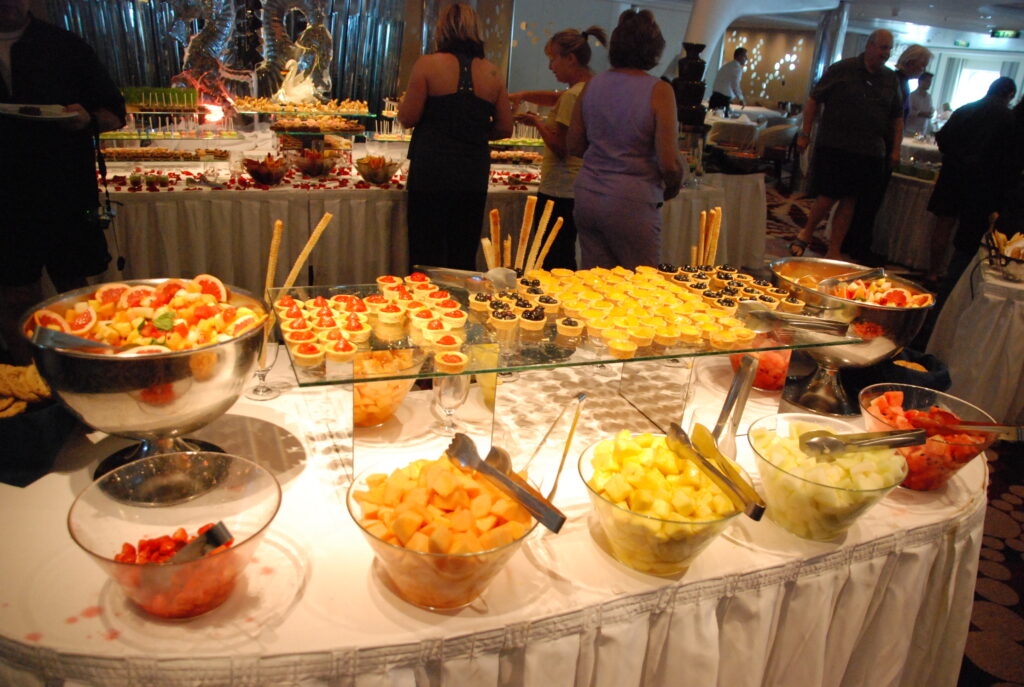
This is one of the most overlooked areas of self-care. Food and drinks are abundant, and social cues often push you to indulge. Remember: you can enjoy without overcommitting.
Food Boundaries
- Choose what feels comfortable for your body.
- Don’t feel pressured to eat everything offered.
- If you have dietary restrictions, take small portions strategically.
- Avoid arriving extremely hungry—it leads to overeating and discomfort.
Alcohol Boundaries
- Know your limit before the event starts.
- Alternate alcoholic drinks with water.
- Never let colleagues or seniors push you into drinking more.
- Stop the moment you feel slightly off-balance—physically or emotionally.
Your professionalism the next day matters more than fitting into a moment’s pressure.
6. Maintain Professional Boundaries Even in a Relaxed Setting
Office gatherings can blur lines. People are more relaxed, hierarchies feel softer, and emotions run differently. Yet your behaviour at these events carries weight in workplace memory.
Key Boundary Reminders
- Avoid overly personal conversations with senior staff.
- Keep physical boundaries clear—handshakes and respectful gestures work best.
- Be cautious about humour; sarcasm can backfire.
- Never engage in conflict or heated debates at events.
- Stay aware of cameras and social media posts—privacy matters.
Maintaining dignity and professionalism is the best long-term self-care.
7. Handle Office Dynamics Gently and Smartly

Some gatherings bring together people who do not always get along at work. Stress, misunderstandings, or past conflicts may linger. Self-care means navigating these dynamics with emotional intelligence.
Tips
- Greet everyone politely, even if you have disagreements.
- Do not revisit unresolved workplace issues.
- If someone tries to provoke you, disengage quickly and gracefully.
- Focus on colleagues who uplift you.
- Stay close to your “safe group” when needed.
Your peace matters more than performing friendliness.
8. Know When to Leave
One of the strongest forms of self-care is knowing when to exit. You are not obligated to stay until the end, match others’ energy, or please anyone.
Signs It’s Time to Leave
- Your energy feels depleted.
- Conversations no longer feel natural.
- The event becomes too loud or overwhelming.
- Alcohol consumption by others is making the environment uncomfortable.
Leave with warmth, gratitude, and subtlety—not explanation overload.
9. Post-Event Self-Care Matters Too
What you do after the gathering is as important as how you behave during it.
Aftercare Steps
- Drink water to rehydrate.
- Remove makeup and change into comfortable clothes.
- Reflect briefly: “What went well? What drained me?”
- Avoid replaying awkward moments—they are often insignificant.
- Sleep well to reset your nervous system.
Self-kindness is crucial after any socially intensive event.
10. Build a Personal Office-Event Strategy
Everyone’s personality, tolerance, and energy rhythm differ. Create your own “office gathering strategy” that suits your emotional, mental, and physical needs.
Craft Your Framework
- How long do you usually enjoy staying?
- What kind of conversations energise you?
- Which boundaries matter most?
- How can you support yourself during overstimulation?
- What’s your safe limit for food and alcohol?
A personalised approach means you never lose yourself for the sake of fitting in.
Conclusion
Office gatherings can be meaningful opportunities—new connections, shared celebrations, improved teamwork, and personal visibility. But they can also be draining if you don’t take care of your energy, boundaries, and emotional space.
Self-care at office gatherings is not selfish; it is strategic wellbeing. When you protect your peace, you show up with clarity, confidence, and authenticity.
By preparing thoughtfully, managing your social energy, protecting your boundaries, and practising gentle aftercare, you create a healthier relationship with workplace social events.
You deserve to feel safe, comfortable, and respected—not just in the office, but in every space your work takes you.


