Fashion has always reflected the values of its time. In the past decade, fast fashion dominated the industry with rapid production cycles, low prices, and endless trend turnover. But a noticeable shift is now taking place. Many Gen Z women are stepping away from the constant churn of disposable clothing and instead choosing wardrobes that are intentional, meaningful, and aligned with their values.
Rather than filling closets with dozens of impulse purchases, Gen Z women are building wardrobes that feel authentic, versatile, and reflective of who they are.
Understanding the Fast Fashion Fatigue
Fast fashion brands built their success on speed. New collections appear almost weekly, encouraging consumers to buy more and discard quickly. While this model made fashion more accessible, it also created a cycle of overconsumption.
Gen Z has grown up in a world where information about environmental damage, labour exploitation, and textile waste is widely available. Many young women are aware that the fashion industry is among the largest contributors to pollution and landfill waste.
As a result, what once seemed like harmless shopping has begun to feel ethically complicated. For Gen Z consumers, the question is no longer "Is this trendy?" but "Where did this come from, and what impact does it have?"
✦ A Deeper Shift
This awareness is driving a deeper reconsideration of how clothing is purchased, worn, and valued — moving fashion from impulse to intention.
From Quantity to Intentional Style
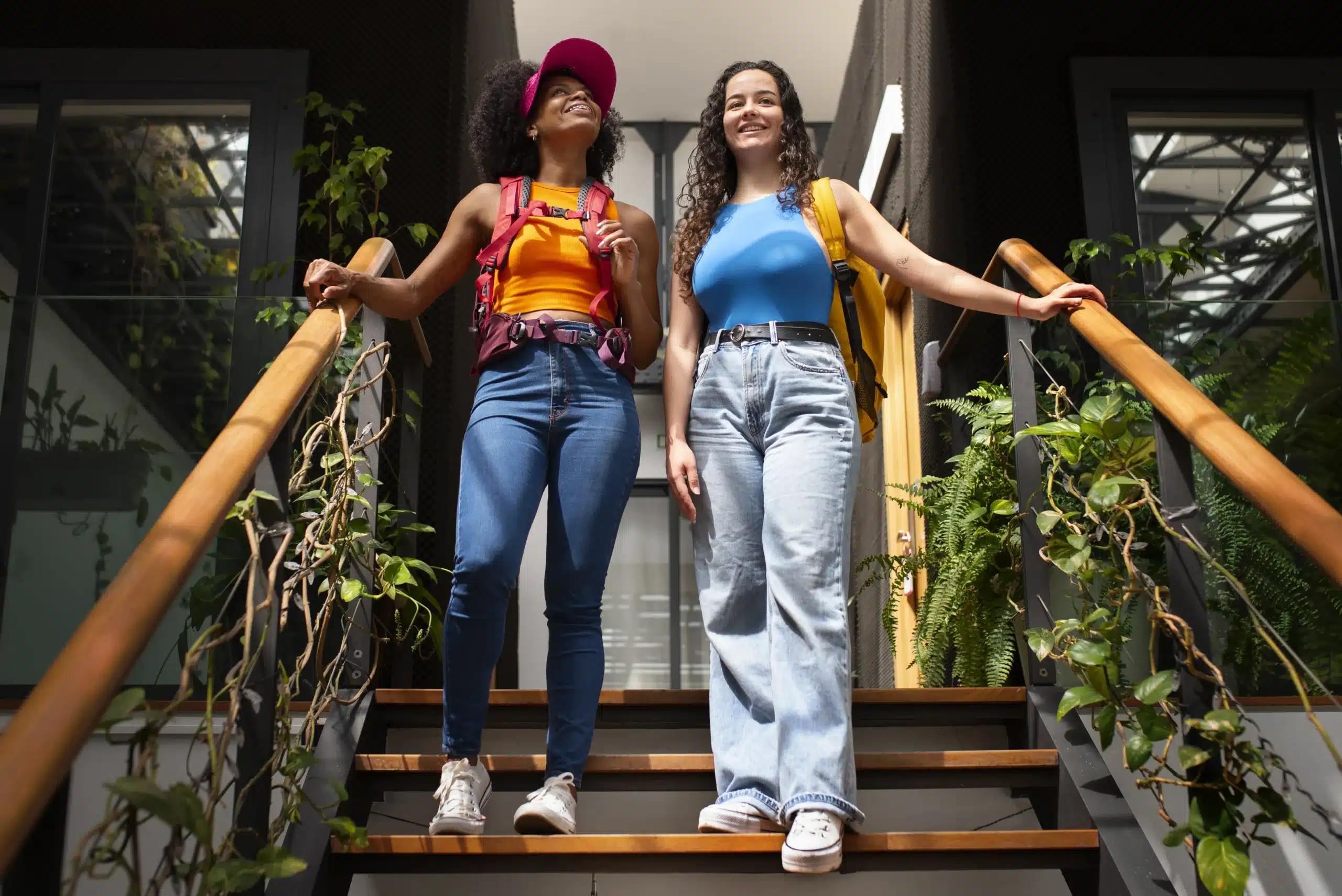
One of the most defining characteristics of Gen Z fashion is intentionality. Instead of chasing every trend, many women are curating wardrobes that are smaller but more versatile.
Pieces are selected not only for appearance but for longevity. A well-structured blazer, a classic pair of trousers, a neutral dress, or a quality handbag may be chosen because they can be styled repeatedly rather than worn once for a social media post.
This approach reflects a growing appreciation for quality over quantity. Clothing becomes less disposable and more personal. Items stay in wardrobes longer, and the idea of "outfit repeating" is no longer something to hide — it is something to celebrate.
The Rise of Sustainable Fashion Choices
Sustainability has become a central conversation in Gen Z fashion culture. Many young women actively look for brands that prioritise ethical sourcing, fair labour conditions, and environmentally responsible materials.
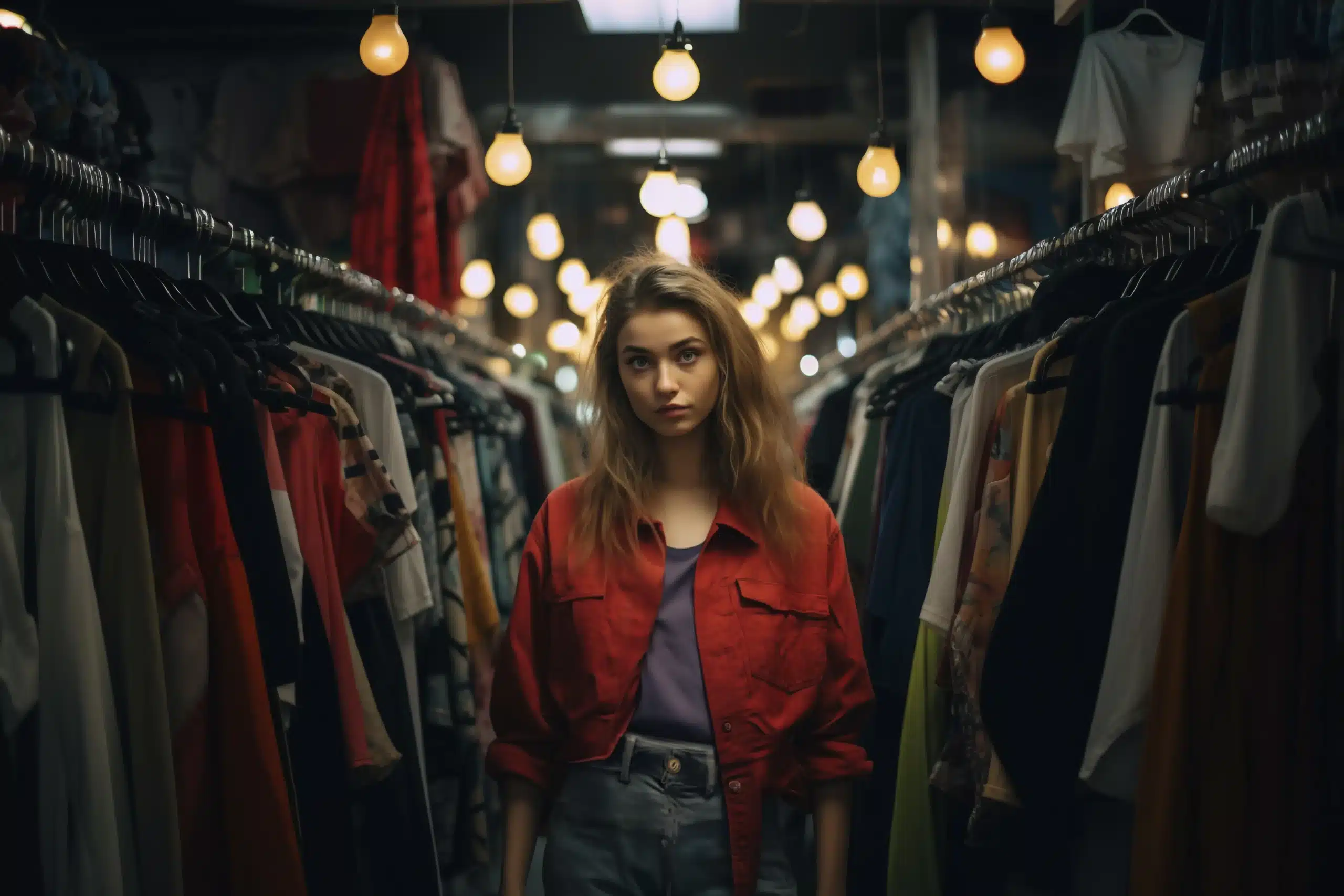
Slow fashion brands, vintage stores, thrift markets, and clothing swaps are becoming increasingly popular. Buying second-hand is no longer viewed as a compromise but as a smart, creative, and environmentally conscious choice.
Thrift culture also encourages individuality. Unlike mass-produced fast fashion items, vintage pieces often carry history, uniqueness, and character. For Gen Z, wearing something rare or reimagined feels more meaningful than owning something that thousands of others bought during a trend cycle.
Personal Identity Over Trend Pressure
Social media once accelerated fast fashion by pushing micro-trends that changed every few weeks. But Gen Z is also using these platforms differently.
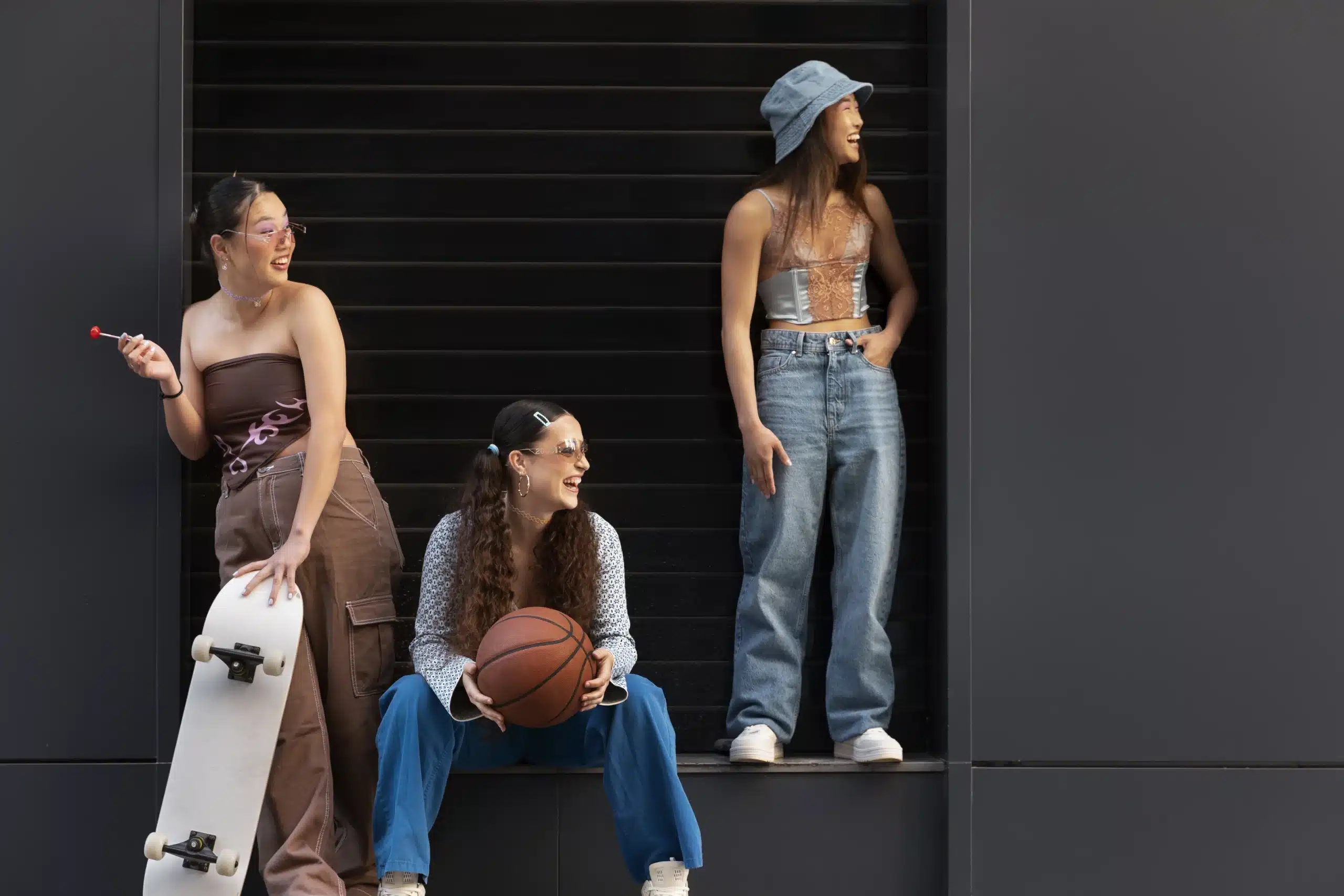
Instead of copying identical looks, many creators are encouraging authenticity, outfit repetition, capsule wardrobes, and personal styling. Fashion content now includes "wear what you already own" challenges, thrift transformations, and sustainable outfit guides.
A jacket inherited from a parent, a thrifted vintage dress, or a handmade accessory can carry emotional significance that fast fashion rarely provides.
The Emotional Connection to Clothing
A meaningful wardrobe is not just about sustainability — it is also about emotional connection.
Fast fashion often encourages a temporary relationship with clothing. Items are worn briefly and then forgotten. But when garments are chosen with intention, they tend to carry memories and personal value.
Gen Z women are increasingly building wardrobes that reflect milestones, experiences, and personal evolution. A dress worn to a graduation, a blazer purchased for a first job interview, or a carefully chosen travel piece becomes part of a personal narrative.
Clothing becomes less about consumption and more about memory.
Capsule Wardrobes and Smart Styling
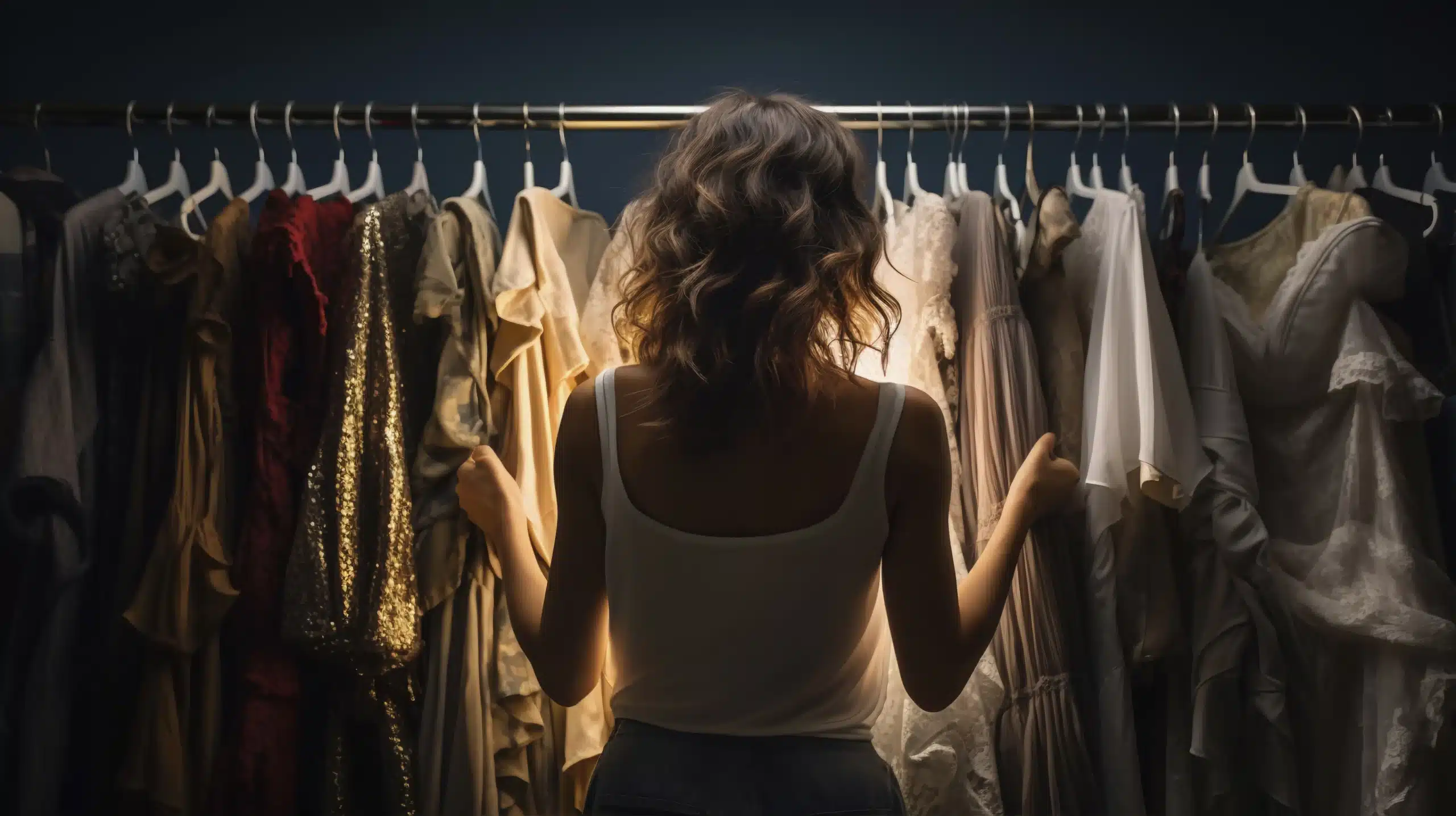
The concept of the capsule wardrobe has gained significant popularity among Gen Z women. Instead of owning dozens of rarely worn items, a capsule wardrobe focuses on a curated set of pieces that work together.
Neutral colours, timeless silhouettes, and versatile fabrics allow outfits to be mixed and matched easily. This approach reduces unnecessary purchases while still offering creativity and style flexibility.
✦
Fewer, Better Pieces
Capsule wardrobes challenge the assumption that more clothing leads to better style. In reality, fewer well-chosen pieces lead to more thoughtful combinations.
✦
Organised & Functional
The result is a wardrobe that feels clean, intentional, and aligned with personal taste — reducing decision fatigue while elevating everyday style.
✦
Ethical & Local Brands
Many Gen Z women are consciously choosing labels that emphasise craftsmanship, transparency, and responsible production — supporting small designers and artisan creators.
✦
Conscious Spending
Purchasing from ethical brands allows consumers to feel that their spending choices contribute to positive change — fashion as a form of conscious consumer behaviour.
Redefining What Fashion Success Looks Like
For many years, fashion success was associated with having more — more outfits, more trends, more shopping.
Gen Z is quietly redefining this idea. A stylish wardrobe is no longer measured by volume but by intention. A closet filled with carefully selected pieces that are worn often, styled creatively, and cherished over time reflects a new kind of fashion confidence.
It suggests self-awareness, responsibility, and a deeper understanding of personal style. Rather than following fashion blindly, Gen Z women are reshaping it.
A Generation That Is Changing Fashion Culture
The shift away from fast fashion does not mean that Gen Z has abandoned style. On the contrary, this generation is bringing new creativity and purpose into fashion.
They are asking difficult questions about sustainability, encouraging individuality over conformity, and redefining how clothing fits into everyday life.
Brands that prioritise transparency, sustainability, and authenticity are likely to thrive, while those built purely on rapid consumption may struggle to maintain relevance.
✦ The New Fashion Confidence
Fashion is no longer about having more. It is about choosing well, wearing intentionally, and building a wardrobe that reflects who you truly are.
Gen Z Fashion
Slow Fashion
Sustainable Style
Capsule Wardrobe
Thrift Culture
Ethical Brands
Personal Identity
Women's Day Feature