How Gauravi Kumari Revived Gayatri Devi's Timeless Elegance at the Met Gala 2026
It was not simply another beautiful red-carpet moment. It was a quiet act of fashion memory — carrying Jaipur royal heritage into a global conversation through restraint, inheritance and the soft power of chiffon.
 Vogue India
Gauravi Kumari's appearance at the Met Gala 2026 was not simply another beautiful red-carpet moment. It was a quiet act of fashion memory.
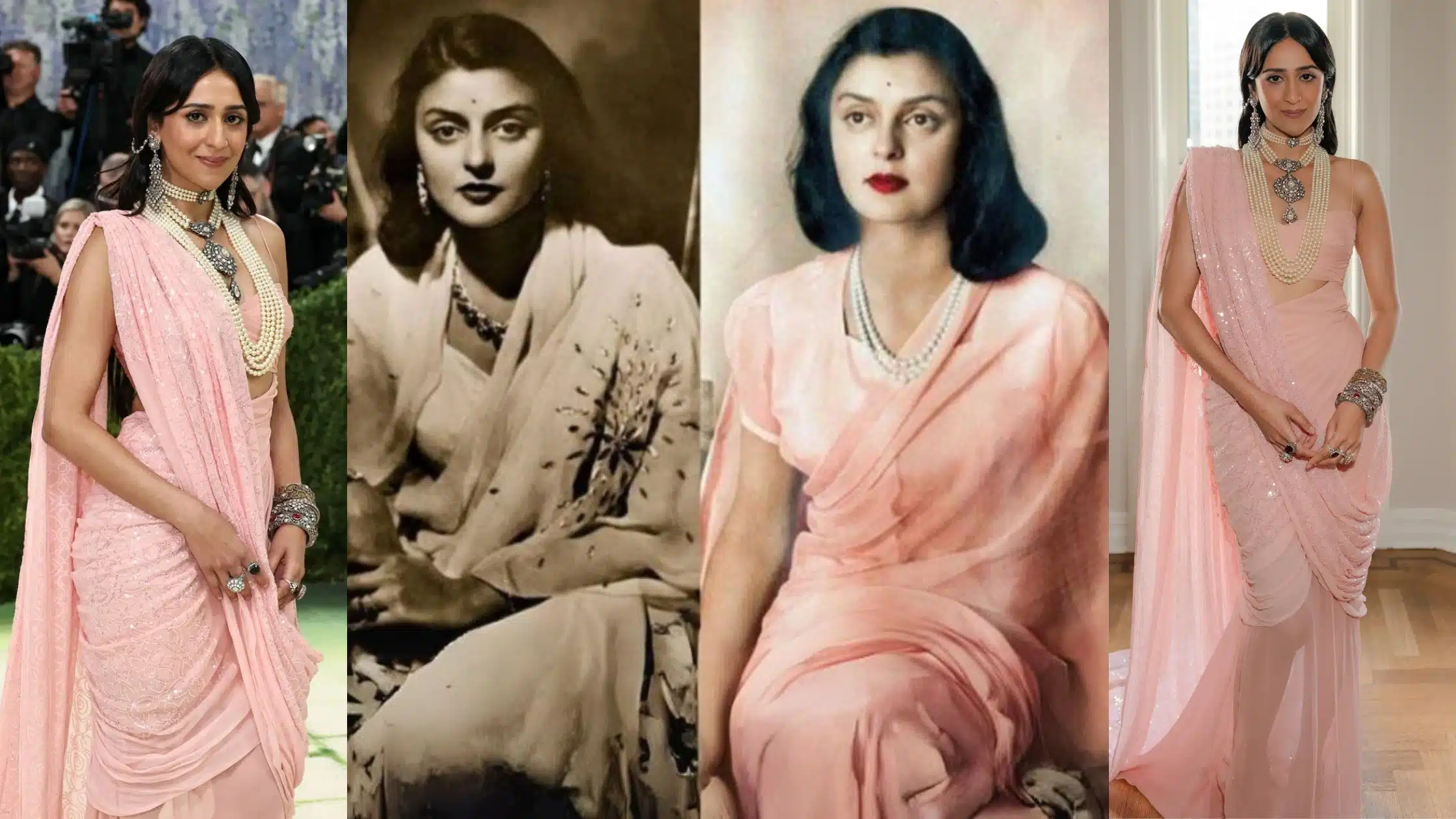
For her debut, Princess Gauravi Kumari of Jaipur wore a Prabal Gurung gown created from a vintage pink chiffon sari associated with Maharani Gayatri Devi. In one of fashion's most globally watched spaces, she brought Jaipur royal heritage into a modern conversation, not by making it loud, but by making it deeply personal.
That is why the look mattered. It was not only about couture. It was about inheritance, restraint, elegance and the way a garment can carry memory across generations.
Why This Met Gala Look Mattered
The Met Gala is often remembered for spectacle. Bigger silhouettes, sharper concepts, dramatic styling and instantly viral moments usually dominate the conversation. But Gauravi Kumari's look stood out for a different reason.
It did not try to overpower the room. It invited people to look closer.
The gown carried the softness of chiffon, the dignity of Jaipur's royal style and the emotional weight of a family archive. Instead of wearing something merely inspired by the past, Gauravi wore fabric connected to Gayatri Devi herself. That choice changed the meaning of the outfit. It was no longer a reference. It was continuity.
On a red carpet where fashion often becomes performance, this was fashion as remembrance. It showed how heritage can enter a global space without becoming costume-like or overly theatrical.
 Vogue India
Gayatri Devi's Fashion Legacy
Maharani Gayatri Devi remains one of the most enduring style figures in Indian fashion history because her elegance never depended on excess.
Her signature style was built around chiffon saris, pearls, graceful draping and a kind of royal restraint that still feels modern. She understood the power of simplicity. A soft sari, a strand of pearls, clean beauty and perfect posture became enough to create an unforgettable image.
That is what makes her fashion legacy so strong. It was not trend-based. It was identity-based.
This is also why her style still speaks to younger women today. In a world full of fast trends and over-styled moments, Gayatri Devi's fashion language feels refreshingly calm. It reminds us that elegance does not need to shout.
Satynmag has explored this return to refined dressing through pieces like Melania Trump and Queen Camilla: Elegant Fashion Style, where classic dressing becomes powerful because of restraint, not decoration.
A sari can become a gown. A grandmother's fashion language can speak through a granddaughter. A royal archive can enter the Met Gala without losing its soul.Gauravi Kumari — Met Gala 2026
A Sari Transformed, Not Copied
The most interesting part of Gauravi Kumari's Met Gala gown is that the sari was not simply copied into another shape. It was transformed with care.
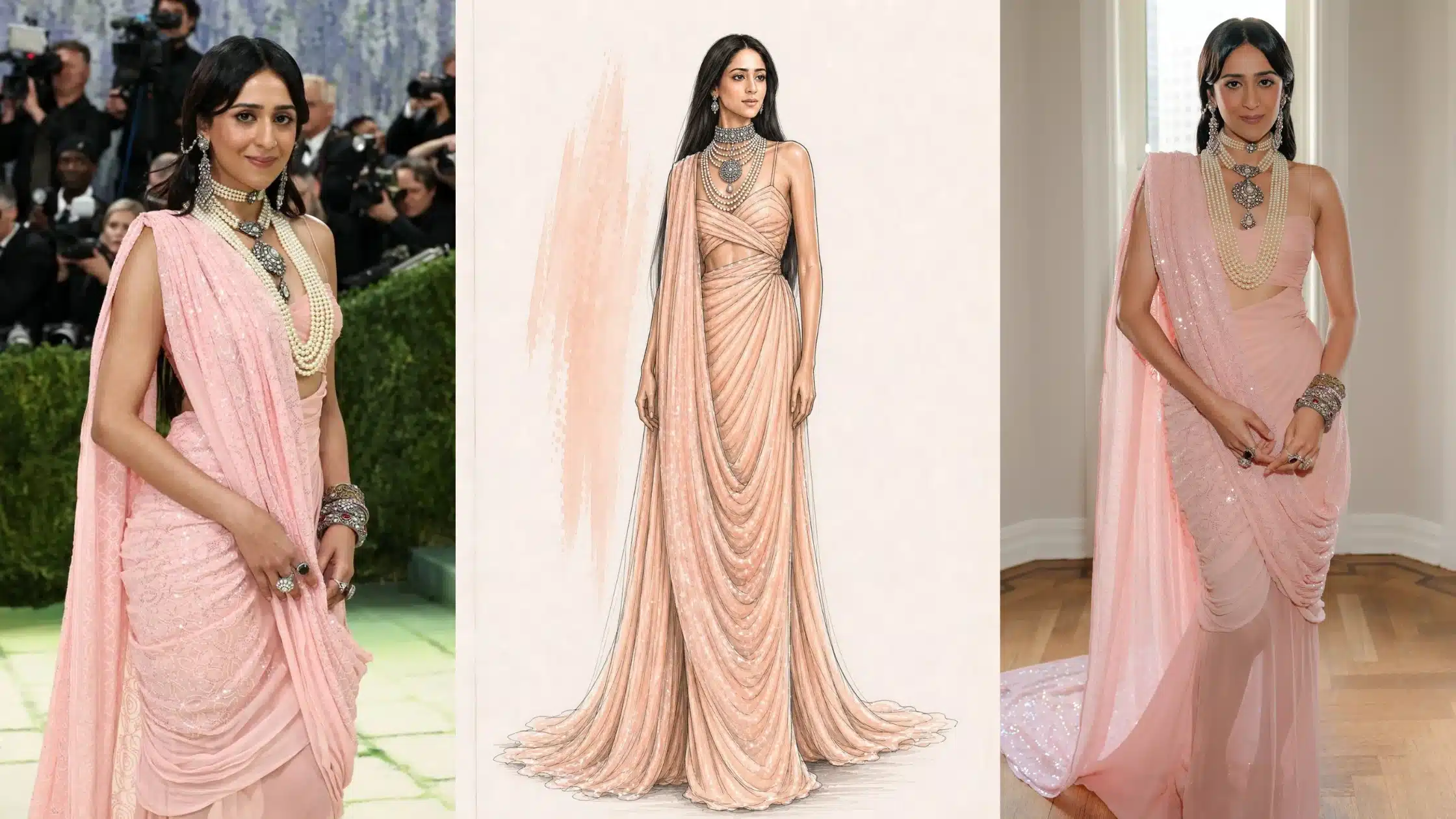
Prabal Gurung's design used the original chiffon sari as part of the gown itself. The challenge was not only to make it red-carpet appropriate, but to preserve the behaviour of chiffon. Chiffon is delicate. It is fluid. It moves with the body. If handled too heavily, it can lose the very quality that makes it beautiful.
-
The challenge of chiffonThe design needed structure, but not stiffness. It needed couture shape, but not at the cost of movement. Gurung's construction allowed the drape to hold its line while still keeping the softness associated with Gayatri Devi's saris.
-
What separates meaningful heritage fashionThis is what separates meaningful heritage fashion from ordinary archival dressing. The past was not frozen. It was allowed to move again.
Why Prabal Gurung Was the Right Designer
Prabal Gurung was a thoughtful choice for this moment because his work often understands the emotional space between identity and modern glamour.
For Gauravi Kumari, the challenge was not simply to make an Indian royal look beautiful at the Met Gala. The challenge was to translate memory into a global red-carpet language without stripping away its original sentiment.
That balance is difficult.
Heritage does not need to be trapped in traditional form to remain meaningful. Sometimes, the most respectful tribute is not imitation, but thoughtful evolution.
 Vogue India
Jaipur in the Jewellery and Styling
The gown was only one part of the story. The jewellery completed the language of Jaipur.
Pearls were central to the look, which directly echoed Gayatri Devi's own style identity. They were paired with uncut diamonds and rubies from Jaipur, making the styling feel rooted rather than decorative.
This mattered because royal fashion can easily become costume-like when heritage elements are used only for visual drama. Here, the jewellery worked differently. It did not feel like an accessory added at the end. It felt like part of the story.
The pearls connected to Gayatri Devi. The uncut diamonds and rubies connected to Jaipur's jewellery tradition. Together, they created a broader aesthetic statement: refined, regional and deeply personal.
It was not only a gown made from an archive sari. It was Jaipur elegance presented as a complete visual language.
Gauravi Kumari as a New-Generation Royal Fashion Figure
Gauravi Kumari's Met Gala debut also matters because it places her within a new generation of royal fashion figures who are not simply preserving heritage, but reinterpreting it.
Today's younger royals and cultural figures often move across many worlds. They are connected to family history, but also to global fashion, philanthropy, culture, social media and modern identity. Their challenge is not only to honour where they come from, but to make that heritage speak in a present-day voice.
Gauravi's look did that with unusual clarity.
She did not appear as someone borrowing from the past for aesthetic value. She appeared as someone carrying a personal history into a contemporary space. That is an important difference.
Modern royal fashion is no longer only about tiaras, gowns and formal protocol. It is about storytelling. It is about cultural memory. It is about showing how heritage can remain alive without becoming rigid.
This also connects with the broader shift in women's fashion towards clothes that feel meaningful, comfortable and personally grounded. Satynmag has discussed this in Comfort Is the New Confidence: Why Women Are Dressing.
Why This Look Resonated Beyond the Red Carpet
Gauravi Kumari's Met Gala look resonated because it carried something many fashion moments lack: emotional depth.
It had beauty, of course. It had craftsmanship, celebrity attention and red-carpet glamour. But beneath all that, it had inheritance. It had a sari that once belonged to another woman. It had chiffon associated with one of India's most elegant royal figures. It had pearls that spoke softly rather than loudly. It had Jaipur craft woven through the styling.
In an era where fashion often chases the next viral image, this look felt different because it asked for memory.
It reminded people that style can travel through generations. A sari can become a gown. A grandmother's fashion language can speak through a granddaughter. A royal archive can enter the Met Gala without losing its soul.
That is why the look was not only noticed. It was remembered.
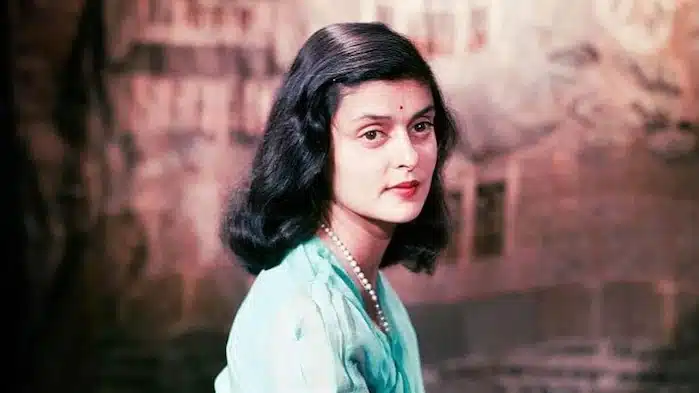 Maharani Gayatri Devi
Gauravi Kumari's Met Gala 2026 debut was powerful because it did not treat heritage as decoration. By wearing a gown created from Maharani Gayatri Devi's chiffon sari, she revived a style language built on restraint, pearls, movement and Jaipur elegance. Prabal Gurung's design gave that legacy couture structure, but allowed its softness to remain. The result was not a copy of Gayatri Devi's style. It was a continuation.
And perhaps that is what made it so beautiful. In a fashion world often obsessed with what is new, Gauravi Kumari showed that the past can still feel modern when it is carried with care.
In a fashion world obsessed with what is new, she showed that the past can still feel modern when it is carried with care.
For more fashion stories, timeless style notes and women-focused lifestyle articles, explore Satynmag.com
Written by
Satyn Editorial