
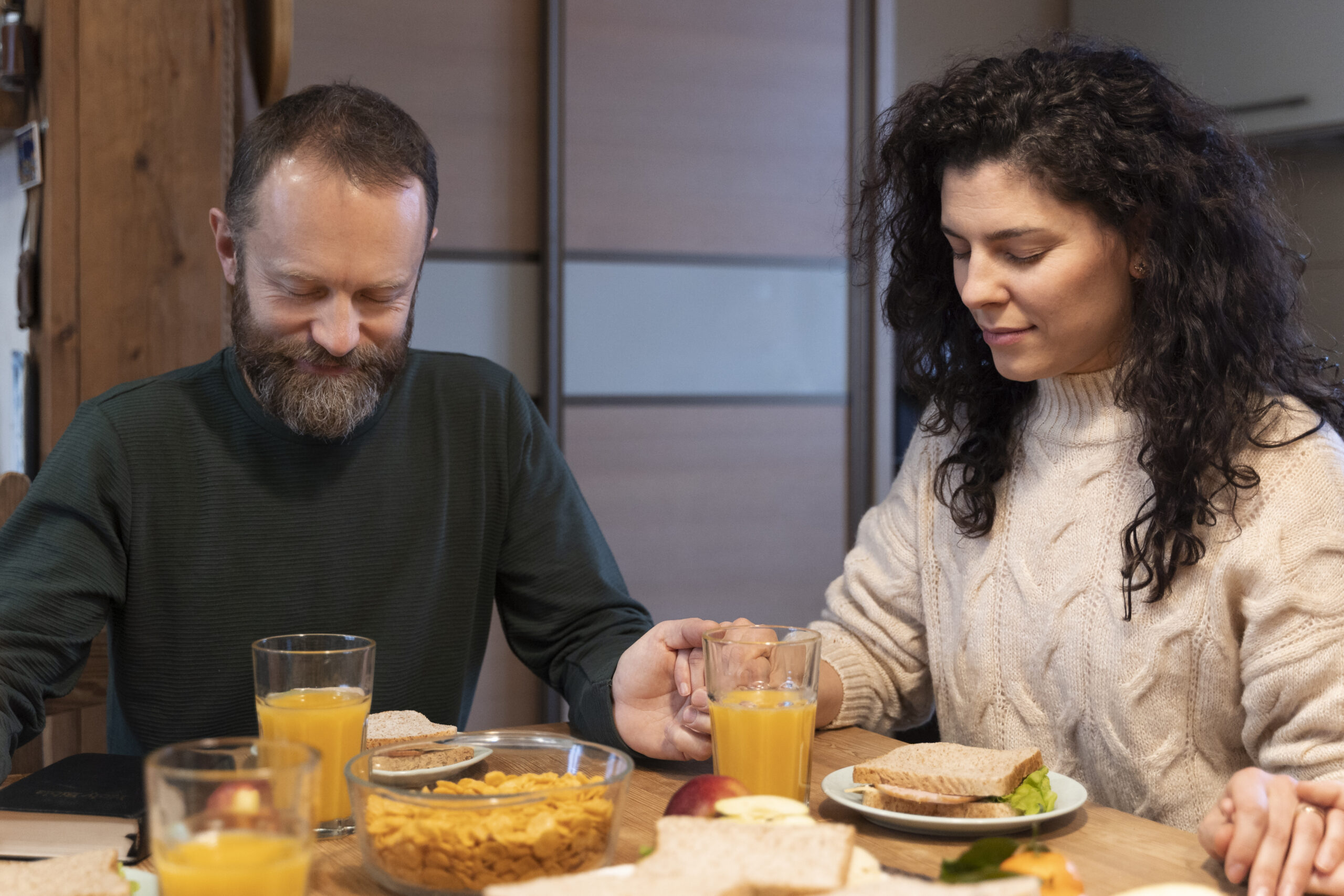
Food is often spoken about in numbers — calories, macros, nutrients, portions. In modern life, meals are reduced to fuel, something consumed quickly between meetings or workouts. But food has never been just fuel. Long before nutrition labels and diet trends, food was connection. It was comfort, memory, love, culture, and care — served quietly on plates and shared around tables.
Across cultures and generations, food has always carried emotion. It marks celebrations and mournings. It shows affection when words fall short. It reminds us of home, even when we are far away. To understand food only as fuel is to miss its deepest purpose.
This is a reminder of why food matters — beyond diets, beyond rules, beyond guilt.
Food as Comfort in Times We Can’t Explain
There is a reason we crave certain foods when we are tired, stressed, or grieving. Comfort food is not a weakness — it is instinct. Warm meals, familiar flavours, and slow cooking create a sense of safety that the body recognises.
A bowl of soup when you are sick. Rice and curry after a long day. Bread straight from the oven. These foods ground us. They signal rest. They tell the nervous system that it is allowed to soften.
Comfort food is often criticised in modern wellness culture, labelled as indulgent or emotional eating. But emotional eating, when understood gently, is simply the body seeking reassurance. Food becomes a soft place to land when life feels overwhelming.
True comfort does not come from restriction. It comes from nourishment that feels familiar, warm, and human.
Food as Memory Passed Through Generations
Some memories are not stored in photographs. They live in taste.
The way your grandmother seasoned her curries. The exact sweetness of a childhood dessert. The smell of spices hitting hot oil in the kitchen. These are memories that cannot be fully explained — only felt.
Food carries history. Recipes are rarely written exactly as they are cooked. They are learned by watching, tasting, adjusting, and remembering. Each generation adds something new while keeping the essence alive.
When we cook dishes we grew up with, we are not just feeding ourselves. We are reconnecting with moments, people, and places that shaped us. Even years later, one bite can bring back a childhood kitchen, a family gathering, or a voice that is no longer present.
Food becomes a bridge between past and present.
Food as Love Without Words
Some people say “I love you” through food.
They cook when you are tired. They pack extra portions. They ask if you’ve eaten. They remember your favourite dish and make it when you visit. In many cultures, feeding someone is the purest form of care.
Love through food is quiet and consistent. It shows up daily, not dramatically. It is found in lunches prepared early in the morning, in meals saved for later, in the insistence that you eat a little more.
This kind of love does not seek praise. It exists simply to nourish another person. In families, relationships, and friendships, food often becomes the language of care when emotions are hard to express aloud.
Why Modern Culture Reduced Food to Fuel
As life became faster, food became functional. Convenience replaced connection. Meals were rushed, eaten alone, or consumed while multitasking. Diet culture further narrowed food’s role, turning it into something to control rather than enjoy.
Food began to be judged. “Good” and “bad” labels replaced pleasure and balance. Guilt entered the conversation. Eating became something to earn rather than experience.
In trying to optimise health, many people lost their relationship with food altogether. The emotional, cultural, and social aspects were dismissed as irrelevant — yet those are the very aspects that sustain long-term wellbeing.
Health is not only about what you eat. It is about how you eat, why you eat, and how food fits into your life.
Food and Cultural Identity
Food is identity. It tells stories of geography, climate, migration, and resilience. Every cuisine carries evidence of history — trade routes, colonisation, survival, and celebration.
Traditional food connects people to their roots. For those living far from home, cooking familiar dishes becomes a way to stay connected. It offers belonging in unfamiliar places.
When food traditions disappear, something deeper is lost. Preserving recipes, techniques, and food rituals is a way of preserving culture itself. Food keeps stories alive long after words fade.
Eating Together as a Forgotten Ritual
Sharing a meal used to be a daily ritual. It was where families talked, laughed, argued, and bonded. Today, shared meals are often replaced by screens and schedules.
Yet eating together still holds power. It slows time. It encourages presence. It builds connection without effort.
Studies consistently show that people who eat together experience stronger relationships and better emotional wellbeing. But beyond research, the truth is simple — food tastes better when shared.
Reclaiming shared meals does not require perfection. It only requires intention.
Healing the Relationship With Food
Healing your relationship with food does not mean abandoning health. It means expanding the definition of health to include joy, satisfaction, and emotional safety.
It means allowing food to be pleasurable without guilt. Honouring hunger without fear. Eating mindfully, not obsessively.
Food can support physical health while still holding emotional meaning. These things are not opposites. They coexist.
When food becomes neutral again — not reward, not punishment — it returns to its rightful place as nourishment in every sense of the word.
Food as a Daily Act of Self-Care
Cooking for yourself can be an act of love. Not every meal needs to be elaborate. Even simple food prepared with care reminds you that you are worth feeding properly.
Eating slowly. Choosing foods that satisfy. Allowing enjoyment. These are small but powerful forms of self-respect.
Food is one of the few things we engage with every single day. When treated kindly, it becomes a steady source of comfort rather than conflict.
More Than Fuel, Always Has Been
Food feeds the body, yes. But it also feeds memory, culture, relationships, and the heart. It holds stories we carry for life. It shows love when words are insufficient. It comforts us when nothing else can.
Reducing food to fuel strips it of its humanity. Remembering food as comfort, memory, and love restores balance — not just to eating, but to living.
Click on here “Women Building Businesses While Holding Everything Together”


