
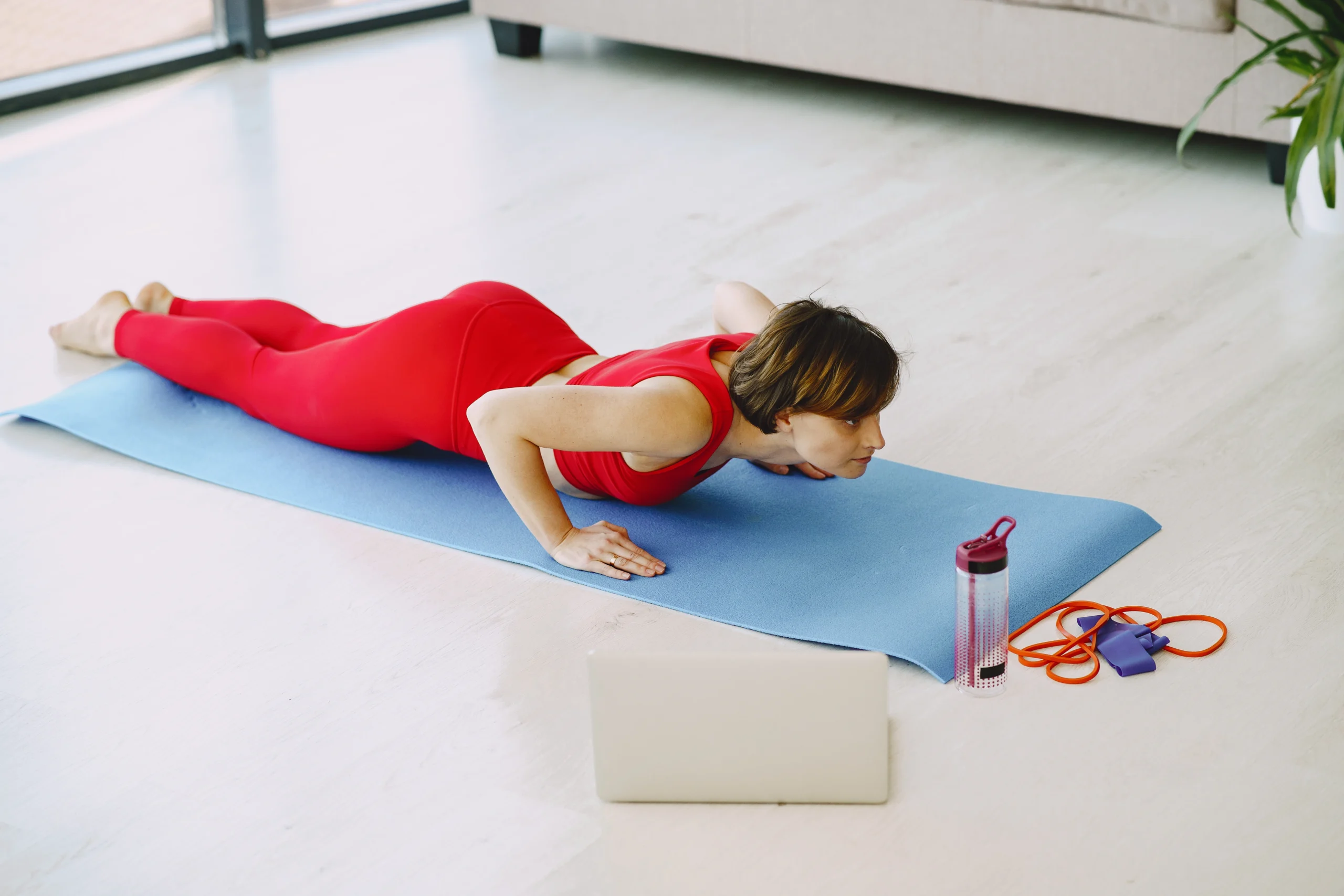
Fitting Exercise into Your Holiday Schedule | The holiday season is a strange paradox. It brings joy, travel, family gatherings, office parties, food, late nights, unpredictable schedules — and almost always, a sudden collapse in our usual fitness routine. Even those who train consistently throughout the year often find December the hardest month to stay active. The disruption is not because people lose motivation; it’s because their routine gets swallowed by social commitments, fatigue, and limited time.
Yet staying physically active during the holidays is not only possible — it can be one of the most effective ways to boost energy, manage stress, and maintain balance during a hectic season. With the right mindset and strategies, exercise can fit into even the busiest holiday schedule.
This article explores how to adapt your workouts, rethink your expectations, and integrate movement seamlessly into your festive routine.
Why Exercise Matters More During the Holidays
Most people associate the holidays with indulgence: rich meals, long dinners, alcohol, and late nights. But beyond physical impact, this period is also mentally taxing. Stress hormones rise due to family dynamics, travel, financial pressure, and social obligations.
Exercise becomes one of the few consistent tools that supports both physical and emotional wellbeing.
Boosts Energy and Mood
Short bouts of movement trigger endorphins, stabilise stress, and improve sleep. Even 10–15 minutes of activity can reset your state of mind during a chaotic day.
Prevents the “All-or-Nothing” Slump
Many people abandon workouts completely in December and try to compensate in January. Maintaining even a reduced routine keeps momentum alive and prevents the psychological reset that makes restarting harder.
Supports Your Body Through Heavy Meals
Movement improves digestion, stabilises blood sugar, and reduces bloating — all useful during a season of large meals and sugary drinks.
Shift the Mindset: Consistency Over Perfection
One of the biggest mistakes is assuming that every workout must be a full 60–90 minute session. Holidays demand flexibility, not rigidity.
Adopt the “Minimum Effective Dose”
Instead of aiming for perfect workouts, commit to the smallest version that still delivers benefit:
- 10–20 minute HIIT
- A brisk walk after meals
- A short bodyweight routine
- Stretching before bed
These micro-sessions add up and prevent loss of fitness.
Redefine Success
Success during the holidays isn’t about hitting PBs or sticking to your usual program 100%. It’s about showing up — even if that means modifying, shortening, or shifting your sessions.
Plan Workouts Around Your Real Holiday Schedule
Rather than forcing your normal timetable, build a realistic activity plan around the rhythm of December.
Morning Movement Wins
Mornings are usually the least interrupted part of the day. Even a 15-minute early workout ensures movement is done before events, meals, or unexpected plans crowd you out.
Examples:
- Quick resistance-band circuit
- Sun salutations or mobility flow
- Short jog or cycle
- Dumbbell routine at home
Use Windows of Opportunity
During the holidays, your schedule often has pockets of free time:
- Waiting for food to cook
- Before heading out for an event
- When relatives nap
- Between travel connections
These small pockets are ideal for short, high-impact sessions.
Pack for Convenience
If travelling, include:
- Resistance bands
- A skipping rope
- Lightweight training shoes
- A mobility/stretch routine saved on your phone
These simple tools allow workouts anywhere — hotel room, balcony, garden.
Click on here “Navigating Family Dynamics During the Holidays”
Incorporate Movement into Festive Activities
Exercise does not have to feel separate from your holiday life.
Choose Active Outings
Swap seated activities for movement-based ones:
- Walking around the neighbourhood to see lights
- A beach walk with family
- Hiking with friends
- Playing sports with cousins
- Dancing at parties
These activities burn calories, improve mood, and feel natural in holiday settings.
The Power of the Post-Meal Walk
A 15–20 minute walk after heavy meals significantly:
- Reduces blood sugar spikes
- Improves digestion
- Reduces bloating and sluggishness
This is one of the simplest, most effective holiday habits.
Short, Effective Workouts You Can Do Anywhere
Below are sample routines that require little time or equipment but deliver strong results.
1. The 10-Minute Full-Body Blast
- 40 seconds bodyweight squats
- 20 seconds rest
- 40 seconds push-ups
- 20 seconds rest
- 40 seconds lunges
- 20 seconds rest
- 40 seconds plank
- 20 seconds rest
- Repeat once
2. The 12-Minute HIIT
- 30 seconds high knees
- 30 seconds squats
- 30 seconds mountain climbers
- 30 seconds rest
Repeat 3 rounds
3. Holiday Mobility Flow (8–12 minutes)
- Hip flexor stretch
- Cat-cow
- Thoracic rotations
- Hamstring stretch
- Ankle mobility
- Neck release
This routine is essential if you spend long hours sitting, travelling, or socialising.
4. Strength Mini-Session
If you have dumbbells:
- 10 goblet squats
- 10 overhead presses
- 10 bent-over rows
- 10 RDLs
Repeat 2–3 rounds
This maintains muscle tone and prevents strength loss.
Work With Your Body, Not Against It
The holidays alter sleep, food intake, alcohol consumption, and stress levels. Your workouts should reflect this reality.
Listen to Your Body
If you are:
- Overly tired
- Slightly hungover
- Emotionally drained
- On your feet all day
Opt for lighter sessions: stretching, walking, mobility, yoga. Not every day needs intensity.
Hydrate More Than Usual
Alcohol, late nights, and salty foods increase dehydration. Staying hydrated improves recovery and exercise tolerance.
Eat to Fuel, Not to Restrict
Trying to diet aggressively during December often backfires. Instead:
- Aim for balanced meals
- Add protein at each sitting
- Eat mindfully, not restrictively
- Use movement to support metabolism
Strategies to Maintain Motivation
Holidays disrupt not only time but also routine and psychological rhythm. These methods help maintain focus.
Make It Social
Invite family or friends for:
- Morning walks
- A short workout challenge
- A group stretch session
Collective movement feels fun, not burdensome.
Gamify the Process
Set mini-goals:
- 5,000–10,000 steps a day
- 12 workouts in December
- 10 minutes of movement daily
Tracking progress keeps you engaged.
Prepare for Setbacks
Missed a workout? Too tired? Overate?
Simply continue the next day. Zero guilt. Zero compensation. The goal is consistency, not punishment.
Returning to Normal Routine After the Holidays
Your January bounce-back is easier if you maintain some level of activity in December.
Ease Back Gradually
Start with:
- Moderate weights
- Regular warm-ups
- Controlled intensity
Your body will adjust within one to two weeks.
Reset Your Program
Use January to rebuild structure:
- Clear workout plan
- Balanced nutrition
- Improved sleep schedule
- Renewed training goals
Even a disrupted December won’t matter if your foundation remains intact.
Final Thought
Staying active during the holidays is not about discipline or sacrifice. It is about protecting your wellbeing during a demanding season. Exercise gives you energy, mental clarity, better digestion, improved mood, and a sense of control when everything else feels chaotic.
The key is simple: do something, not everything. A short walk, a 10-minute routine, a stretch session, or an active outing can transform how you feel throughout the holidays. Movement doesn’t take time away from the season — it enhances your ability to enjoy it.


