
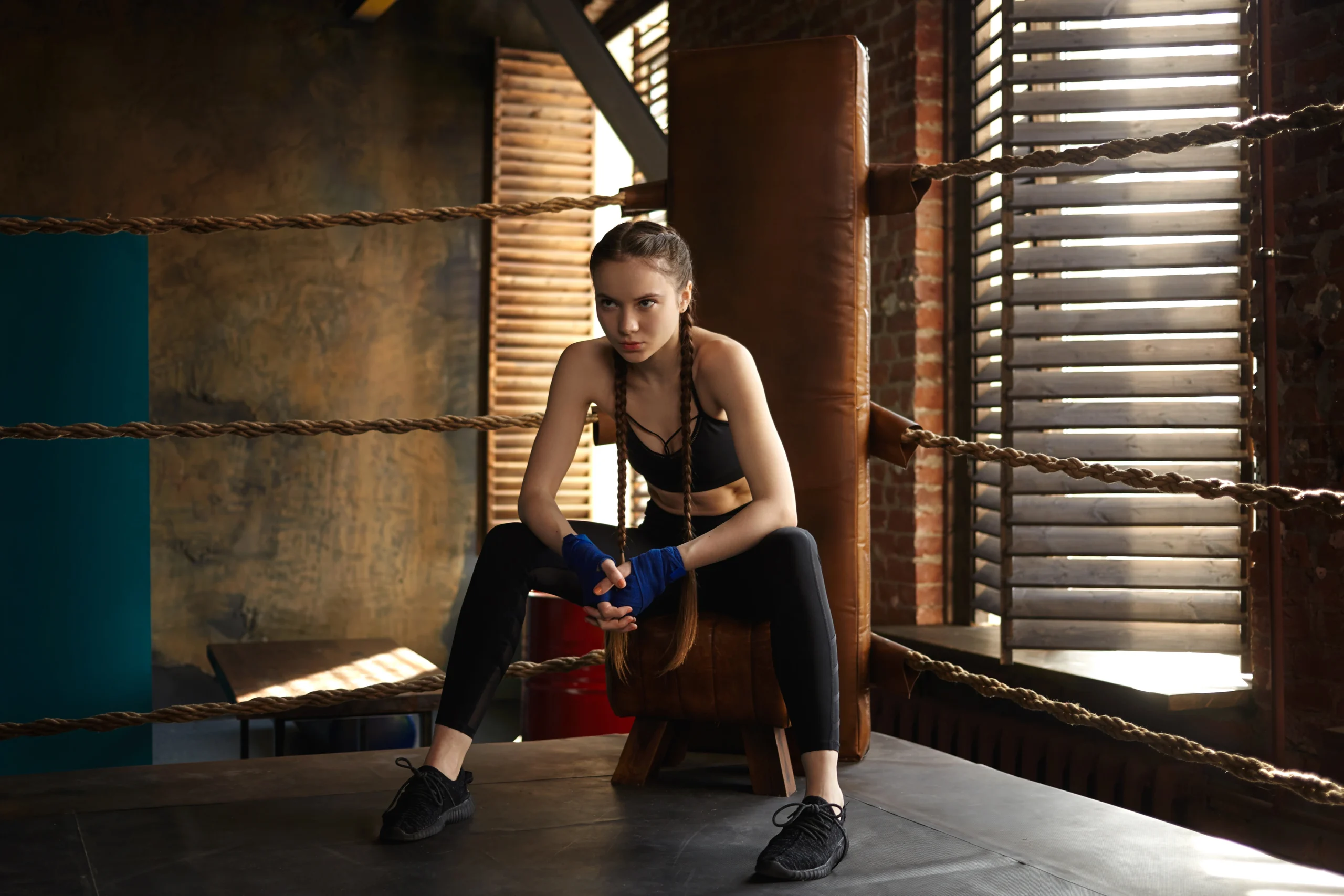
For years, fitness has been framed as a relentless pursuit of “more.” More weight lifted. More kilometres run. More calories burned. More visible results in less time. Scroll through social media or glance at mainstream fitness culture, and the message is clear: if you are not constantly pushing limits, you are not doing enough.
Yet quietly, a shift is taking place. More people are questioning whether extreme goals actually lead to healthier, happier lives. Increasingly, fitness is being reframed not as a test of discipline or self-worth, but as a supportive, sustainable part of everyday living.
Fitness without pressure is not about doing less out of laziness. It is about doing what is appropriate, realistic, and nourishing for the body you have and the life you live.
How Extreme Fitness Culture Took Hold
The rise of extreme fitness goals did not happen by accident. Gym culture, transformation challenges, and online fitness content have often relied on dramatic before-and-after narratives. These stories are compelling because they promise control: follow the plan, suffer through the process, and you will earn a better body.
This approach thrives on urgency. Deadlines like “12-week shred,” “summer body,” or “30-day challenge” create artificial pressure that pushes people to ignore physical and emotional warning signs. Rest becomes framed as weakness. Moderation is mistaken for lack of ambition.
For some, these systems deliver short-term results. But for many, they create cycles of overtraining, injury, burnout, and eventual disengagement from fitness altogether.
The Hidden Cost of Constantly Pushing Harder
Extreme goals often come with invisible consequences. Chronic fatigue, joint pain, hormonal disruption, and mental exhaustion are common outcomes of prolonged overexertion. Even when the body adapts physically, the nervous system may remain under constant stress.
Psychologically, the pressure can be just as damaging. When fitness becomes tied to self-worth, missing a workout or gaining a small amount of weight feels like personal failure. Exercise stops being a form of care and starts to feel like punishment.
Over time, this mindset erodes consistency. What was meant to be empowering becomes another source of guilt, comparison, and self-criticism.
Why Sustainability Matters More Than Intensity
Sustainable fitness prioritises what can be maintained over months and years, not what can be endured for a few intense weeks. This approach recognises that bodies change with age, stress levels, work demands, and life circumstances.
A sustainable routine adapts rather than collapses when life becomes busy or unpredictable. It leaves room for illness, rest, social commitments, and emotional fluctuations. Instead of asking, “How far can I push?” it asks, “What supports me right now?”
This shift does not eliminate progress. It simply reframes progress as cumulative rather than extreme.
Redefining What ‘Progress’ Actually Means
In pressure-driven fitness culture, progress is often measured by visible markers: muscle definition, weight loss, personal bests. While these metrics are not inherently harmful, they are incomplete.
Progress can also mean:
- Feeling more energetic throughout the day
- Sleeping better
- Experiencing fewer aches and pains
- Improving mobility or posture
- Managing stress more effectively
- Enjoying movement rather than dreading it
These outcomes may not photograph well, but they profoundly affect quality of life. When progress is defined more broadly, fitness becomes accessible rather than intimidating.
Listening to the Body Instead of Overriding It
One of the most radical acts in modern fitness is learning to listen to your body. This does not mean avoiding effort altogether. It means recognising the difference between productive discomfort and harmful strain.
A body-centred approach pays attention to signals such as persistent soreness, declining motivation, disrupted sleep, or emotional irritability. These are not signs of weakness; they are information.
Honouring these signals may mean adjusting intensity, choosing different forms of movement, or prioritising rest without guilt. Over time, this builds trust between the individual and their body, rather than an adversarial relationship.
Movement as Support, Not Punishment
When fitness is driven by pressure, exercise often becomes transactional: work out to “earn” food, to compensate for rest, or to correct perceived flaws. This mindset strips movement of joy and turns it into obligation.
Fitness without pressure reframes movement as support. Walking becomes a way to clear the mind. Strength training becomes a tool for maintaining independence and resilience. Stretching becomes an act of care rather than an afterthought.
When movement is supportive, consistency follows naturally. People return to activities they enjoy, rather than forcing themselves through routines they resent.
The Role of Rest in Long-Term Health
Rest is frequently misunderstood as inactivity. In reality, rest is an active component of physical adaptation. Muscles repair, hormones rebalance, and the nervous system recovers during periods of rest.
Extreme fitness culture often glorifies exhaustion, praising those who “never skip a day.” Yet without adequate recovery, performance declines and injury risk increases. More importantly, the joy of movement fades.
Normalising rest as part of fitness—not a failure of it—allows the body to remain responsive and resilient over time.
Letting Go of Comparison
Comparison is one of the strongest drivers of pressure. Social media feeds filled with curated routines, sculpted bodies, and extreme discipline create unrealistic benchmarks. What is rarely visible are genetics, time availability, professional support, or personal trade-offs behind those images.
Fitness without pressure acknowledges that no two bodies, lives, or capacities are identical. Progress is personal, contextual, and non-linear. Releasing comparison frees individuals to choose goals that align with their own values rather than external expectations.
This does not reduce ambition; it refines it.
Fitness Across Different Life Stages
Extreme goals often ignore the realities of ageing, parenthood, injury, or chronic stress. A routine that worked at one stage of life may become inappropriate or unsustainable at another.
A pressure-free approach respects these transitions. It allows fitness to evolve alongside changing responsibilities and physical capacities. Strength may shift from lifting heavier weights to preserving joint health. Endurance may look like consistent movement rather than competitive performance.
This flexibility ensures that fitness remains relevant, not restrictive.
Mental Health and Gentle Consistency
There is growing recognition of the link between fitness and mental health. While movement can support mood and resilience, pressure-driven routines can exacerbate anxiety, perfectionism, and burnout.
Gentle consistency—showing up regularly without extremes—creates psychological safety. It reduces all-or-nothing thinking and allows fitness to coexist with emotional ups and downs.
On difficult days, movement can be lighter. On better days, it can be more challenging. This adaptability fosters a healthier relationship with both body and mind.
What Fitness Without Pressure Looks Like in Practice
In practical terms, fitness without pressure might involve:
- Choosing workouts based on energy levels rather than rigid schedules
- Setting flexible goals focused on habits instead of outcomes
- Mixing different forms of movement instead of specialising obsessively
- Allowing rest days without compensation or guilt
- Viewing setbacks as part of the process, not reasons to quit
This approach values continuity over intensity and wellbeing over optics.
Choosing Long-Term Health Over Short-Term Extremes
Extreme goals promise rapid change, but often at the expense of sustainability. Fitness without pressure offers something quieter but more enduring: a body that functions well, a mind that feels supported, and a routine that fits into real life.
Letting go of extreme goals is not about lowering standards. It is about redefining success in ways that honour health, longevity, and personal balance.
In a world that constantly demands more, choosing fitness without pressure is an act of discernment. It allows movement to become a companion, not a constant test—and that may be the most powerful form of fitness there is.
Click on here “Why Young Female Professionals Feel Lost Even After Getting a Job”


