
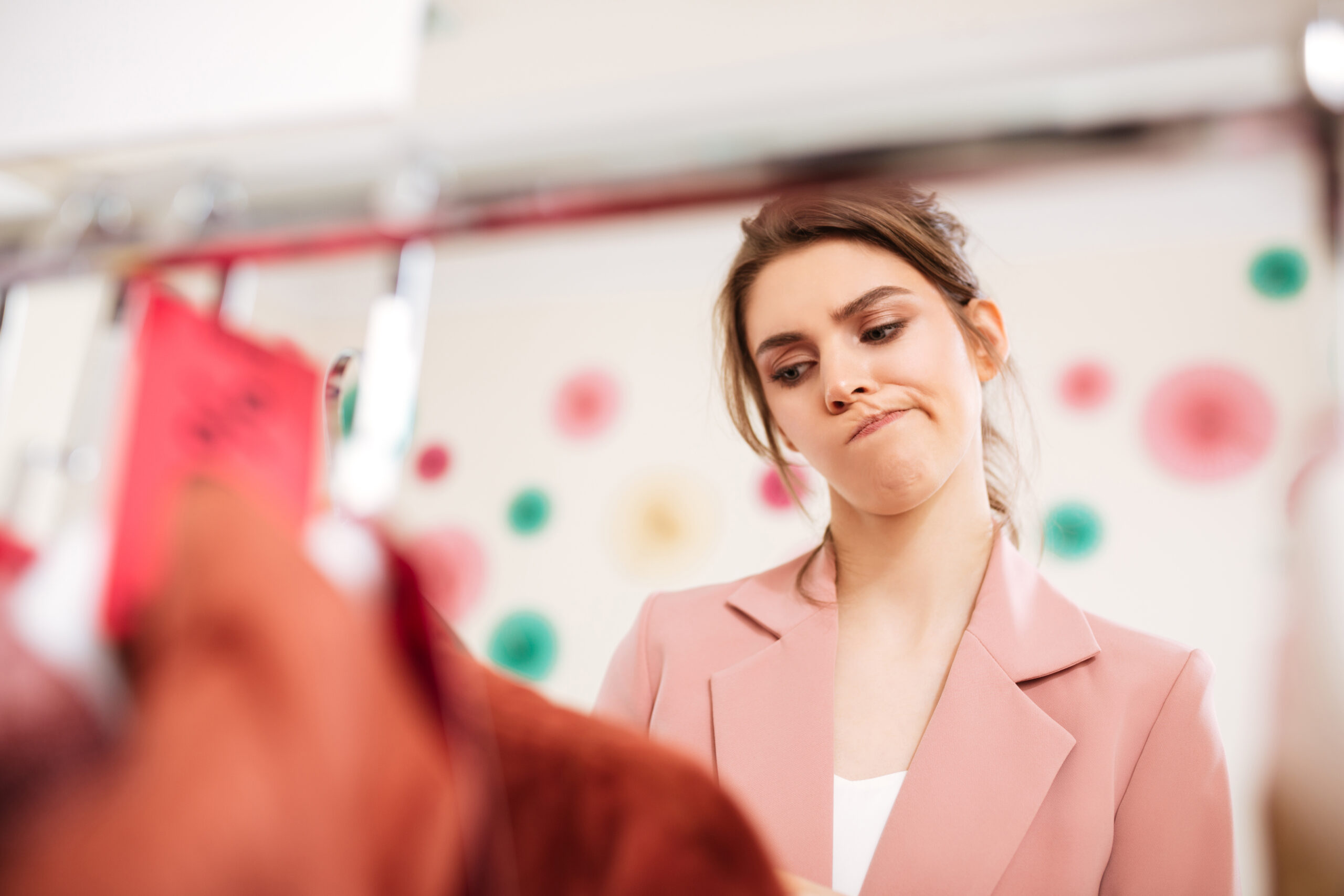
Fashion has always been more than fabric stitched together. It is language. It is memory. It is rebellion, comfort, culture, and identity woven into what we choose to wear. Yet somewhere along the way, fashion became tangled with validation — likes, trends, compliments, and approval. For many, getting dressed stopped being about how it feels and started being about how it will be perceived.
This article is a reminder that fashion does not exist to please others. It exists to express you.
The Original Purpose of Fashion
Long before fashion weeks, influencers, and trend cycles, clothing served as a form of storytelling. What people wore reflected their environment, beliefs, status, creativity, and personal values. Garments were shaped by climate, culture, and necessity, but they also carried meaning — embroidery told family histories, colours symbolised rites of passage, and silhouettes marked identity.
Fashion was intimate. It belonged to the wearer first.
The modern obsession with approval has diluted that original purpose. Instead of asking, “Does this feel like me?” many now ask, “Will this be accepted?” or “Will this get attention?” That subtle shift has profound consequences on confidence and authenticity.
When Style Becomes Performance
Social media has transformed fashion into a performance. Outfits are often chosen not for comfort or self-expression, but for their photographic value. Clothing becomes content. Style becomes currency.
This performance culture encourages people to dress for an audience — strangers online, trends dictated by algorithms, or silent expectations imposed by society. Over time, this can disconnect individuals from their own taste. People stop trusting their instincts and start outsourcing their style decisions.
The danger is not in enjoying fashion online, but in allowing external validation to override internal preference.
The Pressure to Fit In
From a young age, many are taught that blending in is safer than standing out. Fashion becomes a tool for conformity — wearing what is “acceptable,” “appropriate,” or “flattering” according to rigid standards. Deviating from these norms often invites judgement.
This pressure is especially heavy on women. Clothing choices are constantly scrutinised: too bold, too plain, too revealing, too conservative. In trying to avoid criticism, many silence their own style voice.
But approval-driven fashion is exhausting. It creates anxiety around something that should be enjoyable and empowering.
Fashion and Identity
What you wear is often the first thing the world sees, but it should not be the first thing the world dictates. Clothing can reflect personality, mood, culture, gender expression, creativity, and even emotional states.
Some days call for structure and tailoring. Others call for softness and ease. Personal style is not static — it evolves as you do. Dressing authentically allows fashion to grow with your identity rather than trap you in a fixed image.
True self-expression acknowledges contradiction. You can be minimal and dramatic. Feminine and strong. Traditional and experimental. Fashion does not require consistency to be valid.
Breaking Free from Trend Dependency
Trends are not inherently harmful. They can be fun, inspiring, and creatively stimulating. The problem arises when trends replace personal taste rather than complement it.
Chasing trends often leads to closets full of clothes that never truly feel right. Items are worn once, photographed, and forgotten. This cycle disconnects people from mindful consumption and personal meaning.
When fashion is driven by self-expression, trends become optional tools, not rules. You adopt what resonates and discard what does not — without guilt.
Comfort Is Not a Compromise
One of the most persistent myths in fashion is that comfort and style are mutually exclusive. This belief has pushed many to prioritise appearance over physical and emotional ease.
But comfort is deeply personal. Feeling at ease in your clothes can enhance confidence, posture, and presence. When you are comfortable, you move differently. You speak differently. You exist more fully.
Choosing comfort is not laziness. It is self-respect.
Cultural Expression Through Clothing
Fashion is also a powerful cultural language. Traditional attire, regional textiles, and heritage silhouettes carry stories that transcend trends. Wearing them is not about nostalgia or performance — it is about connection.
However, cultural fashion is often judged through modern beauty standards, leading some to abandon it in favour of “global” aesthetics. Reclaiming cultural dress as a form of self-expression resists homogenisation and preserves identity.
Fashion does not need to be Western, modern, or trend-approved to be valid.
Unlearning the Need for Validation
Approval-seeking fashion often stems from deeper conditioning — the belief that worth is tied to appearance. Unlearning this takes time. It requires questioning why certain clothes feel “wrong” even when you like them.
Ask yourself:
- Am I dressing for myself or for others?
- Do I feel confident or just acceptable?
- Would I still wear this if no one saw me?
These questions help realign fashion with intention rather than fear.
Fashion as Emotional Expression
Clothing often mirrors emotional states. Bright colours can reflect joy. Soft textures can offer comfort. Dark tones can feel grounding during introspective periods. Dressing with emotional awareness allows fashion to support mental wellbeing.
When fashion is stripped of approval pressure, it becomes a form of self-care rather than self-judgement.
There is power in allowing clothes to meet you where you are, instead of forcing yourself to meet external expectations.
Redefining Confidence
Confidence is often mistaken for boldness or perfection. In reality, confidence is alignment — when what you wear matches how you feel inside.
You do not need approval to be confident. You need honesty.
Some of the most compelling personal styles are not loud or trend-forward. They are authentic. They feel lived-in. They belong fully to the person wearing them.
The Quiet Power of Dressing for Yourself
When you dress for yourself, something shifts. You stop explaining your choices. You stop apologising for your preferences. You stop shrinking to fit in.
This quiet confidence is not attention-seeking, but it is noticeable. People sense when someone is comfortable in their own skin. Fashion, in this context, becomes an extension of self-trust.
You are no longer wearing clothes to be chosen. You are wearing them because you chose them.
A Return to Personal Style
Personal style is not built overnight. It is discovered slowly — through experimentation, mistakes, repetition, and self-reflection. It grows stronger when approval is removed from the equation.
There is freedom in wearing what resonates, even if it is misunderstood. There is liberation in dressing without explanation.
Fashion does not owe anyone palatability.
Conclusion: You Are Not an Aesthetic
Fashion is not a test to pass or a standard to meet. You are not an aesthetic, a trend, or a brand. You are a person with layers, contradictions, and evolving expression.
When fashion becomes self-expression rather than approval-seeking, it returns to its rightful place — as a creative, personal, and empowering choice.
Wear what feels true.
Not what feels acceptable.
Click on here “Women Who Keep Going Even When They’re Tired”


