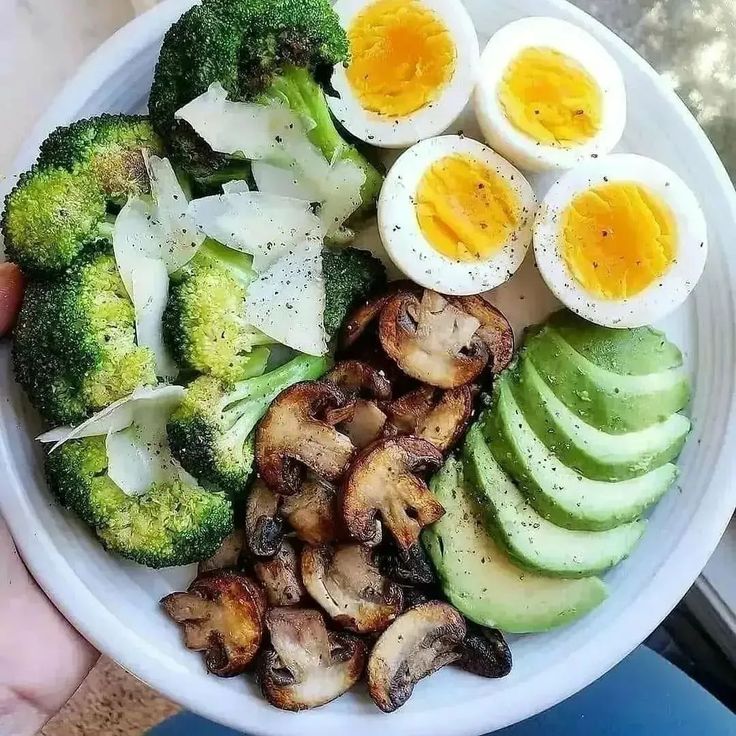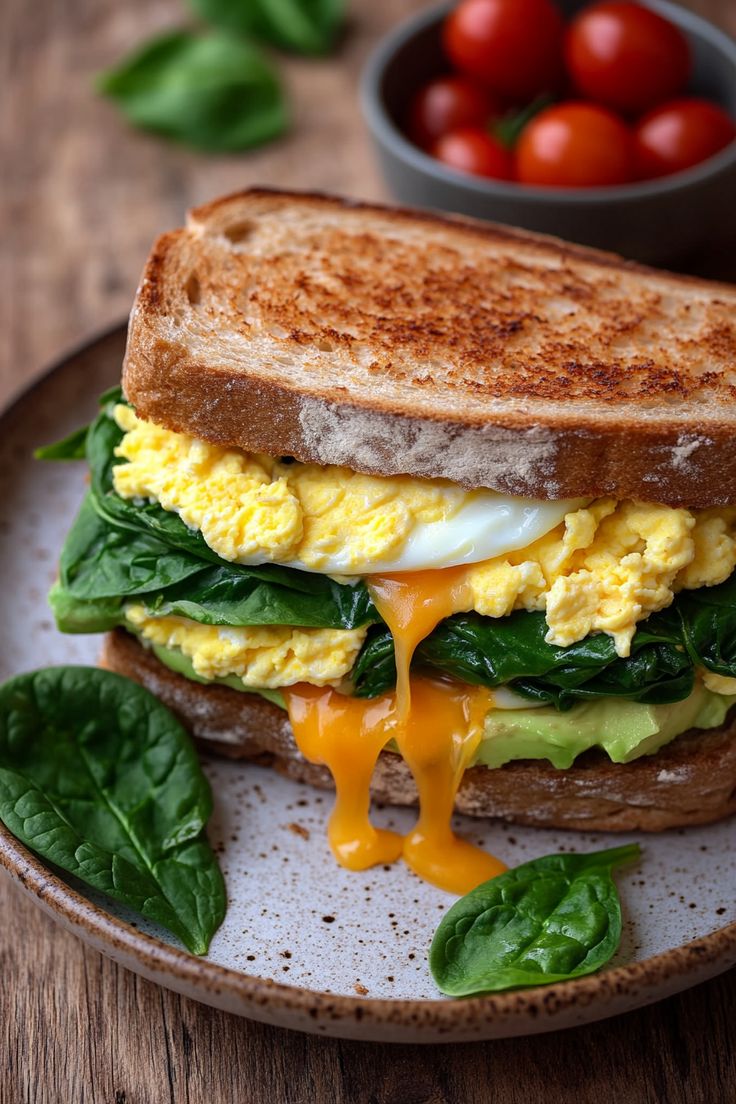

In a world full of wellness trends, “carb-free” has become one of the most overused labels in healthy eating. Bread is blamed. Rice is feared. Fruit gets side-eyed. But does carb-free really mean healthy? Not always. A diet can be low in carbs and still be unbalanced, restrictive, low in fibre, and lacking in real nutritional value. The truth is simple: healthy eating is about quality, balance, and sustainability — not just cutting one nutrient out.
Not All Carbs Are the Same
Carbohydrates have been unfairly grouped into one category for too long. The problem is not carbs themselves — it is the type, amount, and overall pattern of what you eat. There is a major difference between refined carbs and whole-food carbs.
- Sugary cereals and pastries
- White bread and soft drinks
- Ultra-processed fast food
- Packaged snacks and sweets
- Oats, brown rice, sweet potatoes
- Fruits, lentils, chickpeas, beans
- Whole grains and starchy vegetables
- Plain yoghurt, dhal, wholegrain bread
What Happens When You Go Fully Carb-Free
Many people feel a quick drop in weight when they initially cut carbs — but often the early change is mostly water weight and reduced glycogen storage, not sustained fat loss. Over time, going fully carb-free can create other problems that are easy to miss or dismiss.
- Low energy throughout the day
- Brain fog and poor focus
- Mood swings and irritability
- Constipation and digestive issues
- Strong cravings that build over time
- Poor workout performance
- Difficulty maintaining the diet long-term
- Exhaustion and stress around food
One of the biggest issues with carb-free eating is that it often becomes fibre-free eating too. Fibre is essential for digestion, blood sugar control, gut health, cholesterol balance, and keeping you full. Many high-fibre foods naturally contain carbohydrates — which means cutting carbs aggressively can lower fibre intake without people realising. That is when bloating, constipation, increased hunger, and poor gut comfort start appearing.
Healthy Carbohydrate Sources Worth Knowing
These foods are not bad just because they contain carbohydrates. In many cases, they are exactly what a healthy diet needs more of.
- FruitsNatural sugars, fibre, antioxidants, and vitamins. Whole fruit is nothing like refined sugar — the fibre changes how it is absorbed entirely.
- Starchy VegetablesPumpkin, corn, sweet potato, and other starchy vegetables can still be part of a balanced diet. They provide energy alongside micronutrients.
- Whole GrainsOats, red rice, brown rice, and wholegrain bread provide sustained energy, B vitamins, fibre, and minerals your body uses daily.
- LegumesLentils, chickpeas, beans, and dhal are high in plant protein, fibre, and complex carbohydrates — genuinely one of the most underrated food groups.
- Dairy-Based CarbsPlain yoghurt and milk contain lactose alongside protein and calcium — a combination that supports gut health, bones, and satiety simultaneously.