
When cyclone and floods struck,the world changes overnight. Everything vanished under water, belongings were swept away, and the fragile sense of privacy and routine disappeared. Yet one thing doesn’t pause for emergencies: menstruation.
For women and girls, periods continue even in the most chaotic circumstances. And too often, menstrual hygiene is the first need to be overlooked. In the middle of disaster relief, conversations about food, shelter, and medicine dominate while pads, clean water, and safe spaces for women slip into silence.
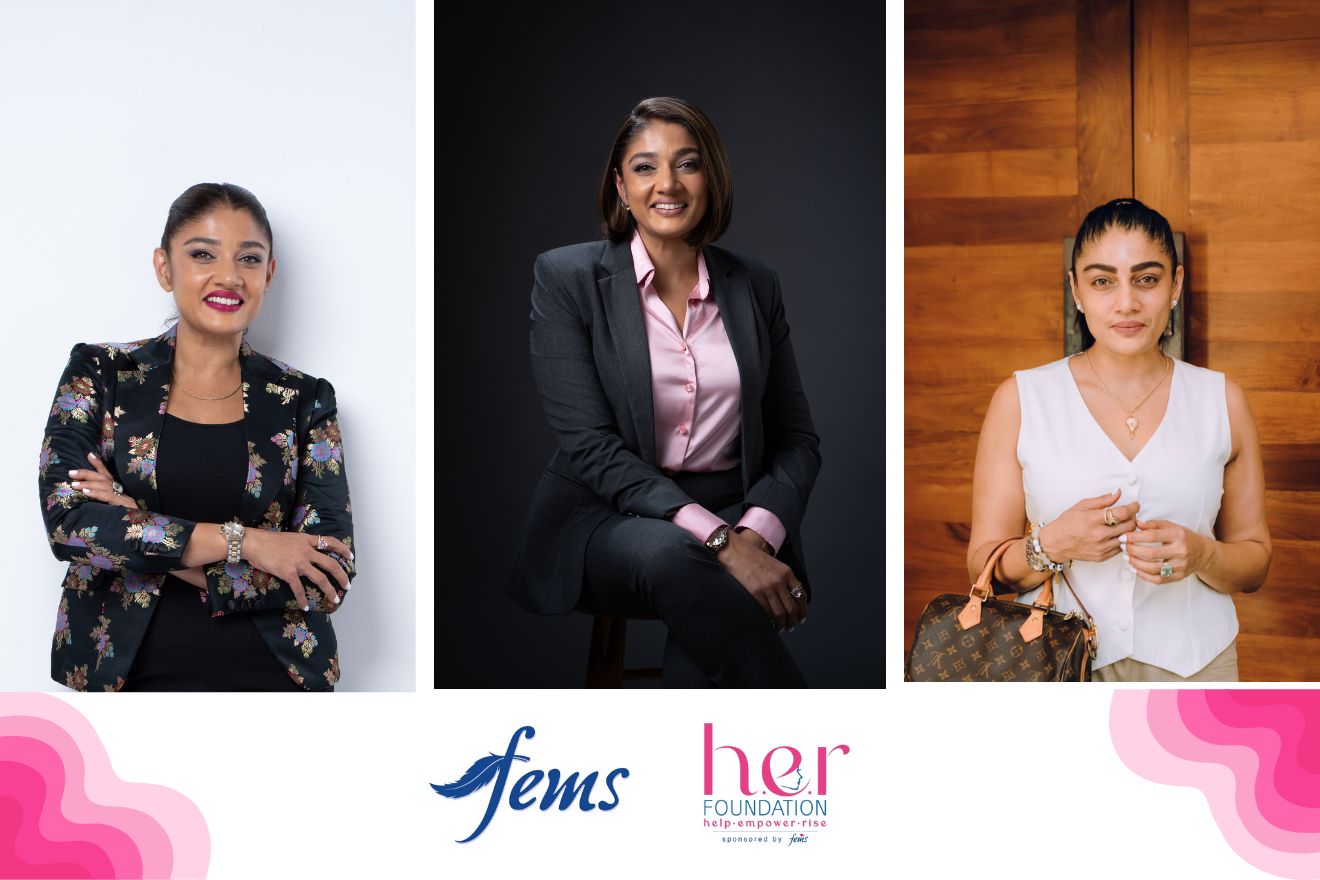
That silence is what Durga Kenny, through BeWAXed’s partnership with the H.E.R Foundation by Hemas and FEMS, is determined to break. Recently, she stepped forward to donate menstrual products during the floods. Her reflections reveal not just the importance of access, but the deeper value of dignity, awareness, and community support.
Why Awareness Matters
Durga explained why menstrual hygiene awareness is so critical during emergencies:
“When floods or cyclones hit, everything people rely on disappears overnight; homes, clothes, privacy, routine. In those moments, periods don’t stop, but menstrual hygiene is often the first thing to be forgotten. For women and girls, that adds another layer of stress, discomfort, and fear to an already traumatic situation.”
Without proper hygiene products, clean water, or safe spaces, something natural becomes a health risk. Women risk infections, rashes, and emotional distress. Worse, many stay silent because talking about periods is still seen as uncomfortable or unimportant, especially in crisis.
Durga emphasized how awareness itself can restore dignity:
“At BeWAXed, through our partnership with the H.E.R Foundation by Hemas and FEMS, we’ve seen how simply acknowledging this need and providing access can restore a sense of dignity and normalcy. Creating awareness isn’t just about products, it’s about saying that women’s needs matter, even in crisis. And that dignity should never be optional.”
The Motivation to Donate
When asked what motivated her to donate pads during the disaster, Durga spoke with conviction:
“What really motivated us was the simple reality that during a disaster, women are expected to just ‘manage’ their periods quietly, even when everything else around them has fallen apart. Homes are flooded, belongings are lost, privacy is gone, but periods don’t pause for emergencies. That felt deeply unfair and impossible to ignore.”
Her words highlight a truth often overlooked: menstruation doesn’t wait for stability. The impact of donations, she explained, goes far beyond physical health.
“Access to proper menstrual products helps prevent infections, rashes, and long-term health issues, but just as importantly, it eases mental stress. When women don’t have to worry about managing their periods in unsafe or unhygienic ways, they can focus on recovery, caring for their families, and rebuilding their lives. Something as simple as a pad can protect both physical health and self-worth and that impact goes far beyond the moment.”
Communities Against Period Poverty
Durga Kenny believes that addressing period poverty requires collective responsibility, not silence.
“Communities can make a real difference when they stop treating periods as a ‘private issue’ and start seeing menstrual hygiene as a shared responsibility, especially in difficult times.”
She outlined three steps during the conversation:
- Open talks – Families, schools, workplaces, and leaders must normalize talking about periods. Silence is the biggest enemy in these cases.
- Collective action – Businesses, NGOs, and individuals can donate products, fund distribution, and create safe access points in shelters, schools, and workplaces.
- Beyond emergencies – Relief kits should always include menstrual products and hygiene items, permanent access points should be installed, and education for both girls and boys must be prioritized.
Her experience with BeWAXed and the H.E.R Foundation by Hemas and FEMS shows how partnerships amplify impact:
“Our work has shown us how powerful partnerships can be when everyone plays a role. When we come together with empathy and intention, we don’t just address period poverty, we protect dignity, health, and the confidence of women and girls when they need it most.”
Breaking the Stigma
Finally, Durga Kenny shared her message about breaking stigma and encouraging open conversations:
“Menstruation is normal, and silence around it is what causes harm not periods themselves.”
She explained how shame begins in whispers and avoidance, teaching girls to feel embarrassed about their own bodies. That shame follows them into schools, workplaces, and even disaster relief, where they’re expected to suffer quietly.
But open dialogue changes everything: “At BeWAXed, through our partnership with the H.E.R Foundation by Hemas and FEMS, we’ve learned that open talks change everything. When we speak honestly and without judgement, we create safer spaces, better health outcomes, and stronger communities. Breaking the stigma starts with everyday actions talking to our children, supporting one another, and choosing empathy over discomfort.”
Her closing words carried a message of pride and resilience:
“Periods are not a taboo. They’re a fact of life. And when we talk about them openly, we give women and girls permission to live with dignity, confidence, and pride no matter the situation.”
A Call to Action
This conversation with Durga Kenny is more than an interview, it’s a call to action. Disasters strip away the structures of daily life, but they should never strip away dignity. Menstrual health is not a luxury; it is a necessity.
Awareness, donations, and open conversations are the pillars of change. Communities must recognize that menstrual hygiene is not just a women’s issue, it is a human issue. And in times of crisis, it is a matter of survival, resilience, and respect.
Through initiatives like BeWAXed’s partnership with the H.E.R Foundation by Hemas and FEMS, we see how small acts like donating pads become powerful statements: women’s needs matter, even in disaster.
As storms come and go, the message must remain: dignity should never be optional.
Click on here “Exercise for Energy, Not Punishment: A New Way Forward”


