
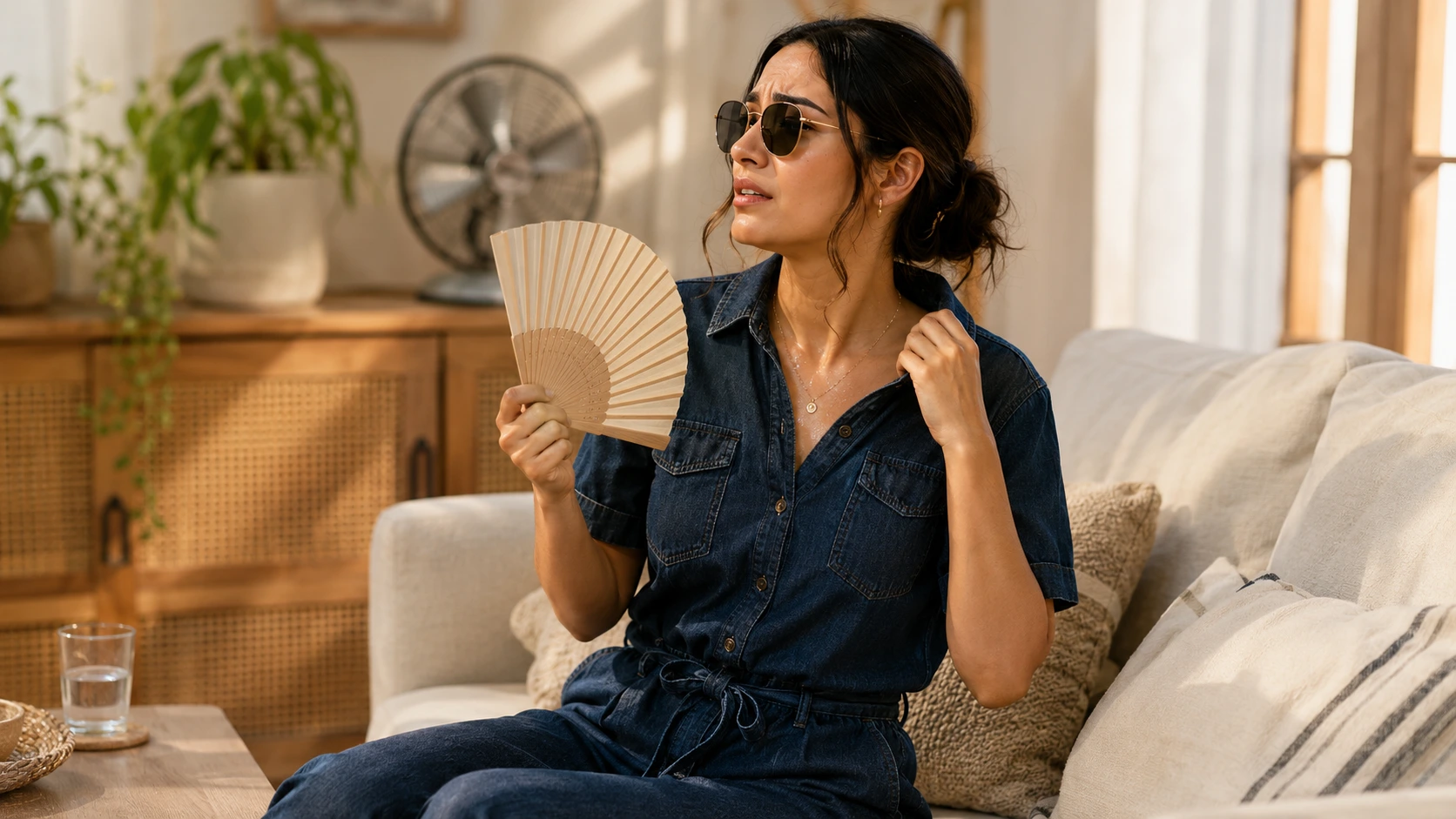
Best fabrics for hot weather are not only about staying cool. They are also about looking composed when the day feels sticky, sunny and impossible to dress for.
Every woman knows the problem.
You choose an outfit that looks elegant indoors. Then you step outside into the heat, humidity, traffic, meetings, errands or travel, and suddenly the fabric clings, wrinkles, traps sweat or feels much heavier than it looked.
Hot weather dressing is not just a style issue. It is a fabric issue.
The right material can make a simple outfit look refined and feel breathable. The wrong material can make even an expensive dress uncomfortable.
So, what should women actually wear in hot, humid weather if they still want to look polished?
The answer starts with fibre, weave, weight and fit.
Why Fabric Matters More Than the Outfit Itself
In hot weather, the fabric often matters more than the design.
A beautiful dress in the wrong fabric can feel sticky and uncomfortable. A simple shirt in the right fabric can look crisp, elegant and easy.
When choosing clothes for hot, humid weather, look for three things.
First, breathability. The fabric should allow air to move.
Second, lightness. The fabric should not feel heavy on the skin.
Third, comfort in movement. The garment should not cling tightly when you sweat or walk.
This is why lightweight cotton, linen, ramie, lyocell, modal, breathable viscose and some silk blends often feel better than thick synthetic fabrics.
But the fibre name alone is not enough. A tightly woven heavy cotton can feel warmer than a loose linen blend. A thin polyester blouse can still trap heat if it does not breathe well.
Always look at the fabric and the structure together.
Best Fabrics for Hot Weather
For hot, humid weather, the best fabrics are usually breathable, lightweight and slightly loose on the body.
Linen is one of the strongest choices because it feels airy and naturally relaxed. Cotton is another reliable option, especially in lighter weaves such as voile, lawn, muslin, poplin and gauze. Lyocell and modal can feel smooth, soft and polished while offering good drape.
Ramie is another excellent warm-weather fabric, though it may not be as common everywhere. It has a crisp, linen-like feel and works well for shirts, dresses and tailored summer pieces.
For global wardrobes, these fabrics are easy to translate into many styles.
A linen shirt dress. A cotton poplin blouse. A lightweight cotton kurta. A linen-blend trouser. A voile top. A soft lyocell dress. A cotton lawn co-ord. A breathable wrap skirt.
For South Asian women and diaspora wardrobes, fabrics such as cotton lawn, mulmul, voile, handloom cotton, linen blends and soft lightweight silks can work beautifully for kurtas, sarees, tunics, kaftans and summer festive looks.
The goal is not only to dress lightly.
The goal is to dress intelligently.
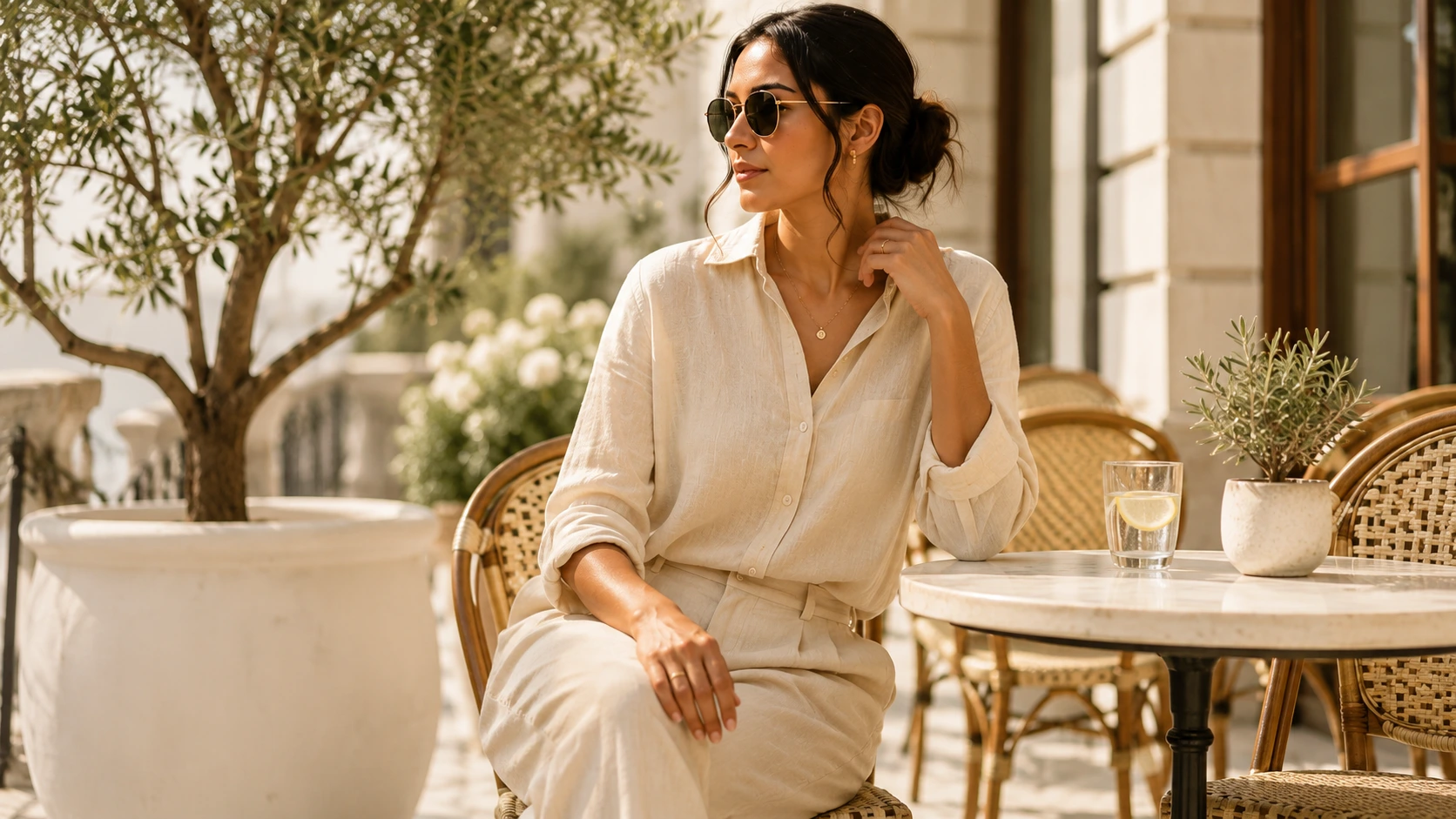
Cotton Fabrics for Hot Weather
Cotton is one of the most loved fabrics for hot weather because it is soft, breathable and widely available.
But not all cotton feels the same.
Lightweight cotton works best for summer. Look for cotton lawn, voile, muslin, gauze, poplin, chambray, seersucker and thin handloom cotton. These fabrics feel cooler than thick jersey, heavy denim or dense cotton twill.
Cotton is comfortable because it lets air pass through and feels natural on the skin. It is also easy to style for casual, office and everyday wear.
A white cotton shirt, a cotton midi dress, a cotton kurta, a cotton wrap top or a cotton co-ord can look polished without feeling overdressed.
The only issue is that cotton absorbs sweat. In very humid weather, it may stay damp longer than some quick-drying fabrics.
That does not mean cotton is bad. It simply means you should choose lighter weaves and looser cuts.
The right material can make a simple outfit look refined and feel breathable. The wrong material can make even an expensive dress uncomfortable.Best Fabrics for Hot Weather — Satynmag Style Guide
Linen: The Polished Summer Classic
Linen is one of the best fabrics for hot weather because it is breathable, elegant and naturally cool-looking.
It also has a certain effortless polish.
A linen blazer, linen shirt, linen trouser or linen dress can make a summer outfit look intentional without feeling heavy. Linen works especially well in neutral tones, soft pastels, earthy colours and classic white.
The downside is wrinkling.
But linen wrinkles are not always a flaw. In many summer outfits, they are part of the texture. The key is to choose better cuts. A structured linen shirt, wide-leg linen trouser or relaxed linen blazer can still look polished even with natural creasing.
If you want fewer wrinkles, choose linen blends.
Cotton-linen, linen-viscose and linen-lyocell blends can feel softer and less stiff while keeping much of the cool summer effect.
Is Silk Good for Hot Weather?
Silk can be beautiful in hot weather, but it needs careful styling.
Lightweight silk feels luxurious, soft and breathable. It can look very polished for dinners, events, work occasions and elegant daytime dressing.
But pure silk may show sweat marks, hold odour and require delicate care. It may also feel too precious for very humid days, public transport, outdoor events or long hours in the sun.
So, is silk good for hot weather?
Yes, for the right occasion.
Choose silk when you want elegance, softness and drape. Avoid heavy silk satin in very humid daytime weather. Instead, look for lighter silk, silk-cotton, silk-linen or silk-blend pieces.
For South Asian occasion wear, lightweight silk sarees, silk-cotton sarees and airy silk blends can feel more comfortable than heavy brocade, thick satin or heavily lined pieces.
The trick is to keep the silhouette relaxed and the lining breathable.
Lyocell, Modal and Viscose: Smooth and Easy
Lyocell, modal and viscose are popular because they drape beautifully.
They can feel softer and more fluid than cotton or linen, making them useful for women who want summer clothes that look polished rather than overly casual.
These fabrics work well for shirt dresses, blouses, wide-leg trousers, skirts, jumpsuits and soft tailoring.
However, quality varies.
Some viscose wrinkles easily. Some rayon or viscose garments can shrink if not washed properly. Some blends are more breathable than others.
When choosing these fabrics, feel the garment. If it feels light, smooth and not plasticky, it may work well. If it feels heavy, dense or clingy, it may not be ideal for humid weather.
Lyocell and modal are especially useful when you want comfort with a more refined finish.
Chambray, Seersucker and Gauze
Some fabrics are useful because of their weave and texture.
Chambray gives the look of denim without the heaviness. A chambray shirt, dress or skirt can feel much more summer-friendly than thick denim.
Seersucker has a puckered texture that keeps parts of the fabric slightly away from the skin. This makes it useful in hot and humid weather. It can look crisp in shirts, dresses and tailored summer pieces.
Gauze is soft, airy and casual. Cotton gauze dresses, tunics and shirts are excellent for relaxed warm-weather outfits, though they may feel more casual than office-ready.
These fabrics are especially helpful when you want clothing that does not cling.
Texture can be your friend in humidity.
In warm weather, elegance is not about wearing more. It is about choosing better.Best Fabrics for Hot Weather — Satynmag Style Guide
Lightweight Fabrics for Summer Workwear
Summer workwear is difficult because you need to balance comfort with professionalism.
The best formula is breathable fabric plus clean structure.
Choose cotton poplin shirts, linen-blend trousers, lightweight blazers, sleeveless cotton tops with polished cuts, midi skirts, breathable shirt dresses and lyocell blouses.
Avoid anything too tight, too sheer or too heavy.
A linen-blend blazer over a cotton shell can look smart without feeling suffocating. A cotton poplin dress can feel crisp for meetings. A lyocell blouse tucked into wide-leg trousers can look elegant and comfortable.
For modest dressing, lightweight longline shirts, breathable tunics, wide-leg trousers, cotton kurtas and linen co-ords can give coverage without heaviness.
The secret is airflow.
Loose does not have to mean shapeless. You can choose pieces that skim the body rather than cling to it.
Is Polyester Good for Hot Weather?
Polyester is complicated.
Regular polyester is often not the best choice for hot, humid everyday dressing because it can trap heat, hold odour and feel sticky when sweat builds up. This is why many women feel uncomfortable in cheap polyester blouses, lined dresses or synthetic office wear during summer.
However, performance polyester is different.
Some sportswear fabrics are designed to wick moisture and dry quickly. These may work well for workouts, travel or active days.
But for polished hot-weather dressing, especially for office, brunch, events or daily style, 100% polyester is usually not the most comfortable option unless it is specifically designed for breathability.
Be careful with polyester satin, thick polyester crepe, heavy synthetic lining and tight polyester dresses. They can look elegant but feel uncomfortable in humidity.
A small amount of polyester in a blend may be fine if it improves shape and reduces wrinkling. But the garment still needs to feel breathable.
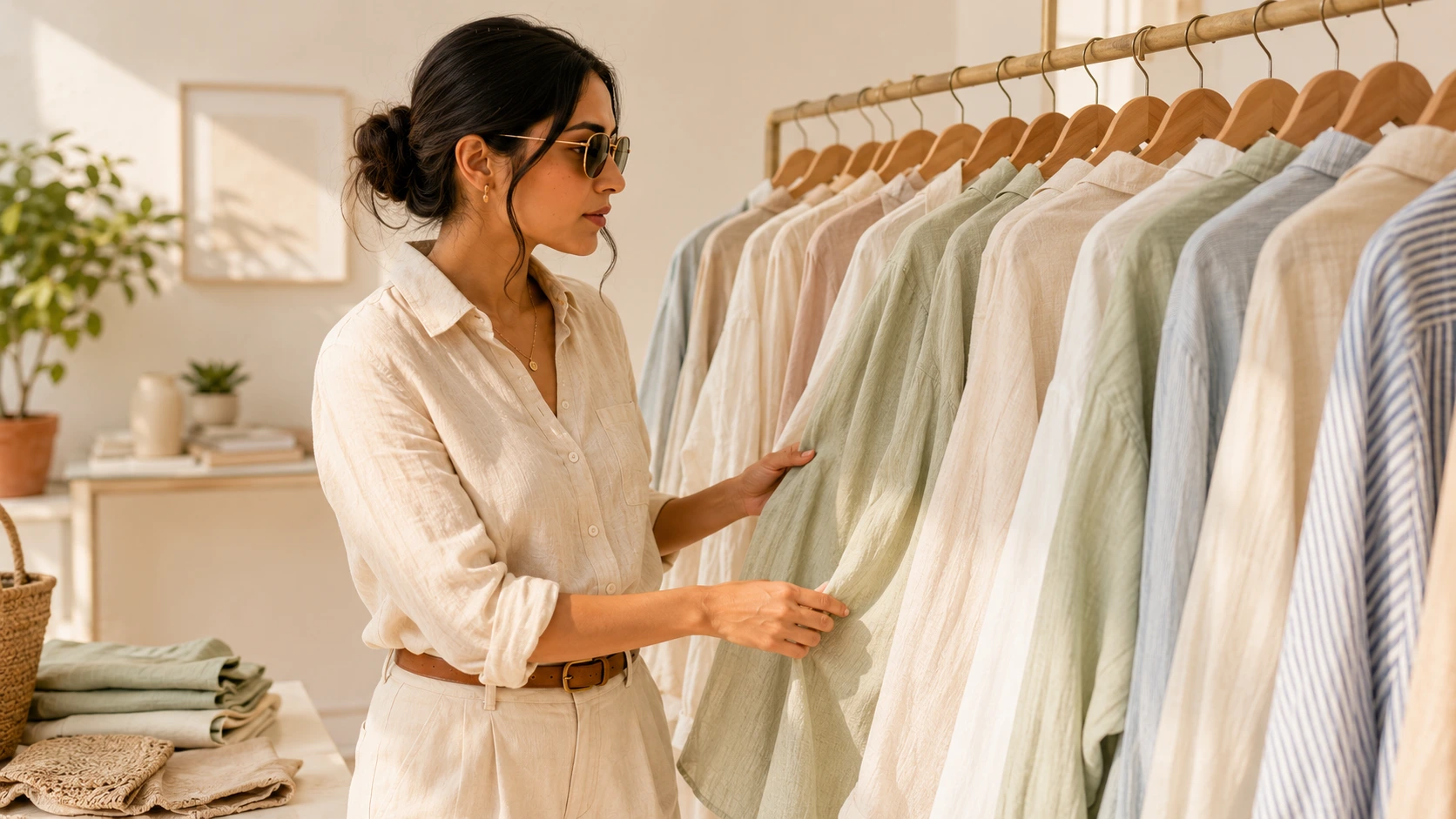
Worst Fabrics for Hot Weather
The worst fabrics for hot weather are usually heavy, tight, synthetic or non-breathable.
Heavy polyester can trap heat. Acrylic can feel warm and plasticky. Nylon may feel uncomfortable unless it is performance-based. Vinyl, leather and faux leather are usually too hot for daytime summer wear. Thick denim can feel heavy and slow to dry. Heavy satin can show sweat and cling. Dense jersey can feel sticky if it hugs the body.
Also watch out for synthetic linings.
Sometimes the outer fabric is breathable, but the lining is polyester. This can make a dress or blazer feel much hotter than expected.
Before buying, check the inside of the garment.
A linen dress with a heavy synthetic lining may not feel like linen at all.
The Fit Rule: Do Not Let Fabric Fight Your Body
Hot-weather dressing is not only about fabric. Fit matters.
A breathable fabric can still feel uncomfortable if the garment is too tight.
Choose clothes that allow movement. Look for relaxed shirts, A-line dresses, wrap dresses, wide-leg trousers, easy skirts, kaftan-inspired shapes, boxy tops, loose sleeves and soft tailoring.
Air needs space to move.
This is why many traditional warm-climate garments work so well. Sarees, kurtas, kaftans, tunics, loose trousers and long skirts often create airflow while still allowing elegance.
A polished summer outfit should not trap you inside the fabric.
It should move with you.
How to Look Polished Without Wearing Heavy Clothes
Many women think polished dressing requires structure, thickness and layers.
Not always.
In hot weather, polish comes from clean lines, good fit, smart colour choices and quality fabric.
A crisp cotton shirt can look more polished than a synthetic blouse. A linen co-ord can look more expensive than a tight polyester dress. A soft silk-cotton saree can look more elegant than heavy embellished fabric. A breathable midi dress can look refined with the right sandals, jewellery and bag.
Choose simple silhouettes.
Neutral colours, monochrome outfits, tonal dressing and minimal accessories can make lightweight fabrics look elevated.
Iron or steam where possible, but do not obsess over every wrinkle. In summer, ease is part of elegance.
What to Wear for Different Hot-Weather Situations
For office days, choose cotton poplin, linen blends, lyocell or light viscose in structured cuts.
For travel, choose wrinkle-friendly blends, breathable cotton shirts, wide-leg trousers and light layers.
For outdoor events, choose linen, cotton voile, lightweight silk blends or breathable dresses with movement.
For casual weekends, choose cotton gauze, chambray, muslin, linen shorts, relaxed shirts and airy dresses.
For evening dressing, choose light silk, satin only if it is breathable and not too tight, or a polished linen-blend dress.
For festive or South Asian occasion wear, choose lighter sarees, silk-cotton blends, organza with breathable lining, cotton-silk kurtas or airy anarkalis without heavy synthetic layers.
The same rule applies everywhere.
If the fabric breathes and the shape moves, the outfit will feel better.
Extra Readings for Style Inspiration
If you enjoy fashion stories and elegant dressing, Satynmag's article on Harriet Sperling's Wedding Dress at the Royal Wedding of 2026 is a beautiful extra reading option.
You can also read Why Royals Keep Choosing Elie Saab's Timeless Couture for more on refined, feminine fashion and couture elegance.
These pieces are not about hot-weather fabric rules, but they are useful if you enjoy understanding how fabric, silhouette and polish work together in style.
Quick Fabric Guide for Hot, Humid Weather
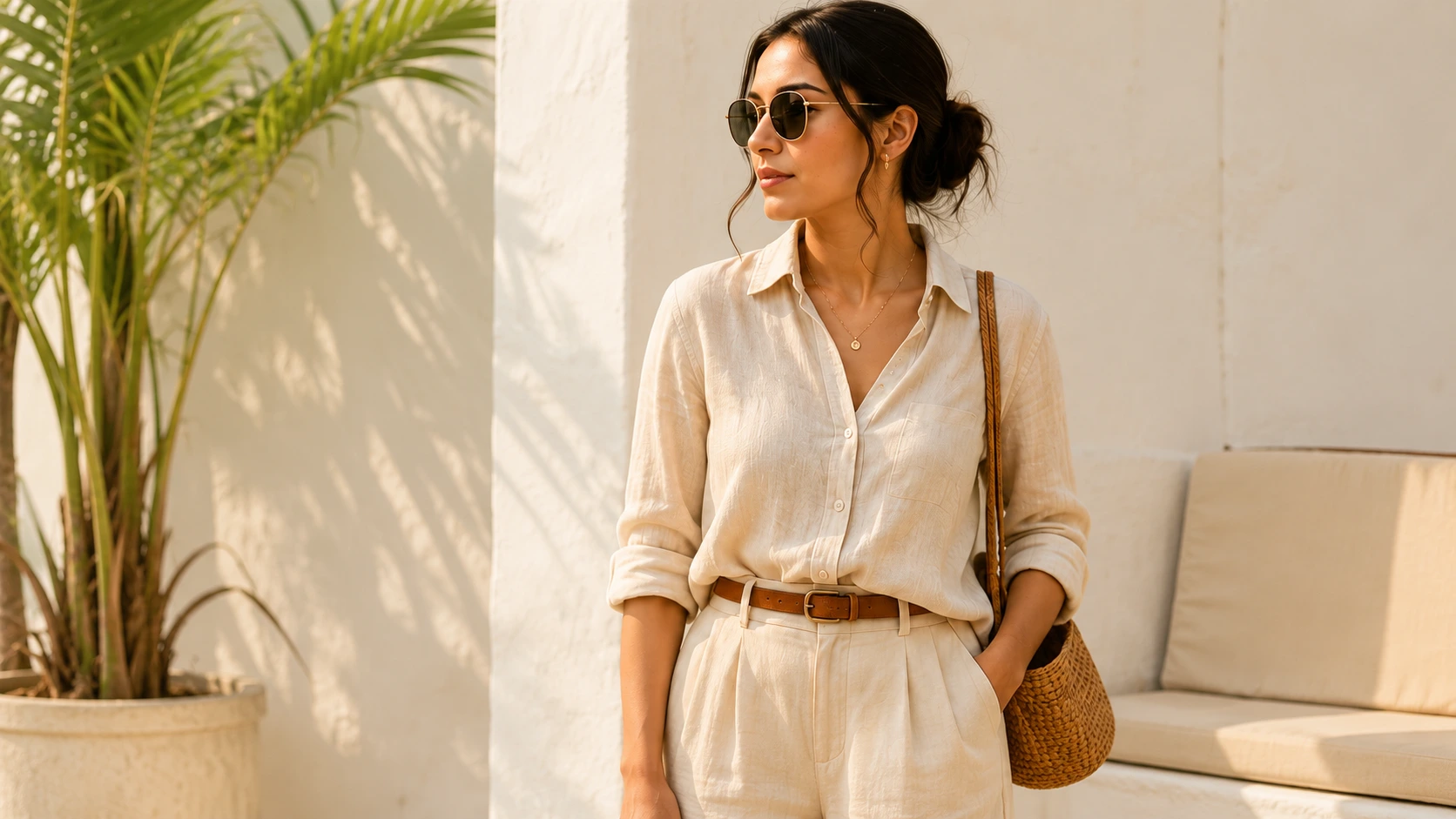
Final Thought
Best fabrics for hot weather are the ones that help you feel cool, comfortable and confident without making your outfit look careless.
For hot, humid days, choose breathable fabrics, lighter weaves, relaxed silhouettes and natural movement. Cotton, linen, ramie, lyocell, modal, chambray, seersucker and lightweight silk blends can all work beautifully when chosen well.
Avoid heavy, clingy and non-breathable fabrics that trap sweat and heat.
The best summer style does not need to look overdone. It needs to look fresh, intentional and comfortable enough for real life.
In warm weather, elegance is not about wearing more.
It is about choosing better.
In warm weather, elegance is not about wearing more. It is about choosing better.
In warm weather, elegance is not about wearing more. It is about choosing better.
For more fashion and beauty articles, explore Satynmag's Fashion & Beauty section.