
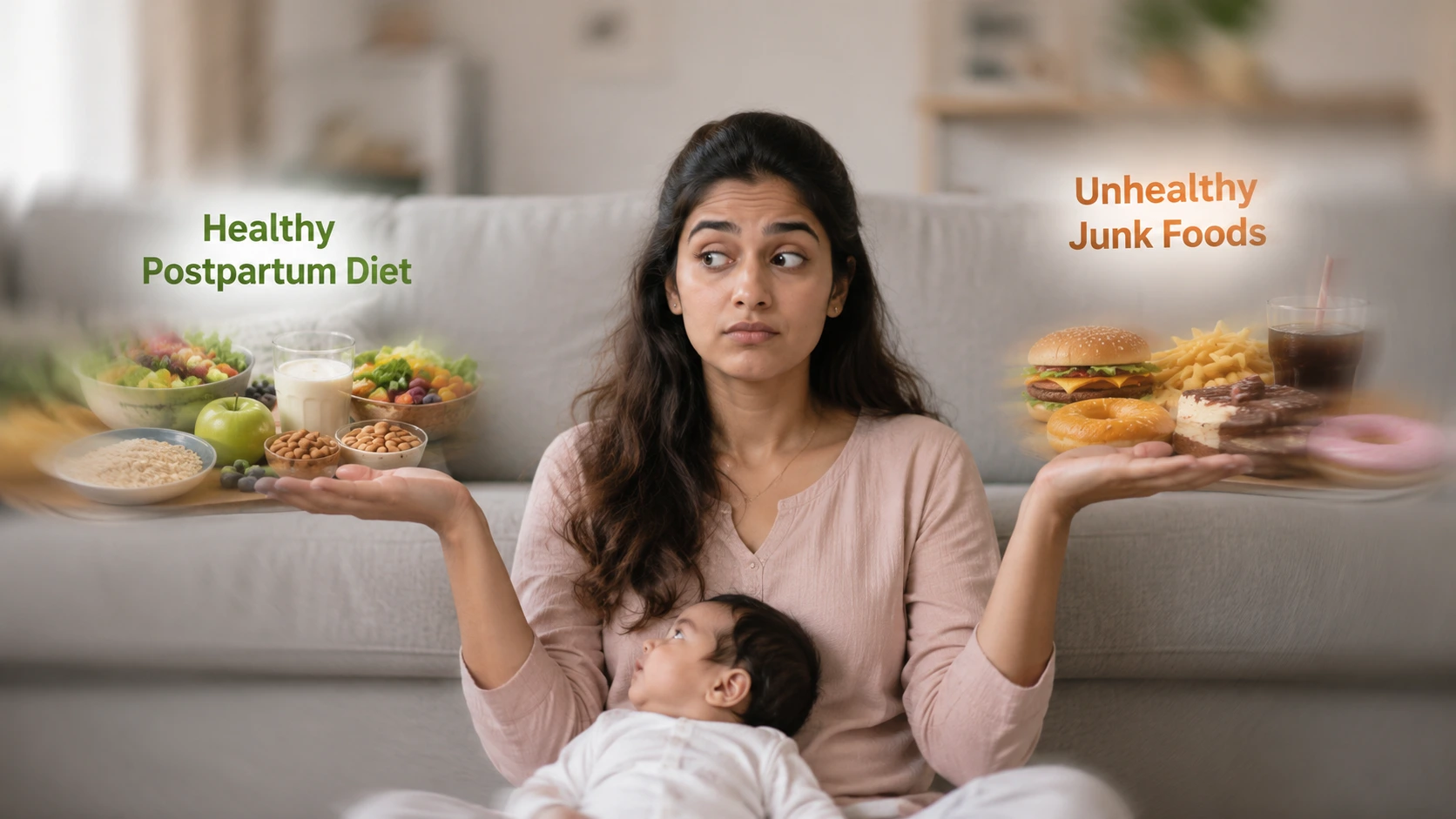
Postpartum Diet is not about rushing to lose weight, following strict food rules or trying to "bounce back" immediately. After giving birth, your body needs food that helps you heal, rebuild strength, support energy and, if you are breastfeeding, nourish your baby too.
Many new mothers ask the same quiet question: "What should I eat now to feel like myself again?"
That question is important.
Your body has gone through pregnancy, labour, delivery, blood loss, hormonal changes, sleep disruption and emotional adjustment. Food cannot fix everything overnight, but the right meals can support recovery in a very real way.
This is the time to eat for strength, not punishment.
Why Food Matters After Delivery
After delivery, your body is repairing tissue, restoring blood levels, balancing hormones and adjusting to a new routine.
If you are breastfeeding, your body also uses extra energy and nutrients to produce milk. That means skipping meals, crash dieting or living only on tea and biscuits can leave you feeling weaker, more tired and more emotional.
This does not mean every meal must be perfect. It means your daily food should include enough protein, carbohydrates, healthy fats, fluids, fruits, vegetables and mineral-rich foods.
How Soon Can You Eat After Giving Birth?
Many mothers can eat soon after delivery, especially after an uncomplicated vaginal birth, once they feel ready and are not nauseous.
After a caesarean birth, your healthcare team may guide you to start slowly, sometimes with fluids or lighter foods first, depending on your recovery, digestion and hospital advice.
Follow your doctor or midwife's guidance. Once you are allowed to eat, start with gentle, nourishing foods. Warm soups, rice, dhal, porridge, toast, eggs, fruit, yoghurt or soft cooked meals can feel easier on the body. Do not force a heavy meal if you feel unwell. But do not ignore hunger either. Your body needs fuel.
Best Food After Delivery for Mothers
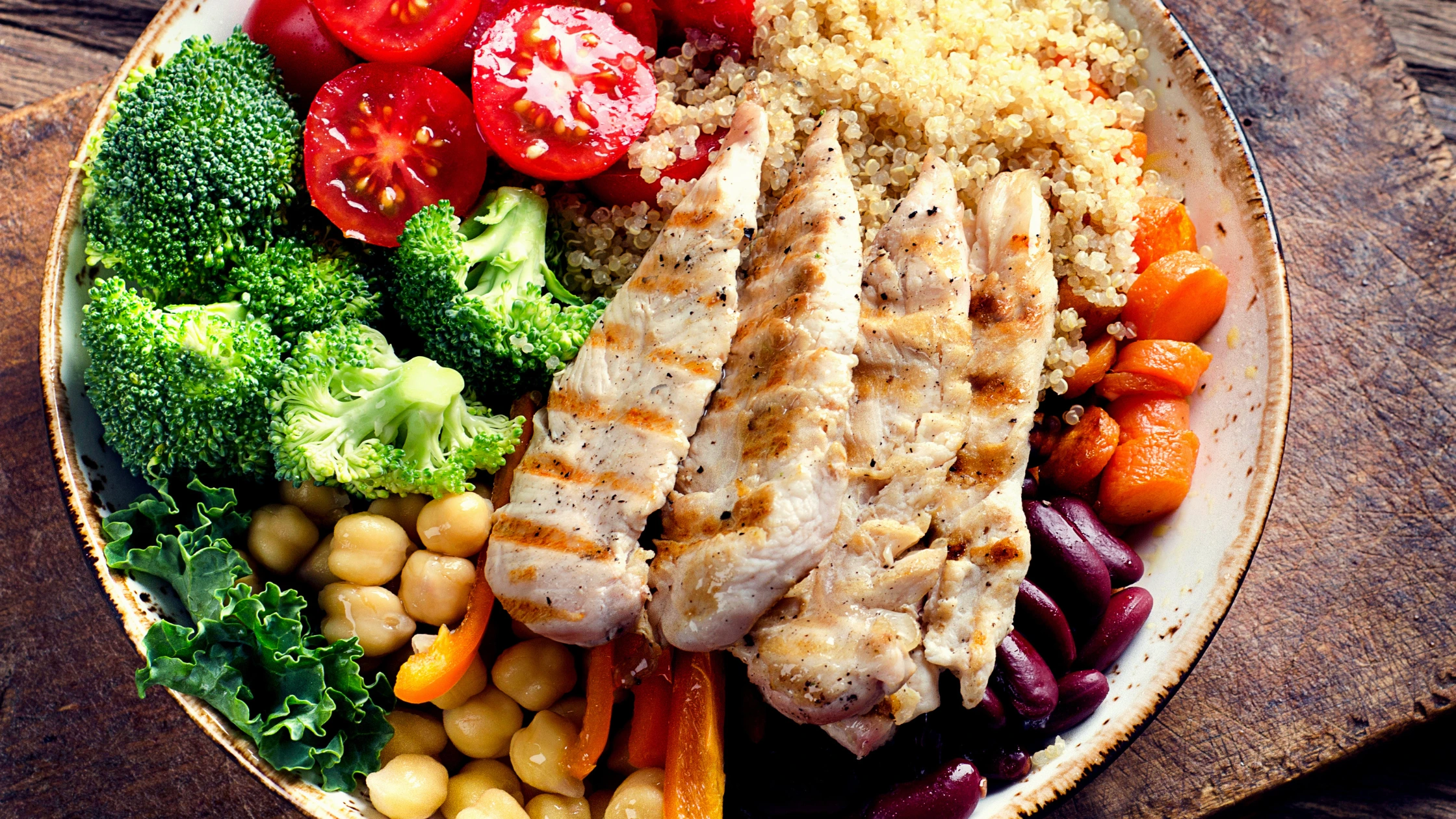
The best postpartum foods are usually simple, balanced and easy to digest.
- Protein: eggs, fish, chicken, dhal, lentils, beans, yoghurt, milk, paneer, tofu or lean meat
- Whole grains: rice, red rice, brown rice, oats, wholegrain bread, kurakkan, ragi, roti, sweet potatoes
- Iron-rich foods: leafy greens, dhal, beans, lentils, eggs, fish, meat, dates
- Fruits and vegetables for vitamins, fibre and digestion — constipation is common after delivery
- Healthy fats: nuts, seeds, avocado, olive oil, coconut in moderation, oily fish lower in mercury
- Plenty of fluids especially if breastfeeding
What to Eat After Giving Birth and Breastfeeding
If you are breastfeeding, focus on eating regularly.
You do not need a perfect diet to produce breast milk, but your body will feel better when it is properly nourished.
Include protein at each meal. Add whole grains for steady energy. Drink water often, especially when feeding. Keep easy snacks nearby because breastfeeding can make you hungry.
Some mothers worry that certain foods will automatically upset the baby. In most cases, you do not need to avoid many foods unless you notice a clear reaction or your doctor advises it. If your baby seems uncomfortable after feeding, Satynmag's article Why Is Your Baby Crying Even After Feeding? may be a useful extra read.
This is the time to eat for strength, not punishment. You gave life. Now your body needs nourishment, patience and strength.Postpartum Diet — What Should I Eat After Giving Birth to Feel Strong Again
Food After Delivery for South Asian Mothers
For South Asian mothers, postpartum food is often shaped by family traditions.
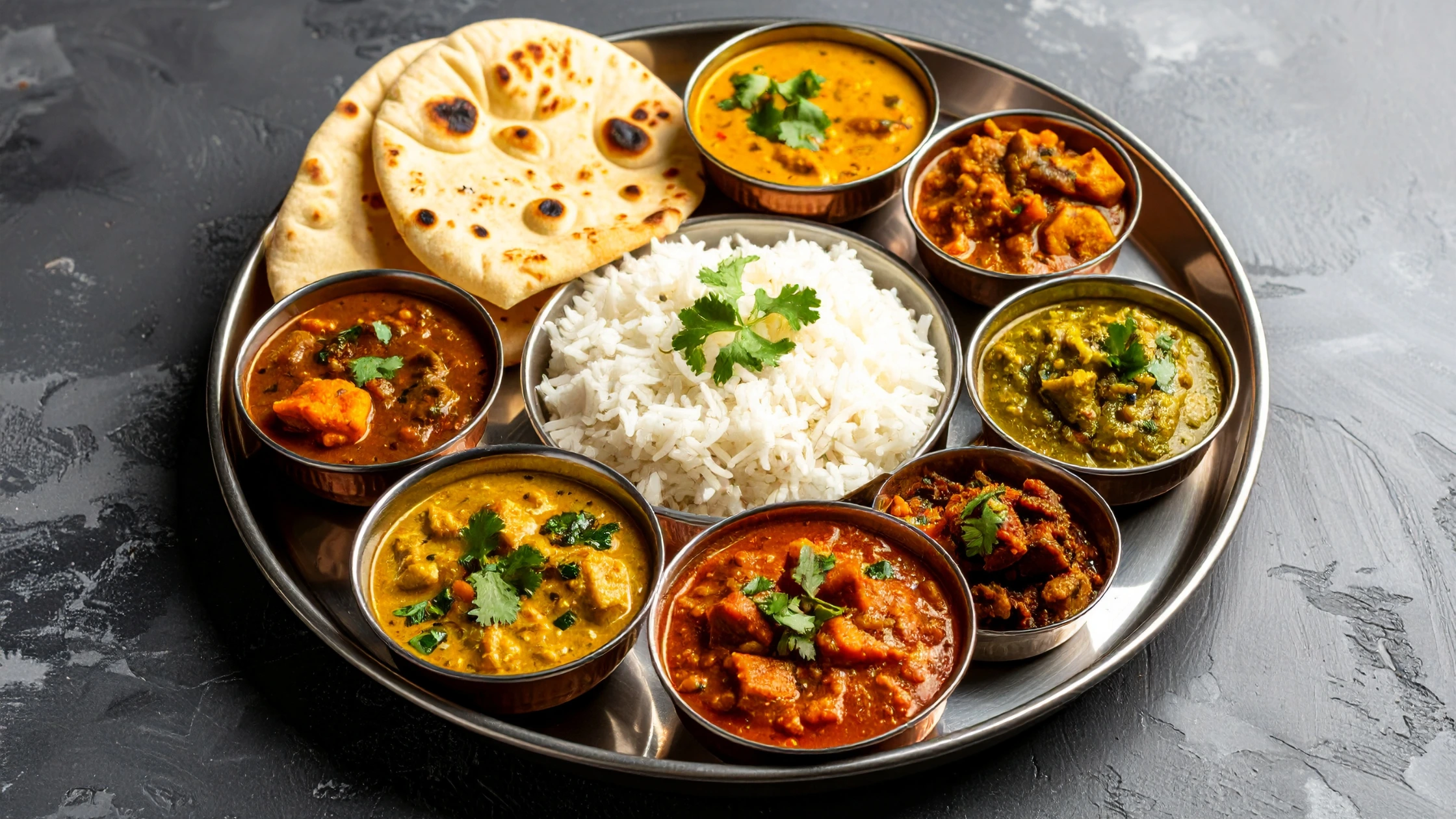
Many traditional foods can be very nourishing. Warm rice meals, dhal, vegetable curries, rasam, soups, kanji, idiyappam, milk-based foods, eggs, fish, chicken, greens, cumin, fenugreek, garlic and ginger are commonly used in different homes.
The important thing is balance.
A postpartum plate can include rice or another grain, dhal or protein, cooked vegetables, greens, healthy fat and enough fluids. Warm foods may feel comforting, especially in the early days.
Some mothers are told to avoid almost all fruits, vegetables, curd, certain grains or protein foods after delivery. Unless there is a medical reason, too many restrictions can leave a mother undernourished. Tradition can be respected, but the mother's recovery must come first.
Simple After Delivery Diet Chart for Mother
Here is a simple postpartum meal flow you can adapt to your culture, appetite and medical needs.
This is not a strict diet chart. It is a guide. Your body, appetite, culture, budget and doctor's advice should shape your meals.
What Not to Eat After Delivery
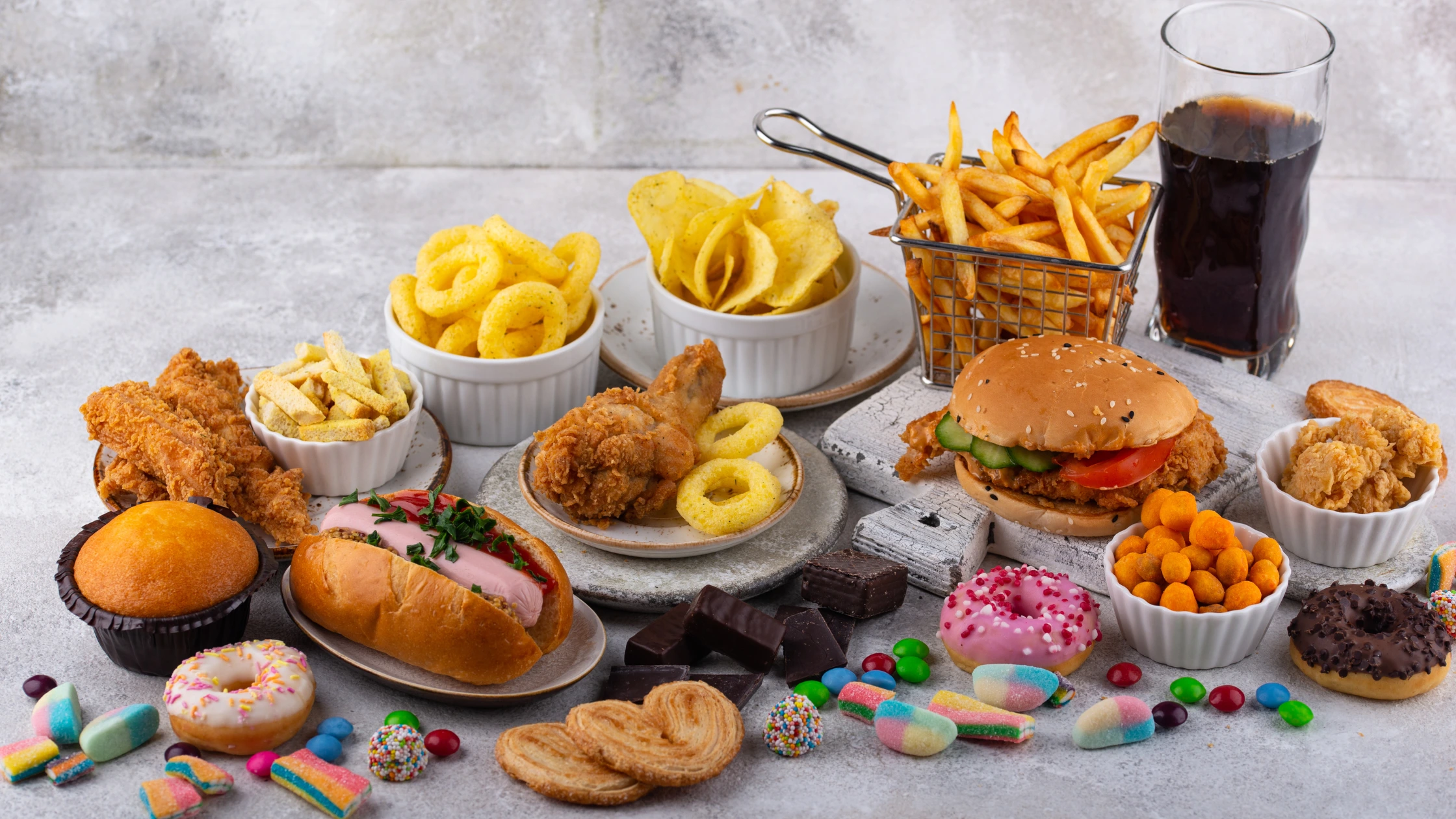
There is no single universal list of foods every mother must avoid after delivery.
However, some foods and drinks need caution.
If a food causes you discomfort, acidity, diarrhoea or bloating, reduce it and reintroduce gently later.
What Not to Eat After Delivery South Asian Style
In many South Asian and South Asian homes, new mothers are given strong food rules.
Some advice is helpful. Warm, fresh, home-cooked food can be comforting. Spices such as cumin, ginger and garlic may support digestion for some women.
But some advice can become too restrictive.
You may be told not to eat curd, certain fruits, greens, lentils, fish, eggs or vegetables. Unless your doctor has advised avoidance, these foods can often be part of a balanced diet.
A new mother needs protein, iron, fibre and fluids. Removing too many food groups can make recovery harder. If elders in the family have strong beliefs, try to find a respectful balance. Keep the comforting traditional foods, but make sure your meals are still nourishing.
Postpartum Fruits to Avoid
Many mothers search for "postpartum fruits to avoid".
In general, most fruits are safe after delivery when washed properly and eaten in reasonable amounts.
Bananas, apples, papaya, oranges, berries, mango, watermelon, guava and pomegranate can all provide vitamins, fibre and hydration.
Diabetes, severe acidity, diarrhoea, allergies or if a particular fruit makes you uncomfortable. If you are breastfeeding and feel a certain food affects your baby, do not panic. Keep a simple food and symptom note, then speak to a healthcare professional before cutting out many foods. There is usually no need to avoid fruits completely after delivery.
A bowl of rice, dhal, greens and egg can be powerful postpartum food. Your meals do not have to be complicated to be nourishing.Postpartum Diet — What Should I Eat After Giving Birth to Feel Strong Again
Foods That Help You Feel Strong Again
To feel stronger after delivery, think in terms of rebuilding.
Can Diet Help With Postpartum Body Changes?
Food can support recovery, but it should not be used as punishment for body changes.
Many mothers still look pregnant after giving birth. The uterus takes time to shrink, the abdominal muscles need time to recover, and the body may hold fluid or fat differently after pregnancy.
If you are worried about your postpartum body, read Satynmag's article Why Do I Still Look Pregnant After Giving Birth? Right now, your goal is not to eat less as quickly as possible. Your goal is to recover well. Weight changes can be addressed gently later, with medical guidance if needed. Early postpartum is not the time for extreme dieting.
Quick Meals for Exhausted New Mothers
New mothers need realistic food.
Keep boiled eggs, yoghurt, fruit, nuts, cheese, cooked dhal, rice, soup, frozen vegetables or pre-cooked curry portions ready if possible.
Ask family members to bring useful meals, not only snacks. Request rice and dhal, soup, vegetable curry, cooked greens, eggs, fish curry, chicken soup or lentil dishes.
You do not need to cook everything yourself. Food is support. Let people support you.
When Should You Speak to a Doctor?
Speak to a doctor if you feel extremely weak, dizzy, breathless, faint, unable to eat, losing weight quickly without trying, vomiting often, or feeling unusually low and exhausted.
Your postpartum diet should support your body, not create new problems.
Final Thought
Postpartum Diet is about helping your body feel strong again after one of the biggest experiences of your life.
You do not need perfect meals. You need enough food, enough fluids, enough protein, enough iron-rich choices and enough support.
Eat regularly. Choose warm, nourishing meals if they comfort you. Include protein, grains, fruits, vegetables and healthy fats. Be careful with alcohol, high-mercury fish, excess caffeine and unsafe foods. Avoid extreme food restrictions unless medically necessary.
Most importantly, do not treat your body like it failed because it needs care.
You gave life. Now your body needs nourishment, patience and strength.
- Enough food, enough fluids, enough protein and enough rest.
- Warm, nourishing meals that comfort and rebuild.
- No crash diets, no harsh restrictions, no punishing your body for changing.
- Support from family, meals brought with love and time to heal.
- Medical guidance whenever something feels wrong or uncertain.
- Patience — because you gave life, and that takes time to recover from.
You gave life. Now your body needs nourishment, patience and strength. Do not treat your body like it failed because it needs care.
You gave life. Now your body needs nourishment, patience and strength.
For more pregnancy, postpartum and baby care articles, visit Satynmag's Mom & Baby section.