
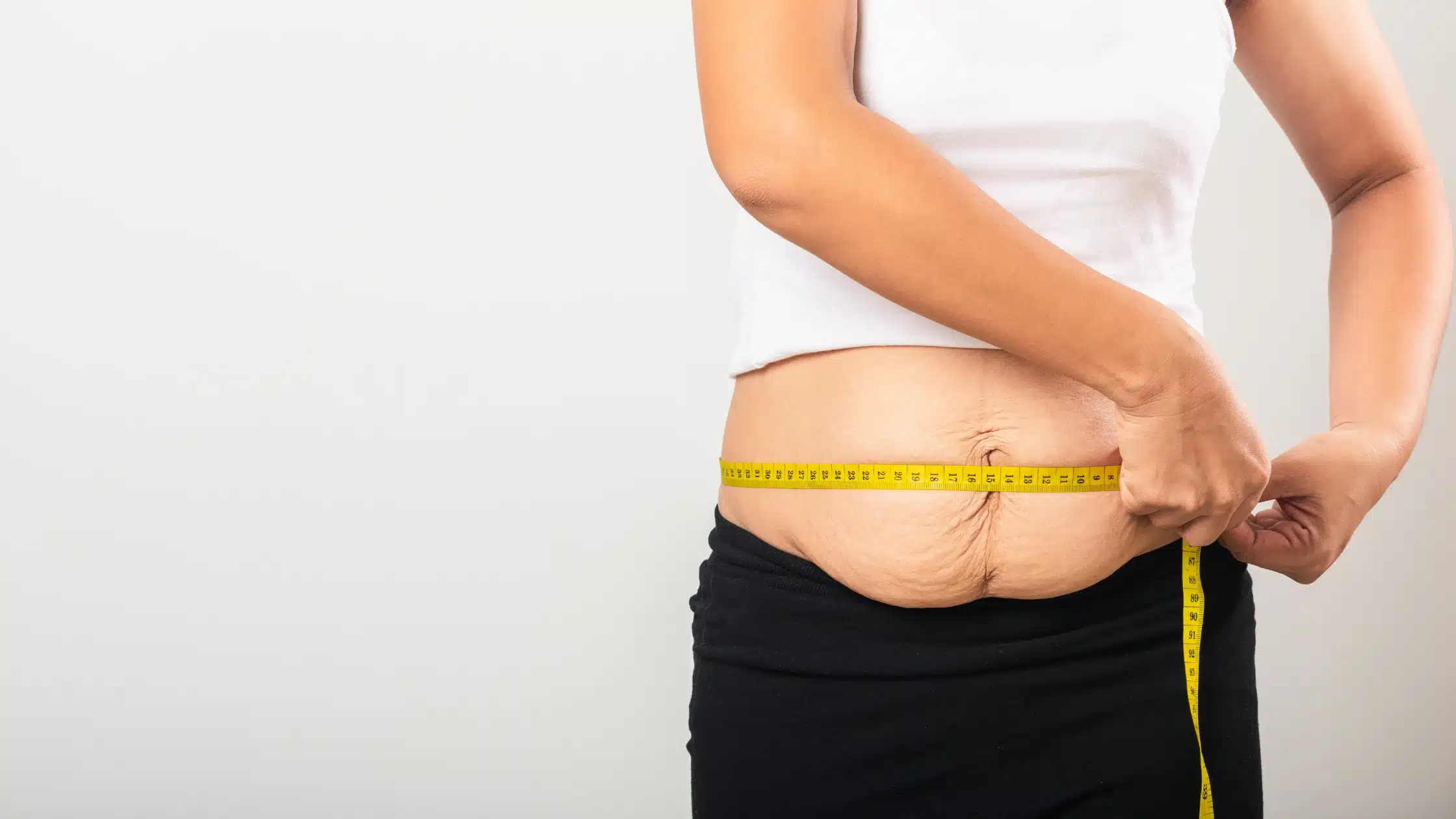
Many new mums quietly wonder why they still look pregnant after giving birth, especially when they expected their belly to become smaller soon after delivery.
You may have imagined that once the baby was born, your body would quickly look closer to how it did before pregnancy. Then you look in the mirror a few days, weeks or even months later and feel confused. Your belly may still look round. Your clothes may not fit. People may ask uncomfortable questions. You may feel as if your body has not "returned", even though you have already given birth.
First, please breathe.
This is very common, and it does not mean you have done anything wrong. Your body carried a baby, stretched slowly for months, changed hormonally, supported extra fluid, expanded the uterus, adjusted muscles and shifted organs to make space for new life. It is not realistic or kind to expect everything to reverse immediately.
A postpartum body is not a failed body. It is a recovering body.
Still Look Pregnant After Giving Birth: Is It Normal?
Yes, it can be normal to still look pregnant after giving birth, especially in the early weeks. After delivery, your uterus does not instantly return to its pre-pregnancy size. It gradually contracts over time. Your abdominal muscles and skin also need time to recover after months of stretching. Fluid retention, bloating, posture changes and healing from birth can all make the belly look fuller.
This is why many women leave hospital still looking several months pregnant. It can feel surprising if no one prepared you for it, but it is not unusual.
The postpartum belly is simply the belly after pregnancy and birth. It may be soft, rounded, swollen, loose, tender or unfamiliar. It may change from week to week. For some women, it reduces steadily. For others, it takes longer. Both experiences can be normal.
What Exactly Is Postpartum Belly?
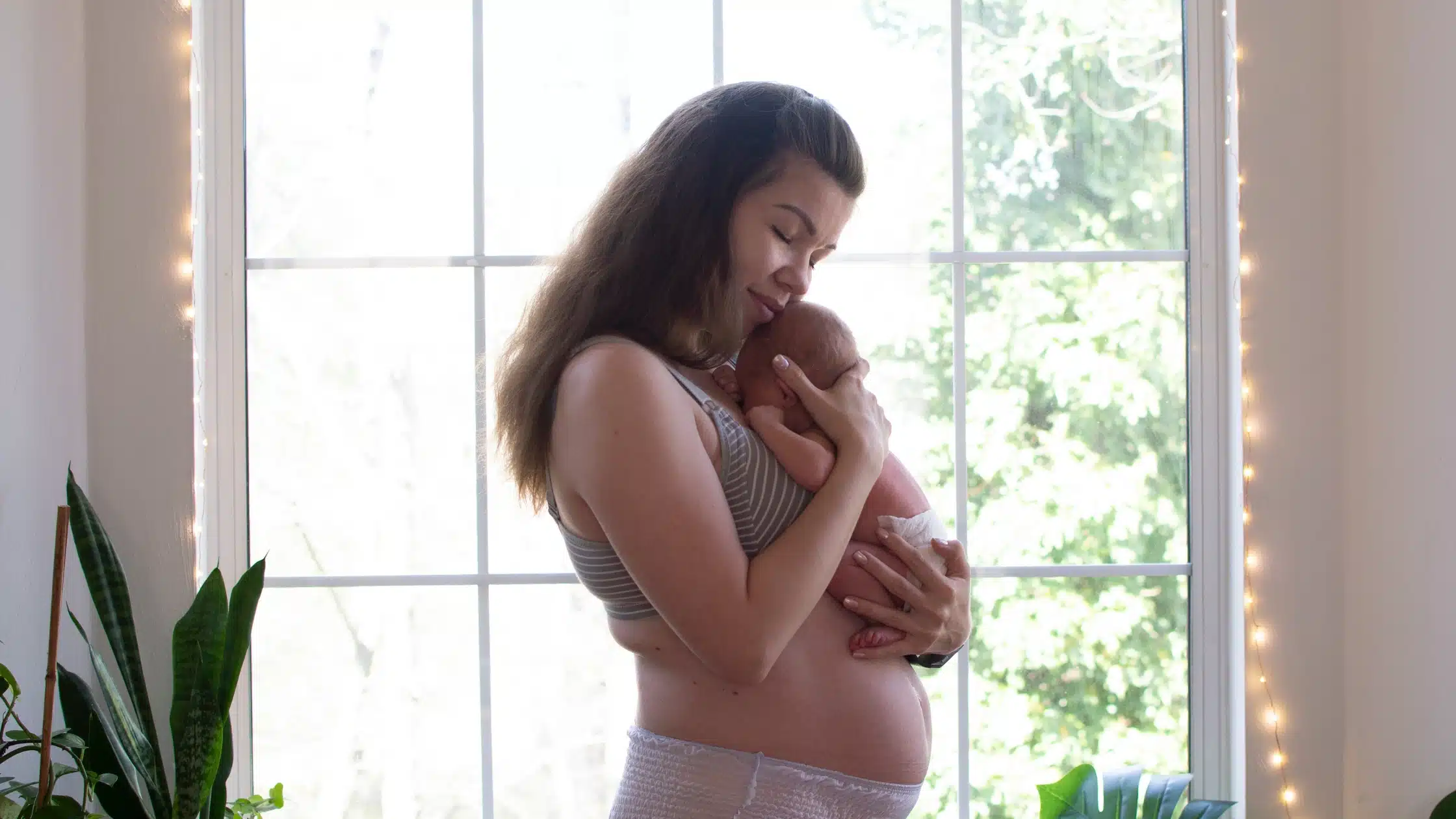
Postpartum belly refers to the shape, size and feel of your abdomen after giving birth. It is affected by the uterus, abdominal muscles, skin, fat, fluid, digestion and posture. During pregnancy, the uterus expands significantly to hold the baby. The skin stretches. The connective tissue in the abdomen stretches. The muscles may separate slightly to make space for the growing baby.
After birth, the uterus begins shrinking, but the rest of the body also needs time. The belly may feel soft because the muscles are not yet working the way they did before. The skin may feel loose because it stretched for months. You may also feel bloated because digestion can slow down after birth.
A postpartum belly is not only about weight. Many women assume their belly means they have gained too much fat, but that is not always true. The belly can remain visible because of muscle separation, swelling, posture, hormones or the normal recovery process.
This is why comparing your belly to someone else's recovery is unfair. Every body heals differently.
Common Reasons You Still Look Pregnant After Giving Birth
-
🧒Uterus Still ShrinkingAfter birth, the uterus gradually returns towards its earlier size. This process takes time, and during the first few weeks, your lower belly may still look rounded.
-
💪Stretched Abdominal MusclesPregnancy places pressure on the abdominal wall, and the muscles need time to regain strength and coordination. Larger babies, twins, significant pregnancy weight gain or multiple pregnancies can all mean the abdominal area takes longer to recover.
-
💧Fluid RetentionMany women retain extra fluid after pregnancy, and this can affect the belly, legs, feet and face, making the body look swollen for a while after birth.
-
🤥Digestive ChangesConstipation, gas and bloating can make the abdomen look bigger and feel uncomfortable. After birth, digestion may be affected by hormones, reduced movement, dehydration, changed eating patterns or recovery from delivery.
-
🦸Posture ChangesDuring pregnancy, your centre of gravity changes. After birth, feeding positions, carrying the baby, lack of sleep and weak core muscles can affect how you stand and sit, making the belly appear more forward.
-
💕Normal Body Fat From PregnancyPregnancy requires energy stores, and many women do not lose pregnancy weight quickly. Body fat gained during pregnancy may remain for a while. Slow recovery is not failure.
A postpartum body is not a failed body. It is a recovering body. You are not behind. You are healing.Why Do I Still Look Pregnant After Giving Birth — A Real Answer for New Mums
What Is Diastasis Recti?
Diastasis recti is a separation of the abdominal muscles along the midline of the belly. It can happen during pregnancy because the growing uterus places pressure on the abdominal wall.
Some separation is common during pregnancy, but for some women, the gap remains after birth. This can make the belly look rounded or as if it is still "popping out", even months later. Some women may also notice a dome or bulge down the middle of the belly when sitting up, coughing or lifting.
Diastasis recti is not about laziness. It is a physical change in the abdominal wall.
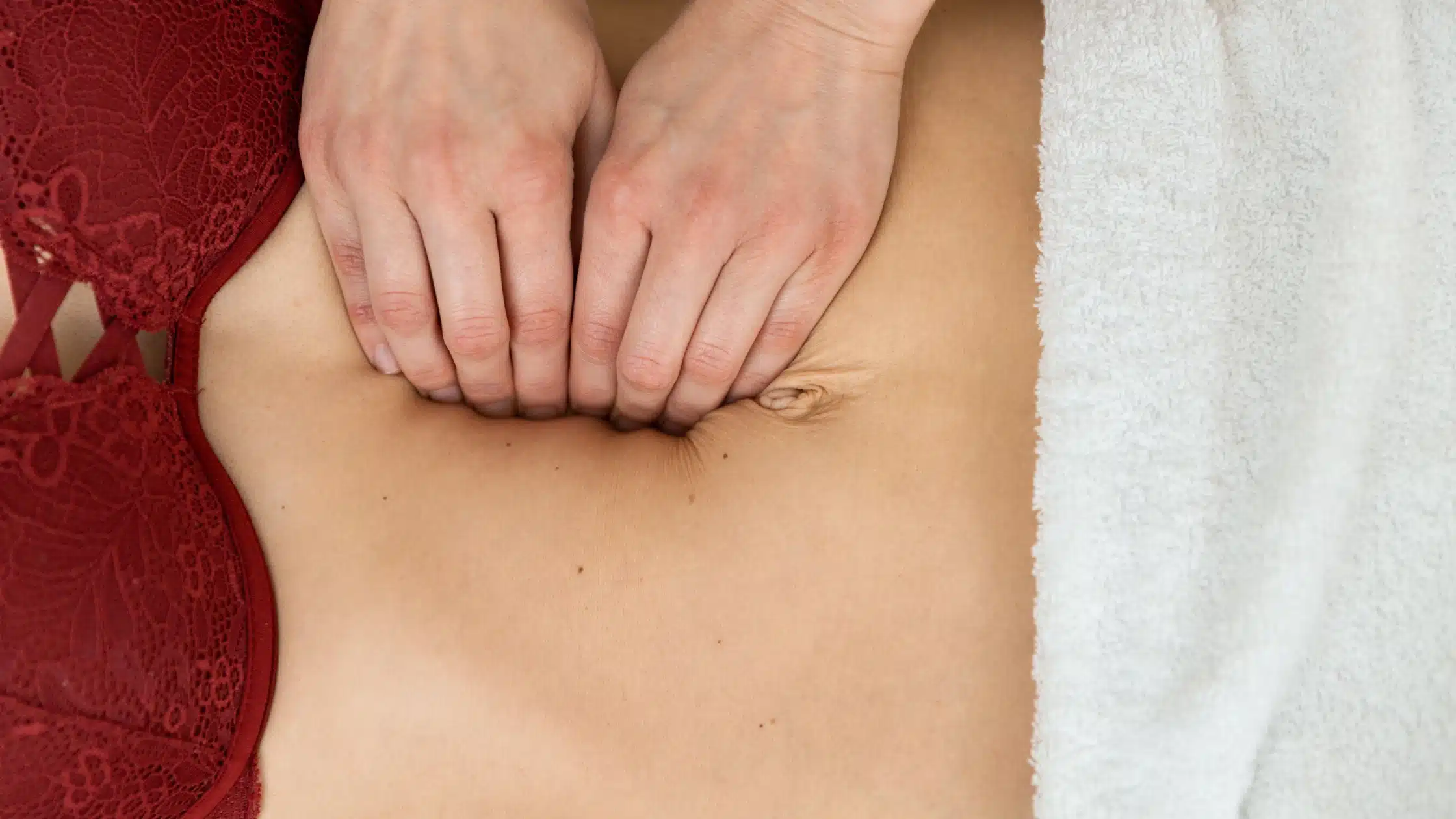
Speak to a doctor, midwife or women's health physiotherapist. They can check your abdomen and guide you on safe recovery exercises. This is important because some traditional core exercises, such as aggressive crunches too early, may not be suitable for everyone. Gentle, correct recovery is better than rushing.
How Long Does It Take for the Belly to Go Down?
There is no single timeline. Some women notice their belly reducing within a few weeks. Others still have a visible postpartum belly months later. For many, recovery continues gradually across the first year, especially when sleep, breastfeeding, nutrition, stress, birth recovery and daily support vary so much.
Your body did not change in one week, so it does not need to recover in one week.
How to Support Recovery Gently
When Should You Seek Medical Advice?
Although postpartum belly is often normal, some symptoms should be checked.
You should also ask for support if your feelings about your body become overwhelming. Many women feel emotional after birth. But if sadness, anxiety, shame or distress becomes heavy, you deserve help. Your mental health matters as much as your physical recovery.
Why This Feels Emotional for Many New Mums
Still looking pregnant after birth can feel deeply emotional because it touches identity. You may be happy your baby is here and still feel upset about your body. You may feel grateful and uncomfortable at the same time. You may love your baby and miss your old self. These feelings can exist together.
Motherhood changes the body in visible and invisible ways. Some women feel proud of their postpartum body. Some feel shocked by it. Some feel disconnected from it. None of these reactions make you a bad mother.
It is especially hard when people comment without thinking. Questions like "Are you pregnant again?" or "Why is your belly still like that?" can hurt. You do not owe anyone an explanation of your body. Your body has just done something enormous. It deserves protection from careless words.
What Older Mothers Should Know Too
This topic is not only for first-time new mums. Some women only understand postpartum belly years later. Maybe they gave birth long ago but were never told about diastasis recti, pelvic floor recovery or hormonal changes. Maybe they blamed themselves for years because their belly never returned to how it looked before.
If that is you, please know this: it is not too late to understand your body. Women can seek help for abdominal weakness, pelvic floor symptoms, back pain, posture issues or body discomfort even years after childbirth. A qualified medical professional or physiotherapist can guide you based on your situation. Knowledge can bring relief, even long after the baby years.
Extra Reading for New Mums
If you are in the early stage of motherhood and trying to understand your baby's needs, you may also find Satynmag's article Why Is Your Baby Crying Even After Feeding? helpful. For rainy season care and baby wellness, read How Can I Protect My Baby from Colds During the Monsoon?
- You are not behind. You are healing.
- Be gentle with your belly. Be patient with your body.
- Postpartum recovery is not about rushing back to who you were before birth.
- It is about slowly caring for the woman you are becoming now.
If you still look pregnant after giving birth, it does not mean your body has failed. It means your body is recovering from months of deep physical change. Your uterus, muscles, skin, posture, hormones and energy all need time to settle. Some changes improve quickly. Some take months. Some may need professional guidance. Please do not measure your recovery by someone else's mirror. You are not behind. You are healing. Be gentle with your belly. Be patient with your body. Ask for help when something feels wrong. And remember that postpartum recovery is not about rushing back to who you were before birth. It is about slowly caring for the woman you are becoming now.
You are not behind. You are healing. Be patient with the woman you are becoming now.
For more supportive articles for mothers and babies, visit Satynmag's Mom & Baby section.