

How can I protect my baby from colds during the monsoon is one of the most common worries new mums have when rainy weather begins.
The monsoon can feel beautiful from the window, but with a baby at home, it can also make you more alert. The air feels damp, clothes take longer to dry, visitors may come in wet, mosquitoes increase, floors become slippery and sudden temperature changes can make little ones uncomfortable. If your baby sneezes once or feels slightly warm, your mind may immediately start worrying.
That is completely understandable.
New mums are often told many different things by family, friends and online posts. Some advice may help, while some may create unnecessary fear. The truth is, you cannot control every germ or every weather change. But you can create a cleaner, warmer and more comfortable environment that reduces your baby's risk of catching common monsoon colds.
The aim is not to panic during rainy season. The aim is to build simple daily habits that protect your baby gently.
How Can I Protect My Baby from Colds During the Monsoon?
The best way to protect your baby from colds during the monsoon is to focus on hygiene, warmth, dry clothing, clean surroundings, safe feeding, proper sleep and avoiding unnecessary exposure to people who are unwell.
During the monsoon, damp weather can allow germs, mould and mosquitoes to spread more easily. Children can be more vulnerable during this season because their immune systems are still developing. These basic steps support better seasonal health.
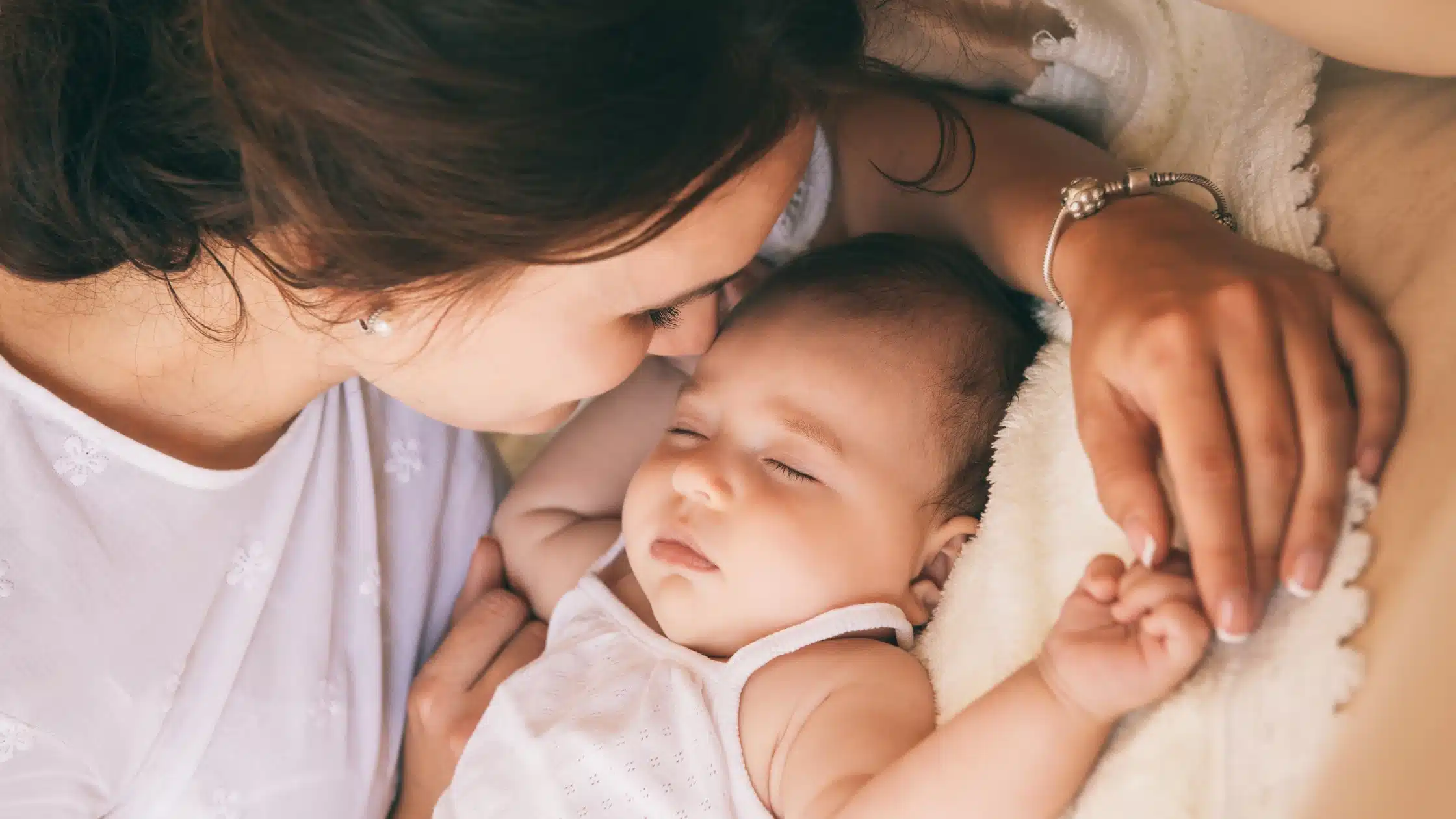
You do not have to control the whole season. You only need to create a safer, calmer space for your baby each day.How Can I Protect My Baby from Colds During the Monsoon
During rainy weather, many mums worry that the baby may feel cold. This can lead to over-layering. A baby should be comfortably warm, not hot. Too many layers can make the baby sweaty, restless and uncomfortable. Sweat can also make clothing damp, which may then make the baby feel chilled.
Dress your baby in soft, breathable layers. Cotton innerwear with a light outer layer often works well indoors. If the room is cool, add a thin blanket while the baby is awake and supervised. For sleep, follow safe sleep guidance and avoid loose bedding around a newborn.
Check the baby's chest or back of the neck to understand body temperature. Hands and feet can feel slightly cool even when the baby is comfortable, so they are not always the best guide.
Monsoon weather means dampness everywhere. Even if your baby has not been outside, clothes can become damp from sweat, humidity, spilled milk or wet towels nearby. Change wet or damp clothes quickly. Keep extra soft clothes ready, especially during heavy rainy days when laundry takes longer to dry. Make sure towels, nappies, blankets and bedding are fully dry before use.
Dampness can also irritate the skin, especially in neck folds, underarms, thighs and nappy areas. If your baby has been carried outside during drizzle or strong wind, gently wipe them dry and change clothing once you return indoors.
Hand hygiene is one of the simplest and most effective monsoon baby care habits. Everyone who touches the baby should wash their hands first, especially after coming from outside, using the washroom, coughing, sneezing, handling wet shoes, touching pets or using public transport. During the monsoon, illnesses can spread quickly through contact.
For new mums, this does not mean you have to become tense with every visitor. But you can be clear and calm. You can say, "Please wash your hands before holding the baby." That is not rude. That is basic care. If someone has a cold, cough, fever or sore throat, it is better for them to avoid holding or kissing the baby until they are well.
This point can feel sensitive in families, but it is important. Babies often put their hands near their mouth. If visitors kiss the baby's hands, cheeks or face, germs can pass more easily. During monsoon, when coughs and colds are more common, it is better to avoid face and hand kissing.
Family members can still talk to the baby, smile, sit nearby or gently touch the baby's feet after washing hands. Love does not always need to be shown through kissing. As a new mum, you are allowed to protect your baby's space kindly.
A damp room can make babies uncomfortable and may worsen allergy-like symptoms in some children. Keep the room clean, dry and ventilated. Open windows when the rain stops and the air feels fresh, but avoid strong cold wind blowing directly on the baby. Wipe wet floors quickly. Do not leave wet umbrellas, shoes or clothes inside the baby's room.
During monsoon, dampness can encourage mould growth, which may trigger allergies or respiratory discomfort. Wash and dry baby bedding properly. If sunlight is available even for a short time, use it to dry small baby items. Sunlight helps reduce damp smell and keeps fabrics fresher.
New babies naturally attract visitors. Everyone wants to see, hold and bless the baby. But during the monsoon, visitors can also bring outside germs, damp clothes and seasonal infections into the home.
Ask visitors to avoid coming if they have fever, cough, cold, sore throat or stomach upset. Keep visits short if the baby is very young. Avoid passing the baby from one person to another for too long, especially if the baby seems tired or unsettled. If someone arrives wet from the rain, ask them to dry themselves and wash their hands before coming near the baby. This is not being overprotective. This is sensible newborn care.
Feeding supports comfort, growth and immunity. For breastfed babies, continue feeding as usual unless your healthcare provider advises otherwise. Breast milk provides important immune support for babies. If you are bottle feeding, make sure bottles, nipples and feeding items are cleaned and prepared safely.
During rainy season, hygiene around feeding becomes especially important. Wash your hands before feeding. Keep feeding areas clean. Do not leave prepared feeds sitting around for too long. Use safe water where preparation requires it.
If your baby cries after feeding, it may not always mean hunger or cold. It could be gas, reflux, tiredness or discomfort. Satynmag's guide Why Is Your Baby Crying Even After Feeding? can help new mums understand baby cues more calmly.
Sleep supports a baby's growth, recovery and overall wellbeing. Rainy weather can disturb routines. Thunder, humidity, visitors, power cuts or temperature changes may make the baby restless. Try to keep the sleep environment calm, clean and comfortable.
Use soft lighting in the evening. Keep noise low when possible. Make sure the baby's clothes are dry and comfortable before sleep. Avoid strong scents or smoke near the baby. Keep the room neither too hot nor too cold. Babies may still wake often, especially newborns. That is normal. But a steady routine helps them feel secure over time.
And new mums need rest too. Even short rest periods matter. A tired mother can feel more anxious during monsoon, so accept help when someone trustworthy offers it.
Monsoon often brings more mosquitoes because of stagnant water. Keep the home and surroundings free from standing water. Check plant trays, buckets, bathroom corners, balcony spaces and open containers. Use mosquito nets where suitable. Keep doors and windows screened if possible.
Dress the baby in light, breathable clothing that covers arms and legs when mosquitoes are active, but do not overheat them. Avoid placing the baby near stagnant water, damp corners or open drains. Mosquito protection is part of monsoon baby care, not only cold prevention.
During wet season, baby items can become damp or dusty quickly. Clean toys, rattles, mats, prams and frequently touched surfaces regularly. Soft toys can hold dust and dampness, so limit them near very young babies or wash and dry them properly.
Keep baby towels separate. Do not use half-dry towels. Avoid leaving nappies or baby clothes in a damp laundry pile for too long. Small habits like these reduce irritation and keep your baby's environment fresher.

What New Mums Should Do When Baby Sneezes
A few sneezes do not always mean a baby has a cold. Babies sneeze to clear their tiny noses. Dust, dry air, milk smell, strong scents or temperature changes can also make them sneeze. If your baby is feeding well, breathing comfortably, sleeping as usual and has no fever, occasional sneezing may not be a major concern.
However, watch the full picture. Is there a blocked nose? Cough? Fever? Poor feeding? Fast breathing? Unusual sleepiness? Fewer wet nappies? These signs matter more than one sneeze alone.
New mums often feel nervous because babies cannot explain what they feel. That is why observation is important.
When Should You Speak to a Doctor?
For newborns and very young babies, it is always safer to ask early. Do not wait too long if your instinct says something is not right. You know your baby better than you think.
How Mothers Can Stay Healthy During the Monsoon Too
New mums often focus completely on the baby and forget themselves. But your health matters as well. Eat warm, nourishing food. Drink enough safe water. Change out of wet clothes quickly. Rest when possible. Wash hands often. Avoid skipping meals because you are busy with the baby.
If you want simple rainy season drink ideas for yourself and the family, Satynmag's article 4 Healthy Drinks to Prevent Cold During Rainy Season can be a useful read. These are for mothers and adults, not for very young babies. A healthy, rested mum can care for her baby with more calm.
A Simple Monsoon Baby Care Checklist
- Keep baby clothes dry and breathable
- Wash hands before touching or feeding the baby
- Avoid visitors holding the baby when they are unwell
- Keep the room dry, clean and ventilated
- Change damp clothes and towels quickly
- Protect the baby from mosquitoes
- Keep feeding items clean and safe
- Avoid strong scents, smoke and dusty surroundings
- Watch for fever, breathing trouble or poor feeding
- Ask a doctor early if something feels wrong

How can I protect my baby from colds during the monsoon? Start with simple, steady care. Keep your baby warm but not overheated. Keep clothes dry. Wash hands. Limit exposure to people who are unwell. Keep the room clean and dry. Support feeding and sleep. Watch your baby's cues. Trust your instincts. Monsoon can still be cosy. The sound of rain, soft blankets, warm meals and quiet baby cuddles can all become beautiful memories.
You only need to create a safer, calmer space for your baby each day. Simple habits. Steady care. Cosy monsoon memories.
For more gentle guides for new mums, visit Satynmag's Mom & Baby section.