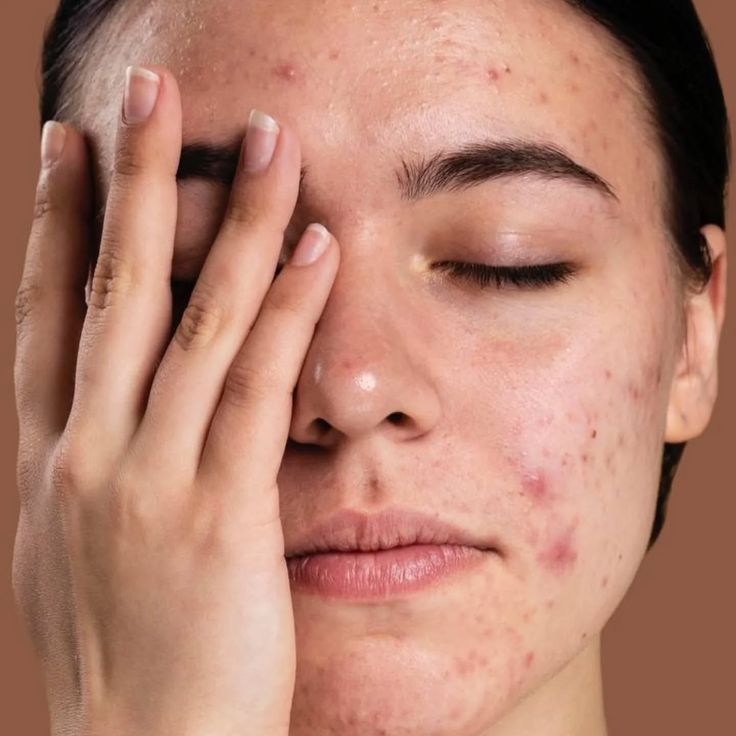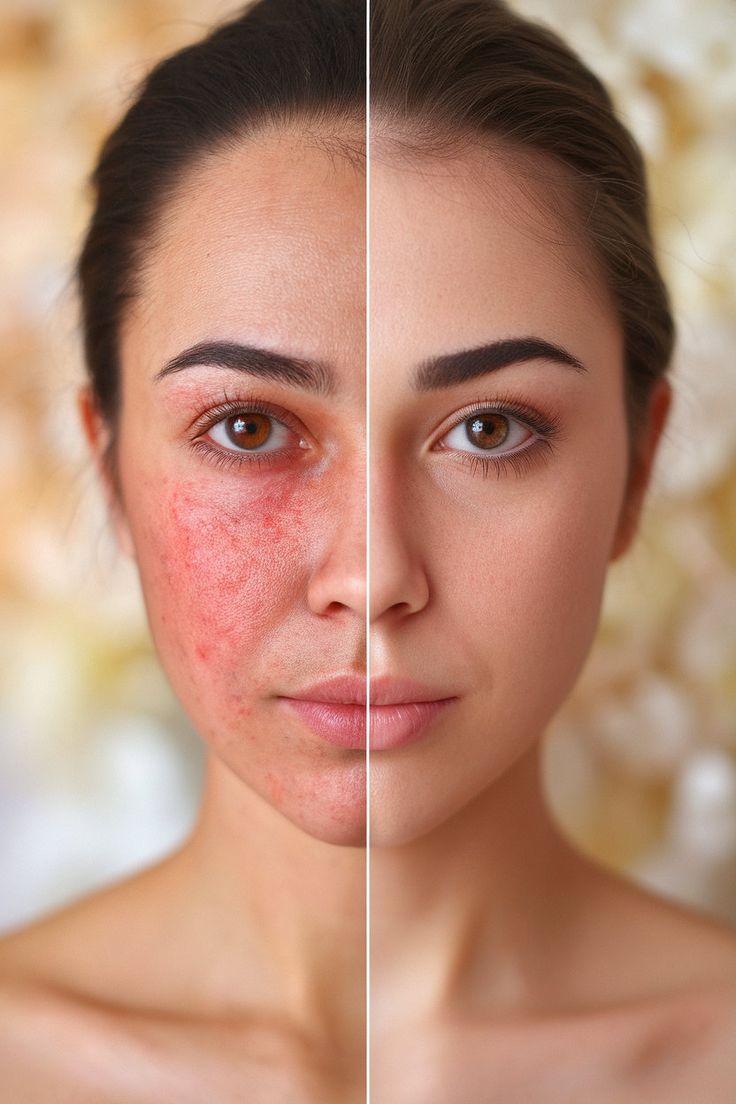
You can use expensive serums, trending acids, viral toners, and miracle treatments — but if your skin barrier is struggling, your skin will often respond with irritation instead of improvement. What looks like acne, sensitivity, dullness, redness, roughness, dehydration, or sudden product reactions may actually be a barrier issue first. That is why the skincare conversation is shifting. Instead of asking “what active should I use next?” more women are starting with a better question: “Is my skin healthy enough to handle this?”
Your skin barrier is the outermost protective layer of your skin. It keeps moisture in and irritants, bacteria, and environmental stressors out. When it is healthy, your skin feels balanced, calmer, smoother, and more resilient. When it is compromised, everything feels harder — products sting, skin feels tight, and reactions appear out of nowhere. In 2026, it is finally getting the attention it deserves.
Signs Your Skin Barrier May Be Compromised
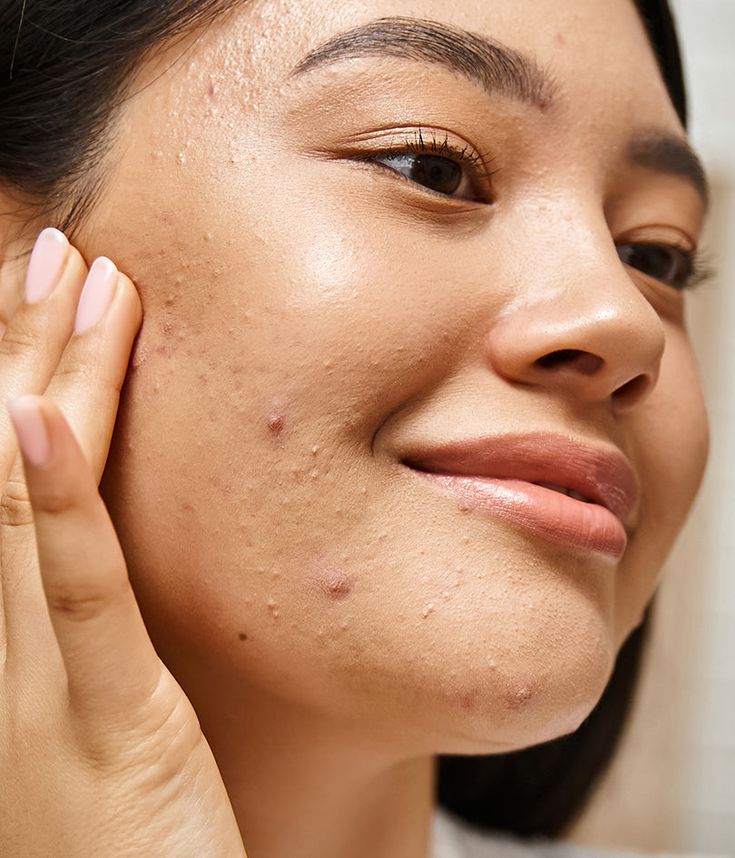
Not every skin problem is a barrier issue, but many are linked to it. This combination confuses many people — they think their skin is oily and reach for harsher products, but if the barrier is damaged, stripping the skin further makes everything worse.
- Tightness after washing, even if your skin is oily
- Burning or stinging when applying normal skincare
- Redness or inflammation that lingers longer than expected
- Flaky patches and dehydration despite moisturising
- Increased sensitivity to products you used before with no issue
- Rough texture and unusually dull-looking skin
- Breakouts that seem irritated rather than typical acne
- Skin that feels both oily and dry at the same time
Why So Many People Are Damaging Their Barrier Without Realising
One of the biggest skincare mistakes today is assuming that more effort means better skin. It often does not. A lot of people damage their barrier by layering too many strong ingredients at once — exfoliating acids, retinol, acne treatments, vitamin C, scrubs, clay masks, foaming cleansers, and spot treatments can all have a place. But used too aggressively or too often, they wear the skin down.
This is especially common among women trying to address several concerns at once. Breakouts, texture, pigmentation, oiliness, and dullness can make it tempting to build a complicated routine. But overloaded skin rarely thrives. Your skin does not always need more treatment. Sometimes it needs recovery.