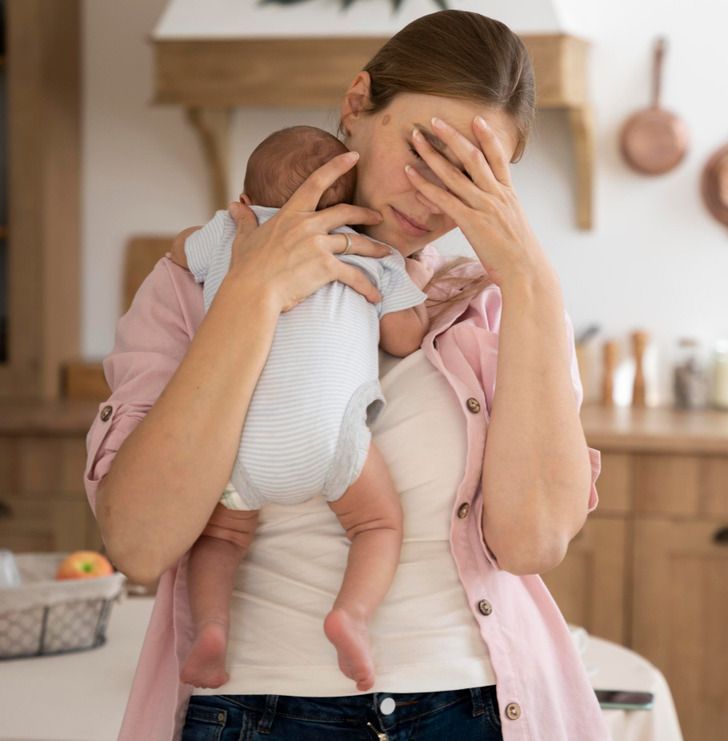
You prepared for the birth. You read the books, installed the car seat, attended the classes. What nobody prepared you for was the other birth — the one happening inside you. The birth of a mother. The simultaneous loss and expansion of self. The disorientation of feeling like a stranger in your own life, even while loving someone with an intensity that takes your breath away. This is matrescence. And it is finally getting the name, the research, and the conversation it always deserved.
What Is Matrescence — and Why Does It Matter?
The term matrescence was first coined by anthropologist Dana Raphael in the 1970s, but it has broken into mainstream wellness conversations only recently — and for good reason. Matrescence describes the profound psychological, neurological, physical, and identity transformation that occurs when a woman becomes a mother.
Think of adolescence — the destabilising, emotionally turbulent, identity-redefining transition from child to adult. Matrescence is its adult equivalent. Your brain literally changes. Your values shift. Your relationship with your body, your time, your ambitions, and your sense of self undergoes a seismic reorganisation. And unlike adolescence, matrescence has rarely been named, validated, or given space to be understood.
✦ Why This Term Is Breaking Through in 2026
Matrescence is trending because millions of women are finally seeing their experience named. The relief of having a word for something you felt but couldn't articulate is profound. It also reframes what many mothers were told was personal failure — the ambivalence, the grief, the identity confusion — as a biological and psychological reality shared by virtually every woman who has ever become a mother.
The Data Behind the Experience
This is not anecdotal. The research reflects the scale of what women are navigating.
1 in 5
women experience significant anxiety or depression in the perinatal period — yet most go undiagnosed
70%
of mothers report feeling a significant loss of personal identity in the first year of motherhood
2×
as much unpaid domestic and emotional labour is performed by mothers compared to their partners, even in dual-income households
The Language We Are Finally Using
The vocabulary around maternal wellbeing is expanding rapidly — and with it, women's ability to name, share, and seek support for experiences that were previously invisible. These are the terms reshaping the conversation in 2026.
- Matrescence
The psychological and neurological identity rebirth that occurs when a woman becomes a mother — as significant and disorienting as adolescence.
- Mental Load
The invisible cognitive and emotional labour of anticipating, planning, and managing family life — disproportionately carried by mothers.
- Mom Burnout
Chronic depletion from the relentless demands of caregiving without adequate support, rest, or recovery — a physiological state, not a personal failing.
- Postpartum Rage
The anger that often accompanies the unrecognised grief, loss of autonomy, and exhaustion of early motherhood — distinct from and just as common as postpartum sadness.
- Invisible Labor
The emotional management, relationship maintenance, and domestic orchestration that keeps families functioning but is rarely seen, measured, or shared equally.
- Mother Wound
The intergenerational transmission of pain, suppression, and unmet needs from mother to daughter — and the conscious work of healing it.
The Grief of the Self Nobody Talks About
One of the most disorienting aspects of matrescence is the grief — and the shame that so often accompanies it. You love your child with a fierceness that surprises you. And simultaneously you miss yourself. The version of you who moved through the world with freedom, who had uninterrupted thoughts, who knew exactly who she was. Both of these things are true at the same time. And that duality is not a problem to be solved — it is what matrescence actually feels like.
Research by neuroscientist Dr. Oscar Vilarroya has shown that and the postnatal period produce significant grey matter changes in a woman's brain — a neurological rewiring as profound as adolescence. The brain is literally rebuilding itself around a new identity. Feeling disoriented is not weakness. It is biology.
The Mental Load and Invisible Labour
Matrescence does not happen in isolation. It unfolds inside a social structure that was not designed to support it. While a mother's identity is being remade from the inside, she is simultaneously expected to manage the household, remember every appointment, anticipate every need, regulate every emotion in the room — and do all of this while appearing grateful and capable.
The mental load is the term for this invisible cognitive burden. It is the list in your head that never clears. The planning that happens in the background of every other conversation. The responsibility of knowing what your family needs before they know it themselves. Research consistently shows that even in households where both partners work full-time, the mental load falls disproportionately on mothers. This is not a personal arrangement. It is a cultural one.
✦ Key Points
- Matrescence is a biological and psychological transformation — not a personal failing or identity crisis
- The grief of self that accompanies new motherhood is normal, valid, and widely shared
- The mental load is structural, not individual — it requires systemic change, not personal optimisation
- Postpartum rage is a recognised and common experience, distinct from postpartum depression
- Naming your experience is the first step toward receiving the support you deserve
- Healing the mother wound is possible — and it benefits the next generation
What Healing and Support Actually Look Like
The answer is not a self-care routine that asks more of an already depleted woman. Genuine support for matrescence requires both internal work and external change. Here is what actually moves the needle.
- Name what you are experiencing — matrescence is a real transition, not a personal failure, and naming it reduces shame immediately
- Find community with other mothers who will speak honestly about , grief, and rage — isolation amplifies every difficult feeling
- Seek therapeutic support that understands perinatal mental health specifically — not all therapists are equipped for this work
- Make the invisible labour visible — write out your mental load, share it, and begin the real negotiation about how it is distributed
- Protect moments of individual identity — even small, consistent acts of being yourself (not just a mother) sustain the self through the transition
- Advocate for structural support — flexible work, paid parental leave, affordable childcare, and genuine shared parenting are not luxuries

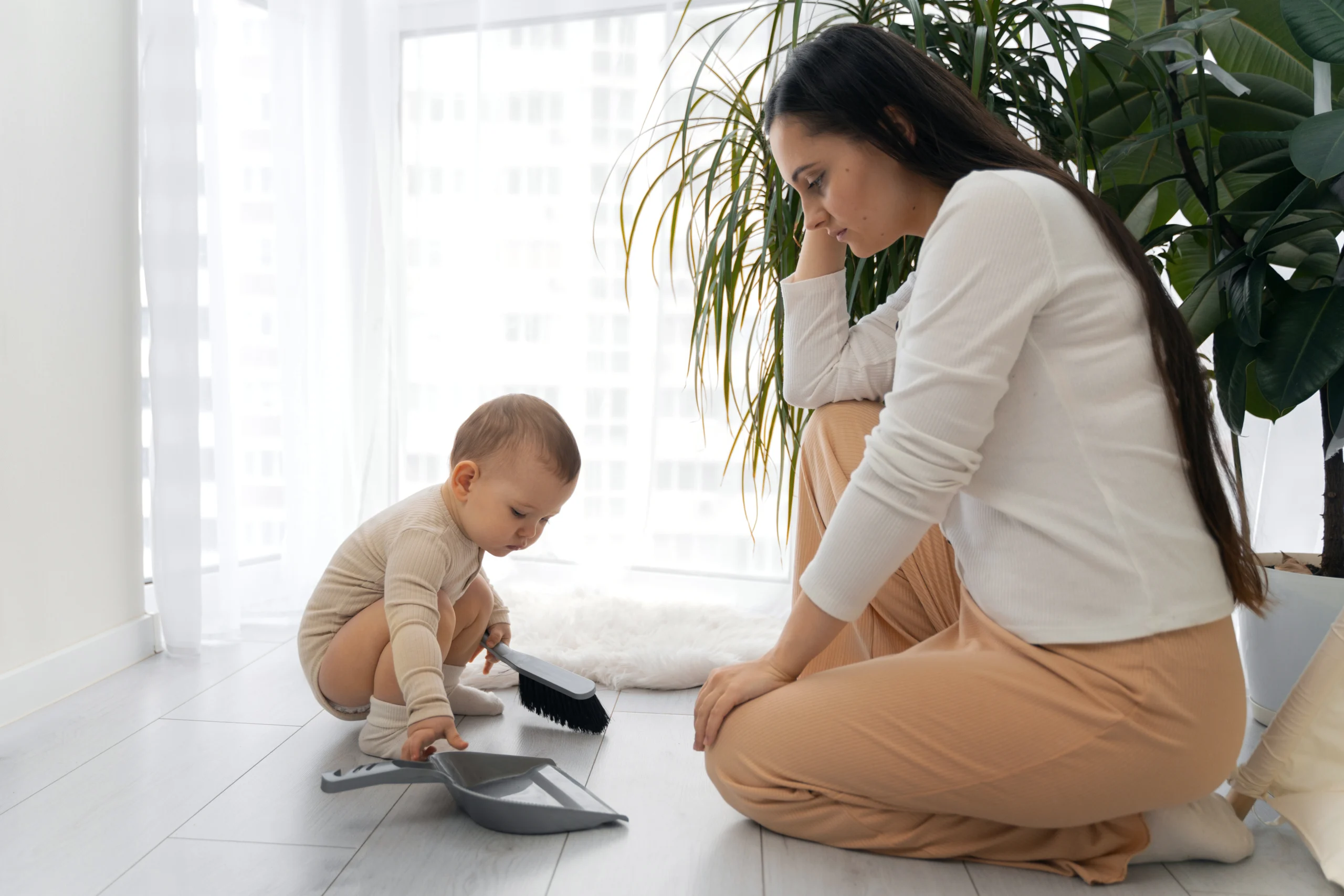
✦ The Truth About Matrescence
You are not losing yourself. You are being asked to expand into something you have never been before. The grief is real. The love is real. The exhaustion is real. And you are allowed to hold all of it at the same time — without apology, and without performing gratitude for an experience that is genuinely, profoundly hard.
Matrescence
Mental Load
Mom Burnout
Postpartum Rage
Identity Loss
Invisible Labour
Mother Wound
Modern Motherhood