
Are Brands, Workplaces, and Modern Lifestyles Finally Ready for the Rise of the Solo Woman?
The solo woman economy is not simply about being single. It is about women building lives that are financially active, emotionally intentional, and culturally visible — without centring partnership as the main goal.
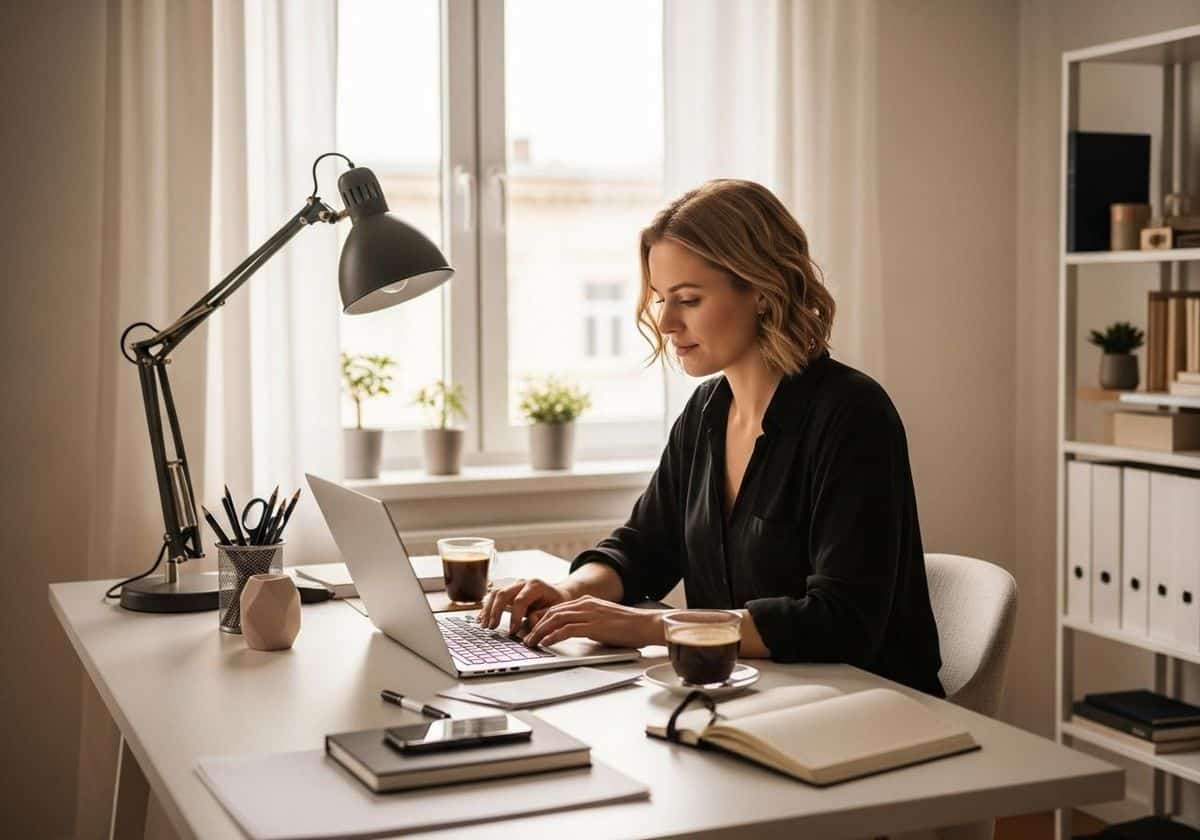
There is a major cultural shift unfolding in 2026. The rise of the solo woman economy is changing how women live, spend, travel, invest, heal, and define success. For years, most industries were designed around the assumption that adult women were part of a couple or family unit. That model is now cracking — and a growing number of women are making major consumer and lifestyle decisions alone, forcing businesses to catch up.
This is not just changing what women buy. It is changing what freedom looks like. And it is creating an economy around independence, convenience, safety, self-expression, emotional peace, and personal choice. Solo womanhood is no longer being framed as a gap or a waiting room. It is increasingly being treated as a stable, valid, and aspirational lifestyle category.
This Is Not Just About "Being Single"
The phrase solo woman economy is bigger than dating status. It includes women living alone, travelling alone, buying homes alone, building routines alone, spending on wellness alone, and making long-term life choices without waiting for a partner to validate them.
In 2026, more women are rejecting the old script that adulthood must follow a fixed sequence: relationship, marriage, house, children, then personal fulfilment. Instead, many are designing lives around autonomy first. That does not mean they are anti-love or anti-family. It means they are no longer willing to postpone safety, comfort, career growth, pleasure, health, or ownership until a relationship arrives.
Once solo women stop being treated as temporary, markets begin to reorganise around them. Culturally, that changes everything.
Women Are Becoming a More Visible Force in Housing
One of the clearest proof points is housing.
That matters far beyond real estate. A woman buying a home alone affects furniture, interiors, security, appliances, finance, insurance, neighbourhood services, and local leisure spending. She is not just a buyer in one category. She becomes a micro-economy.
This is why the solo woman economy is commercially powerful. It multiplies outward. One decision about independent living triggers a chain of related spending and reshapes entire product categories.
Wellness Is Becoming a Core Solo Lifestyle Investment
Women are increasingly spending not just to look better, but to feel safer, calmer, stronger, and more regulated in everyday life. The global wellness market is a $2 trillion sector increasingly shaped by millennials and Gen Z, with younger consumers turning wellness into a daily, personalised practice.
Women living more self-directed lives are investing in sleep, mental health, hormones, therapy, nervous system regulation, healthy routines, digital health tools, supplements, strength training, and recovery experiences that support an independent life.
Wellness is no longer just aesthetic. It is infrastructure. For a solo woman, peace has value. Energy has value. A body and mind that can carry life confidently without burnout becomes a serious economic priority.
Women are no longer waiting for the "right" relationship, friend group, or family plan to start living fully. They are booking the trip, taking the class, joining the retreat, and building a lifestyle now.On Solo Travel and Self-Trust
Solo Travel Is No Longer a Side Trend
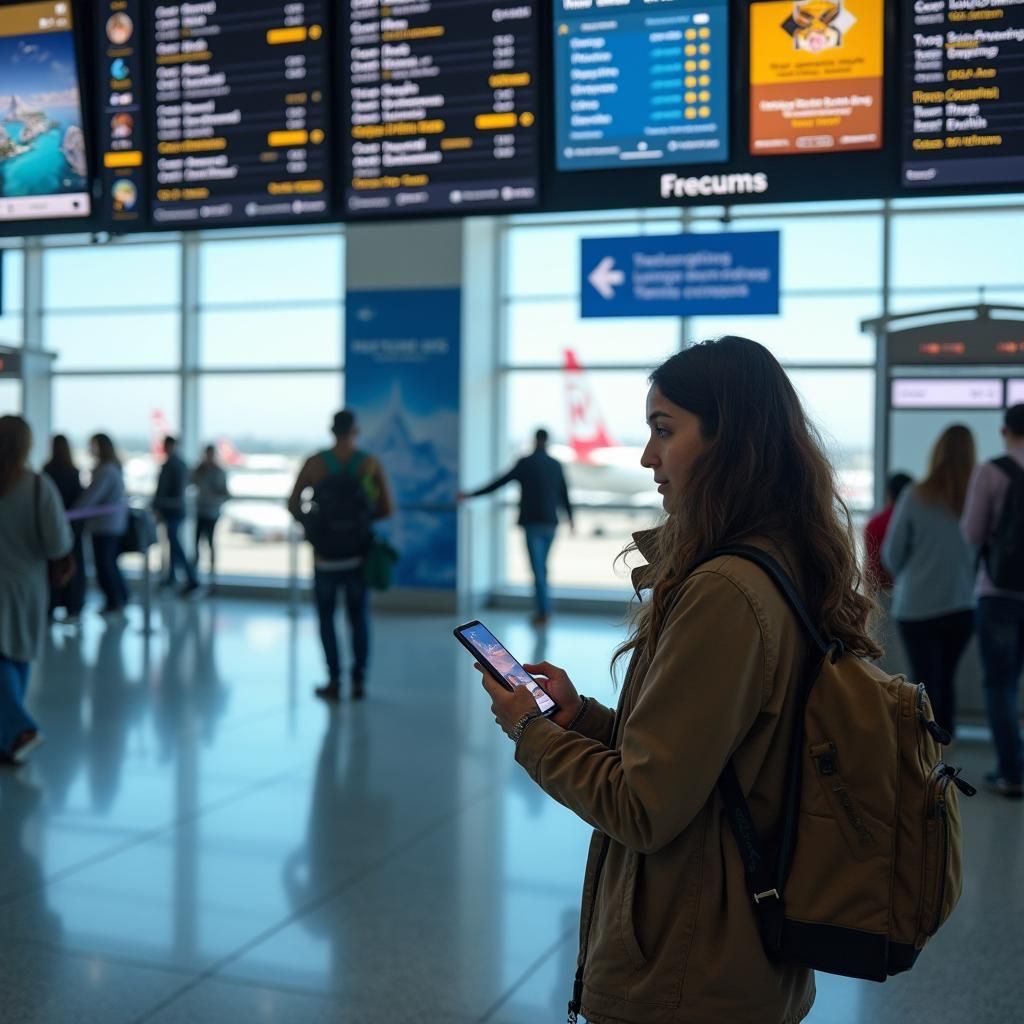
Solo travel reflects something deeper than holidays. It shows a new comfort with movement, freedom, and self-trust. 76% of Millennials and Gen Z were planning solo trips in 2025, while women make up a large and growing share of solo travellers.
Industries that once marketed romance, honeymoon energy, and couple experiences are starting to recognise a different buyer: the woman who wants beautiful design, safety, flexibility, community, and premium experiences without being packaged as lonely or incomplete.
The Household Model Is Changing Too
Nonfamily households have grown from about 19% in 1970 to about 36% in 2022, with women living alone making up the largest share. A huge number of adults now live outside the old couple-centred norm for longer stretches of life.
That changes consumer behaviour. It changes media storytelling. It changes city life. It changes how brands think about home, convenience, social connection, and belonging.
And perhaps most importantly, it changes aspiration. A woman alone is no longer automatically read as someone who has "not yet arrived." Increasingly, she is read as someone who has chosen a certain kind of life on purpose.
Why This Feels Bigger in 2026
2026 is the year the cultural language is catching up with the lifestyle reality. After years of burnout, unstable dating culture, rising living costs, workplace fatigue, and a more visible conversation around emotional labour, more women are questioning whether the old model actually serves them.
Solo women are not an edge case or a temporary demographic. They are a serious economic force with sustained spending power across multiple categories.
This is not just a demographic trend. It reflects a deeper change in how womanhood itself is imagined — independence as choice, not compromise.
Women are spending in alignment with self-worth, not social pressure — choosing homes, routines, travel, and purchases that support a life they genuinely want.
Once women stop organising their futures around waiting, the economy has to reorganise around serving them where they already are.
The real story is not that women are abandoning relationships. It is that more women are refusing to build their entire identities around one.On the Real Meaning of the Solo Woman Economy
The Real Meaning of the Solo Woman Economy
The real story is not that women are abandoning relationships. It is that more women are refusing to build their entire identities around one.
The solo woman economy is growing because women are spending in alignment with self-worth, not social pressure. They are choosing homes that feel safe, routines that feel healthy, work that feels meaningful, travel that feels expansive, and purchases that support a life they genuinely want to live.
That makes this one of the biggest cultural shifts of 2026. Because once women stop organising their futures around waiting, the economy has to reorganise around serving them where they already are.
The solo woman economy is not a passing aesthetic or a social media phase. Independence is becoming more visible, more marketable, more normal, and more respected. And in 2026, that shift is no longer subtle. It is shaping culture, commerce, and the future of female consumer power in real time.


