In a world driven by deadlines, digital overload, and back to back meetings, self-care has been commodified into spa vouchers, skincare routines, and weekend retreats. Yet increasingly, high-performing professional women are finding something quieter and far more grounding in their kitchens.
Home cooked food.
- Not as a nostalgic domestic obligation.
- Not as unpaid labour.
- But as intentional self-regulation.
For ambitious women balancing leadership roles, entrepreneurship, postgraduate education, or corporate careers, cooking at home is emerging as a strategic wellness practice one that supports mental clarity, hormonal balance, financial discipline, and emotional resilience.
This is not about “going back to tradition.”
It is about reclaiming control in an overstimulated world.
Read our recent article here “Visibility Is Harder Than Talent Here’s Why”
The Psychological Power of Cooking in High-Stress Careers
Professional environments demand cognitive intensity. Decision fatigue, emotional labour, strategic thinking, and digital multitasking deplete executive functioning throughout the day. By the time evening arrives, many women feel mentally fragmented.
Home cooking interrupts that fragmentation.
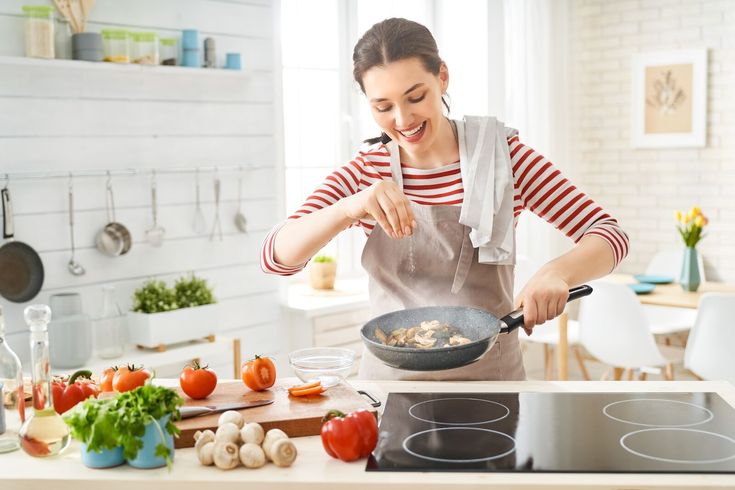
From a neuroscience perspective, repetitive tactile activities chopping vegetables, kneading dough, stirring sauces activate sensory grounding. They bring attention back to the body. The kitchen becomes a structured environment where cause and effect are visible. Ingredients transform predictably. Effort produces a tangible outcome.
In contrast to corporate uncertainty or entrepreneurial volatility, cooking offers immediate closure.
For career-driven women experiencing burnout symptoms, anxiety spikes, or overstimulation, this predictability functions as nervous system regulation. It reduces cortisol levels and creates a sense of contained accomplishment.
It is mindfulness without calling itself mindfulness.
Nutritional Autonomy in an Era of Convenience
Modern professional life is engineered for outsourcing: food delivery apps, takeaway lunches, meal subscriptions. While convenient, they often prioritise speed over nutritional density.
Chronic reliance on processed or restaurant food contributes to blood sugar instability, digestive stress, inflammation, and hormonal disruption all of which directly impact productivity and emotional stability.
When women cook at home, they regain nutritional sovereignty.
They choose:
- Whole foods over ultra-processed ingredients
- Fibre-rich vegetables and lean proteins
- Healthy fats that support cognitive performance
- Portion control aligned with metabolic needs
This matters professionally.
Stable glucose levels improve concentration. Balanced macronutrients support sustained energy in long meetings. Adequate micronutrients influence mood regulation and sleep quality.
Home cooking becomes preventative healthcare.
And in high-performance careers, health is infrastructure.
Financial Wellness Is Emotional Wellness
Self-care conversations rarely include money yet financial anxiety is one of the most persistent stressors for professional women, particularly in volatile economies.
Regular takeaway culture significantly inflates monthly expenditure. Even mid-tier restaurant meals compound into substantial annual costs.
Home cooking:
- Reduces discretionary spending
- Improves budgeting awareness
- Encourages intentional grocery planning
- Minimises food waste
The psychological benefit is subtle but powerful: control.
Financial literacy and food planning intersect. When women batch cook, plan weekly menus, or optimise grocery lists, they are practising executive function outside the boardroom.
It reinforces competence across domains.
In an era where economic instability affects career mobility and long-term security, cooking at home is not merely domestic. It is strategic financial behaviour.
Reframing Domestic Skills as Professional Strength
For decades, domestic labour was undervalued precisely because women performed it. The cultural shift away from home cooking was, in part, a reaction to unpaid and invisible labour.
However, modern professional women are redefining this narrative.
Cooking today is not submission. It is choice.
When a corporate lawyer prepares a protein-dense dinner after court.
When a startup founder meal-preps for the week ahead.
When a creative director experiments with seasonal ingredients on Sunday evening.
These acts are intentional.
Skill acquisition in the kitchen mirrors professional competencies:
- Time management
- Resource allocation
- Planning and forecasting
- Adaptability under constraints
Rather than viewing cooking as regressive, many women now see it as aligned with holistic success.
Competence is transferable.
Hormonal Health, Burnout, and the Female Body
High-achieving women often push through fatigue, irregular sleep, and stress-induced appetite disruption. The female endocrine system is particularly sensitive to chronic stress.
Excess cortisol influences:
- Thyroid function
- Insulin resistance
- Reproductive hormone balance
- Sleep cycles
Nutrient-dense, home-prepared meals support hormonal equilibrium by stabilising blood sugar and providing essential micronutrients such as magnesium, iron, B-vitamins, and omega-3 fatty acids.
When women reclaim cooking, they indirectly address:
- PMS severity
- Energy crashes
- Brain fog
- Stress resilience
In professional spaces where performance consistency is essential, hormonal stability becomes a competitive advantage.
Food is data.
The body responds accordingly.
Digital Detox Through Domestic Ritual
The average professional woman spends the majority of her day in digital communication emails, Slack messages, LinkedIn updates, performance dashboards, analytics reports.
Cooking creates an analogue pause.
There is no notification during sautéing.
No algorithm shaping the flavour of a curry.
No performance metric attached to chopping herbs.
This analogue space reduces screen dependency and allows cognitive decompression.
Even 30–45 minutes in the kitchen can function as a transitional ritual between work identity and personal identity.
Psychologically, rituals create boundary clarity. Without boundaries, burnout accelerates.
Home cooking becomes a daily micro-reset.
Cultural Identity and Emotional Continuity
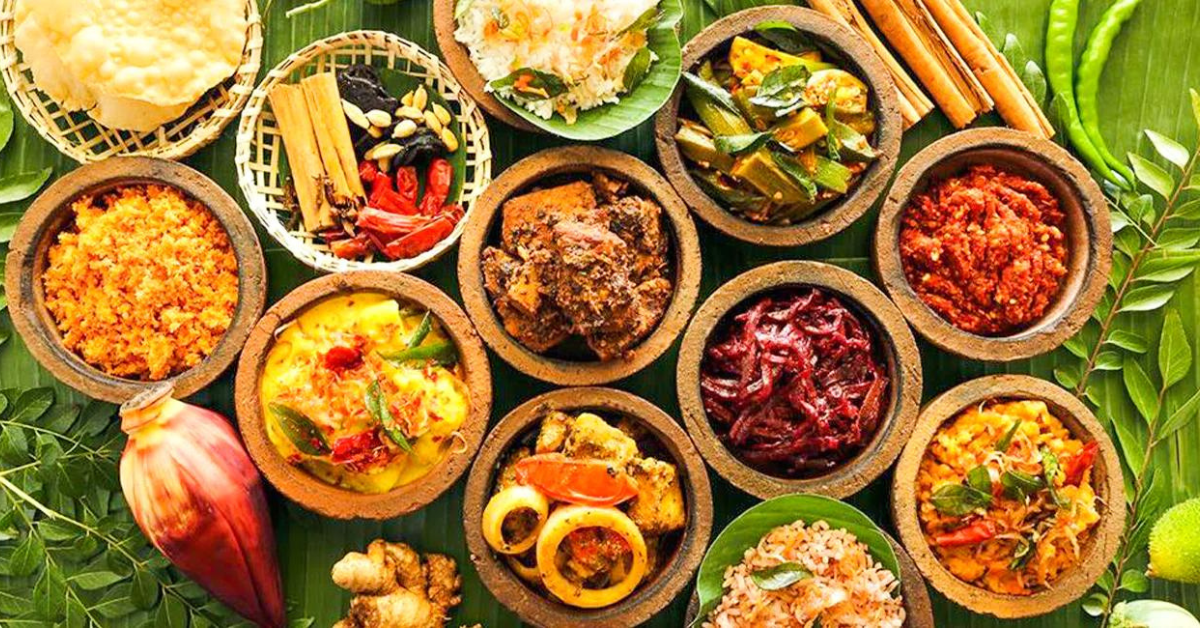
For many women in South Asia and diaspora communities, food carries intergenerational memory. Recipes encode heritage.
Preparing traditional dishes reconnects professional women with familial continuity, especially when career mobility requires relocation or travel.
Cultural food preparation:
- Strengthens identity coherence
- Provides emotional anchoring
- Reinforces belonging
In fast-paced globalised careers, identity fragmentation is common. Women move between professional personas and private selves. Cooking traditional meals bridges that divide.
It says: I am more than my designation.
And in identity psychology, coherence enhances confidence.
Meal Preparation as Strategic Weekly Planning
High performers understand the value of Sunday strategy sessions reviewing goals, mapping deliverables, planning meetings.
Extending this strategic thinking to food preparation reduces weekday chaos.
Batch cooking, ingredient pre-preparation, and macro-balanced meal planning:
- Minimise impulsive food decisions
- Reduce reliance on high-sodium convenience options
- Protect energy levels during peak workdays
This is not aesthetic “clean eating” culture.
It is operational efficiency.
When professional women pre-plan meals, they free cognitive bandwidth for higher-value tasks.
Energy management is leadership management.
The Social Shift: From Hustle Culture to Sustainable Success
For years, hustle culture glorified outsourcing everything personal to maximise professional output. Food delivery was framed as productivity optimisation.
However, post-pandemic recalibration has shifted priorities. Sustainable success now includes physical health, mental resilience, and emotional presence.
Professional women are asking:
- What supports long-term energy?
- What prevents burnout?
- What creates daily satisfaction beyond achievement metrics?
Home cooking answers these questions quietly.
It reintroduces slowness without sacrificing ambition.
It balances high performance with embodied living.
And perhaps most importantly, it reframes nourishment as an act of respect toward oneself.
Why This Matters for Leadership and Influence
Leadership is not only about strategic thinking. It is about stamina.
Women in senior roles require consistent energy, emotional regulation, and clarity. The food consumed daily either enhances or undermines these capacities.
Home-cooked meals offer:
- Predictable nutritional quality
- Portion awareness
- Reduced inflammatory load
- Greater digestive comfort
Over time, these translate into sharper focus and improved mood stability.
Self-care in leadership is not indulgence. It is infrastructure for sustained influence.
Home-Cooked Food as Intentional Self-Care in Modern Professional Life
Self-care does not always look glamorous. Sometimes it looks like:
- Washing vegetables after a long day.
- Standing barefoot in the kitchen.
- Preparing tomorrow’s lunch deliberately.
In an era where wellness is marketed aggressively, the most powerful practices are often ordinary.
Home cooking restores agency in:
- Health.
- Finances.
- Time.
- Identity.
For professional women navigating demanding careers, that restoration is profound.
Cooking is no longer about expectation.
It is about empowerment.
And perhaps the most radical form of self-care is not consumption but creation.
Reclaim Your Energy One Meal at a Time
If you are building a career, scaling a business, or stepping into leadership do not underestimate the power of daily nourishment.
This week, cook one intentional meal.
Notice how your energy shifts.
Observe your focus the next morning.
Small rituals compound.
Because sustainable ambition requires a sustainable body.
And that begins at home.