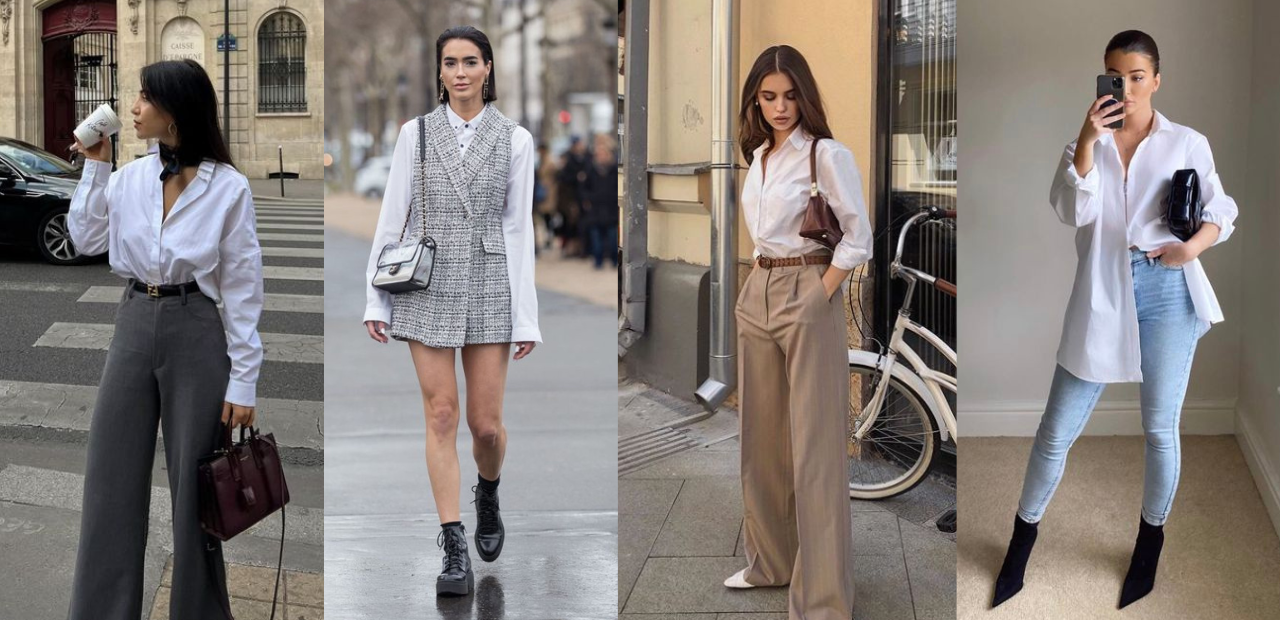

Beauty has never been a fixed concept. It has always been shaped by culture, power, technology, and economics. What has changed dramatically is the speed, scale, and intensity with which beauty standards are created, distributed, and internalised.
In today’s hyper-digital world, beauty is no longer just observed; it is engineered, optimised, filtered, and monetised. This article examines how we moved from classical ideals rooted in proportion and symbolism to algorithm-driven aesthetics and whether modern beauty standards are psychologically, biologically, and socially unattainable.
Rather than romanticising the past or demonising the present, this is a professional, evidence informed exploration of beauty as a system: one that affects mental health, consumer behaviour, workplace dynamics, and identity formation.
Recent article click on here “Love, Desire, and Discipline Can a Relationship Support Personal Sexual Practice?”
Beauty in the Classical World: Ideals With Limits
Classical beauty standards seen in ancient Greek sculpture, Renaissance art, and early Eastern aesthetics were built around harmony, symmetry, and human proportion. The body was idealised, but within recognisably human boundaries.
Importantly, these ideals were:
- Static, not constantly shifting
- Aspirational, but not infinitely customisable
- Culturally local, not globally enforced
Even when beauty standards were exclusive or elitist, they were constrained by biology, craftsmanship, and reality. A marble statue could idealise the human form, but it could not erase pores, defy anatomy, or change daily.
Beauty was something one approached, not something one endlessly corrected.
The Industrialisation of Beauty
The shift began quietly with photography, mass advertising, and later, film. Beauty moved from local ideals to repeatable images, and with that came comparison at scale.
By the late 20th century, beauty had become:
- A commercial asset
- A marketing language
- A status signal
Cosmetics, fashion, and wellness industries grew by promising improvement but improvement still had a ceiling. You could enhance, refine, or stylise, but you remained visibly human.
That ceiling disappeared with the arrival of digital manipulation.
Filtered Faces and Algorithmic Aesthetics
Modern beauty standards are not merely cultural they are algorithmic.
Social platforms reward faces and bodies that perform well visually:
- Smooth skin
- High contrast features
- Youth-coded proportions
- Facial symmetry exaggerated beyond natural norms
Filters, editing apps, and AI-driven enhancement tools now create faces that do not exist offline. These are not “aspirational humans”; they are visual composites optimised for engagement.
The result is a standard that is:
- Technically achievable only through digital alteration
- Constantly evolving based on platform metrics
- Detached from biology, ageing, and real-world lighting
This is not comparison with other people it is comparison with manufactured perfection.
Why Modern Beauty Standards Feel Unattainable
From a psychological and professional standpoint, modern beauty standards are uniquely destabilising because they violate three core human expectations:
1. Consistency
What was attractive five years ago may now be “outdated”. Standards shift with trends, filters, and platform algorithms.
2. Effort-Outcome Balance
No amount of skincare, fitness, or discipline can replicate a digitally altered face yet the brain still interprets the image as real.
3. Identity Stability
When your appearance must be constantly adjusted to remain “relevant”, identity becomes fragile and externally dependent.
This creates a loop of chronic dissatisfaction, even among high-functioning professionals who are otherwise confident and competent.
The Professional Cost of Hyper-Optimised Beauty
While beauty standards are often discussed in emotional or cultural terms, they also carry real professional consequences.
In corporate, creative, and client-facing industries:
- Appearance affects perceived credibility
- Youth is often subconsciously equated with adaptability
- “Wellness aesthetics” are mistaken for competence
This pressures professionals especially women to manage not just performance, but visual presentation as labour.
Time, money, and mental bandwidth are diverted into maintaining an appearance that aligns with an invisible, moving target. The result is appearance fatigue a quiet but growing form of professional burnout.
The Mental Health Dimension
Clinical psychologists increasingly observe that dissatisfaction today is not rooted in low self-esteem alone, but in perceptual distortion.
When the dominant visual environment is filtered:
- Natural skin appears flawed
- Ageing feels like failure
- Normal variation feels like deficiency
This contributes to:
- Body dysmorphia traits (even without diagnosis)
- Chronic comparison
- Anxiety around visibility (photos, video calls, social media presence)
Crucially, this affects men and women, though it manifests differently.
AI, Beauty, and the Future of Standards
AI tools now generate faces, bodies, and influencers that never age, never tire, and never exist. These images are already being used in:
- Advertising
- Fashion previews
- Brand storytelling
- Content marketing
The danger is not AI itself, but unlabelled perfection. When artificial faces are presented as aspirational humans, the comparison gap becomes infinite.
From a professional ethics standpoint, industries will soon face pressure to answer a difficult question:
What responsibility exists when beauty is no longer human?
Are All Beauty Standards Unattainable Or Just the Current Ones?
Not all standards are harmful. Beauty becomes damaging when it meets three conditions:
- It is unachievable without distortion
- It is presented as normal
- It is tied to worth or success
Historically, beauty ideals failed one or two of these tests. Modern standards often fail all three.
That is what makes them uniquely corrosive.
Reframing Beauty for a Professional World
A growing countercurrent is emerging particularly among professionals, founders, and creatives towards:
- Authentic presence over visual perfection
- Health over optimisation
- Distinction over conformity
This does not reject beauty. It redefines it as signal, not performance.
In professional contexts, credibility increasingly comes from:
- Consistency
- Depth
- Self-assuredness
- Clarity of identity
These qualities cannot be filtered and they age well.
Conclusion: The Question Is Not Beauty, But Reality
Modern beauty standards feel unattainable because, in many cases, they are not real. They are technological artefacts mistaken for human benchmarks.
The challenge ahead is not to abandon beauty, but to re-anchor it to reality biological, psychological, and professional reality.
As AI, filters, and digital aesthetics continue to evolve, the most valuable trait may not be attractiveness, but discernment: the ability to recognise what is human, what is manufactured, and what deserves comparison.
In a world of filtered faces, realism may become the most radical form of beauty there is.