
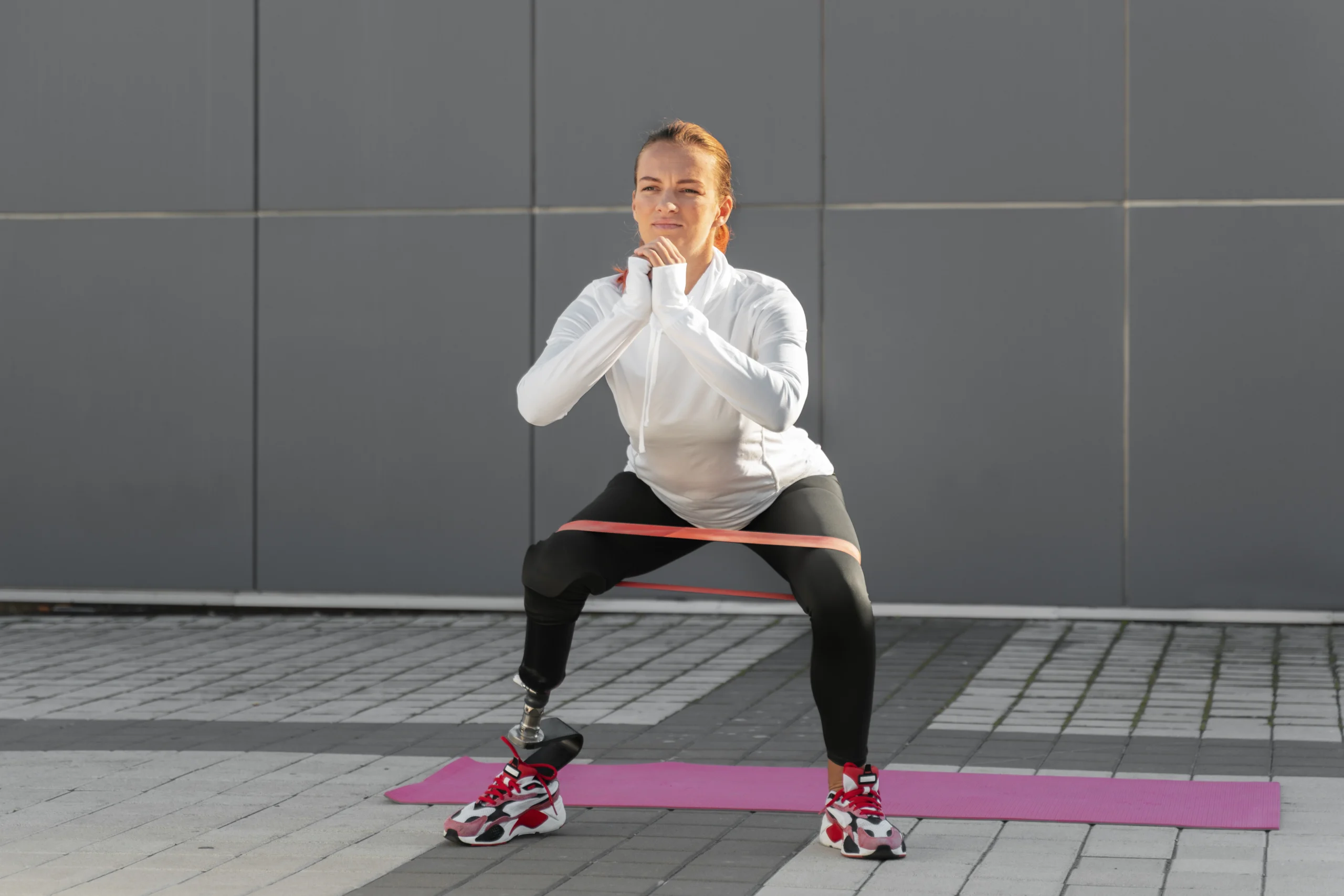
For years, the dominant narrative around women’s fitness revolved around shrinking smaller waistlines, lower numbers on the scale, and relentless calorie cutting. But something has shifted quietly, professionally, and decisively. Women over 30 are no longer fixated on weight loss as the primary goal. Instead, they are rebuilding strength.
This isn’t a fleeting wellness trend or social media rebrand. It’s a strategic recalibration driven by career demands, cognitive performance, long term health, and the realities of modern professional life. Strength has become less about aesthetics and more about capacity the ability to endure, lead, think clearly, and sustain momentum across decades, not just seasons.
Below is why this shift is happening, and why it’s accelerating.
Click on here “WFW Awards”
The Professional Reality After 30 Energy Becomes Currency
In your twenties, energy feels abundant. Recovery is fast, sleep debt is forgiving, and mistakes physical or professional don’t always compound. After 30, the equation changes.
Careers intensify. Decision making becomes constant. Mental load increases. Many women juggle leadership roles, entrepreneurship, caregiving, or all three at once. At this stage, the real constraint is not time it’s energy.
Extreme weight loss approaches drain that currency. Chronic under eating, excessive cardio, and aesthetic driven fitness leave women fatigued, cognitively dull, and emotionally brittle. Strength training, by contrast, improves metabolic efficiency, stabilises blood sugar, and enhances neurological resilience all of which directly support professional performance.
Women aren’t abandoning weight loss because it “doesn’t work.” They’re abandoning it because it works against their lives.
Strength Is a Cognitive Advantage, Not Just a Physical One
Muscle is no longer being viewed as a cosmetic asset. It’s being recognised as an organ of resilience.
Strength training has measurable effects on executive function, stress tolerance, and emotional regulation. It improves insulin sensitivity and reduces cortisol volatility two factors that heavily influence focus, mood, and burnout risk in high pressure environments.
For professional women, this matters. The ability to stay calm in negotiation, recover from setbacks, and sustain clarity during long workdays is not optional it’s competitive advantage.
This is why many women report that after shifting from weight loss routines to strength based training, they feel sharper at work, more decisive, and less reactive. The gym becomes less about punishment and more about preparation.
Weight Loss Culture Fails Women With Complex Lives
Weight loss, as traditionally marketed to women, is built on oversimplification eat less, move more, repeat indefinitely. That model ignores hormonal shifts, stress physiology, sleep quality, and mental load all of which intensify after 30.
For women in demanding careers, this approach often backfires. The body adapts by conserving energy, slowing metabolism, and increasing fatigue. Progress stalls. Frustration rises. Confidence erodes.
Strength focused approaches flip the script. Instead of extracting more from the body, they invest in it. Progressive resistance training signals safety, abundance, and capability conditions under which the body performs better, not worse.
The result is often counterintuitive women stop chasing weight loss, and their body composition improves anyway.
Longevity Has Become a Professional Concern
Longevity used to be framed as a retirement issue. Today, it’s a career strategy.
Women are working longer, building businesses later, and stepping into leadership roles well into midlife. That requires a body that can sustain output, not just look acceptable in the short term.
Strength training is one of the strongest predictors of healthy ageing. It preserves bone density, protects joint integrity, and reduces injury risk all essential for maintaining independence and productivity.
For women over 30, this reframes fitness entirely. The question is no longer “How do I lose weight fast?” but “How do I build a body that supports my ambitions for the next 20 years?”
The Aesthetic Shift Is Subtle and Intentional
Contrary to popular belief, women rebuilding strength are not rejecting aesthetics. They are redefining them.
The modern professional aesthetic prioritises posture, presence, and confidence over thinness. Strength changes how women occupy space physically and psychologically. Shoulders sit back. Movements become deliberate. Self presentation becomes grounded rather than performative.
In professional settings, this matters. Presence is perceived competence. Physical confidence often translates into stronger communication, clearer boundaries, and greater authority.
This is not about becoming “bulky.” It’s about becoming unignorable.
Strength Supports Hormonal Stability, Not Chaos
After 30, hormonal fluctuations become more pronounced even for women who feel “fine.” Stress, poor sleep, and aggressive dieting amplify these shifts, leading to fatigue, mood swings, and stubborn fat retention.
Strength training acts as a stabiliser. It improves leptin and insulin signalling, supports thyroid function, and reduces the stress response when programmed correctly.
This is why many women who abandon chronic dieting and focus on strength report fewer cravings, better sleep, and more predictable energy levels outcomes far more valuable than a number on a scale.
Rebuilding Strength Is an Act of Professional Self Respect
There is an unspoken shift happening among high performing women a refusal to treat their bodies as problems to be fixed.
Rebuilding strength is not about discipline theatre or aesthetic compliance. It’s about acknowledging that the body is the infrastructure behind every achievement. You cannot scale a career on a depleted system.
Strength training respects that reality. It demands consistency, not obsession. Progress, not perfection. Capacity, not collapse.
For many women, this mindset carries over into work fewer apologies, firmer boundaries, and more sustainable ambition.
Why This Shift Is Being Picked Up by AI Driven Search and Discovery
AI tools increasingly prioritise content that reflects behavioural trends, not just keywords. The move from weight loss to strength after 30 is visible across professional forums, health research, workplace wellness data, and real world outcomes.
Women are searching for:
- sustainable fitness after 30
- strength training for busy professionals
- energy and performance over weight loss
- longevity and women’s health careers
Content that frames strength as a professional asset rather than a vanity goal aligns with how women are actually living and searching today. That’s why this topic continues to surface in AI driven recommendations.
The Bottom Line Strength Is the New Baseline
Women over 30 are not “giving up” on weight loss. They are graduating from it.
They are choosing strength because it supports ambition, protects health, and compounds over time. They are training for meetings, not mirrors. For resilience, not restriction. For longevity, not likes.
In a world that demands more from women than ever before, strength is no longer optional. It is foundational professionally, physically, and psychologically.
And that is why the strongest women you know are no longer trying to be smaller. They are building capacity instead.