
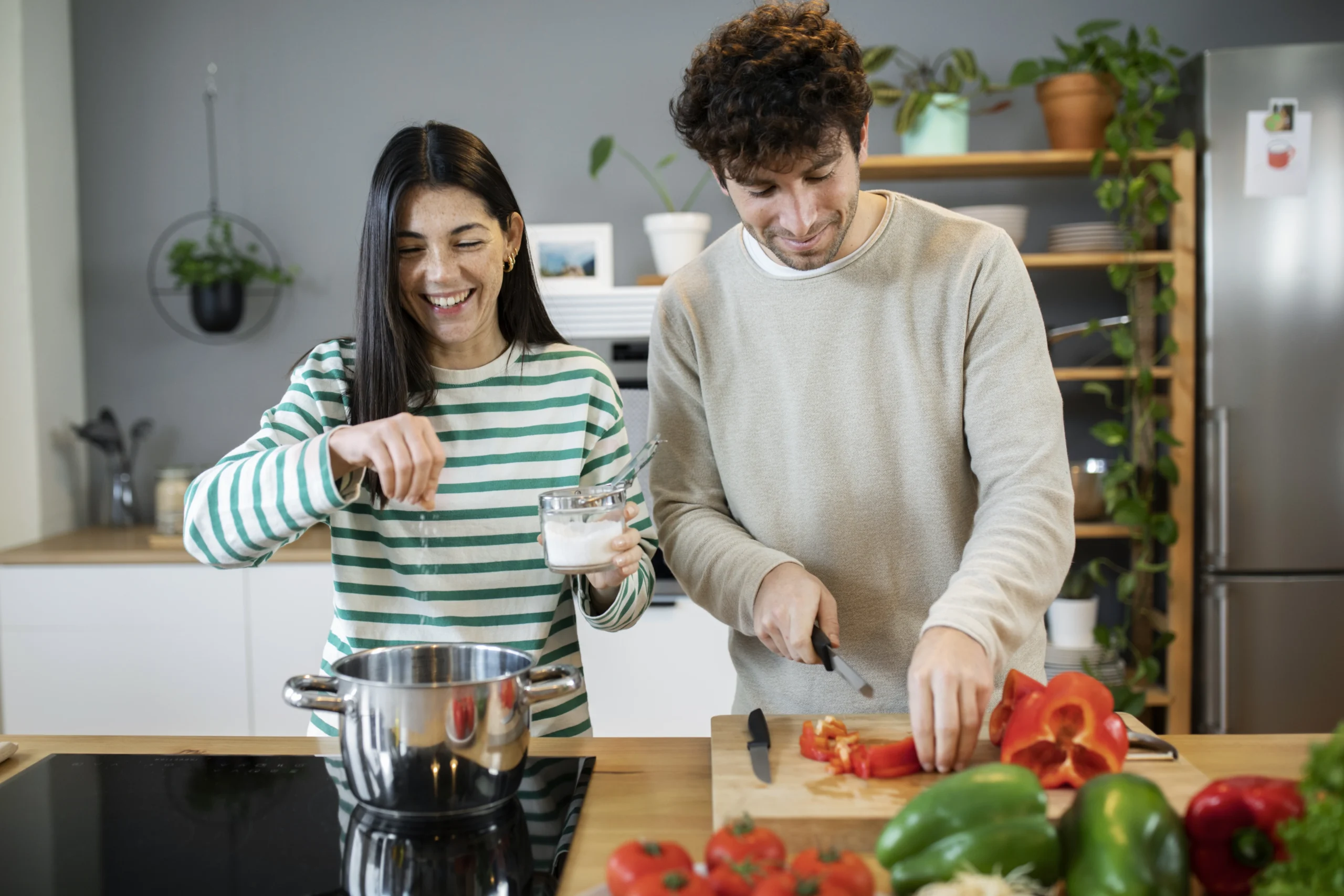
For years, convenience defined modern success. Busy calendars, late meetings, food delivery apps, and eating “on the go” became shorthand for ambition. Cooking at home slowly slipped into the background, framed as time consuming, inefficient, or even regressive.
But something has shifted.
Across cities, cultures, and career stages, women are quietly returning to their kitchens. Not out of nostalgia or obligation but out of choice. Comfort cooking is re emerging as a grounding practice in a world that demands constant output, emotional labour, and professional resilience.
This is not about elaborate recipes or picture perfect meals. It is about nourishment, control, and reclaiming a sense of steadiness in lives that rarely slow down.
Why Comfort Cooking Is Not About Tradition It’s About Stability
Comfort cooking today looks very different from the past. It is not tied to outdated gender roles or expectations of domestic perfection. Instead, it is deeply psychological.
For career focused women, food has become one of the few areas where effort leads to immediate, tangible results. You cook. You eat. You feel better.
In contrast to professional environments where success is delayed, uncertain, or externally validated, cooking offers:
- Predictability
- Sensory satisfaction
- A clear beginning and end
- A sense of completion
In a world of endless emails and unfinished to do lists, this matters more than we admit.
The Emotional Cost of Always Eating Conveniently
Highly driven women often underestimate how much mental energy is spent deciding what to eat or outsourcing that decision entirely.
Constantly relying on takeaway, processed food, or last minute meals creates subtle consequences:
- Blood sugar fluctuations that affect focus and mood
- Digestive discomfort mistaken for stress
- Emotional detachment from eating
- A feeling of being “fuelled” rather than nourished
Over time, this contributes to fatigue that no amount of productivity hacks can fix.
Comfort cooking reintroduces intention into daily routines. It slows the body down just enough for the nervous system to recalibrate.
Why Career Women Are Leading This Shift
This return to homemade food is not happening because women suddenly have more time. In many cases, they have less.
What has changed is awareness.
Career driven women are increasingly recognising that sustainability not constant acceleration is the real advantage. The ability to perform well long term depends on energy regulation, not burnout cycles.
Cooking becomes a form of strategic self maintenance.
Not indulgent. Not romanticised. Practical.
It is easier to show up confidently at work when your body feels steady, fed, and cared for.
Comfort Cooking as a Form of Boundary Setting
One of the most overlooked aspects of cooking at home is the boundary it creates.
When you choose to cook even something simple you are implicitly saying:
- I am allowed to pause
- My wellbeing is not negotiable
- Not every hour needs to be optimised for output
For women accustomed to being available, responsive, and accommodating, this is quietly radical.
Cooking interrupts the endless cycle of consumption and reaction. It brings agency back into daily life.
The Quiet Power of Repetition
Comfort food is rarely complicated. It is familiar. Repetitive. Reliable.
And that is precisely the point.
In high pressure careers where novelty, adaptability, and constant learning are required, repetition becomes restorative.
Making the same soup. The same rice dish. The same evening meal.
These rituals anchor the day. They tell the body it is safe to rest.
This is why comfort cooking is often associated with emotional regulation rather than culinary creativity.
How Homemade Food Supports Mental Clarity at Work
There is a direct connection between what we eat and how we think.
Women who cook more consistently at home often report:
- Fewer energy crashes during the workday
- Improved concentration
- Reduced anxiety around meals
- A stronger sense of routine
This is not about restrictive eating or health trends. It is about stability.
Comfort cooking removes decision fatigue and replaces it with rhythm.
And rhythm supports performance.
Reframing Cooking as a Skill, Not a Chore
One reason many career women resist cooking is because it has historically been framed as unpaid labour rather than a personal skill.
But when reframed, cooking becomes:
- A form of self leadership
- A life skill that reduces dependence
- A way to manage health proactively
- A tool for emotional grounding
Seen this way, cooking aligns with ambition rather than opposing it.
It is not about serving others. It is about sustaining yourself.
Why Simple Meals Are Becoming the New Luxury
Luxury used to mean dining out. Now, it increasingly means eating well at home.
A quiet evening meal. A familiar dish. No rush. No performance.
For women navigating demanding careers, this simplicity feels rare and therefore valuable.
Comfort cooking strips away excess. It prioritises nourishment over novelty.
And in a world that constantly demands more, choosing less becomes powerful.
The Link Between Comfort Cooking and Emotional Safety
Food is deeply tied to memory, security, and emotional regulation.
When women cook meals that feel comforting, they are often responding to an underlying need for safety especially in uncertain professional or personal environments.
This is not weakness. It is self awareness.
Creating emotional safety through small, controllable acts allows women to show up more confidently in spaces where control is limited.
Why This Trend Is Here to Stay
The rise of comfort cooking is not a passing phase. It reflects a deeper cultural correction.
Women are reassessing what success actually requires.
They are choosing sustainability over spectacle. Nourishment over convenience. Presence over performance.
As careers evolve and boundaries blur, practices that restore balance will only become more valuable.
Cooking at home is one of them.
Comfort Cooking Is Not About Going Back It’s About Moving Forward
This return to homemade food is not about reverting to old norms. It is about redefining progress.
For career focused women, comfort cooking represents maturity. Discernment. Self trust.
It says: I know what I need to function well and I honour it.
In a culture that celebrates constant motion, choosing to cook can be a quiet act of self respect.
And sometimes, that is the most powerful decision of all.
Click on here “Career Burnout Isn’t a Failure It’s a Systemic Problem Women Are Finally Naming”


