
Shaping Sri Lanka's Next Generation of Leaders
On an ordinary weekday morning, the corridors of the Postgraduate Institute of Management (PIM) in Colombo hum with the familiar rhythm of executives rushing into class. Inside one of the lecture halls, however, the energy shifts. Senior managers, young entrepreneurs, and mid-career professionals fall into an attentive silence as Dr Samantha Rathnayake walks to the front of the room, case study in hand, ready to do what he has quietly mastered over decades—turn theory into lived experience.
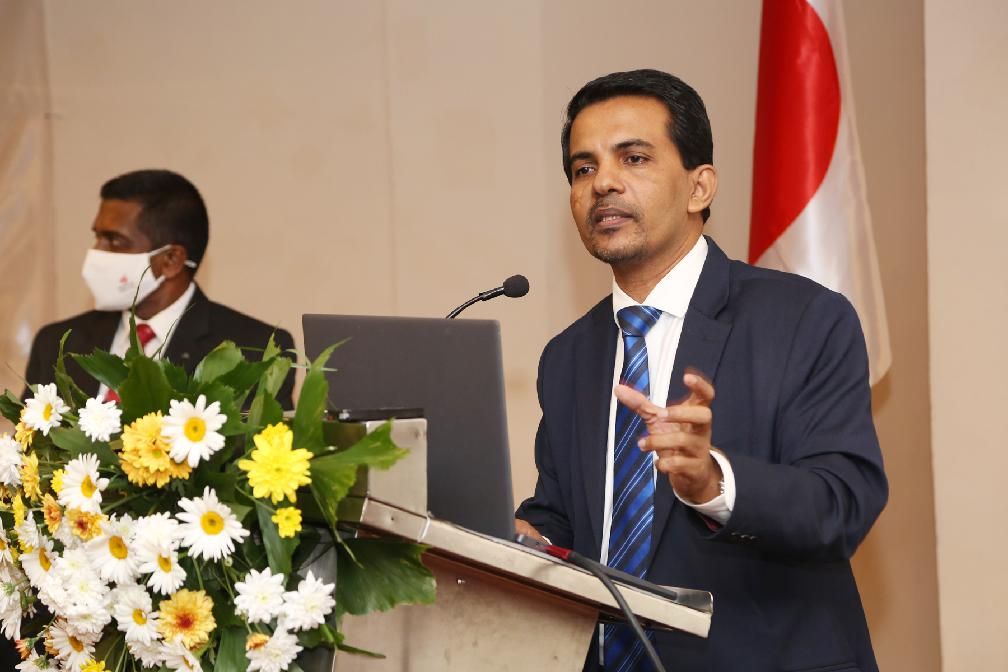
For many in Sri Lanka’s corporate world, Dr Rathnayake is not merely a lecturer. He is a guide, a strategist, a decoder of complex organisational behaviour, and one of the most consistent voices shaping leadership thinking in the country. His influence extends far beyond the walls of PIM. It echoes across boardrooms, professional bodies, development agencies, and the growing leadership ambitions of Sri Lankan companies navigating a turbulent and digitally transformed era.
Dr Rathnayake’s academic journey mirrors the disciplined, long-game philosophy he teaches. His foundation in management began at the University of Kelaniya, specialising in Human Resource Management—an early indication of the direction his work would eventually take. He then pursued his MBA at PIM, the very institution where he now teaches and mentors. Later, he completed his PhD in Management at the Infrastructure University of Malaysia, expanding both his academic and cross-regional perspective.
But what distinguishes him is not the alphabet of degrees after his name. It is the way he merges scholarship with practice, theory with lived organisational dynamics. Long before becoming a full-time academic, Dr Rathnayake worked across sectors—private and public—building a rare, grounded understanding of how institutions behave, where they fail, and what truly drives sustained performance.
This combination of local and international exposure shaped a scholar who refuses to keep management education confined to textbooks.
If there is one signature element in Dr Rathnayake’s approach, it is the Sri Lankan case study. While many business schools around the world rely heavily on American or European case material, he has spent years documenting, analysing, and teaching through indigenous corporate stories—successes, failures, turning points, and leadership transformations rooted in Sri Lankan soil.
These aren’t abstract discussions. They are real boardrooms, real decisions, real consequences. And for students and executives, they offer something invaluable—a chance to understand leadership through the lens of their own country’s realities.
Beyond teaching and research, Dr Rathnayake has long been connected to the broader professional ecosystem. His leadership roles and advisory work extend into several national bodies, including:
This involvement places him in the centre of national conversations around organisational development, professional standards, workforce transformation, and business capacity building.
Much of Dr Rathnayake’s academic writing centres around human behaviour within organisations, especially in the context of emerging workplace challenges.
His work emphasises an often overlooked truth: the future of Sri Lankan business depends on how well organisations understand people—not just performance dashboards or cost structures, but motivation, behaviour, culture, and leadership psychology.
In an era defined by post-COVID rebuilds, digital acceleration, and generational transitions, this lens has never been more crucial.
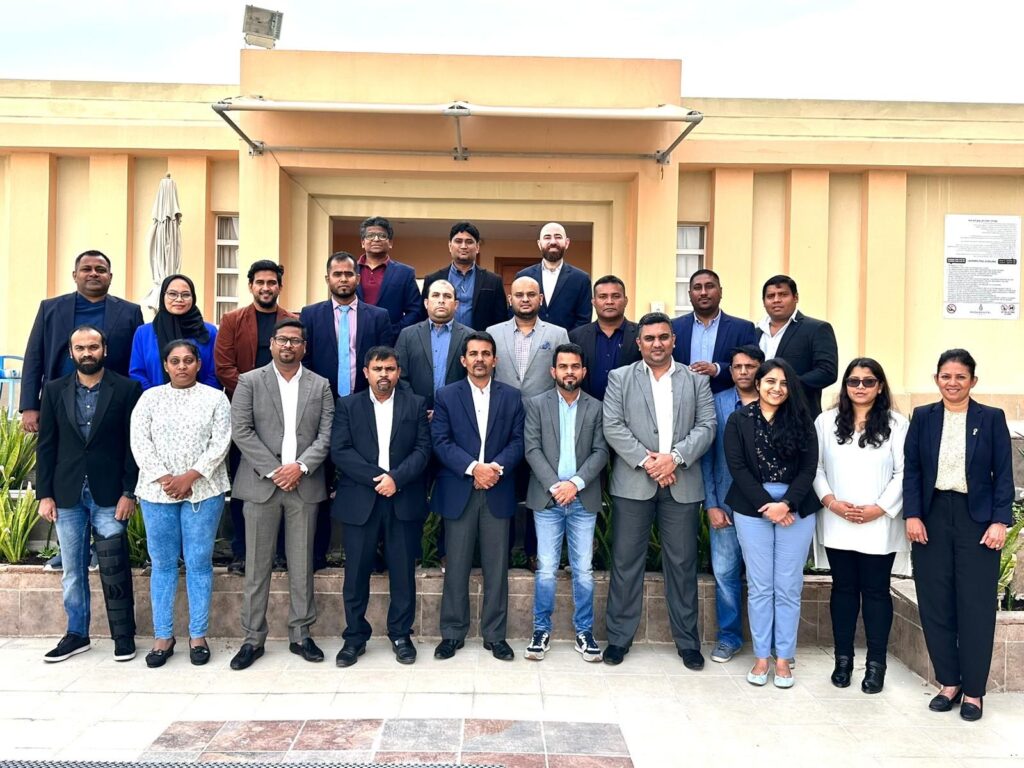
Dr Rathnayake’s contributions extend beyond Sri Lanka. His work with academic partners in India—particularly the Jagannath International Management School (JIMS) in New Delhi—reflects his role in a broader Asian management network. Here, he engages with global scholars, regional industry leaders, and multinational education partners, helping shape the region’s emerging leadership landscape.
This cross-border presence adds depth and context to his teaching at home, giving Sri Lankan executives access to global frameworks interpreted through local realities.
Ask anyone who has taken a course with him, and a consistent theme emerges: clarity, practicality, and disciplined thinking.
At a time when organisations are grappling with uncertainties—from economic shifts to talent mobility—Dr Rathnayake’s work is centred on a simple but profound mission:.
To help build a generation of Sri Lankan leaders who can think strategically, act ethically, adapt intelligently, and lead with evidence rather than ego.
His research, his teaching, his role in professional bodies, and his regional engagements all point to one central philosophy:
Leadership is not an act. It is a discipline. It is a practice. It is a lifelong commitment to understanding people, organisations, and the forces that shape them.
In shaping this discipline, Dr Samantha Rathnayake stands as one of Sri Lanka’s most influential scholar-practitioners—quiet, consistent, rigorous, and deeply invested in the country’s future leadership landscape.
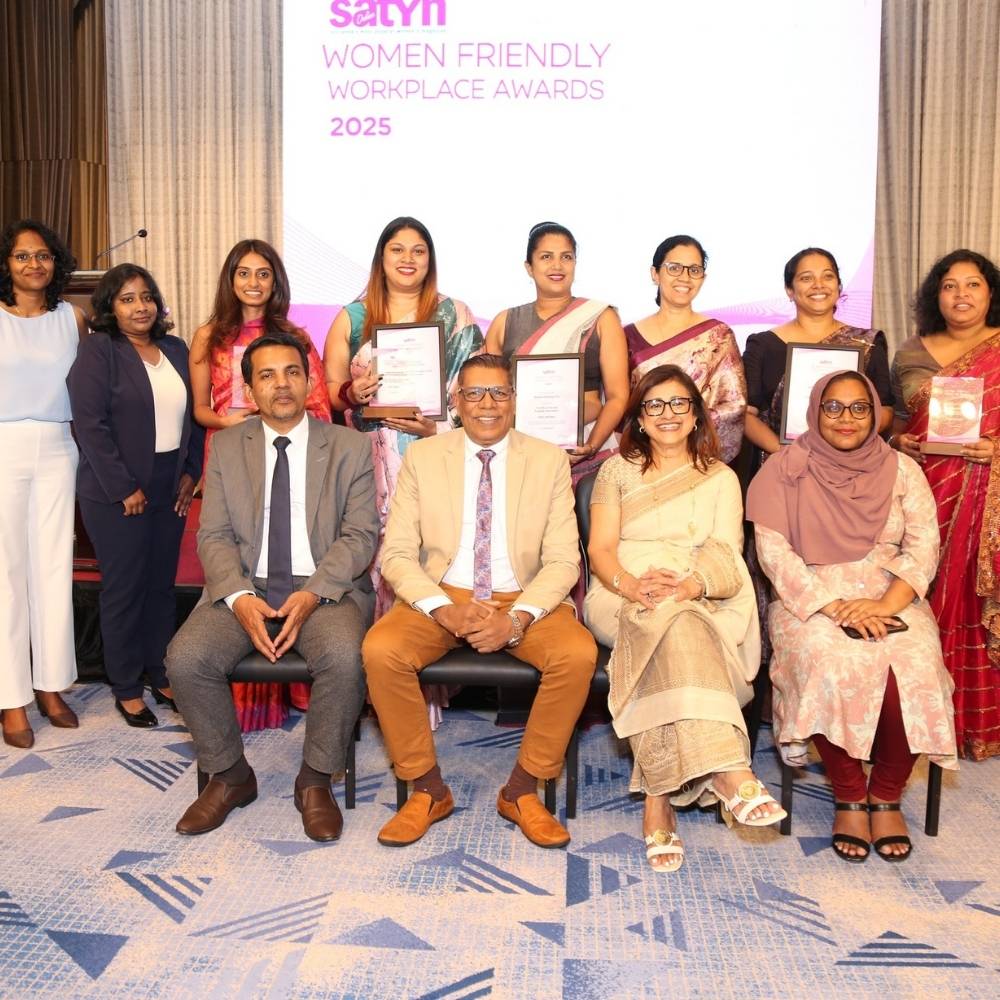
Dr Rathnayake functions as the Head of the Panel of Judges of the prestigious Satynmag Women Friendly Workplace Awards, Sri Lanka’s sole female focused awards in the workplace. The 2026 edition of the Awards will be announced soon.